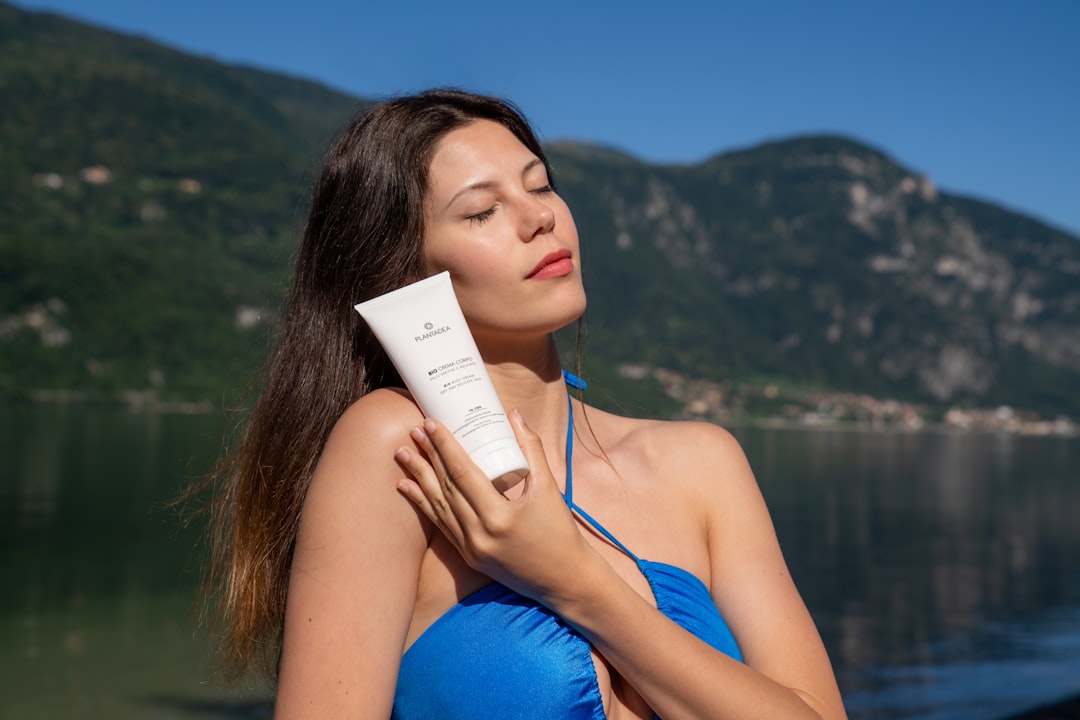
As you step outside, the sun’s rays may feel warm and inviting, but it’s crucial to recognize the potential harm they can inflict on your skin. Sun protection is not merely a seasonal concern; it is a year-round necessity. The ultraviolet (UV) radiation emitted by the sun can lead to immediate effects like sunburn, but the long-term consequences are far more severe.
Prolonged exposure to UV rays can accelerate skin aging, cause pigmentation issues, and significantly increase the risk of skin cancer. By prioritizing sun protection, you are taking a proactive step toward maintaining your skin’s health and overall well-being. Incorporating sun protection into your daily routine is essential, regardless of the weather or your planned activities.
Even on cloudy days, up to 80% of UV rays can penetrate through the clouds, making it vital to apply sunscreen regularly. You may think that staying indoors or wearing clothing will shield you from harmful rays, but these methods alone are often insufficient. Understanding the importance of sun protection empowers you to make informed choices about your skincare regimen and encourages you to adopt habits that will safeguard your skin for years to come.
Key Takeaways
- Sun protection is crucial due to the increasing incidence of skin cancer worldwide.
- High SPF sunscreens provide enhanced defense against harmful UV rays by blocking a greater percentage of UVB radiation.
- Understanding SPF ratings helps consumers choose effective products tailored to their skin type and exposure needs.
- Overcoming myths about sunscreen use encourages consistent application and better skin health outcomes.
- Collaboration with dermatologists and ongoing innovations are key to advancing sun protection education and product effectiveness.
The Rise in Skin Cancer Cases
In recent years, there has been a troubling increase in skin cancer cases worldwide. This alarming trend highlights the urgent need for effective sun protection strategies. Skin cancer is not just a concern for those with fair skin; it affects individuals of all skin tones and types.
As you navigate your daily life, it’s essential to recognize that skin cancer is a preventable disease, and taking proactive measures can significantly reduce your risk. The statistics surrounding skin cancer are sobering.
According to the American Academy of Dermatology, one in five Americans will develop skin cancer by the age of 70. This statistic serves as a wake-up call for many, urging you to take sun safety seriously. Regular skin checks and awareness of any changes in your skin can be life-saving.
By understanding the prevalence of skin cancer and its risk factors, you can better appreciate the importance of incorporating high SPF sunscreens into your daily routine.
The Role of High SPF Sunscreens

When it comes to sun protection, high SPF sunscreens play a pivotal role in safeguarding your skin from harmful UV rays. SPF, or Sun Protection Factor, measures how well a sunscreen can protect your skin from UVB rays, which are primarily responsible for sunburn and contribute to skin cancer. Using a high SPF sunscreen provides an added layer of defense against these harmful rays, allowing you to enjoy outdoor activities with greater peace of mind.
Choosing a high SPF sunscreen is particularly important if you have fair skin, a history of skin cancer in your family, or if you plan to spend extended periods outdoors. A higher SPF rating indicates a greater level of protection, but it’s essential to remember that no sunscreen can block 100% of UV rays. Therefore, applying sunscreen generously and reapplying it every two hours—or more frequently if swimming or sweating—is crucial for maintaining effective protection throughout the day.
The Science Behind SPF Ratings
Understanding the science behind SPF ratings can help you make informed decisions when selecting sunscreen products. SPF ratings are determined through controlled laboratory tests that measure how long it takes for UV radiation to cause redness on protected skin compared to unprotected skin. For example, if you typically burn after 10 minutes in the sun without protection, an SPF 30 sunscreen theoretically allows you to stay in the sun 30 times longer—about 300 minutes—before burning.
However, it’s important to note that this is a simplified explanation and does not account for various factors such as skin type, application thickness, and environmental conditions. The effectiveness of sunscreen can diminish due to sweating, swimming, or even towel drying. Therefore, while high SPF ratings provide a guideline for protection levels, your application habits and environmental factors play significant roles in determining how well the sunscreen works for you.
The Benefits of Using High SPF Sunscreens
| Metric | Value | Unit | Notes |
|---|---|---|---|
| Annual Sales Volume | 12.5 | Million Units | High SPF sunscreen products sold in 2023 |
| Market Share | 35 | Percent | Share of high SPF sunscreens in total sunscreen market |
| Average Price per Unit | 15.75 | USD | Retail price for high SPF sunscreen |
| Year-over-Year Sales Growth | 8 | Percent | Growth in sales volume compared to previous year |
| Top Marketing Channel | Online Retail | N/A | Most effective channel for high SPF sunscreen sales |
| Customer Demographic | 18-35 years | Age Range | Primary buyers of high SPF sunscreen products |
Using high SPF sunscreens offers numerous benefits beyond just preventing sunburn. One of the most significant advantages is the reduced risk of developing skin cancer over time. By consistently applying high SPF sunscreen, you are actively protecting your skin from harmful UV radiation that can lead to malignant changes in skin cells.
This proactive approach not only helps prevent immediate discomfort but also contributes to long-term skin health. Additionally, high SPF sunscreens often contain moisturizing ingredients that can benefit your skin’s overall appearance and texture. Many formulations are designed to be lightweight and non-greasy, making them suitable for daily wear under makeup or during outdoor activities.
Overcoming Misconceptions and Myths

Despite the wealth of information available about sun protection, misconceptions and myths about sunscreen persist. One common myth is that people with darker skin tones do not need sunscreen because they are less susceptible to sunburn. While it is true that melanin provides some natural protection against UV rays, individuals with darker skin are still at risk for skin damage and cancer.
It’s essential for everyone, regardless of skin tone, to use sunscreen regularly. Another misconception is that high SPF sunscreens allow you to stay in the sun longer without reapplying. While higher SPF ratings do offer more protection, they do not eliminate the need for reapplication.
Sunscreen should be reapplied every two hours or immediately after swimming or sweating. By debunking these myths and educating yourself about proper sun protection practices, you can make informed choices that prioritize your skin’s health.
Targeting Specific Consumer Needs
As you consider your options for sun protection, it’s essential to recognize that different consumers have unique needs when it comes to sunscreen products. For instance, athletes or outdoor enthusiasts may require water-resistant formulas that withstand sweat and water exposure. On the other hand, individuals with sensitive skin may seek out mineral-based sunscreens that contain fewer irritating ingredients.
Understanding these specific consumer needs allows brands to tailor their products effectively. By offering a range of formulations—such as tinted sunscreens for those who want added coverage or fragrance-free options for sensitive skin—you can find a product that suits your lifestyle and preferences. This targeted approach not only enhances user satisfaction but also encourages consistent use of sunscreen among diverse consumer groups.
Marketing Strategies for High SPF Sunscreens
Effective marketing strategies play a crucial role in promoting high SPF sunscreens and educating consumers about their benefits. One approach is to leverage social media platforms where influencers and dermatologists can share their experiences with high SPF products. By showcasing real-life testimonials and before-and-after photos, potential customers can see the tangible benefits of using these sunscreens.
Additionally, educational campaigns that highlight the importance of sun protection can resonate with consumers on a deeper level. Collaborating with health organizations or hosting community events focused on skin health can raise awareness about the risks associated with UV exposure and encourage individuals to adopt sun-safe practices. By combining engaging marketing tactics with educational initiatives, brands can foster a culture of sun safety that extends beyond product promotion.
Collaborating with Dermatologists and Skin Care Experts
Partnering with dermatologists and skincare experts is an effective way to enhance credibility and trust in high SPF sunscreen products. These professionals can provide valuable insights into the science behind sun protection and recommend specific formulations based on individual skin types and concerns. By featuring expert endorsements in marketing materials or hosting Q&A sessions with dermatologists, brands can position themselves as authorities in sun safety.
Moreover, educational content created in collaboration with skincare experts can help demystify sunscreen usage for consumers. Informative articles or videos that explain how to choose the right sunscreen based on lifestyle factors can empower individuals to make informed decisions about their sun protection routine. This collaboration not only benefits consumers but also strengthens brand loyalty as customers feel more confident in their choices.
Innovations in Sunscreen Technology
The field of sunscreen technology has seen remarkable innovations in recent years, leading to more effective and user-friendly products. Advances in formulation science have resulted in lightweight textures that absorb quickly without leaving a greasy residue on the skin. Additionally, new delivery systems allow for better penetration of active ingredients, enhancing their protective capabilities.
Furthermore, some brands are now incorporating antioxidants and other beneficial ingredients into their sunscreens to provide additional skincare benefits beyond UV protection. These innovations cater to consumers who seek multifunctional products that simplify their skincare routines while ensuring optimal sun safety. As technology continues to evolve, you can expect even more exciting developments in sunscreen formulations that prioritize both efficacy and user experience.
The Future of Sun Protection: Education and Awareness
Looking ahead, education and awareness will be paramount in shaping the future of sun protection practices. As more individuals become aware of the risks associated with UV exposure and the importance of using high SPF sunscreens, there will likely be a shift toward more proactive approaches to skincare. Educational initiatives aimed at schools, workplaces, and community organizations can foster a culture of sun safety from an early age.
Moreover, ongoing research into the effects of UV radiation on various skin types will continue to inform product development and consumer education efforts. By staying informed about emerging trends and scientific findings related to sun protection, you can make empowered choices that prioritize your health and well-being while enjoying the outdoors safely. In conclusion, understanding the importance of sun protection is essential for maintaining healthy skin and reducing the risk of skin cancer.
By utilizing high SPF sunscreens and staying informed about advancements in sunscreen technology, you can take proactive steps toward safeguarding your skin against harmful UV rays while enjoying all that life has to offer under the sun.
In recent years, the marketing of high SPF sunscreen products has significantly influenced consumer behavior, leading to increased sales and a greater emphasis on sun protection. A related article that delves into the intricacies of sunscreen marketing and its impact on consumer choices can be found here. This article explores the strategies employed by brands to promote higher SPF ratings and the implications for public health awareness regarding sun safety.
FAQs
What does SPF stand for in sunscreen products?
SPF stands for Sun Protection Factor. It measures how well a sunscreen protects the skin from UVB rays, which are the main cause of sunburn and contribute to skin cancer.
Why do sunscreens with high SPF values tend to have higher sales?
High SPF sunscreens are often perceived as offering better protection against sun damage, leading consumers to prefer them. Marketing strategies emphasize these higher numbers to attract buyers seeking maximum protection.
Is a higher SPF always better for sun protection?
While higher SPF provides more protection, the increase is not proportional. For example, SPF 30 blocks about 97% of UVB rays, while SPF 50 blocks about 98%. Proper application and reapplication are also crucial for effective protection.
How do sunscreen companies market high SPF products?
Companies use advertising campaigns highlighting the benefits of high SPF, such as longer protection time and better defense against sunburn. They may also use endorsements, packaging design, and claims about broad-spectrum protection to boost sales.
Are there regulations on how SPF values can be marketed?
Yes, regulatory bodies like the FDA in the United States set guidelines on SPF labeling and marketing claims to ensure accuracy and prevent misleading information.
What factors influence consumer choice in purchasing high SPF sunscreens?
Consumers consider factors such as SPF rating, brand reputation, price, product formulation (e.g., water resistance, ingredients), and marketing messages emphasizing safety and effectiveness.
Can marketing of high SPF sunscreens impact public health?
Effective marketing can encourage the use of sunscreen, potentially reducing skin cancer rates. However, it may also lead to a false sense of security, causing some users to stay longer in the sun without reapplying sunscreen or using other protective measures.
Do high SPF sunscreens protect against UVA rays as well?
SPF primarily measures protection against UVB rays. Protection against UVA rays depends on the formulation and whether the product is labeled as “broad-spectrum.” Consumers should look for broad-spectrum sunscreens for comprehensive protection.