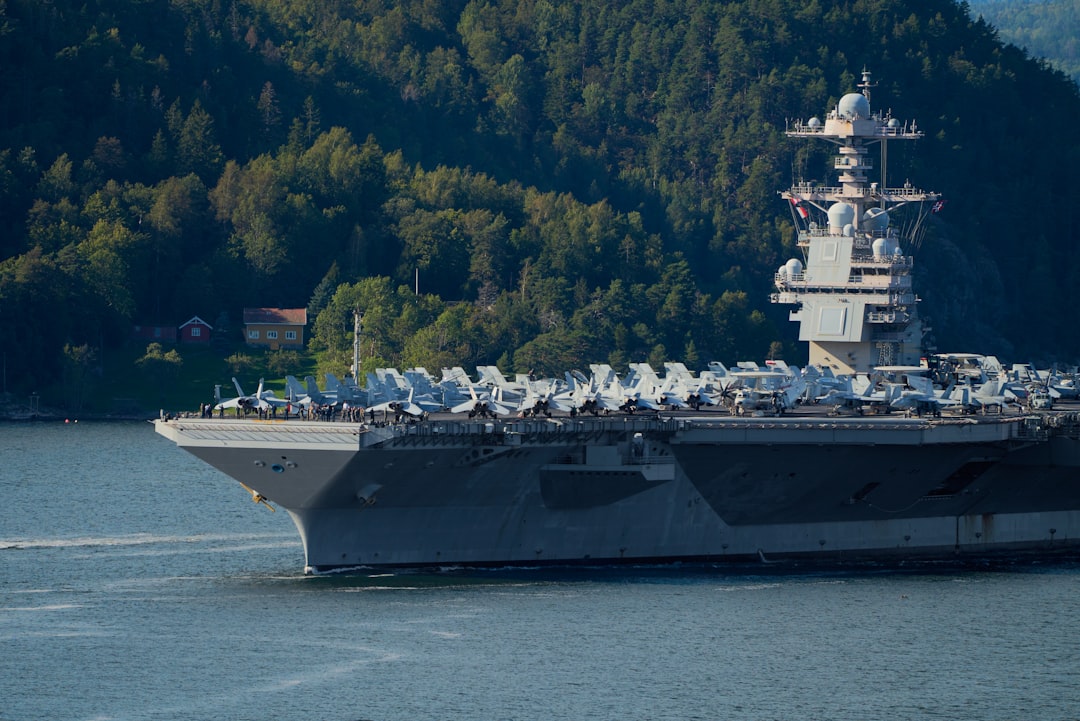
Military strategy, the art and science of planning and conducting military operations, serves as the foundational blueprint for achieving victory on the battlefield. It is not merely about the deployment of troops or the accumulation of weaponry, but a sophisticated process of understanding the complexities of conflict, anticipating adversary actions, and marshaling resources to achieve defined objectives. Mastering military strategy is therefore an ongoing pursuit, demanding intellectual rigor, adaptability, and a deep appreciation for historical lessons. This pursuit is not a singular act, but a continuous refinement of principles and practices that have shaped the course of human history.
The initial step in mastering military strategy is to cultivate a profound understanding of the environment in which operations will occur. This involves a comprehensive analysis of various interconnected factors, each contributing to the overall strategic calculus. Without this foundational understanding, any strategic plan is akin to building a house on shifting sands, vulnerable to collapse under the slightest pressure.
The Geopolitical Context
The global stage is a vast and intricate chessboard, and understanding its configuration is paramount. Geopolitical factors dictate the alliances, rivalries, and historical grievances that underpin any potential conflict.
Analyzing Major Powers and Alliances
The relative strength, ambitions, and existing relationships of major global powers provide a crucial framework. Understanding their historical interactions, treaty obligations, and spheres of influence helps to predict their likely responses to various scenarios.
Identifying Regional Flashpoints and Tensions
Certain geographical areas are perennial sources of instability. Identifying these regions, understanding the root causes of their conflicts, and assessing the potential for escalation is vital for effective strategic planning.
Assessing Economic Interdependencies
Economic ties can be both a source of strength and vulnerability. Understanding how nations rely on each other for trade, resources, and financial stability can reveal avenues for leverage or potential weaknesses to exploit.
Recognizing Ideological Divides
Divergent political, religious, and societal ideologies can be potent drivers of conflict. Understanding these underlying belief systems helps to comprehend the motivations and objectives of potential adversaries.
The Operational Environment
Beyond the global stage, the immediate environment in which military operations will take place demands equally rigorous examination. This encompasses both the physical terrain and the complex human elements at play.
Terrain and Climate Analysis
The physical characteristics of a battlefield, from mountains and rivers to deserts and urban sprawls, directly influence tactical approaches and logistical planning. Climate, with its impact on weather patterns and operational feasibility, is equally critical.
Understanding the Adversary
A thorough assessment of the enemy’s capabilities, doctrine, leadership, morale, and likely intentions is indispensable. This requires intelligence gathering, psychological analysis, and an understanding of their perceived strengths and weaknesses.
Evaluating Friendly Forces
Similarly, a clear-eyed assessment of one’s own military’s strengths, weaknesses, training, equipment, and morale is essential for realistic planning. Identifying areas of deficiency can inform resource allocation and training priorities.
Assessing the Civilian Population and Irregular Actors
In modern conflicts, the presence and disposition of the civilian population, as well as the influence of non-state actors, can significantly shape the strategic landscape. Their support or opposition can either bolster or undermine military objectives.
In exploring the complexities of military strategy, one can gain valuable insights from the article available at this link. The article delves into various aspects of strategic planning and execution, highlighting historical examples and contemporary applications that shape military operations today. Understanding these principles can enhance one’s grasp of how nations navigate conflicts and maintain security in an ever-evolving global landscape.
The Pillars of Strategic Thought
Mastering military strategy requires building upon a set of fundamental pillars that guide decision-making and action. These pillars, forged in the crucible of conflict and distilled through centuries of military thought, provide enduring principles for success.
Defining Clear and Achievable Objectives
A well-defined objective is the lode star that guides all strategic efforts. Without a clear target, military actions can become aimless, expending valuable resources without meaningful progress.
Strategic Goals vs. Tactical Objectives
Distinguishing between overarching strategic goals, such as regional stability or national security, and specific, measurable tactical objectives, such as capturing a specific town or disrupting an enemy supply line, is crucial.
SMART Objectives Framework
Applying the SMART (Specific, Measurable, Achievable, Relevant, Time-bound) framework ensures that objectives are concrete and actionable, providing clear metrics for success.
Political Aims Driving Military Action
Ultimately, military strategy must serve underlying political aims. Understanding these political objectives ensures that military actions are aligned with broader national interests.
Resource Management and Allocation
Resources, whether human, material, or financial, are finite and must be judiciously managed to maximize their impact. A squandering of resources is a direct path to strategic failure.
Manpower and Training
The quality of personnel, their training, and their morale are paramount. Investing in robust training programs and ensuring troop well-being is a strategic imperative.
Equipment and Technology
The procurement, maintenance, and effective deployment of military hardware and technological assets are critical. However, technology alone is not a panacea; it must be integrated strategically.
Logistics and Supply Chains
The ability to sustain operations through effective logistics – the movement, supply, and maintenance of forces – is the backbone of military success. A disrupted supply line can cripple even the most formidable army.
Financial Considerations
The economic cost of military operations must be factored into strategic planning. Sustainable financial backing is essential for long-term campaigns.
The Art of Surprise and Deception
In the realm of strategy, surprise and deception are potent weapons, capable of tilting the balance of power without significant bloodshed. Like a magician’s sleight of hand, they obscure intent and exploit vulnerabilities.
Information Operations and Psychological Warfare
Influencing the perceptions and decision-making of both adversaries and friendly forces through carefully crafted information campaigns is a crucial element of modern strategy.
Feints and Diversions
Misdirecting the enemy’s attention and resources through calculated diversions can create opportunities for decisive action elsewhere.
Maintaining Operational Security (OPSEC)
Protecting sensitive information about plans, capabilities, and movements is fundamental to achieving surprise and preventing enemy counter-strategy.
Exploiting Enemy Blind Spots
Identifying and exploiting gaps in the adversary’s intelligence or understanding of the situation can create decisive advantages.
Adapting to the Dynamics of Conflict
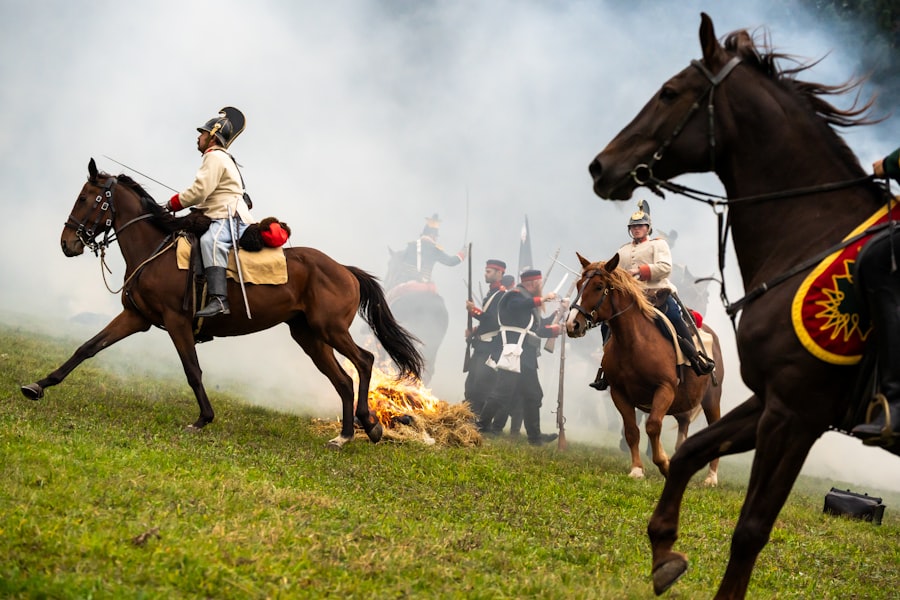
War is not a static event; it is a fluid and evolving phenomenon. Mastering military strategy requires an inherent capacity for adaptation, a willingness to adjust plans in response to changing circumstances. The rigid and inflexible strategist is often outmaneuvered and outthought.
Understanding Decision Cycles and Tempo
The speed at which decisions are made and operations are conducted can be a decisive factor. Outpacing the adversary in this regard can create a significant advantage.
OODA Loop Application
The OODA (Observe, Orient, Decide, Act) loop, a concept developed by military strategist John Boyd, highlights the importance of rapid decision-making and rapid execution cycles.
Maintaining Operational Tempo
Sustaining a high tempo of operations can keep an adversary off balance and prevent them from consolidating their defenses or launching effective counter-offensives.
Exploiting Enemy Hesitation
Moments of uncertainty or indecision within an adversary’s command structure present opportunities for strategic advancement.
Leveraging Intelligence and Information Superiority
Effective intelligence is the bedrock upon which sound strategic decisions are built. Without accurate and timely information, even the most brilliant plans can falter.
Intelligence Gathering and Analysis
The systematic collection, processing, and interpretation of information about the enemy, the environment, and the political landscape is a continuous and critical function.
Situational Awareness
Maintaining a comprehensive and up-to-date understanding of the evolving battlefield situation is essential for making informed decisions.
Countering Disinformation and Propaganda
The ability to identify and neutralize enemy attempts to manipulate information is vital for maintaining a clear strategic picture.
Utilizing Open-Source Intelligence (OSINT)
In the modern era, a wealth of information is publicly available. Effectively leveraging OSINT can supplement traditional intelligence gathering.
The Importance of Command and Control
Effective command and control (C2) systems ensure that orders are transmitted accurately, that forces are coordinated, and that the commander’s intent is understood and executed across the entire operational spectrum. A breakdown in C2 is akin to a shattered nervous system, rendering the body of the military inert.
Clear Chain of Command
A well-defined and understood chain of command ensures accountability and facilitates efficient decision-making.
Communication Systems and Redundancy
Robust and resilient communication networks, with built-in redundancy, are critical for maintaining situational awareness and coordinating forces.
Decentralized Execution Within Commander’s Intent
Empowering subordinate commanders to make decisions within the framework of the overall commander’s intent can increase agility and responsiveness.
Effective Decision-Making Processes
Establishing clear procedures and protocols for decision-making, especially under pressure, is crucial for maintaining operational coherence.
The Ethical Dimension of Strategy
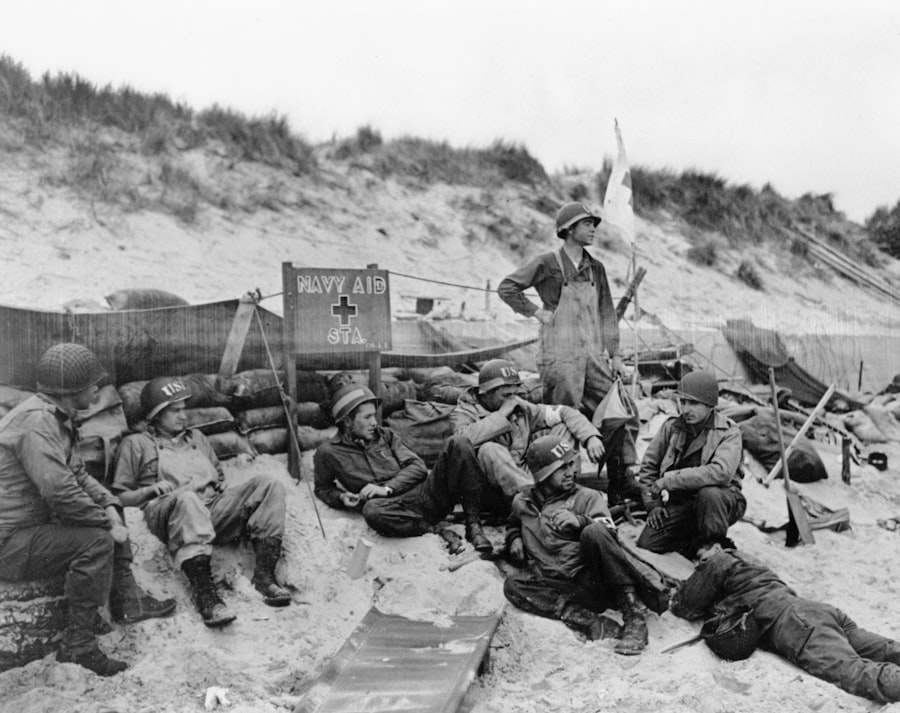
While strategy is concerned with achieving victory, it is not divorced from ethical considerations. The manner in which objectives are pursued and the impact on civilian populations are integral to a holistic understanding of successful strategy.
The Laws of Armed Conflict (LOAC)
Adherence to the established international laws governing warfare is not only a moral imperative but also a strategic necessity. Violations can undermine legitimacy and create long-term repercussions.
Distinction and Proportionality
Ensuring that military operations distinguish between combatants and non-combatants and that the anticipated military advantage outweighs the expected civilian harm is a fundamental principle.
Avoiding Unnecessary Suffering
The principle of humanity dictates that unnecessary suffering should be avoided in warfare.
Protecting Prisoners of War
The humane treatment of prisoners of war is a cornerstone of international humanitarian law and reflects a commitment to civilized conduct.
Legitimacy and Public Opinion
The perception of a conflict by domestic and international audiences can significantly influence its outcome. A strategy deemed illegitimate can erode support and empower adversaries.
Just War Theory Principles
Understanding the historical and philosophical underpinnings of Just War Theory can provide a framework for evaluating the ethical justification of engaging in and conducting warfare.
Information Warfare and Narrative Control
Actively shaping the narrative surrounding a conflict is crucial for maintaining domestic and international support.
Long-Term Consequences of Strategic Choices
Considering the enduring impact of strategic decisions on political stability, economic development, and human rights is a mark of mature strategic thinking.
In exploring the complexities of military strategy, one can gain valuable insights from various sources that delve into historical and contemporary tactics. For instance, an interesting article on strategic approaches can be found at Hey Did You Know This, which discusses the evolution of military thought and its impact on modern warfare. Understanding these principles can enhance our comprehension of how nations prepare for and engage in conflict.
Continuous Learning and Evolution
| Metric | Description | Example | Importance |
|---|---|---|---|
| Force Concentration | The strategic assembly of military forces at a decisive point to achieve superiority. | Napoleon’s massing of troops at Austerlitz | High – Enables overwhelming enemy forces |
| Logistics Efficiency | Ability to supply and maintain forces during operations. | US military supply chains in Operation Desert Storm | Critical – Sustains prolonged campaigns |
| Intelligence Accuracy | Quality and reliability of information about enemy forces and terrain. | Allied codebreaking in WWII (Enigma) | High – Informs decision-making and surprise |
| Force Mobility | Speed and flexibility of troop movements. | Blitzkrieg tactics in WWII | High – Enables rapid offensive operations |
| Command and Control | Effectiveness of leadership and communication systems. | US Joint Chiefs of Staff coordination | High – Ensures coordinated actions |
| Terrain Utilization | Use of geographical features to advantage in battle. | Vietnam War guerrilla tactics in jungles | Medium – Can provide defensive or offensive benefits |
| Force Morale | Psychological readiness and motivation of troops. | Spartan army at Thermopylae | High – Influences combat effectiveness |
| Technological Superiority | Advantage in weapons, equipment, and systems. | US use of stealth technology | High – Can decisively impact outcomes |
The field of military strategy is not a fixed doctrine but a living, evolving entity. Those who seek to master it must embrace a mindset of continuous learning and reflection. Like a skilled surgeon honing their craft through practice and study, the strategist must constantly refine their understanding.
Historical Case Studies and Analysis
Studying the successes and failures of past conflicts provides invaluable lessons. Understanding the context, decisions, and outcomes of historical campaigns can illuminate enduring strategic principles.
Sun Tzu and Clausewitz
The foundational works of military theorists like Sun Tzu and Carl von Clausewitz continue to offer profound insights into the nature of warfare and strategy.
Examining Major Historical Wars
Analyzing pivotal conflicts, from the Peloponnesian War to the Napoleonic Wars and the World Wars, offers rich material for strategic study.
Learning from Contemporary Conflicts
Observing and analyzing ongoing military operations and conflicts provides real-time insights into the evolving nature of warfare.
Wargaming and Simulation
Modern tools allow for the simulation of complex operational scenarios, providing a safe environment to test strategies, identify weaknesses, and refine decision-making processes.
Tabletop Exercises
Interactive simulations where participants play out various roles and make decisions in response to evolving scenarios.
Computer-Assisted Simulations
Sophisticated software that models combat environments, troop movements, and the impact of various strategic choices.
Red Teaming
Dedicated teams tasked with acting as the adversary to rigorously test the assumptions and plans of the blue team.
Intellectual Humility and Openness to New Ideas
The most effective strategists are those who acknowledge the limits of their own knowledge and remain open to new perspectives and innovative approaches. A closed mind is a strategic vulnerability.
Embracing Innovation and Disruption
Being willing to challenge established conventional wisdom and explore novel methods of warfare is crucial in a rapidly changing world.
Fostering a Culture of Learning
Encouraging critical thinking, open debate, and a commitment to professional development within military organizations.
Professional Military Education
The role of structured educational programs in developing strategic acumen and fostering a deep understanding of military theory and practice.
In conclusion, mastering military strategy is a multifaceted and ongoing endeavor. It demands a profound understanding of the geopolitical and operational landscapes, adherence to fundamental strategic principles, and a remarkable capacity for adaptation. By embracing a commitment to continuous learning, ethical conduct, and the intellectual rigor required to navigate the complexities of conflict, individuals and nations can significantly enhance their prospects for achieving decisive victory and securing lasting peace. The strategist’s journey is one of perpetual refinement, a constant seeking of the sharper edge of understanding in the ever-shifting arena of human conflict.
FAQs
What is military strategy?
Military strategy is the planning and directing of large-scale military operations and movements to achieve specific objectives during a conflict or war. It involves the coordination of resources, forces, and tactics to gain a strategic advantage over an opponent.
How does military strategy differ from military tactics?
Military strategy refers to the overall plan and long-term goals of a military campaign, while military tactics focus on the specific techniques and maneuvers used in battles or engagements. Strategy sets the direction, and tactics execute the plan on the battlefield.
What are the main components of military strategy?
The main components of military strategy include setting objectives, assessing the enemy and environment, allocating resources, planning operations, and adapting to changing circumstances. It also involves logistics, intelligence, and coordination among different branches of the armed forces.
Who are some historical figures known for their military strategies?
Notable military strategists include Sun Tzu, author of “The Art of War”; Carl von Clausewitz, known for his work “On War”; Alexander the Great; Napoleon Bonaparte; and more modern figures like Dwight D. Eisenhower and Erwin Rommel.
Why is military strategy important in modern warfare?
Military strategy is crucial in modern warfare because it ensures efficient use of resources, minimizes casualties, and maximizes the chances of achieving political and military objectives. It helps commanders anticipate enemy actions and adapt to technological advancements and complex geopolitical situations.