Healthy cooking is more than a trend; it is a fundamental pillar of well-being, a proactive measure for longevity, and a daily practice of self-care. This article delves into the essential practices that underpin mastery in healthy cooking, presenting a systematic approach to transforming one’s kitchen into a sanctuary of nourishment. It navigates through the foundational principles of ingredient selection, cooking methodologies, and mindful preparation, thereby equipping the reader with the knowledge to cultivate a sustainable healthy culinary lifestyle.
Prioritizing Whole Foods
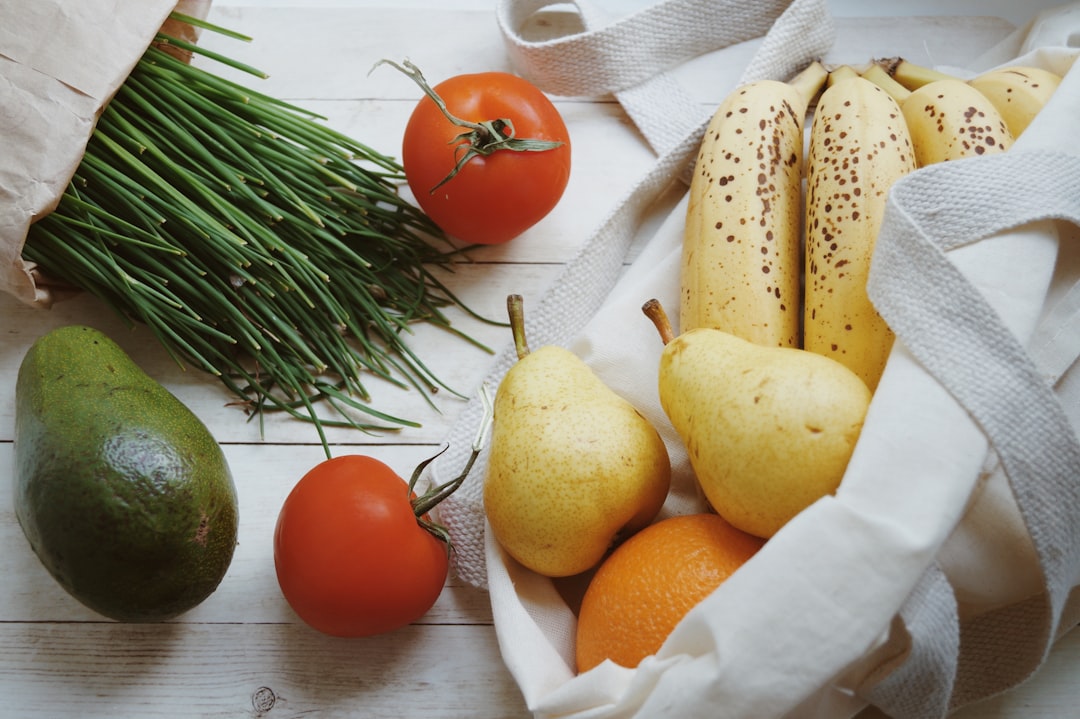
The cornerstone of any healthy dish lies in the quality and nature of its components. Whole foods, by definition, are foods that are unprocessed and unrefined, or processed and refined as little as possible, before being eaten. They retain their intrinsic nutrient density, including a full spectrum of vitamins, minerals, fiber, and antioxidants. Examples include fresh fruits, vegetables, whole grains, lean proteins, nuts, and seeds.
Understanding Nutritional Labels
For packaged goods, a critical skill is the ability to decipher nutritional labels. These labels, while sometimes complex, provide a snapshot of a product’s nutritional profile. Key elements to scrutinize include sugar content, sodium levels, trans fats, saturated fats, and fiber. A discerning eye will look for products with minimal added sugars, lower sodium, and higher fiber content. Components such as “partially hydrogenated oils” signal the presence of trans fats, which are detrimental to cardiovascular health.
Sourcing Quality Produce
The origin and cultivation methods of produce significantly impact its nutritional value and safety. Organic produce, grown without synthetic pesticides or fertilizers, may offer reduced exposure to certain chemical residues. Local and seasonal produce, often harvested at peak ripeness, typically boasts higher nutrient levels and superior flavor compared to items shipped long distances. Building relationships with local farmers or exploring farmers’ markets can provide access to these superior ingredients.
Choosing Lean Proteins
Protein is essential for muscle repair, enzyme function, and satiety. However, the type of protein consumed can have varying health implications. Lean protein sources, such as poultry breast sans skin, fish, legumes, tofu, and tempeh, are preferred over those high in saturated fats. When selecting red meats, cuts labeled “lean” or “extra lean” are advisable, with moderation in consumption being a key principle.
Healthy cooking practices are essential for maintaining a balanced diet and promoting overall well-being. For those looking to enhance their culinary skills while prioritizing nutrition, exploring related articles can provide valuable insights. One such article discusses various techniques and tips for cooking healthily, which can be found at this link. By incorporating these practices into your daily routine, you can enjoy delicious meals that are also good for your health.
The Art of Preparation: Techniques and Tools
Mastering Basic Knife Skills
Efficient and safe knife skills are not merely aesthetic; they are a practical necessity in the healthy kitchen. Proper dicing, slicing, and mincing techniques not only expedite preparation but also ensure uniform cooking, leading to better texture and flavor development. A sharp knife is safer than a dull one, as it requires less force and is less prone to slipping.
Embracing Healthy Cooking Methods
The method by which food is cooked profoundly influences its nutritional integrity and caloric density. High-heat methods like deep-frying add significant fat and often degrade heat-sensitive nutrients. Conversely, methods such as steaming, baking, roasting, grilling, and sautéing (with minimal healthy fats) preserve nutrients more effectively and contribute fewer additional calories.
Steaming: The Gentle Approach
Steaming utilizes moist heat to cook food, retaining a high percentage of vitamins and minerals that might otherwise leach into cooking water. It is particularly suitable for vegetables and fish, yielding tender, vibrant results.
Roasting and Baking: Dry Heat for Flavor
Roasting and baking employ dry heat, often in an oven, to cook food evenly. These methods can caramelize natural sugars in vegetables and meats, developing rich, complex flavors without excessive oil.
Grilling: Charred Perfection
Grilling imparts a distinctive smoky flavor and can be a healthy cooking method when lean proteins and vegetables are utilized. Care should be taken to avoid over-charring, as excessive exposure to high heat can produce harmful compounds.
Sautéing: Quick and Flavorful
Sautéing involves cooking food quickly in a small amount of fat over relatively high heat. Using healthy oils like olive or avocado oil, and keeping cooking times brief, can create flavorful dishes while minimizing fat intake.
Essential Kitchen Tools for Healthy Cooking
A well-equipped kitchen is an enabler of healthy cooking. Beyond basic pots and pans, specific tools can simplify and enhance the process.
Quality Cookware
Non-stick pans reduce the need for excessive oil, while stainless steel and cast iron offer durability and even heat distribution.
Food Processor/Blender
These appliances are invaluable for making smoothies, homemade sauces, purees, and chopping vegetables, thereby reducing preparation time and encouraging the use of fresh ingredients.
Steamer Basket
A simple, inexpensive tool, a steamer basket fits into most pots and is essential for gentle, nutrient-preserving cooking.
Measuring Tools
Accurate measuring cups and spoons are crucial for portion control and adhering to recipes, especially when managing caloric intake.
The Art of Meal Planning: Structure and Strategy
Developing a Weekly Meal Plan
Structured meal planning is a strategic weapon in the battle against unhealthy eating. It eliminates last-minute impulsive unhealthy choices and ensures a consistent supply of nutritious meals. Planning involves outlining meals for the week, creating a corresponding grocery list, and often, designating specific days for meal preparation.
Advantages of Meal Planning
- Reduces Food Waste: Only necessary ingredients are purchased.
- Saves Money: Fewer spontaneous take-out orders.
- Ensures Nutritional Balance: Allows for the incorporation of diverse food groups.
- Decreases Stress: Eliminates the daily “what’s for dinner?” dilemma.
Batch Cooking and Food Prepping
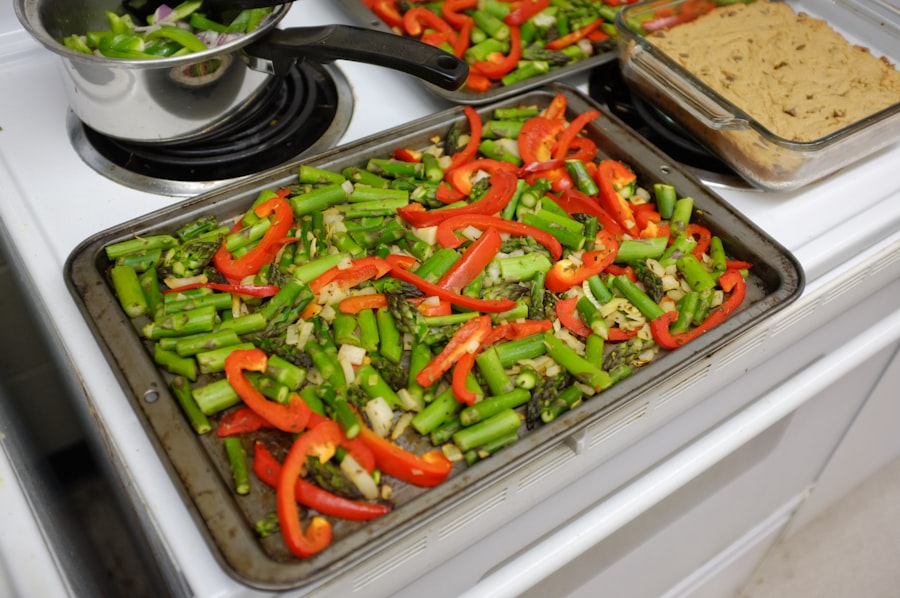
The practice of batch cooking involves preparing large quantities of staple foods or entire meals in advance. This might include cooking a big batch of quinoa, roasting a tray of vegetables, or preparing several servings of a soup or stew. These components can then be assembled into quick, healthy meals throughout the week. Food prepping extends this concept, involving the washing, chopping, and portioning of ingredients so they are ready for immediate use.
Smart Snacking
Snacks can be either allies or adversaries in a healthy diet. Strategic snacking involves choosing nutrient-dense options that provide sustained energy and prevent excessive hunger between meals. Examples include fresh fruit, a handful of nuts, Greek yogurt, or vegetable sticks with hummus. Avoiding processed snacks high in sugar and unhealthy fats is paramount.
The Role of Spices and Herbs: Flavor Without Calories
Enhancing Flavor Naturally
Spices and herbs are akin to alchemists in the healthy kitchen, transforming ordinary ingredients into extraordinary culinary experiences without adding significant calories or unhealthy fats. They are packed with antioxidants and often possess anti-inflammatory properties.
Common Healthy Choices
- Turmeric: Known for its anti-inflammatory compound, curcumin.
- Garlic and Onions: Provide profound flavor bases and offer cardioprotective benefits.
- Cinnamon: Can help regulate blood sugar levels.
- Ginger: Aids digestion and has anti-nausea properties.
- Fresh Herbs (e.g., Parsley, Basil, Cilantro): Add freshness and vibrant flavors.
Creating Homemade Seasonings and Dressings
Store-bought dressings and seasoning mixes are often replete with hidden sugars, excessive sodium, and unhealthy oils. Crafting dressings and spice blends from scratch allows for complete control over ingredients, ensuring healthier alternatives. A simple vinaigrette made with olive oil, vinegar, Dijon mustard, and herbs far surpasses its commercial counterparts in both health benefits and flavor.
Healthy cooking practices are essential for maintaining a balanced diet and promoting overall well-being. By incorporating techniques such as steaming, grilling, and using fresh ingredients, individuals can enhance the nutritional value of their meals. For those looking to explore more about the benefits of healthy cooking, a related article can be found here, which discusses various methods and tips to improve your culinary skills while prioritizing health. Adopting these practices not only supports personal health but also encourages a sustainable lifestyle.
Mindful Eating: Beyond the Plate
| Practice | Description | Health Benefit | Example |
|---|---|---|---|
| Use of Healthy Oils | Choosing oils with unsaturated fats | Reduces risk of heart disease | Olive oil, avocado oil |
| Steaming Vegetables | Cooking vegetables with steam instead of boiling | Preserves nutrients and vitamins | Steamed broccoli, carrots |
| Limiting Added Salt | Reducing sodium intake in cooking | Helps maintain healthy blood pressure | Using herbs and spices instead of salt |
| Using Whole Grains | Choosing unrefined grains over refined | Improves digestion and reduces risk of diabetes | Brown rice, quinoa, whole wheat pasta |
| Cooking at Lower Temperatures | Avoiding high heat to reduce harmful compounds | Decreases formation of carcinogens | Slow cooking, baking at moderate heat |
| Incorporating More Plant-Based Ingredients | Using vegetables, legumes, and nuts more often | Supports heart health and weight management | Vegetable stir-fry, lentil soups |
Understanding Hunger and Satiety Cues
Mindful eating extends beyond the preparation of food, encompassing the manner in which it is consumed. This practice involves paying attention to the body’s natural hunger and fullness signals, eating slowly, savoring flavors, and recognizing the emotional drivers of eating. Distinguishing between physical hunger and emotional cravings is a critical step towards healthier eating habits.
Practicing Portion Control
Even the healthiest foods can contribute to weight gain if consumed in excessive quantities. Portion control is a learned skill that involves understanding appropriate serving sizes and recognizing when one has eaten enough, rather than eating until completely full. Tools like smaller plates and mindful plating can assist in this endeavor.
The Enjoyment Factor: Making Healthy Food Delicious
Healthy eating should never be synonymous with deprivation. The mastery of healthy cooking lies in its ability to produce dishes that are both nourishing and deeply satisfying. Experimentation with flavors, textures, and presentations is encouraged. Viewing cooking as a creative outlet, rather than a chore, fosters a positive relationship with food and sustains healthy habits over the long term. A healthy plate is a canvas; the ingredients are the paint; and the cooking process, the brushstrokes. The final masterpiece is a delicious, nutritious meal that nourishes both body and soul.
In conclusion, mastering healthy cooking is a multifaceted journey that begins with intentional ingredient selection and extends through thoughtful preparation, strategic meal planning, flavorful seasoning, and, ultimately, mindful consumption. It is a continuous process of learning and adaptation, transforming the daily act of eating into a powerful tool for health and vitality. By embracing these essential practices, individuals can unlock a world of delicious, nutritious possibilities, thereby cultivating a sustainable path to well-being.
FAQs
What are some basic healthy cooking practices?
Basic healthy cooking practices include using minimal amounts of added fats, choosing cooking methods like steaming, grilling, or baking instead of frying, incorporating a variety of fresh vegetables and whole grains, and limiting the use of salt and sugar.
How can I reduce fat content when cooking?
To reduce fat content, use cooking methods such as steaming, boiling, grilling, or baking instead of frying. Use healthy oils like olive or canola oil in moderation, and avoid adding excessive butter or cream. Also, trim visible fat from meats before cooking.
What are the benefits of using fresh ingredients in healthy cooking?
Using fresh ingredients ensures higher nutrient content, better flavor, and fewer preservatives or additives. Fresh fruits, vegetables, and herbs contribute essential vitamins, minerals, and antioxidants that support overall health.
How can I preserve nutrients while cooking vegetables?
To preserve nutrients, cook vegetables using methods like steaming or microwaving with minimal water and for short durations. Avoid overcooking, and consider eating some vegetables raw when appropriate to retain maximum vitamins and minerals.
Is it important to control portion sizes in healthy cooking?
Yes, controlling portion sizes is important to maintain a balanced diet and prevent overeating. Even healthy foods can contribute to weight gain if consumed in excessive amounts, so using appropriate serving sizes helps support overall health and weight management.