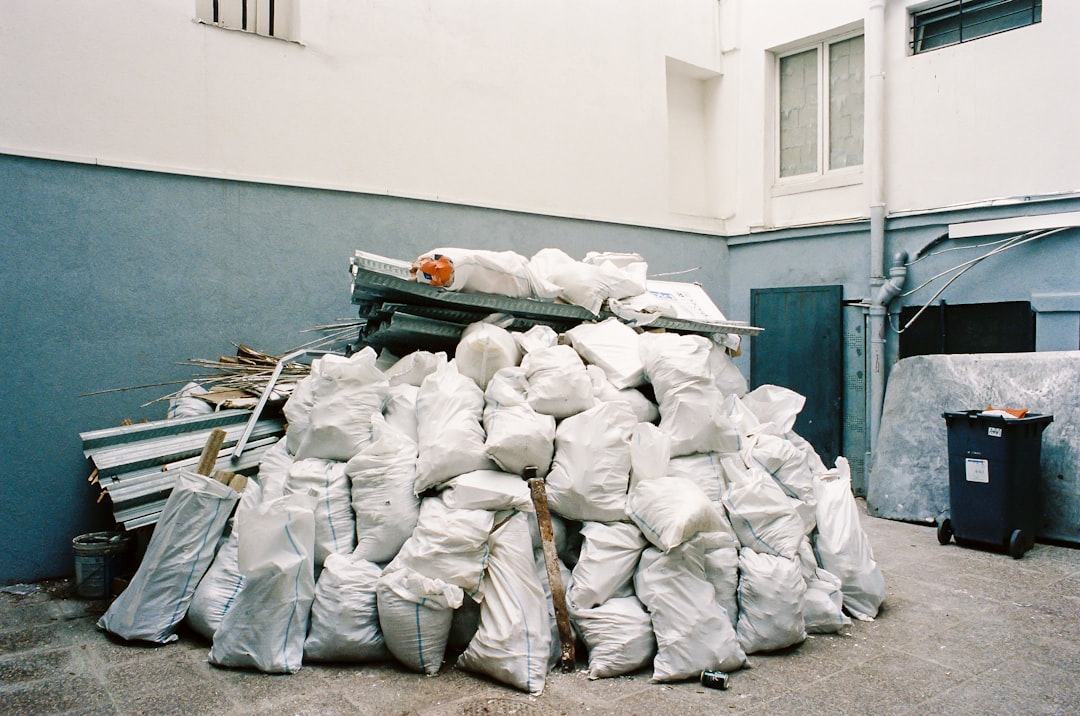
Healthcare waste, often referred to as medical waste or biomedical waste, presents a complex and formidable challenge to healthcare systems globally. Its proper management is not merely a logistical concern but a critical determinant of public health, environmental sustainability, and economic efficiency. The sheer volume and diverse nature of waste generated within healthcare facilities, ranging from infectious materials to pharmaceutical residues, demand a multifaceted and meticulously planned approach. Failure to adequately address this issue can lead to devastating consequences, including the spread of diseases, contamination of natural resources, and significant financial burdens.
Healthcare waste encompasses all waste generated within healthcare facilities, medical laboratories, and research centers. It is a broad category, often subdivided based on its potential hazard level. Understanding these classifications is the first step towards effective management.
General Waste
General waste, comprising approximately 75-90% of all healthcare waste, is non-hazardous and akin to domestic refuse. This includes office paper, food wrappers, and packaging materials. While not inherently dangerous, its sheer volume necessitates efficient collection and disposal to avoid overwhelming waste management systems. Segregation at the point of generation is crucial to prevent contamination with hazardous waste and minimize disposal costs.
Hazardous Waste
The remaining 10-25% of healthcare waste is considered hazardous and poses significant risks. This category requires specialized handling, treatment, and disposal methods due to its infectious, toxic, radioactive, or genotoxic properties.
Infectious Waste
Infectious waste, often symbolized by the biohazard emblem, includes materials contaminated with pathogens. This can range from blood and body fluids to contaminated dressings, swabs, and disposable medical devices. The risk of transmission of infectious diseases to healthcare workers, waste handlers, and the public is paramount if not properly managed. This category also includes cultures and stocks of infectious agents from laboratories.
Pathological Waste
Pathological waste consists of human and animal tissues, organs, body parts, and fluids. This category is not only biologically hazardous but also carries strong ethical and cultural considerations regarding its respectful disposal. Incineration is a common method for this type of waste due to its ability to completely destroy organic matter and pathogens.
Sharps Waste
Sharps waste includes any item that can cause punctures or cuts, such as needles, scalpels, lancets, and broken glass. This presents a direct and immediate risk of injury and potential transmission of bloodborne pathogens like HIV and Hepatitis B and C. Robust, puncture-resistant containers specifically designed for sharps are mandatory for their safe collection and disposal.
Pharmaceutical Waste
Pharmaceutical waste comprises expired, unused, spilt, or contaminated pharmaceutical products, including vaccines and serums. Its diverse chemical composition necessitates careful assessment to determine appropriate disposal methods, which can range from incineration to chemical treatment, depending on active ingredients. Improper disposal can lead to drug resistance and environmental contamination.
Genotoxic Waste
Genotoxic waste includes cytotoxic drugs, commonly used in chemotherapy, and other hazardous chemicals that can damage DNA. This waste is highly dangerous and requires strict handling protocols, often involving specialized incineration or chemical inactivation to prevent exposure to individuals and the environment.
Chemical Waste
Chemical waste encompasses discarded chemicals from diagnostic and experimental work, cleaning and disinfecting procedures. This includes laboratory reagents, disinfectants, and heavy metals. The management of chemical waste is complex, requiring identification of specific chemical properties and adherence to strict safety regulations to prevent environmental pollution and health hazards.
Radioactive Waste
Radioactive waste, though less common in general healthcare settings, originates from diagnostic procedures, therapeutic treatments, and research involving radioactive isotopes. Its management is governed by stringent regulations owing to its potential for long-term environmental contamination and health risks. Specialized handling, storage, and disposal at designated facilities are imperative.
Healthcare waste management is a critical issue that impacts both public health and the environment. For those interested in learning more about the challenges and solutions related to this topic, a related article can be found at Hey Did You Know This. This resource provides valuable insights into the types of healthcare waste, the importance of proper disposal methods, and innovative practices being adopted globally to minimize the risks associated with healthcare waste.
The Grave Consequences of Mismanagement
The mismanagement of healthcare waste is not a trivial oversight; it is a profound failure with far-reaching implications. Imagine a leaky faucet in a vital pipe – each drop, though small, contributes to a larger flood. Similarly, each instance of improper waste handling, however seemingly minor, contributes to a collective threat.
Public Health Risks
The most immediate and discernible consequence is the direct threat to public health. Uncontrolled release of infectious waste can lead to outbreaks of preventable diseases. Healthcare workers, waste handlers, and communities living near disposal sites are particularly vulnerable. Sharps injuries, for instance, are a constant menace, acting as silent conduits for bloodborne pathogens. Children, often curious and unaware of the dangers, are at elevated risk when exposed to improperly discarded medical waste.
Environmental Degradation
Our planet is a delicate ecosystem, and healthcare waste, when improperly managed, can act as a potent toxin. Landfills receiving untreated medical waste can leach hazardous substances into the soil and groundwater, contaminating drinking water sources and agricultural land. The incineration of hazardous waste without proper emission controls can release noxious gases and particulate matter into the atmosphere, contributing to air pollution and acid rain. Pharmaceutical waste entering waterways can disrupt aquatic ecosystems and contribute to antibiotic resistance. The ripple effect is profound, like a stone thrown into a pond, its impact extending far beyond the initial splash.
Economic Burden
The costs associated with healthcare waste mismanagement are multifaceted. These include the direct costs of treating illnesses caused by exposure to hazardous waste, the expenses incurred in environmental remediation, and the financial penalties for non-compliance with regulations. Moreover, a robust and compliant waste management system, while requiring initial investment, ultimately reduces long-term costs by preventing public health crises and environmental liabilities. Conversely, the ad-hoc and unregulated disposal of waste, though seemingly cheaper in the short term, often leads to much greater expenses down the line, akin to patching a crumbling wall instead of rebuilding it properly.
Reputational Damage and Legal Implications
Healthcare facilities have a moral and legal obligation to protect both their patients and the wider community. Failure to manage waste responsibly can severely damage an institution’s reputation, eroding public trust. Beyond reputational harm, institutions face substantial fines, legal proceedings, and even closure for non-compliance with national and international waste management regulations.
Key Principles of Healthcare Waste Management
Effective healthcare waste management is built upon a foundation of fundamental principles. These principles serve as guiding stars, illuminating the path towards safer practices.
Waste Minimization
The most effective waste management strategy is to produce less waste in the first place. This involves exploring alternatives to disposable items, optimizing inventory management to reduce expired pharmaceuticals, and promoting reusable medical devices where appropriate. It’s about stemming the tide at its source, rather than just endlessly dealing with the aftermath.
Segregation at Source
This is the cornerstone of safe and efficient waste management. Segregation means separating different types of waste into designated containers at the very moment they are generated. For example, infectious waste goes into specialized bags, sharps into puncture-proof containers, and general waste into standard bins. This critical step prevents contamination of non-hazardous waste, reduces the volume of waste requiring specialized treatment, and minimizes costs. It’s like sorting your laundry – whites separate from colors – to prevent damage and ensure proper cleaning for each.
Safe Handling and Collection
Once segregated, waste requires careful handling and robust collection protocols. This includes the use of appropriate personal protective equipment (PPE) by all involved personnel, the use of leak-proof and clearly labelled containers, and the establishment of designated storage areas that are secure and away from patient care areas. Regular and consistent collection schedules minimize accumulation and associated risks.
Treatment and Disposal
The ultimate fate of hazardous healthcare waste is its treatment and disposal. Various technologies exist, each suited to different types of waste.
Autoclaving
Autoclaving uses steam under pressure to sterilize infectious waste, rendering it non-infectious. This method is environmentally friendly and particularly effective for a wide range of infectious materials, effectively neutralizing pathogens without producing harmful emissions.
Incineration
High-temperature incineration is a common method for pathological waste, sharps, and certain chemical and pharmaceutical wastes. Modern incinerators are equipped with advanced emission control systems to minimize the release of harmful pollutants. However, older or poorly maintained incinerators can be significant sources of air pollution.
Chemical Disinfection
Chemical disinfection involves using chemical agents to inactivate pathogens in liquid infectious waste or certain types of laboratory waste. This method requires careful selection of disinfectants and adherence to contact times to ensure efficacy.
Landfilling
While general healthcare waste can often be disposed of in sanitary landfills, hazardous waste typically requires pre-treatment to neutralize its harmful properties before landfilling. Secure landfills for treated hazardous waste are designed to prevent leachate contamination and ensure long-term containment.
Challenges and Future Directions
Despite significant progress in healthcare waste management, several challenges persist, acting as obstacles on the path towards comprehensive solutions.
Lack of Awareness and Training
A pervasive challenge is the insufficient awareness and training among healthcare personnel, waste handlers, and policymakers regarding best practices for waste management. Education and continuous professional development are critical to instilling a culture of responsible waste handling. Imagine giving a powerful tool to someone who doesn’t know how to use it safely; the risks are inherent.
Inadequate Infrastructure
Many developing countries grapple with a severe lack of adequate infrastructure for safe waste collection, treatment, and disposal. This often leads to reliance on rudimentary and environmentally harmful practices, such as open burning or indiscriminate dumping. International collaboration and investment are crucial to bridging this infrastructure gap.
Regulatory Enforcement
Even where robust regulations exist, weak enforcement mechanisms can undermine their effectiveness. Consistent monitoring, inspections, and the application of penalties for non-compliance are essential to ensure adherence to established standards. Regulations are like fences; they are only effective if they are maintained and respected.
Emerging Waste Streams
The rapid advancements in medical technology introduce new and often complex waste streams. For instance, discarded electronic medical devices (e-waste) contain hazardous materials and require specialized recycling and disposal. The pharmaceutical industry continually innovates, generating new drug compounds that necessitate updated disposal protocols. Adapting to these evolving challenges requires ongoing research and flexible regulatory frameworks.
Sustainable and Circular Economy Approaches
The future of healthcare waste management lies in embracing sustainable and circular economy principles. This involves moving beyond mere disposal towards strategies that emphasize waste reduction at the source, reuse of medical devices where safe and practicable, and recycling of materials. For example, reprocessing certain single-use devices can significantly reduce waste volume and conserve resources. The pursuit of a circular economy for healthcare waste envisions a system where waste is not merely an endpoint but a resource to be recovered and reintegrated into the value chain. This long-term vision requires a paradigm shift, moving from a linear “take-make-dispose” model to a more cyclical “reduce-reuse-recycle” approach.
In conclusion, managing healthcare waste is a critical and ongoing challenge that demands unwavering commitment from all stakeholders. It is a shared responsibility, a complex puzzle with many interlocking pieces. By adhering to established principles, innovating new solutions, and fostering a culture of responsible stewardship, we can transform this formidable challenge into an opportunity to safeguard public health, protect our environment, and build more resilient healthcare systems for generations to come. The stakes are too high to do otherwise.
FAQs
What is healthcare waste?
Healthcare waste refers to all the waste materials generated by healthcare activities, including hospitals, clinics, laboratories, and research facilities. It includes items such as used needles, bandages, surgical instruments, pharmaceuticals, and contaminated materials.
Why is proper management of healthcare waste important?
Proper management of healthcare waste is crucial to prevent the spread of infections, protect healthcare workers and the public, and minimize environmental pollution. Improper disposal can lead to the transmission of diseases and contamination of soil and water sources.
What are the common types of healthcare waste?
Healthcare waste is typically categorized into infectious waste, pathological waste, sharps, chemical waste, pharmaceutical waste, and general non-hazardous waste. Each type requires specific handling and disposal methods to ensure safety.
How is healthcare waste typically treated and disposed of?
Healthcare waste is treated and disposed of using methods such as incineration, autoclaving, chemical disinfection, and secure landfilling. The choice of method depends on the type of waste and local regulations to ensure safe and environmentally sound disposal.
What regulations govern healthcare waste management?
Healthcare waste management is regulated by national and international guidelines, including those from the World Health Organization (WHO) and local environmental protection agencies. These regulations set standards for segregation, handling, transportation, treatment, and disposal to ensure safety and compliance.