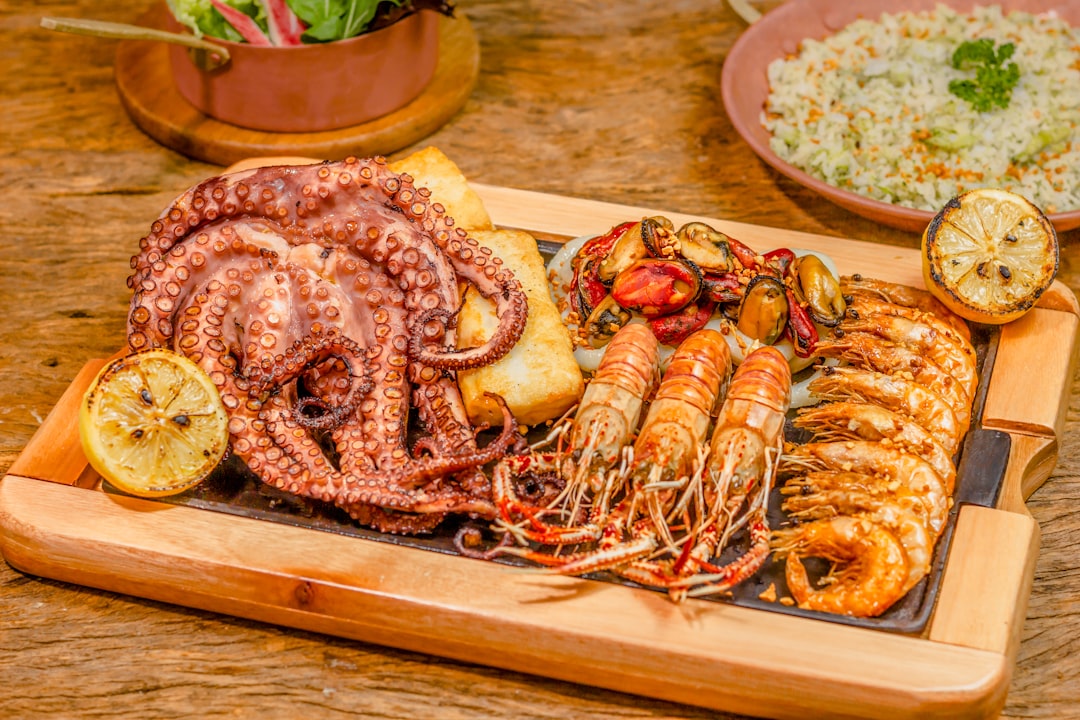
The global consumption of seafood has escalated significantly, driven by an expanding human population and increased awareness of seafood’s nutritional benefits. However, this burgeoning demand places immense pressure on marine ecosystems, leading to concerns about overfishing, bycatch, and habitat destruction. Consequently, consumers are increasingly seeking guidance on making ethical seafood choices. This article aims to provide a comprehensive guide, empowering individuals to navigate the complex world of sustainable seafood and contribute positively to ocean health.
You can learn more about the issue of shrimp slavery in this informative video.
The journey of seafood from the ocean to one’s plate is a multifaceted process involving numerous stakeholders and potential ethical dilemmas. Comprehending this chain is foundational to making informed decisions.
From Ocean to Market: A Complex Journey
The initial stage involves fishing or aquaculture. Wild-caught seafood often utilizes various fishing methods, some inherently more destructive than others. Trawling, for instance, involves dragging large nets across the seabed, potentially damaging delicate habitats and inadvertently catching non-target species (bycatch). Longlining, while selective for certain species, can still result in the capture of seabirds or marine mammals.
Aquaculture, or fish farming, presents an alternative. While it can alleviate pressure on wild stocks, intensive farming practices can introduce their own set of environmental challenges, including pollution from feed and waste, the spread of diseases to wild populations, and the use of antibiotics.
The Role of Intermediaries: Ensuring Traceability
Once harvested, seafood typically passes through a network of intermediaries: processors, distributors, and retailers. At each stage, the opportunity for mislabeling and fraud exists. Accurate traceability is paramount to ensure that the seafood purchased aligns with its declared origin and sustainability credentials. Without robust systems, a consumer might unknowingly purchase illegally caught fish or a species farmed under unsustainable conditions. The chain of custody, from boat to plate, must be transparent and verifiable.
Consumer’s Impact: A Ripple Effect
Each purchase decision made by a consumer sends a signal through this supply chain, much like a stone dropped into a pond creates expanding ripples. Choosing sustainable options encourages producers to adopt responsible practices, ultimately fostering a more ethical and resilient seafood industry. Conversely, demand for unsustainably sourced seafood perpetuates damaging practices, creating a vicious cycle of environmental degradation.
When considering ethical consumer choices in seafood, it’s essential to stay informed about sustainable practices and the impact of our dietary decisions on marine ecosystems. A related article that delves into this topic can be found at Hey Did You Know This, which explores various aspects of ethical seafood consumption and offers insights into making more responsible choices for both the environment and our health.
Key Indicators of Sustainable Seafood
Identifying sustainable seafood requires an understanding of various indicators. These indicators serve as a compass, guiding consumers toward choices that support healthy oceans.
Fishing Methods: Minimizing Environmental Harm
The method by which seafood is caught is a critical determinant of its sustainability. Consumers should prioritize seafood caught using methods with low environmental impact.
Selective Gear: Reducing Bycatch
Gear such as pole-and-line or troll fishing for tuna are highly selective, minimizing the capture of non-target species. Pot and trap fishing, often used for crabs and lobsters, are also generally considered low-impact, as they are stationary and allow for the release of undersized or unwanted animals. Handlining, a traditional method, is another example of a highly selective practice. These methods stand in stark contrast to indiscriminate gears like bottom trawls.
Avoidance of Destructive Practices: Protecting Habitats
Consumers should actively avoid seafood caught using methods known to cause significant habitat destruction. Bottom trawling, as previously mentioned, can scour the seabed, damaging coral reefs and essential nursery grounds for many marine species. Dynamite fishing, though illegal in many regions, is another example of an extremely destructive practice that decimates entire ecosystems.
Stock Status: Ensuring Fish Populations Thrive
The health of fish populations, or “stock status,” is a paramount concern for sustainability. Overfished stocks are those that have been harvested at rates exceeding their ability to replenish, jeopardizing their long-term survival.
Population Levels: Understanding “Too Much”
Information on stock status is often provided by scientific assessments. Consumers should seek seafood from well-managed fisheries where populations are healthy and not subject to overfishing. Organizations like the Marine Stewardship Council (MSC) certify fisheries that meet strict sustainability criteria, which include robust stock assessments. Understanding the concept of Maximum Sustainable Yield (MSY) and whether a fishery is operating below it is crucial.
Fishery Management: Regulations in Action
Effective fishery management plans, including quotas, size limits, and seasonal closures, are essential for maintaining healthy fish populations. Consumers can support fisheries operating under strong regulatory frameworks that prioritize the long-term health of the resource. Without such regulations, fisheries can become a “tragedy of the commons,” where individual short-term gains lead to collective long-term losses.
Aquaculture Practices: Farming Responsibly
While aquaculture can alleviate pressure on wild stocks, its sustainability is highly dependent on farming practices. Not all farmed fish are created equal.
Feed Sources: Minimizing Wild Fish Dependence
A major concern with carnivorous farmed species, such as salmon, is their reliance on fishmeal and fish oil derived from wild-caught forage fish. This can inadvertently transfer pressure from one wild stock to another. Consumers should seek farmed seafood fed with alternative protein sources, or herbivorous species that do not require fish-based feeds. Aquaculture practices that promote closed-loop systems or integrated multi-trophic aquaculture (IMTA) are generally more sustainable.
Environmental Impact: Waste and Disease Management
Poorly managed aquaculture operations can lead to water pollution from uneaten feed and fish waste, as well as the potential spread of diseases and parasites to wild populations. Consumers should look for certifications that address these concerns, promoting responsible waste management, disease control without excessive antibiotic use, and practices that prevent escapes into the wild. Organic aquaculture certifications often include stringent environmental criteria.
Tools and Resources for Ethical Seafood Choices
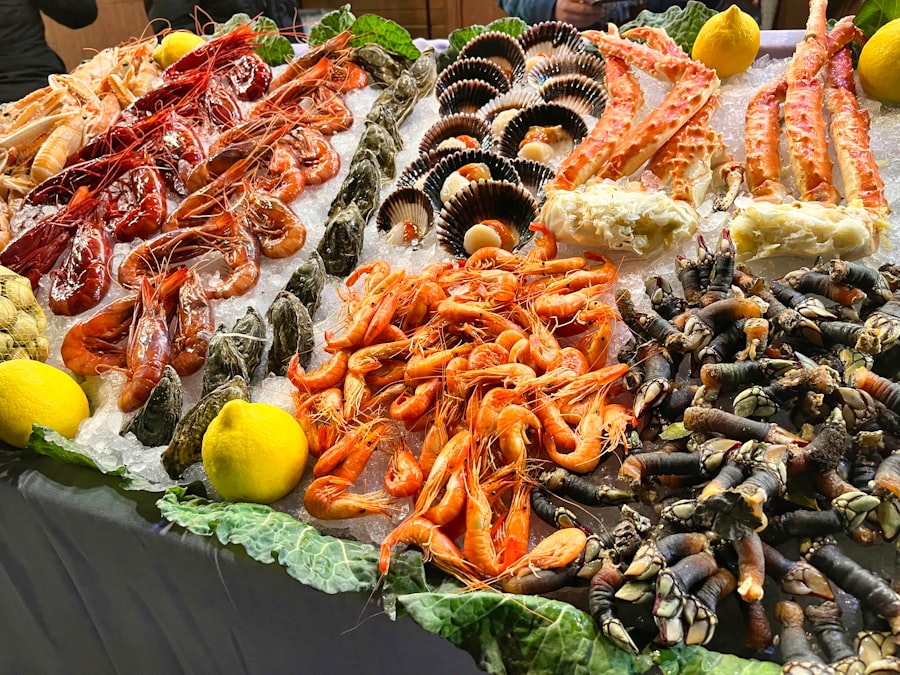
Navigating the complexities of sustainable seafood can be daunting. Fortunately, a variety of tools and resources are available to assist consumers in making informed decisions. These resources act as trusted navigation charts in a sometimes murky sea of information.
Certification Programs: A Seal of Approval
Third-party certification programs provide independent verification of a fishery’s or farm’s sustainability claims. These certifications offer a shorthand for consumers seeking ethical options.
Marine Stewardship Council (MSC): Wild-Caught Seafood
The MSC blue label is widely recognized and signifies that wild-caught seafood comes from a fishery that has been independently certified to meet the MSC’s science-based standards for sustainable fishing. This includes healthy fish stocks, minimal environmental impact, and effective management. The MSC standard is considered one of the most robust globally.
Aquaculture Stewardship Council (ASC): Farmed Seafood
Similar to the MSC, the ASC certifies farmed seafood that meets strict standards for responsible aquaculture. These standards address environmental impacts, social responsibility, and animal welfare. The ASC label provides assurance that farmed seafood has been produced with minimal damage to ecosystems and fair treatment of workers.
Other Certifications: Regional and Specific Standards
Beyond MSC and ASC, other regional or product-specific certifications exist. Examples include Best Aquaculture Practices (BAP), which focuses on environmental and social responsibility in aquaculture, and various organic certifications for farmed seafood. Consumers should familiarize themselves with reliable certifications relevant to their geographic area and the types of seafood they consume.
Seafood Guides and Apps: Your Pocket Advisor
Various organizations publish seafood guides and develop mobile applications that provide up-to-date information on the sustainability of different species. These tools are invaluable for making quick, informed decisions at the point of purchase.
Monterey Bay Aquarium Seafood Watch: Pioneering Guidance
The Monterey Bay Aquarium Seafood Watch program is a highly respected resource, offering comprehensive recommendations on seafood choices based on scientific assessments. Their “Best Choices,” “Good Alternatives,” and “Avoid” categories are widely adopted by consumers and retailers. Their regional guides and mobile app are particularly useful.
Environmental Defense Fund (EDF): Actionable Information
The Environmental Defense Fund also provides science-based seafood buyer’s guides, often focusing on key species and offering insights into the broader ecological implications of seafood choices. Their emphasis is often on empowering consumers with knowledge to drive market demand for sustainable options.
Engaging with Retailers and Restaurants

Consumers have significant power to influence the seafood industry by actively engaging with retailers and restaurants. Their collective voice can act as a powerful tide, shifting industry practices.
Asking Informed Questions: The Power of Inquiry
When purchasing seafood, whether from a supermarket or a restaurant, do not hesitate to ask questions. Retailers and chefs who prioritize sustainability will be prepared to provide clear answers.
Origin and Method of Capture: Demanding Transparency
Ask about the species, where it was caught or farmed (country and specific region), and the fishing or farming method used. For restaurants, inquire about the source and whether they prioritize certified or sustainably sourced seafood. A lack of transparency can be a red flag. For instance, if a restaurant menu simply states “fish,” it’s an opportunity to ask for specifics.
Certifications and Sustainability Policies: Holding Businesses Accountable
Inquire about any sustainability certifications the seafood carries and whether the retailer or restaurant has a committed sustainable seafood policy. Many progressive businesses proudly display their sustainability efforts. If they don’t, your questions can prompt them to consider such policies.
Supporting Sustainable Businesses: Voting with Your Wallet
Consciously choose to support businesses that demonstrate a commitment to sustainable seafood sourcing. This sends a clear message that consumer demand for ethical choices is strong and growing.
Preferred Retailers and Restaurants: Building a Sustainable Network
Seek out supermarkets, fishmongers, and restaurants that openly feature sustainably sourced and certified seafood. Your consistent patronage will reinforce their efforts and encourage others to follow suit. Think of yourself as an investor in a healthier future for our oceans.
Advocacy and Feedback: Shaping the Market
Provide feedback to businesses that are not meeting sustainability standards. Politely express your preference for sustainably sourced seafood and encourage them to improve their practices. Your feedback, combined with that of others, can be a potent force for change, much like gentle drops of water can eventually wear away stone.
When considering ethical consumer choices in seafood, it’s essential to stay informed about sustainable practices and the impact of our decisions on marine ecosystems. A related article that delves into these important topics can be found here, offering insights into how consumers can make more responsible choices. By understanding the implications of overfishing and supporting sustainable fisheries, we can contribute to healthier oceans and a more ethical food system. For more information, you can read the article at this link.
Beyond the Plate: Broader Actions for Ocean Health
| Metric | Description | Example Data | Source |
|---|---|---|---|
| Percentage of Consumers Choosing Sustainable Seafood | Proportion of consumers who prefer seafood certified as sustainable | 45% | Marine Stewardship Council (MSC) Survey 2023 |
| Common Ethical Labels | Labels indicating ethical sourcing such as MSC, ASC, and Fair Trade | MSC, ASC, Fair Trade | Seafood Watch Program |
| Impact of Ethical Choices on Overfishing | Reduction in overfishing rates due to consumer demand for sustainable seafood | 15% decrease in overfished stocks | FAO Fisheries Report 2022 |
| Consumer Awareness Level | Percentage of consumers aware of ethical seafood issues | 60% | Global Seafood Consumer Study 2023 |
| Price Premium for Ethical Seafood | Average price increase consumers pay for ethically sourced seafood | 10-20% higher | Seafood Market Analysis 2023 |
| Environmental Benefits | Reduction in carbon footprint and habitat destruction from ethical seafood choices | Up to 30% lower carbon emissions | Environmental Research Letters 2023 |
While individual seafood choices are critical, broader actions can amplify the impact of personal ethical decisions and create a wave of positive change for marine ecosystems.
Reducing Overall Seafood Consumption: A Lifestyle Choice
Consider reducing overall seafood consumption, particularly of species that are higher up the food chain. This can lessen the cumulative pressure on marine ecosystems and help maintain ecological balance. Incorporating more plant-based meals into your diet is one way to achieve this.
Supporting Marine Conservation Organizations: Collective Action
Donate to or volunteer with organizations dedicated to marine conservation, combating illegal fishing, and promoting sustainable fisheries management. These organizations often work at a policy level, complementing individual consumer choices. They are the unseen architects building stronger foundations for ocean health.
Advocating for Stronger Policies: Citizen Engagement
Engage with local and national policymakers to advocate for stronger ocean conservation policies, including improved fisheries management, protected marine areas, and robust regulations against illegal, unreported, and unregulated (IUU) fishing. Your voice, when combined with others, can be a powerful force in shaping the legal and regulatory landscape of ocean health.
In conclusion, making ethical seafood choices is not merely a trend; it is a critical responsibility for every consumer in an interconnected world. By understanding the supply chain, identifying key indicators of sustainability, utilizing available tools, engaging with businesses, and taking broader actions, individuals can become powerful agents of change. Each conscious choice contributes to a larger narrative of ocean preservation, ensuring that future generations can also enjoy the bounty and beauty of our marine environments. The health of our oceans is, in essence, a reflection of our collective choices, and by choosing wisely, we become custodians of this invaluable global resource.
FAQs
What does ethical consumer choice mean in the context of seafood?
Ethical consumer choice in seafood refers to selecting products that are sourced in ways that minimize environmental impact, support sustainable fishing practices, and ensure fair labor conditions. This often involves choosing seafood certified by reputable organizations or caught using methods that reduce bycatch and habitat damage.
How can consumers identify sustainable seafood options?
Consumers can look for certifications such as the Marine Stewardship Council (MSC) label, Aquaculture Stewardship Council (ASC) label, or Seafood Watch recommendations. These certifications indicate that the seafood has been harvested or farmed sustainably, with attention to environmental and social standards.
Why is overfishing a concern for ethical seafood consumption?
Overfishing depletes fish populations faster than they can reproduce, leading to ecosystem imbalances and the collapse of important fisheries. Ethical seafood consumption aims to avoid contributing to overfishing by choosing species that are abundant and harvested responsibly.
What are some common fishing methods that are considered more ethical?
Fishing methods such as pole-and-line, handline, and traps are generally considered more ethical because they have lower bycatch rates and cause less damage to marine habitats. In contrast, methods like bottom trawling can be harmful to the environment and are often avoided by ethical consumers.
How does ethical seafood consumption impact marine ecosystems?
By choosing seafood from sustainable sources, consumers help reduce overfishing, protect endangered species, and preserve marine biodiversity. This supports healthier ocean ecosystems, which are vital for maintaining the balance of marine life and the livelihoods of communities dependent on fishing.