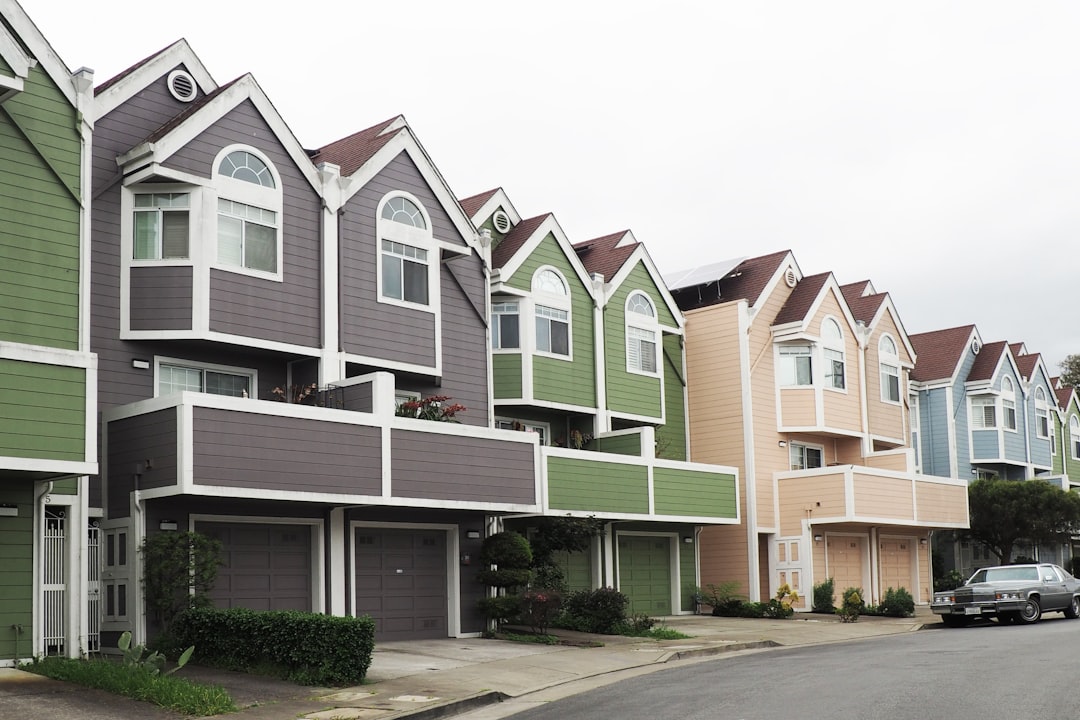
The pursuit of affordable housing is a complex, multifaceted endeavor, often cast as a moral imperative and a fundamental economic necessity. For many individuals and families, the dream of secure, comfortable shelter remains perpetually out of reach, a distant star obscured by soaring market forces and systemic challenges. This article explores the landscape of affordable housing, examining the barriers to its creation and the strategies aimed at making it a tangible reality for a broader segment of the population.
The concept of “affordable housing” itself requires definition. Generally, housing is considered affordable if a household spends no more than 30% of its gross income on rent or mortgage payments, utilities, and property taxes. When this threshold is exceeded, households are considered “cost-burdened,” potentially sacrificing other essential needs like food, healthcare, and education. The affordable housing crisis, therefore, is not a singular event but a persistent condition where the supply of housing units priced within the reach of low- and moderate-income households fails to meet demand.
The Supply-Demand Imbalance
At its core, the affordable housing crisis can be attributed to a fundamental imbalance between the supply of housing and the demand for it, particularly at lower income tiers. Decades of underbuilding, coupled with increasing population growth and urbanization, have tightened the housing market considerably. This scarcity inflates prices, pushing them beyond the means of a significant portion of the population.
Factors Contributing to Underbuilding
- Restrictive Zoning Laws: Many municipalities employ zoning regulations that limit the density of housing development, prohibit multi-family units in single-family districts, or impose minimum lot sizes. These regulations can act as a bottleneck, preventing developers from building the number of units needed to meet demand.
- High Construction Costs: The cost of land, labor, and materials for new construction has steadily risen. These escalating expenses are then passed on to consumers in the form of higher rents and home prices, thus narrowing the margin for affordability.
- NIMBYism (Not In My Backyard): Local opposition to new housing developments, often driven by concerns about traffic, property values, or perceived changes to neighborhood character, can significantly delay or derail projects, further constricting supply.
The Impact of Economic Factors
Beyond the direct mechanics of supply and demand, broader economic forces exert a powerful influence on housing affordability. Inflation, wage stagnation, and the increasing cost of living all conspire to diminish purchasing power, making housing even more elusive.
Wage Stagnation and the Growing Income Gap
While housing costs have soared, wages for many low- and middle-income workers have not kept pace. This widening income gap means that even with consistent employment, individuals and families find it increasingly difficult to save for a down payment or afford rising rental rates. The dream of homeownership, once a cornerstone of the American middle class, is becoming a mirage for many.
The Role of Speculation and Investment
In some markets, housing is increasingly treated as an investment asset rather than solely as shelter. This can lead to speculation, where properties are bought and flipped for profit, driving up prices and reducing the availability of long-term, affordable housing options. Large institutional investors can also purchase vast portfolios of properties, impacting market dynamics and potentially increasing rents.
Affordable housing remains a pressing issue in many urban areas, and understanding its complexities is crucial for effective solutions. For further insights into this topic, you can read a related article that discusses innovative strategies for increasing affordable housing availability. To explore these strategies, visit this article.
Barriers to Affordable Housing Development
The path to creating more affordable housing is paved with numerous obstacles, each requiring careful navigation and innovative solutions. These barriers are not merely theoretical; they are the concrete walls that developers and policymakers must contend with on a daily basis.
Regulatory Hurdles and Bureaucratic Processes
The process of obtaining permits, navigating zoning requirements, and complying with building codes can be a lengthy and expensive undertaking. These bureaucratic mazes can discourage developers, especially those focused on lower-cost housing, from even initiating projects.
Zoning and Land Use Restrictions
As previously mentioned, zoning laws are a significant impediment. Single-family zoning, for instance, can prevent the development of duplexes, triplexes, and other more dense housing types that are inherently more affordable to build and rent. Agricultural zoning on the outskirts of urban areas can also limit housing expansion.
Permitting and Approval Processes
The time it takes to get a housing project approved can stretch into years. This delay adds to development costs and exposes projects to the vagaries of changing market conditions and political winds. Streamlining these processes, while maintaining essential safety and environmental standards, is crucial.
Financial and Economic Constraints
The financial viability of affordable housing projects is a constant concern. The profit margins for affordable housing are often thinner than for market-rate developments, making them less attractive to private developers without adequate incentives.
High Land and Construction Costs
The cost of acquiring suitable land in desirable locations is often prohibitive, particularly for affordable housing initiatives. Furthermore, the price of lumber, steel, concrete, and skilled labor has a direct impact on the final cost of a unit. Developers building for lower-income households must absorb these costs within a more limited revenue stream.
Access to Capital and Financing
Securing financing for affordable housing projects can be challenging. Traditional lenders may perceive these projects as higher risk due to lower potential returns, requiring developers to seek out specialized financing mechanisms and subsidies.
Social and Political Opposition
Despite the clear need for affordable housing, opposition from existing residents often surfaces. This phenomenon, commonly known as NIMBYism, can manifest in various forms and poses a significant hurdle to project approval.
Community Resistance and Perceived Impacts
Concerns about increased traffic congestion, strain on local infrastructure, and potential decreases in property values are frequently cited by residents opposing affordable housing projects. These concerns, while sometimes valid, can also be rooted in prejudice or a lack of understanding about the benefits of diverse housing options.
Political Will and Prioritization
The successful development of affordable housing requires strong political will at local, state, and federal levels. When affordable housing is not a top priority for elected officials, policies and funding mechanisms that support its creation are often lacking.
Strategies for Increasing Affordable Housing Supply

Addressing the affordable housing crisis requires a multi-pronged approach, employing a range of strategies to stimulate development, preserve existing affordability, and provide direct assistance to those in need. These strategies are akin to different tools in a carpenter’s toolbox, each best suited for a particular task.
Policy and Regulatory Reforms
Governments play a pivotal role in shaping the housing market. Implementing forward-thinking policies and reforming outdated regulations can unlock new possibilities for affordable housing.
Zoning Reform and Inclusionary Zoning
- Upzoning and Density Bonuses: Allowing for increased housing density in appropriate areas can significantly increase the number of housing units that can be built on a given parcel of land. Offering density bonuses, which allow developers to build more units than typically permitted in exchange for including a certain percentage of affordable units, is another effective tool.
- Accessory Dwelling Units (ADUs): Legalizing and streamlining the process for building ADUs, also known as granny flats or in-law suites, can create small, affordable rental units within existing neighborhoods. These are often built by homeowners with minimal impact on existing infrastructure.
- Inclusionary Zoning: This policy requires or incentivizes developers to set aside a percentage of units in new residential developments as affordable housing. This ensures that new market-rate developments contribute to the affordability of a community.
Streamlining Permitting and Reducing Fees
Efforts to simplify and expedite the permitting and approval processes for housing projects, particularly those with affordable components, can reduce development costs and accelerate construction timelines. This might involve creating dedicated teams to review affordable housing applications or offering pre-approved building plans for certain types of affordable housing.
Financial Incentives and Subsidies
Financial mechanisms are essential to bridge the gap between development costs and the ability of low- and moderate-income households to afford housing.
Low-Income Housing Tax Credits (LIHTC)
- How LIHTC Works: The LIHTC program is a federal initiative that provides tax credits to investors who finance the development of affordable rental housing. This tax incentive makes the development of affordable housing more financially attractive to private investors. These credits are allocated by state housing finance agencies.
- Impact on Affordability: LIHTC is one of the most successful federal programs for creating affordable housing, having financed the construction or rehabilitation of millions of affordable units. It acts as a powerful engine for private investment in affordable housing.
Housing Trust Funds and Local Initiatives
Many cities and states have established dedicated housing trust funds, often funded through specific taxes or fees, to support the creation and preservation of affordable housing. These funds can be used for a variety of purposes, including providing low-interest loans, grants for development, and rental assistance programs.
Public-Private Partnerships
Collaborations between government agencies, non-profit organizations, and private developers can leverage each entity’s strengths to create innovative affordable housing solutions. These partnerships can facilitate land acquisition, secure financing, and ensure community engagement throughout the development process.
Preservation of Existing Affordable Housing
It is often more cost-effective to preserve existing affordable housing than to build new units. Strategies focused on maintaining the affordability of current housing stock are crucial components of a comprehensive approach.
Renovation and Rehabilitation Programs
Providing financial assistance and technical support for the renovation and rehabilitation of existing affordable housing units can prevent them from falling into disrepair and becoming unaffordable due to costly maintenance. This includes programs that help landlords make necessary upgrades while keeping rents at affordable levels.
Tenant Protection Laws and Anti-Displacement Measures
Implementing policies that protect tenants from sudden rent increases or arbitrary evictions can help preserve existing affordable housing. This might include rent control measures, “just cause” eviction laws, and programs that help tenants purchase their buildings.
Community Land Trusts
Community Land Trusts (CLTs) are non-profit organizations that acquire land and hold it in trust for the benefit of the community. They then lease the land to individuals or organizations who build homes on it, with the agreement that the housing will remain permanently affordable. This model separates the cost of land from the cost of the home itself, ensuring long-term affordability.
Innovative Approaches to Affordable Housing

Beyond traditional methods, a wave of innovative approaches is emerging, seeking to find creative solutions to the persistent challenges of affordable housing. These novel ideas often leverage technology, new financing models, and design principles to unlock new avenues for accessibility.
Tiny Homes and Modular Construction
The growing popularity of tiny homes and the increasing sophistication of modular construction offer potential pathways to lower-cost housing.
Tiny Homes: Smaller Footprint, Larger Impact
Tiny homes, typically defined as dwelling units under 400 square feet, significantly reduce construction costs and land requirements. While not suitable for all families, they can provide an entry point into homeownership or a dignified housing solution for individuals. Their smaller environmental footprint also appeals to sustainability concerns.
Modular and Prefabricated Housing: Efficiency and Scale
Modular construction involves building housing units or components off-site in a factory setting and then assembling them on-site. This process can lead to faster construction times, reduced waste, and potentially lower costs due to economies of scale. Advances in design and materials are making modular housing more attractive and adaptable.
Co-Living and Shared Housing Models
As the cost of individual living spaces rises, co-living and other shared housing models are gaining traction as more affordable alternatives.
Co-Living: Community and Cost Savings
Co-living spaces typically offer private bedrooms with shared common areas such as kitchens, living rooms, and workspaces. This model can reduce individual housing expenses while fostering a sense of community, particularly appealing to young professionals and students.
Shared Equity and Community Ownership
Models that involve shared equity, where multiple individuals or families contribute to the ownership of a property and share in its financial benefits and responsibilities, can make homeownership more accessible. Community ownership models, where a neighborhood collectively owns and manages its housing stock, also represent innovative approaches to long-term affordability.
The Role of Technology and Data Analytics
Technology is playing an increasingly significant role in identifying housing needs, optimizing development processes, and connecting people with affordable housing opportunities.
Data-Driven Planning and Site Selection
Advanced data analytics can help identify areas with the greatest need for affordable housing, predict market trends, and optimize the selection of development sites. This can lead to more targeted and effective investments in affordable housing.
Online Platforms and Resource Hubs
Digital platforms can serve as valuable resources for individuals seeking affordable housing, providing information on available units, rental assistance programs, and homeownership opportunities. These platforms can streamline the search process and make vital information more accessible.
Affordable housing remains a pressing issue in many urban areas, and understanding the various factors that contribute to this challenge is crucial. For those interested in exploring this topic further, a related article discusses innovative solutions and community initiatives aimed at addressing housing affordability. You can read more about these efforts by visiting this insightful article. By examining different approaches, we can better appreciate the complexities surrounding affordable housing and the potential pathways to improvement.
The Future of Affordable Housing: A Collective Responsibility
| Metric | Description | Value | Unit | Year |
|---|---|---|---|---|
| Median Rent | Median monthly rent for affordable housing units | 850 | USD | 2023 |
| Affordable Housing Units | Number of affordable housing units available | 120,000 | Units | 2023 |
| Percentage of Income Spent on Housing | Average percentage of household income spent on housing | 30 | % | 2023 |
| Homelessness Rate | Percentage of population experiencing homelessness | 0.5 | % | 2023 |
| Housing Cost Burden | Percentage of households spending more than 50% of income on housing | 18 | % | 2023 |
| New Affordable Housing Projects | Number of new affordable housing projects initiated | 45 | Projects | 2023 |
Making affordable housing a widespread reality is not solely the purview of government or developers; it is a collective undertaking that requires the engagement and commitment of communities, individuals, and all stakeholders involved in the housing ecosystem. The journey towards ensuring everyone has access to safe and stable housing is an ongoing one, punctuated by both progress and persistent challenges.
The Importance of Community Engagement and Advocacy
Active participation from community members is vital. Citizen advocacy groups can push for policy changes, hold elected officials accountable, and challenge exclusionary practices. When communities understand the benefits of diverse housing options, they are more likely to support affordable housing developments.
Educating the Public and Building Support
Dispelling myths and misconceptions about affordable housing is crucial. Educational campaigns can highlight the economic benefits of affordable housing, such as job creation and increased local spending, and demonstrate how it contributes to vibrant and inclusive communities.
Advocating for Policy Change
Grassroots advocacy can be a powerful force for influencing policy. Pressure from constituents can encourage lawmakers to prioritize affordable housing by enacting supportive legislation and allocating necessary funding.
Sustained Investment and Policy Commitment
Long-term commitment from all levels of government is essential. This means not only enacting policies but also ensuring dedicated and consistent funding streams for affordable housing initiatives. The impact of affordable housing is best realized through sustained effort rather than piecemeal interventions.
Federal, State, and Local Partnerships
Effective affordable housing strategies often rely on coordinated efforts between federal, state, and local governments. These partnerships can leverage resources, share best practices, and create comprehensive regional approaches to housing affordability.
The Evolving Role of the Private Sector
Encouraging private developers to incorporate affordable housing into their projects, through incentives and regulatory frameworks, is a critical element. As the market increasingly recognizes the social and economic benefits of affordable housing, the private sector can become a more integral partner in its creation.
Conclusion: Building a Foundation for All
The pursuit of affordable housing is a continuous process, a marathon rather than a sprint. It demands innovation, collaboration, and a steadfast commitment to the principle that safe, secure, and affordable shelter is a fundamental human right. By addressing the systemic barriers, embracing innovative solutions, and fostering a collective sense of responsibility, society can move closer to making affordable housing not an aspiration, but a tangible reality for every individual and family. The foundation of a stable and thriving society is built, quite literally, on secure housing.
FAQs
What is affordable housing?
Affordable housing refers to residential units that are priced to be within the financial reach of individuals and families with low to moderate incomes. It typically means housing costs, including rent or mortgage and utilities, do not exceed 30% of a household’s income.
Why is affordable housing important?
Affordable housing is crucial because it ensures that people have access to safe and stable living conditions without spending an excessive portion of their income on housing. It helps reduce homelessness, supports economic stability, and promotes healthier communities.
Who qualifies for affordable housing?
Qualification for affordable housing usually depends on income limits set by government programs, which vary by location. Generally, households earning below a certain percentage of the area median income (AMI), such as 50% or 80%, may qualify for affordable housing options.
What types of affordable housing are available?
Affordable housing can include public housing, subsidized rental units, housing vouchers, and affordable homeownership programs. These options are often supported by government agencies, non-profits, or private developers.
How can someone find affordable housing?
Individuals seeking affordable housing can start by contacting local housing authorities, searching government websites, or reaching out to non-profit organizations that specialize in housing assistance. Many communities also have waiting lists for subsidized housing programs.