Your home is your sanctuary, a space where you seek comfort, efficiency, and reliability. When it comes to illuminating this personal domain, the choices you make about your lightbulbs can have a profound, long-term impact on your finances, your environmental footprint, and the overall ambiance of your living spaces. While the initial purchase price might seem like the most straightforward consideration, a closer examination reveals that long-lasting lightbulbs are not merely an option, but often the most pragmatic and advantageous choice for home use. You are not just buying light; you are investing in a consistent, dependable illumination that frees you from the recurring nuisance and expense of frequent replacements.
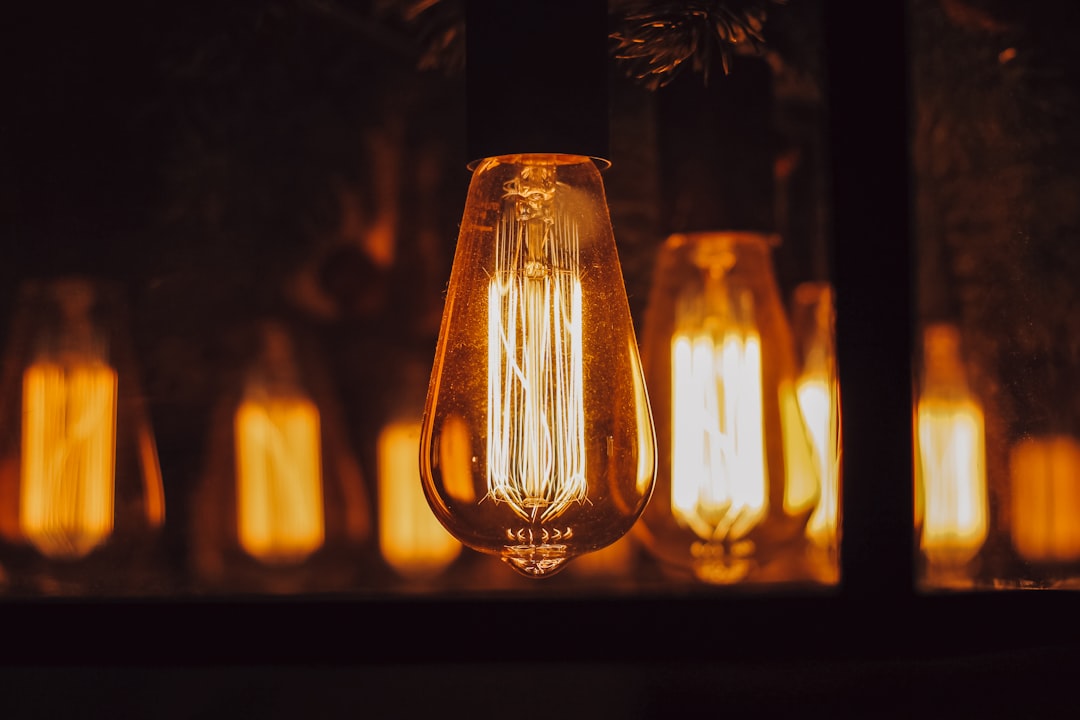
For generations, the incandescent lightbulb reigned supreme, a familiar glowing filament encased in glass. Its simplicity was its strength, but its inefficiency was its Achilles’ heel. These bulbs operated by heating a thin wire until it glowed, a process that generated significantly more heat than light – a stark contrast to the intended purpose. You likely have memories of these bulbs, perhaps the warmth they cast, but also the frequent trips to the store to replace those that had, quite literally, burned out. The lifespan of an incandescent bulb is typically around 1,000 hours, a figure that, when multiplied by the average daily usage in a home, translates to frequent replacements. This constant churn of bulbs becomes a silent drain on your resources, both in terms of purchasing new bulbs and the time spent performing these replacements.
The Era of Incandescence: A Familiar, Yet Flawed, Technology
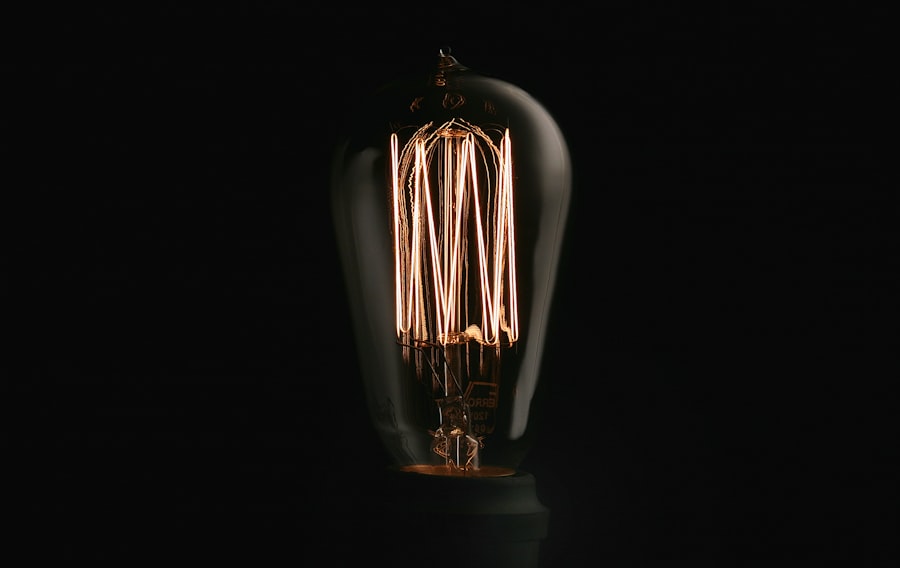
The technology behind incandescent bulbs is remarkably straightforward. An electric current passes through a tungsten filament, causing it to heat up and emit light. This process, however, is inherently inefficient. A significant portion of the electrical energy consumed is converted into heat, rather than visible light. You might have noticed how warm old incandescent bulbs could become, so much so that touching them was often ill-advised. This thermal dissipation represented wasted energy, a constant hum of inefficiency contributing to your electricity bills.
The Advent of Energy-Efficient Alternatives
Recognizing the limitations of incandescence, the lighting industry has seen significant advancements. The drive towards greater energy efficiency has led to the development and widespread adoption of alternative lighting technologies. These technologies aim to achieve the same illumination levels with a fraction of the energy consumption, and crucially, with a substantially longer operational lifespan. You are now presented with a spectrum of choices beyond the traditional incandescent, each with its unique set of characteristics.
If you’re interested in learning more about the benefits and advancements of long-lasting lightbulbs for home use, you might find this article insightful: Hey Did You Know This. It explores various types of energy-efficient lighting options, their impact on both your electricity bill and the environment, and tips on how to choose the right bulbs for your home.
The Superior Longevity of Modern Lighting Technologies
The defining characteristic that elevates certain lightbulbs to the status of “long-lasting” is their extended operational lifespan. This is not a subjective assessment; it is a quantifiable metric that translates directly into tangible benefits for you as a homeowner. Consider the cumulative cost of replacing bulbs over several years. The initial purchase price of a longer-lasting bulb, while potentially higher, becomes a small denominator in the grand equation of its service life.
Halogen Lamps: A Step Up, But Not the Ultimate Solution
Halogen lamps represent an improvement upon traditional incandescent bulbs. They utilize a similar principle but incorporate a halogen gas within the bulb. This gas allows the filament to operate at a higher temperature, thereby increasing efficiency and extending lifespan. You might have encountered halogen bulbs in spotlights or task lighting. While they offer better performance and longevity than standard incandescents, their lifespan of around 2,000 hours still falls considerably short of newer technologies. They are a bridge technology, offering a more durable option but not the pinnacle of longevity.
Compact Fluorescent Lamps (CFLs): The Early Eco-Pioneers
Compact fluorescent lamps (CFLs) were among the first widely marketed energy-efficient alternatives to incandescents. They operate by passing an electric current through a tube containing mercury vapor and a phosphor coating. This process produces ultraviolet light, which then excites the phosphor coating, causing it to emit visible light. You might recognize their distinct spiral or folded tube design. CFLs boast significantly longer lifespans, often ranging from 8,000 to 15,000 hours, and consume considerably less energy. However, their widespread adoption was met with some challenges.
The Benefits and Drawbacks of CFL Technology
The primary advantage of CFLs is their energy efficiency and extended lifespan compared to incandescents. They were a significant step forward in reducing household energy consumption and the frequency of bulb replacements. However, CFLs also present some drawbacks. Their light quality, particularly early models, could be perceived as cooler or harsher than incandescents. Furthermore, they contain small amounts of mercury, necessitating careful disposal and not being suitable for all dimmer switches. Your decision to use CFLs would involve weighing these factors.
Light Emitting Diodes (LEDs): The Current Vanguard
Light Emitting Diodes (LEDs) have emerged as the undisputed champions of long-lasting, energy-efficient lighting. These semiconductor devices emit light when an electric current passes through them. Their efficiency is unparalleled, converting a much higher percentage of electricity into light compared to both incandescents and CFLs. The lifespan of LED bulbs is an order of magnitude greater than their predecessors, often ranging from 25,000 to 50,000 hours, and in some cases, even exceeding 100,000 hours. This translates to decades of use for the average homeowner, effectively freeing you from the chore of frequent bulb changes.
The Unmatched Durability and Efficiency of LEDs
The primary allure of LED bulbs lies in their exceptional longevity. Imagine a lightbulb that, once installed, you may not need to replace for the entire duration of your residency in a home. This is the reality that LEDs offer. Their robust construction, often using solid-state components, also makes them more resistant to vibration and shock than fragile glass bulbs. From an energy consumption standpoint, LEDs are remarkably efficient, consuming up to 85% less energy than incandescent bulbs to produce the same amount of light. This substantial reduction in energy use directly translates into lower electricity bills, a palpable financial benefit that accrues over time.
Economic Advantages: A Long-Term Investment
The economic argument for choosing long-lasting lightbulbs, particularly LEDs, is compelling. While the initial purchase price might seem higher than outdated incandescent options, this is a classic case of “you get what you pay for,” where the initial investment yields significant returns over the product’s lifecycle. You are not simply buying light; you are purchasing a period of reliable, cost-effective illumination.
Reduced Purchase Costs Over Time
Consider the cumulative cost of purchasing incandescent bulbs over a period of, say, 10 years. If you have 20 incandescent bulbs in your home, and they each last an average of 1,000 hours, you might be replacing them several times a year. If each bulb costs $2, the annual cost for replacements alone could be substantial. Now, contrast this with LED bulbs that last 25,000 hours. You might purchase these bulbs once, or at most a few times over that same 10-year period. The initial upfront cost is amortized over a much longer period, ultimately leading to significant savings. You are effectively buying peace of mind and a reduced expenditure on consumables.
Significant Savings on Electricity Bills
Beyond the cost of the bulbs themselves, the energy efficiency of long-lasting lighting solutions offers a continuous stream of savings. As mentioned, LEDs consume a fraction of the energy of incandescent bulbs. This reduction in energy demand directly translates to lower monthly electricity bills. Over the lifespan of the bulbs, these savings can easily outweigh the initial investment in the more advanced technology. You are effectively insulating yourself from rising energy costs by opting for a more efficient lighting infrastructure. Think of it as investing in a well-insulated home; the upfront cost pays dividends in reduced heating and cooling bills.
Lower Maintenance and Replacement Labor
The act of replacing a lightbulb, while seemingly minor, is a recurring task that consumes your time and effort. For hard-to-reach fixtures, such as high ceilings or outdoor lights, this can be an even more arduous undertaking. Long-lasting bulbs significantly reduce the frequency of these replacements, freeing up your time for more enjoyable or productive activities. You are essentially outsourcing the chore of bulb replacement to the technology itself.
Environmental Benefits: A Sustainable Choice
In an era of increasing environmental awareness, the choices you make as a consumer have a ripple effect on the planet. Opting for long-lasting, energy-efficient lightbulbs is a tangible way to reduce your environmental footprint. You are not just making a smart financial decision; you are making a responsible one.
Reduced Energy Consumption and Greenhouse Gas Emissions
The primary environmental benefit of long-lasting lighting, especially LEDs, stems from their reduced energy consumption. Lower energy demand means less reliance on fossil fuels for electricity generation, which in turn leads to a significant reduction in greenhouse gas emissions. By illuminating your home with energy-efficient bulbs, you are directly contributing to the fight against climate change. It’s a silent, yet powerful, act of environmental stewardship happening within your own home.
Less Waste from Discarded Bulbs
The lifespan of incandescent bulbs means they are frequently discarded, contributing to landfill waste. Even CFLs, while lasting longer, eventually reach the end of their life and require disposal. Long-lasting LEDs dramatically reduce the frequency of bulb disposal. Imagine the sheer volume of discarded bulbs over a decade or more; the reduction in waste generated by choosing LEDs is substantial. You are contributing to a more circular economy by choosing products that are designed for longevity.
Avoiding Hazardous Materials
While CFLs have been largely superseded by LEDs, it’s worth noting that early concerns about their mercury content highlighted the importance of considering material composition. LEDs, by contrast, do not contain mercury or other hazardous materials, making them a safer and more environmentally benign option for home use. Your decision to embrace LED technology means you are avoiding the potential environmental risks associated with other lighting types.
If you’re considering upgrading your home lighting, you might want to explore the benefits of long-lasting lightbulbs, which not only save energy but also reduce the frequency of replacements. A great resource for understanding the advantages of these bulbs can be found in a related article that discusses various types and their impact on your energy bills. For more information, you can read the article here.
Applications and Versatility in Modern Homes
| Lightbulb Type | Average Lifespan (hours) | Energy Consumption (watts) | Luminous Output (lumens) | Color Temperature (Kelvin) | Typical Use |
|---|---|---|---|---|---|
| LED | 25,000 – 50,000 | 6 – 15 | 450 – 1600 | 2700 – 6500 | General home lighting |
| CFL (Compact Fluorescent Lamp) | 8,000 – 15,000 | 9 – 23 | 450 – 1600 | 2700 – 6500 | General home lighting |
| Halogen | 2,000 – 4,000 | 28 – 72 | 400 – 1600 | 2800 – 3200 | Accent and task lighting |
| Incandescent | 750 – 2,000 | 40 – 100 | 450 – 1600 | 2700 – 3000 | General home lighting (less common) |
The evolution of long-lasting lighting technologies has not only improved their efficiency and lifespan but also their versatility and aesthetic appeal. You are no longer limited to a single type of bulb for every application. Modern options offer a range of color temperatures and form factors to suit every room and mood in your home.
Task Lighting: Precision and Clarity
For areas requiring focused illumination, such as kitchens, home offices, or reading nooks, long-lasting LED bulbs are ideal. Their consistent brightness and ability to render colors accurately ensure that you can perform tasks with precision and clarity. You can find LEDs designed for specific task lighting needs, offering directional light without a significant heat output. The longevity means you won’t be constantly interrupted by the need to replace a bulb in your workspace.
Ambient Lighting: Creating Atmosphere
Long-lasting bulbs, particularly those with dimmable capabilities, are excellent for creating ambient lighting. You can adjust the brightness to set the mood for different occasions, from a cozy evening in to entertaining guests. The warm, inviting light that many LEDs can produce mimics the familiar glow of incandescent bulbs, but with vastly superior efficiency and lifespan. You have the power to shape the atmosphere of your home with a flick of a switch, without the worry of frequent bulb changes.
Smart Home Integration and Control
The advent of smart home technology has further enhanced the appeal of long-lasting lighting, especially LEDs. Many LED bulbs are now designed to be “smart,” allowing you to control them remotely via your smartphone or voice commands. You can schedule lights to turn on and off, adjust brightness and color settings, and even create custom lighting scenes. This integration of long-lasting, energy-efficient technology with smart home capabilities offers unparalleled convenience and control over your home environment. You can orchestrate your home’s illumination to suit your lifestyle.
Choosing the Right Long-Lasting Bulbs for Your Home
Navigating the plethora of options when choosing long-lasting lightbulbs can seem daunting, but by understanding a few key factors, you can make informed decisions that benefit both your wallet and the environment. Your goal is to find bulbs that provide excellent light quality, exceptional longevity, and are suited to the specific needs of each room.
Understanding Lumens, Wattage, and Color Temperature
When you are looking at packaging, you will encounter terms like lumens, wattage, and color temperature. Lumens measure the brightness of the bulb, not its energy consumption. Wattage, on the other hand, indicates how much energy the bulb consumes. Long-lasting bulbs will have a lower wattage for the same lumen output as older technologies. Color temperature, measured in Kelvin (K), describes the shade of white light. A lower Kelvin number (e.g., 2700K) indicates a warmer, more yellow light, similar to incandescent bulbs, while a higher Kelvin number (e.g., 5000K) produces a cooler, bluer light, often preferred for task lighting. You will want to match the color temperature to the intended use of the room.
Dimmability and Wattage Equivalencies
Not all long-lasting bulbs are dimmable, so if this is a feature you require, you must specifically look for dimmable models. Additionally, you will often see wattage equivalencies on packaging, indicating how a newer bulb’s brightness compares to a traditional incandescent bulb. For example, an 8-watt LED might be advertised as equivalent to a 60-watt incandescent. This helps you translate your familiar understanding of brightness into the new energy-efficient options.
Brand Reputation and Warranties
As with any product, the reputation of the manufacturer and the warranty offered can be important indicators of quality. Reputable brands often stand behind their products with longer warranties, providing you with an extra layer of assurance. You are investing in a long-term solution, and a solid warranty can offer peace of mind should any issues arise. You are not just buying a bulb; you are entrusting your home’s illumination to a product that should perform reliably for many years.
In conclusion, when you consider efficiency, longevity, economic benefits, and environmental responsibility, long-lasting lightbulbs, particularly LEDs, emerge as the unequivocally superior choice for home use. They are not a fleeting trend but a fundamental shift in how we illuminate our living spaces, offering a future where light is both dependable and sustainable. By making the switch, you are not just upgrading a component of your home; you are embracing a smarter, more cost-effective, and environmentally conscious way of living.
FAQs
What types of lightbulbs are considered long lasting for home use?
Long lasting lightbulbs for home use typically include LED (Light Emitting Diode) bulbs and CFL (Compact Fluorescent Lamp) bulbs. LEDs are known for their exceptionally long lifespan, often lasting up to 25,000 hours or more, while CFLs generally last around 8,000 to 10,000 hours.
How do long lasting lightbulbs save energy compared to traditional bulbs?
Long lasting lightbulbs, especially LEDs, use significantly less energy than traditional incandescent bulbs. LEDs convert a higher percentage of electricity into light rather than heat, making them more energy-efficient and cost-effective over time.
Are long lasting lightbulbs more expensive upfront?
Yes, long lasting lightbulbs such as LEDs usually have a higher initial purchase price compared to incandescent bulbs. However, their extended lifespan and lower energy consumption typically result in cost savings over the bulb’s lifetime.
Can long lasting lightbulbs be used in all home fixtures?
Most long lasting lightbulbs, particularly LEDs, are compatible with a wide range of home fixtures. However, it is important to check the bulb’s size, base type, and dimming compatibility to ensure proper fit and function in specific fixtures.
Do long lasting lightbulbs provide the same quality of light as traditional bulbs?
Yes, modern long lasting lightbulbs, especially LEDs, are available in various color temperatures and brightness levels that can closely mimic the warm light of traditional incandescent bulbs, providing comfortable and effective lighting for home use.