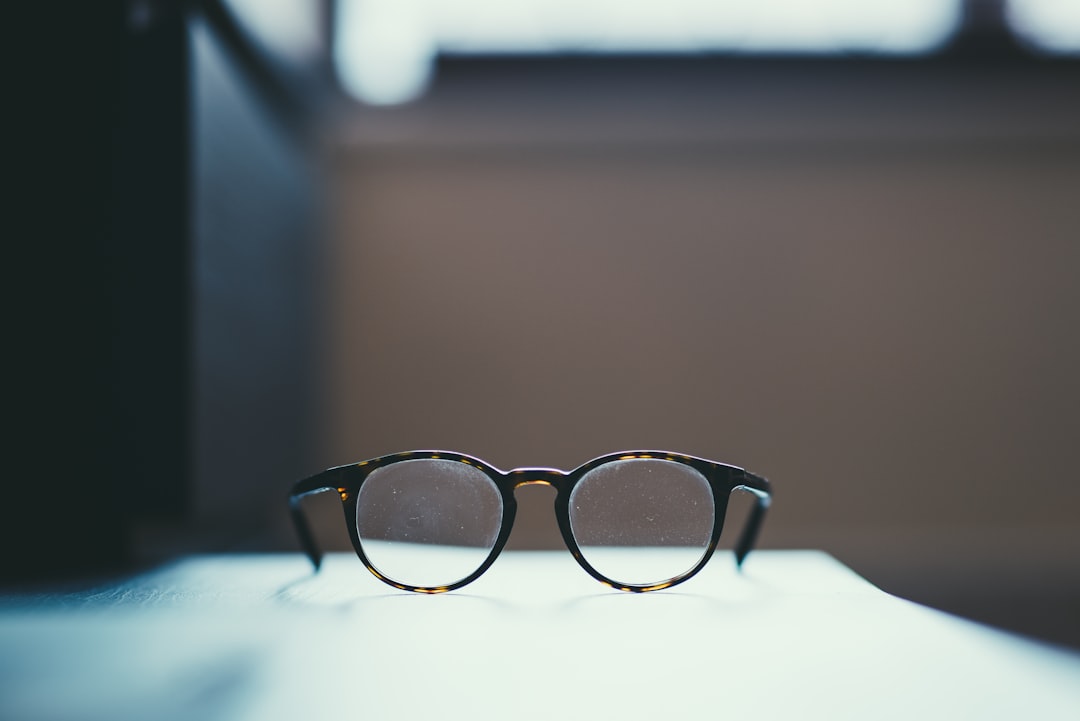
Your eyeglasses are an investment, a tool that enhances your vision and often your appearance. To ensure they continue to serve you effectively and look good for as long as possible, diligent maintenance is crucial. This isn’t about treating them as fragile heirlooms, but rather about adopting sensible habits that prevent unnecessary wear and tear. By understanding the materials your glasses are made from and the potential culprits of damage, you can significantly prolong their lifespan. This guide will walk you through the essential practices to keep your spectacles in optimal condition, from daily cleaning to more involved care.
Before delving into specific maintenance routines, it’s beneficial to understand what your glasses are actually made of. Different materials necessitate slightly different approaches to care, and knowing these distinctions can help you avoid inadvertently damaging them.
Lens Materials and Their Properties
The lenses are the most critical component for your vision, and their surfaces are often the most susceptible to damage.
Plastic Lenses (CR-39, Polycarbonate, Trivex)
- CR-39: A common and cost-effective material, CR-39 lenses are generally scratch-resistant, but not scratch-proof. They offer good optical clarity.
- Polycarbonate: Significantly more impact-resistant than CR-39, making them ideal for children’s glasses, sports eyewear, and individuals prone to accidents. However, they are generally softer and more prone to scratching. Most polycarbonate lenses come with an anti-scratch coating, which is vital for their durability.
- Trivex: A newer material that combines the impact resistance of polycarbonate with better optical clarity and lighter weight. Like polycarbonate, they rely on coatings for scratch resistance.
High-Index Lenses
These lenses are thinner and lighter than their counterparts, particularly for stronger prescriptions. While offering aesthetic benefits, their thinness can sometimes make them more susceptible to bending or breaking if not handled with care. They also typically come with various coatings, including anti-scratch.
Glass Lenses
Historically the standard, glass lenses offer superior scratch resistance compared to most plastics. However, they are heavier, more prone to shattering upon impact, and less common in modern eyewear. If you have glass lenses, you’ll find they are quite robust against everyday scratches but require caution around significant force.
Frame Materials and Their Strengths
The frames hold your lenses and rest on your face, and their material dictates their durability, flexibility, and aesthetic.
Metal Frames (Titanium, Stainless Steel, Monel, Aluminum)
- Titanium: Lightweight, strong, and corrosion-resistant, titanium is an excellent choice for durability and comfort. It’s also hypoallergenic, making it suitable for sensitive skin.
- Stainless Steel: Durable and relatively strong, stainless steel frames are a good balance of cost and longevity. They can be prone to tarnishing over time if exposed to excessive moisture or certain chemicals.
- Monel: A common alloy used in eyeglasses, monel is malleable, allowing for easy adjustments. However, it can corrode over time and may cause skin reactions in some individuals. It often has a protective coating.
- Aluminum: Lightweight and corrosion-resistant, aluminum frames are a good option for those seeking flexibility. They can be more prone to bending than some other metals.
Plastic/Acetate Frames (Cellulose Acetate, Zyl)
These frames are known for their wide range of colors and patterns. They are generally robust and hold their shape well. However, they can become brittle in extreme heat or cold and may absorb oils and lotions, which can affect their appearance over time.
To ensure your glasses last for years, it’s essential to follow some simple maintenance tips. Regular cleaning with a microfiber cloth, proper storage in a case, and avoiding exposure to extreme temperatures can significantly extend the lifespan of your eyewear. For more detailed advice on maintaining your glasses, you can check out this informative article on the subject: How to Maintain Your Glasses for Years.
Daily Cleaning: The Foundation of Longevity
Your eyeglasses encounter a variety of elements daily, from dust and fingerprints to skin oils and makeup. Regular, proper cleaning is the single most effective way to maintain both the clarity of your vision and the integrity of your lenses and frames.
The Correct Cleaning Method
Many people resort to using their shirt hem or a tissue to clean their glasses, but this can be detrimental. These materials can contain abrasive particles that scratch lenses, especially those with delicate coatings.
Step-by-Step Cleaning Procedure
- Rinse with Lukewarm Water: Begin by thoroughly rinsing your lenses under a stream of lukewarm water. This removes loose debris, dust, and grit that could scratch the lenses during the cleaning process. Avoid using hot or cold water, as extreme temperatures can potentially damage lens coatings or even the frame itself.
- Apply a Gentle Soap: Dispense a small amount of mild, non-abrasive liquid dish soap onto your fingertips. Ensure the soap is free from lotions, moisturizers, or harsh chemicals. These additives can leave a residue or damage coatings. Gently rub the soap onto both sides of the lenses and the frame.
- Clean the Frame: Pay attention to the nooks and crannies of the frame, including the nose pads and temple tips where oils and dirt tend to accumulate. Use your fingers to work the soap into these areas.
- Rinse Thoroughly: Rinse the glasses again under lukewarm water until all traces of soap are gone.
- Dry with a Microfiber Cloth: Use a clean, soft, lint-free microfiber cloth to gently dry your lenses and frame. Pat the lenses dry rather than rubbing vigorously. A dedicated eyeglass microfiber cloth is best, as they are specifically designed to be non-abrasive and highly absorbent. Avoid paper towels, tissues, or regular cloths, as they can scratch the lenses.
- Inspect for Remaining Smudges: Hold your glasses up to the light to check for any remaining smudges or water spots. If any persist, repeat the process with soap and water, or use a specialized eyeglass cleaning spray.
What to Avoid During Cleaning
Certain common cleaning agents and methods can cause irreparable damage to your lenses and frames.
Harsh Chemicals and Abrasives
- Household Cleaners: Never use window cleaner, ammonia-based products, bleach, or any general household cleaning spray on your eyeglasses. These chemicals can strip delicate lens coatings (like anti-reflective or UV protection) and can cause clouding or discoloration.
- Alcohol: While often recommended for disinfecting, isopropyl alcohol, especially in higher concentrations, can damage certain lens coatings and plastic frames. It’s best to avoid using it as a regular cleaning agent.
- Acetone: Found in nail polish remover, acetone is highly corrosive and will dissolve or damage many frame materials and lens coatings.
- Abrasive Cloths or Paper Products: As mentioned, paper towels, facial tissues, and rough fabrics can leave micro-scratches on your lenses that accumulate over time, degrading your vision and the appearance of your glasses.
Safe Storage: Protecting Your Eyewear When Not in Use
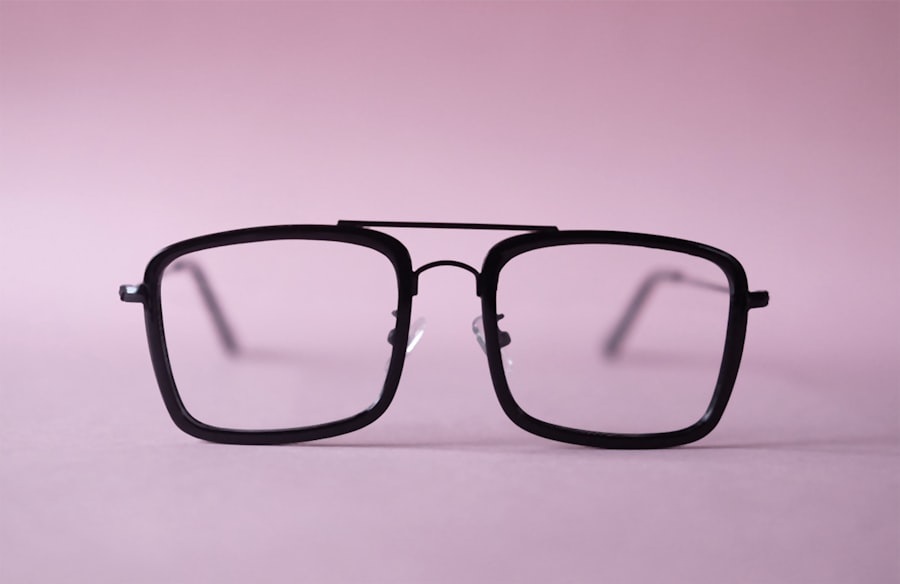
When you’re not wearing your glasses, their safety depends on where and how you store them. Improper storage is a leading cause of scratches, bends, and breaks.
The Importance of a Protective Case
A good quality, hard-shell case is your first line of defense against damage when your glasses are not being worn.
Choosing the Right Case
- Hard-Shell Protection: Opt for a case that is rigid enough to prevent your glasses from being crushed or bent when placed in a bag or on a surface. The interior should be lined with a soft material to prevent scratching the lenses or frames.
- Snug Fit: Ensure the case provides a snug fit for your glasses without being so tight that it requires excessive force to insert or remove them. A case that’s too large can allow the glasses to move around inside and get damaged.
- Cleanliness: Keep the interior of your glasses case clean. Introducing dust or grit into the case can lead to scratches when you put your glasses away.
Strategic Placement: Where to (and Not to) Put Your Glasses
Beyond using a case, your habits when you do need to set your glasses down can have a significant impact.
Safe Havens for Your Eyewear
- On a Flat, Stable Surface: When you need to temporarily remove your glasses, place them on a clean, flat, and stable surface. Ensure they are positioned so they won’t be easily knocked off.
- Never Lenses-Down: Always place your glasses lenses-up or frame-down to avoid direct contact between the lenses and the surface, which is a common cause of scratches.
- Away from Heat and Impact: Avoid leaving your glasses in direct sunlight, on car dashboards, or near heat sources like radiators. Excessive heat can warp plastic frames and damage lens coatings. Keep them away from areas where they could be easily stepped on, sat on, or come into contact with falling objects.
Areas to Strictly Avoid
- In Your Pocket: Unless your glasses are in a protective case, avoid putting them in your pocket, especially with keys, coins, or other hard objects that can scratch or bend them.
- On Your Head: While a common habit, wearing glasses on top of your head can stretch the frames over time, leading to a loose fit. It also makes them more prone to falling off and incurring damage.
- Near Liquids or Chemicals: Do not place your glasses near spills, sprays, or open containers of chemicals, as these can damage the materials.
Handling and Wearing: Everyday Habits That Make a Difference
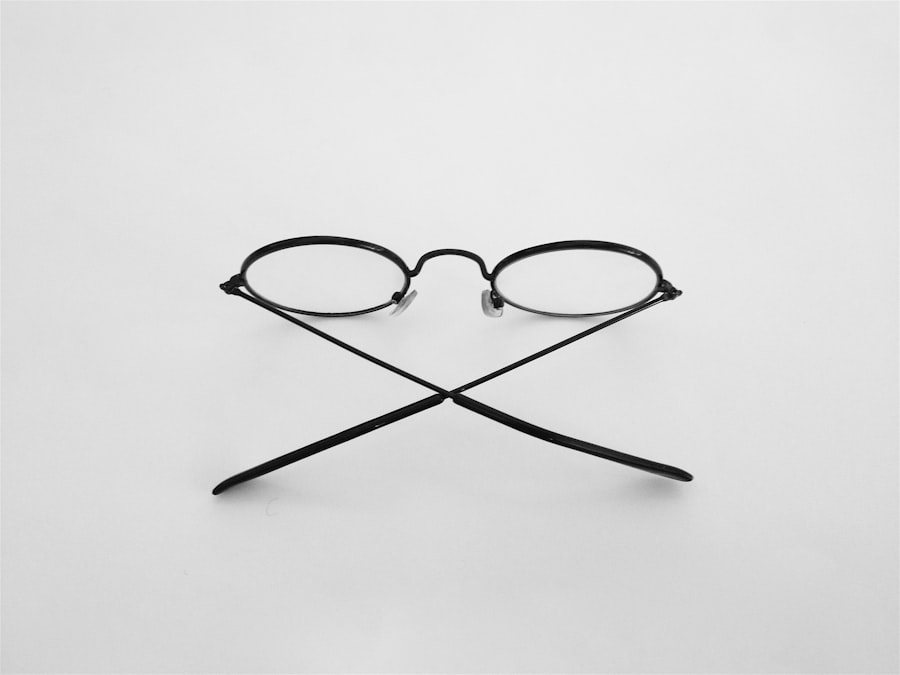
The way you handle your glasses on a daily basis, from putting them on and taking them off to adjusting them, can contribute to their longevity.
Proper Techniques for Wearing and Removing
It might seem intuitive, but developing precise habits for these simple actions can prevent stress on the frames.
The Two-Handed Approach
- Putting Them On: Always use both hands to gently place your glasses on your face, gripping the temples. This ensures even pressure distribution and prevents unnecessary stress on the hinges and frame arms.
- Taking Them Off: Similarly, use both hands to remove your glasses, again gripping the temples. Avoid pulling them off by just one side, as this can twist and weaken the frame over time, leading to a crooked fit.
Adjustments and Fit
Over time, your glasses might loosen or feel uncomfortable. Knowing how to address this can prevent further issues.
Minor Adjustments
- Nose Pads: If your glasses feel like they are slipping down your nose, the nose pads may need adjustment. For many modern glasses with silicone or plastic nose pads, these can often be gently squeezed closer together by an optician to improve the fit. For metal frames with adjustable nose pads, these can be carefully bent by a professional. Do not attempt to force significant bending yourself, as this can break the metal.
- Temple Tips: If the temple arms feel too loose or too tight behind your ears, an optician can often adjust the curve of the temple tips. They have specialized tools and techniques to do this without damaging the material.
When to Seek Professional Help
- Significant Bending or Warping: If your frames are significantly bent, warped, or out of alignment, it’s best to take them to an optician. They have the expertise and tools to properly straighten frames without causing further damage.
- Loose Screws or Hinges: If you notice a screw is loose in the hinge of your frames, it can cause the arm to become wobbly. Many opticians can tighten these for you quickly and effectively. Do not try to tighten them yourself with just any tool, as you could strip the thread or damage the hinge.
- Damaged Nose Pads: If nose pads are cracked, discolored, or missing, an optician can usually replace them with new ones.
To ensure your glasses last for years, it is essential to adopt proper maintenance habits. Regular cleaning with a microfiber cloth and avoiding harsh chemicals can significantly extend their lifespan. Additionally, storing your glasses in a protective case when not in use helps prevent scratches and damage. For more tips on caring for your eyewear, you can check out this informative article on maintaining your glasses. By following these guidelines, you can keep your glasses in excellent condition and enjoy clear vision for a long time.
Advanced Maintenance and Repair: Preserving Your Investment
| Tip | Description |
|---|---|
| Keep them clean | Regularly clean your glasses with a microfiber cloth to remove dirt and oil. |
| Store them properly | When not in use, store your glasses in a hard case to protect them from damage. |
| Avoid hot temperatures | Avoid leaving your glasses in hot environments, as it can damage the frames and lenses. |
| Adjust carefully | If your glasses feel loose or tight, have them adjusted by a professional to prevent damage. |
| Handle with care | Avoid bending or twisting your glasses, and always use both hands when putting them on or taking them off. |
While daily care and proper handling are paramount, there are occasions when more involved maintenance or minor repairs might be necessary.
Dealing with Scratches and Coatings
Scratches are an almost inevitable part of eyewear ownership, but their impact can be minimized.
The Reality of Lens Scratches
- Minor Scratches: Very superficial scratches on plastic lenses might be less noticeable with time, but they are still present and can catch light, affecting clarity.
- Coating Damage: The most significant damage often occurs to the coatings on your lenses. If your anti-reflective coating is peeling or scratched, it cannot be repaired. The lens will need to be replaced.
- DIY Repair Myths: Be wary of “scratch repair kits” or home remedies. Many of these are ineffective or can even worsen the problem by damaging the remaining coatings or the lens material itself. For significant scratches or damage to coatings, replacement of the lens is usually the only viable solution.
Frame Maintenance and Repair
Beyond adjustments, frames can sometimes experience minor damage that can be addressed.
Replacing Damaged Parts
- Screws: As mentioned, loose or lost screws can often be replaced by an optician. They carry a variety of screw sizes and types to match most frames.
- Nose Pads: If your nose pads are worn out, stained, or damaged, they can typically be replaced. Ensure you get the correct type of nose pads that match your frame material and style.
- Hinges: While damaged hinges are more complex, sometimes minor repairs or replacements are possible by an optician, depending on the frame design.
Professional Refurbishment
Some optical shops offer frame refurbishment services. This can involve polishing plastic frames to restore their luster, cleaning metal frames, and replacing worn-out components. This can be a cost-effective way to breathe new life into older, but still functional, eyewear.
Regular Professional Check-ups: The Unsung Hero of Eyewear Care
Much like your car or your dental hygiene, your eyeglasses benefit immensely from periodic professional attention. Your optician is your partner in maintaining the optimal performance and longevity of your eyewear.
The Optician’s Role in Eyewear Longevity
Your optician is trained to identify and address issues that you might overlook or be unable to fix yourself.
Scheduled Inspections
- Fit and Alignment: Even if your glasses still feel generally comfortable, repeated on-and-off adjustments can lead to subtle misalignment that affects how your prescription is delivered. An optician can check the pitch, pantoscopic tilt, and overall alignment of your frames to ensure they are sitting correctly on your face.
- Lens Condition: They can assess the condition of your lenses, looking for micro-scratches, coating damage, or any signs of delamination that might not be immediately apparent to you.
- Frame Integrity: They can identify any signs of stress, corrosion, or potential weak points in the frame that could lead to breakage.
Minor Repairs and Adjustments
- Precise Adjustments: Opticians possess specialized tools for precise adjustments, ensuring your glasses fit perfectly without putting undue stress on the frame or your face.
- Screw Tightening and Replacement: They can quickly and accurately tighten loose screws or replace missing ones.
- Nose Pad Replacement: They can professionally replace worn or damaged nose pads with the correct type.
When to Visit Your Optician
- Every 6-12 Months: Even if you haven’t noticed any specific problems, a regular check-up every six months to a year is recommended. This allows your optician to catch potential issues early.
- When You Notice Changes: If you experience any changes in comfort, vision clarity, or notice any visible damage to your frames or lenses, schedule a visit promptly.
- After an Incident: If your glasses have been dropped, sat on, or subjected to any impact, it’s wise to have them inspected by an optician, even if they appear outwardly undamaged.
By implementing these essential maintenance tips, you’re not just preserving the appearance of your glasses; you’re ensuring that they continue to provide you with clear, comfortable, and reliable vision. Treating your eyewear with consistent care is an investment that pays dividends in the long run, keeping your vision sharp and your style intact.
FAQs
1. How often should I clean my glasses?
It is recommended to clean your glasses daily with a microfiber cloth to remove any dirt, oil, or smudges.
2. What is the best way to store my glasses when not in use?
When not in use, it is best to store your glasses in a hard case to protect them from scratches, dust, and other damage.
3. How can I prevent my glasses from getting scratched?
To prevent scratches, avoid placing your glasses lens-side down on any surface and always use a proper cleaning cloth to remove any debris before wiping the lenses.
4. How should I adjust my glasses if they feel loose or uncomfortable?
If your glasses feel loose or uncomfortable, visit an optician to have them adjusted properly. Do not attempt to adjust them yourself as it may cause damage.
5. What should I do if my glasses break or become damaged?
If your glasses break or become damaged, it is best to take them to a professional optician for repair. Do not attempt to fix them yourself as it may further damage the glasses.