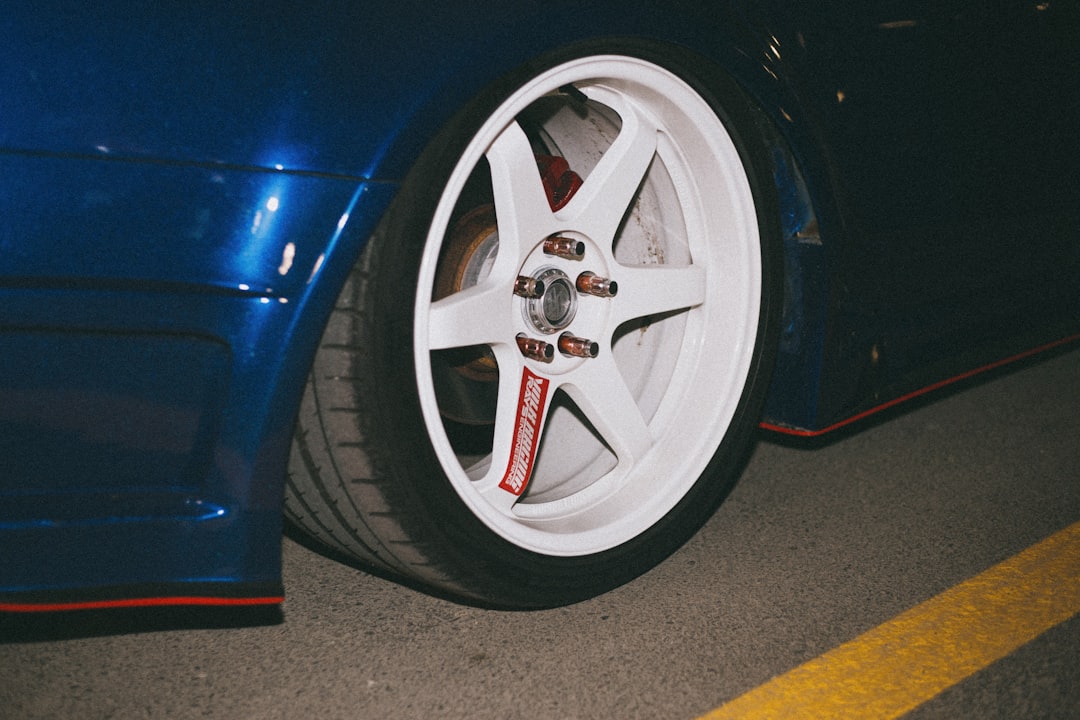
You’re looking to eke out every last tenth of a second, to shave off milliseconds, and perhaps even improve the responsiveness of your vehicle. You’ve considered a lighter exhaust, a performance intake, maybe even some sticky tires. But have you adequately considered the unsung hero of performance enhancement: lighter wheels? They go beyond mere aesthetics, impacting your vehicle’s dynamics in ways you might not fully appreciate. And one of the most significant, yet often overlooked, benefits is the reduction of tire scrub.
The Rotating Mass Dilemma
Think about what’s constantly spinning when your vehicle is in motion. Beyond the engine’s internal components and the drivetrain, you have the wheels and tires. This rotating mass requires energy to accelerate and decelerate. The heavier this mass, the more energy is needed to overcome its inertia. This is where the concept of “unsprung weight” comes into play. While critically important, un-sprung weight refers to the mass not supported by the suspension (wheels, tires, brakes, hubs). Lighter wheels directly contribute to reducing this unsprung mass, which has profound implications for handling and ride quality.
However, we’re focusing specifically on the rotating mass effect of the wheels and tires themselves. When you accelerate, you’re fighting the rotational inertia of everything that turns. When you brake, you’re trying to slow down that same rotational inertia. The less mass you have to spin up or slow down, the more efficiently your engine’s power can be translated into forward motion, and the more effectively your brakes can bring you to a halt.
Understanding Rotational Inertia
Rotational inertia isn’t just about mass; it’s also about how that mass is distributed. A heavier object with its mass concentrated closer to the axis of rotation will have less rotational inertia than an object of equal mass with its mass distributed further away. This is why a figure skater spins faster when they pull their arms in.
For wheels, this means that not only the overall weight matters, but also where that weight is located. A heavy rim edge will have a greater negative impact on rotational inertia than the same weight added closer to the hub. This is why modern performance wheel designs often feature intricate spoke patterns that distribute material strategically to minimize weight while maintaining structural integrity, and importantly, keep that weight as close to the center as possible.
The Ponderous Power Drain
Consider a simple analogy. Imagine trying to spin a heavy flywheel versus a light one. The flywheel requires significant effort and time to get up to speed. Once spinning, it has momentum. However, to change its speed, you need to apply an equal and opposite force. Your engine is essentially trying to “spin up” the rotating mass of your wheels with every input of the accelerator pedal. More rotational inertia means more of your engine’s power is being absorbed by the act of making the wheels turn, rather than propelling the car forward. This translates directly to slower acceleration and reduced responsiveness.
In the pursuit of enhancing vehicle performance, lighter wheels have become a popular topic among automotive enthusiasts, particularly for their ability to reduce tire scrub and improve handling. A related article that delves deeper into this subject can be found at this link, where the benefits of lightweight wheels are explored in detail, highlighting how they contribute to better fuel efficiency and overall driving dynamics.
What is Tire Scrub?
Before diving into how lighter wheels reduce tire scrub, it’s crucial to define the term itself. Tire scrub, in this context, refers to the frictional forces that act on the tire as it rolls, particularly during cornering and acceleration/deceleration. It’s the resistance the tire encounters as it tries to maintain its intended path on the road surface. Think of it as the tire “dragging” or “scrubbing” against the asphalt.
The Physics of Tire Contact
When your tire meets the road, there’s a complex interplay of forces. Grip is generated through friction. However, any deviation from a perfectly rolling motion, especially under load, introduces additional frictional forces. These forces can be categorized into a few key areas:
- Rolling Resistance: This is the inherent resistance a tire encounters due to its deformation as it rolls. It’s influenced by tire pressure, tread pattern, and tire construction.
- Slip Angle: In a corner, the tire doesn’t roll perfectly perpendicular to its direction of travel. There’s a small angle between the direction the wheel is pointing and the actual direction of motion of the tire’s contact patch. This angle, the slip angle, generates lateral forces that allow you to steer, but it also creates significant scrub.
- Traction Forces: During acceleration and braking, longitudinal forces are applied to the tire. If these forces are at their maximum, there’s still a degree of slip occurring at the microscopic level within the contact patch, even if the wheel isn’t visibly spinning or locking up.
Scrub as a Performance Inhibitor
Tire scrub is, by its nature, a dissipative force. It converts energy into heat, which is then lost to the environment. This energy loss manifests as reduced acceleration, compromised braking efficiency, and increased tire wear. The more your tires are scrubbing, the harder your vehicle has to work, and the less effective its performance capabilities become.
The Unseen Burden: Heavy Wheels and Induced Scrub
Now, let’s connect the dots between heavier wheels and the increased tire scrub they can induce. While tire scrub is primarily a function of tire design, pressure, and the forces acting upon it, the characteristics of the wheel itself can indirectly influence these forces.
Rotational Inertia’s Friction Amplification
The most significant way heavier wheels contribute to increased tire scrub is through their amplified rotational inertia. When you demand rapid changes in direction, acceleration, or deceleration, the inertia of those heavy wheels resists those changes.
- Cornering: During cornering, the tire experiences lateral forces. A heavier wheel, with its greater rotational inertia, will resist changes in its rotational velocity more strongly. This means that as you initiate a turn, the tire contact patch has to work harder to overcome the wheel’s inertia and align with the new direction of travel. This increased effort translates to more pronounced slip angles and, consequently, greater tire scrub. The tire is essentially fighting to change its rotational state while also trying to generate the lateral forces needed to corner.
- Acceleration: When you accelerate hard, your engine is putting torque into the drivetrain, which ultimately spins the wheels. A heavier wheel requires more torque to achieve the same rate of acceleration. This means that for a given engine output, a lighter wheel will spin up faster, requiring less of the tire’s grip to be dedicated to overcoming rotational inertia. In essence, more of the tire’s available traction can be used for forward propulsion, and less is “wasted” on fighting the wheel’s sluggishness. This reduction in the effort needed to spin the wheels can indirectly reduce the forces that lead to tire scrub.
- Braking: Conversely, during braking, the rotational inertia of heavy wheels acts as a force that resists deceleration. Your brakes have to work harder not only to dissipate the car’s kinetic energy but also to overcome the momentum of those spinning, heavy wheels. This increased braking load can lead to more pronounced slip at the contact patch, resulting in increased scrub as the tire attempts to shed that rotational energy.
The Gyroscopic Effect
While perhaps less impactful than rotational inertia in everyday driving, the gyroscopic effect of spinning wheels can also play a role, especially at higher speeds. A heavier wheel, with its greater mass further from the axis of rotation, will exhibit a stronger gyroscopic effect. This effect resists changes in the wheel’s orientation. In the context of handling, this means that when you steer, the gyroscopic forces of heavier wheels will try to maintain the wheel’s current orientation, creating a subtle counter-force that can require more effort from the tire to overcome, contributing to scrub.
How Lighter Wheels Mitigate Tire Scrub
The primary mechanism by which lighter wheels reduce tire scrub is by lessening the burden placed upon the tires due to rotational inertia. When you reduce the mass of the wheels and tires, you directly decrease their rotational inertia.
Reduced Inertial Resistance
- Quicker Response to Steering Inputs: In a corner, a lighter wheel has less rotational inertia to overcome. This means that as you input steering, the wheel can change its rotational velocity more readily to align with the new direction. This leads to smaller slip angles being generated for a given steering input, thus reducing tire scrub. The tire isn’t fighting as hard against the wheel’s momentum to achieve the desired cornering attitude.
- More Efficient Power Transfer: During acceleration, less engine power is absorbed by the rotational inertia of lighter wheels. This means more power is available to propel the vehicle forward. As the wheels spin up more easily, the forces required to do so are minimized. This can indirectly reduce the tendency for the tire to slip under acceleration, thereby decreasing scrub.
- Enhanced Braking Performance: When braking, lighter wheels decelerate more quickly due to their reduced rotational inertia. This allows the brakes to focus more effectively on slowing the vehicle’s forward momentum. The wheels are less inclined to continue spinning at their previous velocity, leading to a more controlled deceleration and reduced slip at the contact patch, minimizing scrub.
Improved Tire Contact Patch Dynamics
The reduction in forces acting on the tire due to lighter wheels has a direct benefit on the tire’s contact patch with the road.
- Minimizing Slip Angle: By allowing the wheel to respond more readily to changes in direction, lighter wheels help to keep the slip angle of the tire to a minimum. A smaller slip angle means the tire is tracking closer to the direction the wheel is pointed, resulting in less lateral scrubbing.
- Allowing for More Grip Allocation: With less of the tire’s available grip being consumed by overcoming rotational inertia, more grip is available for the primary tasks: generating lateral forces for cornering and longitudinal forces for acceleration and braking. This more efficient allocation of grip leads to less “wasted” energy through tire scrub.
In the pursuit of enhancing vehicle performance, lighter wheels can significantly contribute to reduced tire scrub, which ultimately improves handling and fuel efficiency. For those interested in exploring this topic further, a related article discusses various benefits of lightweight wheels and their impact on driving dynamics. You can read more about it in this informative piece on Hey Did You Know This. By understanding the advantages of lighter wheels, drivers can make more informed choices that lead to a better overall driving experience.
Beyond Scrub: The Holistic Benefits of Lighter Wheels
While the reduction of tire scrub is a significant performance advantage you gain from lighter wheels, it’s important to recognize that the benefits extend far beyond this single aspect. These improvements work in concert to enhance your driving experience.
Enhanced Acceleration and Deceleration
As previously discussed, the reduction in rotational inertia directly translates to quicker acceleration. Your vehicle will feel more sprightly off the line and more responsive when you demand acceleration mid-corner or during overtakes. Similarly, braking distances can be reduced because the wheels require less effort to slow their rotation. This is a tangible performance gain that drivers can feel and appreciate.
Improved Handling and Responsiveness
The reduction in unsprung weight that comes with lighter wheels is a critical factor in improving handling. Lighter wheels allow your suspension to react more quickly to road imperfections, keeping the tires in better contact with the surface. This leads to improved grip, particularly over uneven terrain. Combined with the reduced tire scrub, which keeps the tires more efficiently oriented, the result is a more precise and responsive steering feel. Your car will feel more agile, planted, and predictable when you push its limits.
Suspension Efficiency
When your wheels are lighter, your suspension has less mass to control. This means that the shocks and springs can do their job more effectively, absorbing bumps and keeping the tires pressed firmly against the road. This improved suspension action contributes to better traction and a more stable ride, especially during dynamic driving maneuvers.
Steering Precision
The synergy between reduced unsprung weight and minimized tire scrub creates a noticeable improvement in steering precision. You’ll feel a more direct connection to the road, with less vagueness or delay in the steering’s response. This translates to greater confidence and control when navigating challenging driving situations.
Reduced Fuel Consumption
While perhaps not the primary motivator for performance-oriented drivers, lighter wheels can also contribute to improved fuel economy. Less energy is wasted overcoming rotational inertia during acceleration, and the overall reduced load on the drivetrain can lead to a marginal improvement in fuel consumption. Over time, this can add up to noticeable savings.
Reduced Wear and Tear
By reducing the forces that induce tire scrub, lighter wheels can also contribute to longer tire life. Less aggressive scrubbing means less heat buildup and less physical abrasion of the tire’s tread. Furthermore, the reduced stress on drivetrain components as they work to overcome less rotational inertia can also contribute to their longevity.
Choosing the Right Wheels: Considerations Beyond Weight
While weight is a paramount factor, it’s not the only consideration when selecting lighter wheels for performance gains.
Material and Construction
Wheels can be manufactured from various materials, each with its own characteristics:
- Cast Aluminum: The most common and cost-effective option. Offers a good balance of weight and strength, but can be heavier than forged alternatives.
- Forged Aluminum: Produced by shaping aluminum under extreme pressure. This process creates a denser, stronger, and lighter wheel compared to cast aluminum. Often considered the premium choice for performance applications due to superior strength-to-weight ratio.
- Magnesium: Even lighter than aluminum, but also more expensive and can be less durable in everyday conditions. Primarily used in high-level motorsport.
- Carbon Fiber: The lightest option, offering exceptional strength and stiffness. However, it is the most expensive and can be susceptible to damage from impacts.
The manufacturing process significantly impacts the wheel’s weight and structural integrity. Forged wheels, for instance, generally offer the best strength-to-weight ratio, directly contributing to reduced rotational mass and improved performance.
Wheel Size and Offset
While a common instinct is to go larger, remember that larger wheels often mean heavier wheels and tires. Carefully consider the trade-offs. A slightly smaller, lighter wheel might offer better overall performance than a larger, heavier one. Wheel offset also plays a crucial role in suspension geometry and can affect handling characteristics and tire clearance. Incorrect offset can lead to undesirable effects, even negating the benefits of lighter weight.
Tire Choice Synergy
The choice of tire is intrinsically linked to the wheel. A high-performance tire paired with a lighter wheel will maximize the benefits. Ensure your chosen tires are suited to your driving style and the conditions you’ll encounter. The tire’s construction, tread pattern, and compound will ultimately dictate many of the direct tire-road interactions, but the wheel’s characteristics will influence how effectively those tire capabilities are utilized.
Structural Integrity and Durability
It’s essential to choose wheels from reputable manufacturers that prioritize both low weight and robust construction. A wheel that is too light at the expense of structural integrity can be dangerous. Look for wheels that have undergone rigorous testing and meet or exceed industry standards. The weight savings should not come at the cost of safety or the ability to withstand the rigors of spirited driving.
Conclusion: A Lighter Step Forward
Implementing lighter wheels is not merely a cosmetic upgrade; it’s a fundamental enhancement to your vehicle’s performance. By reducing rotational inertia, you directly mitigate the forces that cause tire scrub, leading to more efficient power delivery, improved handling, and enhanced braking. This cascade of benefits elevates your driving experience, making your vehicle feel more responsive, agile, and capable. When you’re striving for that extra edge, remember the profound impact of what’s spinning at the end of your axles. Lighter wheels are a significant step towards unlocking your vehicle’s true potential, offering a palpable improvement that extends far beyond mere aesthetics.
FAQs
What are lighter wheels and how do they reduce tire scrub?
Lighter wheels are wheels that weigh less than traditional wheels. When a vehicle’s wheels are lighter, there is less rotational mass, which reduces the amount of energy required to accelerate and decelerate the wheels. This reduction in rotational mass can lead to reduced tire scrub, which occurs when the tires resist the vehicle’s movement due to excessive friction.
What are the benefits of reduced tire scrub?
Reduced tire scrub can lead to improved fuel efficiency, as less energy is required to move the vehicle. It can also result in less wear and tear on the tires, as well as improved handling and performance. Additionally, reduced tire scrub can contribute to a smoother and more comfortable ride for the vehicle’s occupants.
How do lighter wheels contribute to reduced tire scrub?
Lighter wheels reduce tire scrub by decreasing the amount of energy needed to overcome the rotational mass of the wheels. This means that the tires can move more freely and with less resistance, resulting in reduced tire scrub. Additionally, lighter wheels can lead to improved suspension performance, which can further reduce tire scrub.
What are some common materials used to make lighter wheels?
Some common materials used to make lighter wheels include aluminum, magnesium, and carbon fiber. These materials are known for their strength and lightweight properties, making them ideal for reducing the overall weight of the wheels.
Are there any potential drawbacks to using lighter wheels for reduced tire scrub?
While lighter wheels can offer numerous benefits, there are some potential drawbacks to consider. For example, lighter wheels may be more susceptible to damage from potholes and other road hazards. Additionally, some lighter wheel materials may be more expensive to manufacture and repair. It’s important to carefully consider these factors when deciding whether lighter wheels are the right choice for a vehicle.