
The question of what underpins the value of the United States dollar is a perennial one, often sparking debate and confusion. Unlike the tangible backing of commodities like gold or silver that historically underpinned currencies, the modern US dollar operates on a fundamentally different principle. To understand this, one must delve into the multifaceted nature of its “backing,” which is less about a physical reserve and more about a complex interplay of trust, economic power, and governmental decree.
For centuries, the value of money was intrinsically linked to precious metals. Coins were literally made of gold or silver, and their worth was derived directly from the weight and purity of the metal they contained. This system, while seemingly straightforward, was prone to limitations. The supply of precious metals was finite, which could constrain economic growth, and the physical movement of large quantities of gold or silver was cumbersome, hindering trade.
The Gold Standard: A Historical Anchor
The gold standard, a monetary system where a country’s currency is directly linked to a fixed quantity of gold, was prevalent for much of modern history. Under this standard, paper money could be redeemed for a specified amount of gold from the issuing government or central bank. This provided a perceived stability and limited the government’s ability to arbitrarily print money, as doing so would deplete their gold reserves.
The Bretton Woods System: A Stepping Stone
Following World War II, the Bretton Woods Agreement established a new international monetary order. While not a pure gold standard, it pegged the US dollar to gold at a fixed rate of $35 per ounce, and other major currencies were pegged to the dollar. This effectively made the US dollar the world’s reserve currency, a position it retained even after the direct convertibility to gold was suspended.
The Nixon Shock: Severing the Golden Tie
In 1971, President Richard Nixon unilaterally suspended the convertibility of the US dollar to gold, a move known as the “Nixon Shock.” This action effectively ended the Bretton Woods system and ushered in the era of pure fiat currency for the United States. The dollar, and many other currencies, were no longer redeemable for gold.
The question of whether the US dollar is backed by anything has sparked considerable debate among economists and financial experts. To gain a deeper understanding of this topic, you may find it helpful to read a related article that explores the historical context and current implications of the dollar’s status. For more insights, check out this informative piece at Hey Did You Know This.
Fiat Money: The Power of Trust and Declaration
The US dollar, like most modern currencies, is a fiat currency. This means its value is not derived from any physical commodity but rather from a government’s decree. The term “fiat” itself comes from the Latin word for “let it be done,” highlighting the authoritative nature of its issuance.
Government Decree: The Foundation of Value
The intrinsic value of a fiat currency is established by the government that issues it. The government declares that its currency is legal tender, meaning it must be accepted for the payment of debts, both public and private. This governmental backing, while not tangible, is a crucial element in establishing the currency’s acceptance and, consequently, its value.
The Role of the Federal Reserve: Managing the Money Supply
The Federal Reserve, the central bank of the United States, plays a pivotal role in managing the nation’s money supply. Through various tools, such as setting interest rates and conducting open market operations, the Fed influences the quantity of dollars in circulation. This management is aimed at achieving macroeconomic goals like stable prices and maximum employment, indirectly supporting the dollar’s value by fostering a healthy economy.
Intrinsic vs. Relative Value: A Subtle Distinction
It is important to distinguish between intrinsic value and relative value. A fiat currency has virtually no intrinsic value; a dollar bill is essentially just paper or polymer with ink. However, its relative value, its purchasing power, is what matters in the real world. This relative value is determined by the supply and demand for the currency in the global marketplace.
The Pillars of Dollar Strength: More Than Just Paper
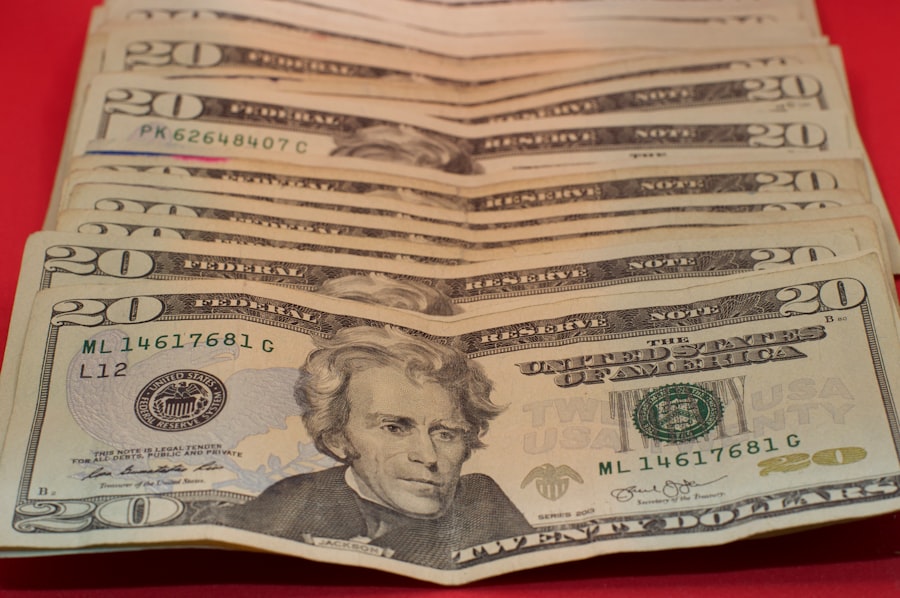
While the dollar is not backed by gold, its enduring strength and global dominance are not accidental. They are built upon a carefully constructed edifice of economic, political, and social factors that create a deep and widespread trust in its stability and utility.
Economic Powerhouse: The Engine of Demand
The sheer size and dynamism of the US economy are fundamental to the dollar’s strength. As the world’s largest economy, the United States engages in vast amounts of international trade and investment. This economic activity naturally creates a high demand for dollars, as businesses and governments worldwide need them to transact with American entities and to invest in US assets. The US economy acts as a massive engine, drawing in dollars for its goods, services, and investment opportunities.
The Petrodollar System: Fueling Global Trade
A significant factor in the dollar’s global reach is the “petrodollar” system. Following the oil crises of the 1970s, the United States struck agreements with major oil-producing nations, particularly Saudi Arabia, to price oil exclusively in US dollars. This means that any country wishing to purchase oil, a fundamental global commodity, must first acquire dollars. This creates a constant global demand for dollars, irrespective of the immediate price of US goods and services. It’s like a river of dollars flowing into the global financial system, driven by the world’s insatiable need for energy.
Deep and Liquid Financial Markets: The Global Marketplace
The United States boasts the deepest and most liquid financial markets in the world. This means there is a readily available supply of US dollar-denominated assets, such as Treasury bonds, stocks, and corporate debt, that can be easily bought and sold without significantly impacting their prices. This liquidity attracts domestic and international investors seeking safe and accessible investment opportunities. These markets act as a vast, welcoming bazaar where global capital can readily find a home, denominated in dollars.
The World’s Reserve Currency: A Beacon of Stability
The US dollar serves as the primary reserve currency for many central banks and international institutions worldwide. This means that other countries hold significant amounts of dollars in their foreign exchange reserves, often as a hedge against their own currency’s fluctuations and to facilitate international trade and investment. This status is a self-reinforcing cycle: because the dollar is widely held as a reserve currency, its demand remains high, which in turn reinforces its position as the dominant reserve currency. It’s like a well-established lighthouse, guiding ships from across the ocean, whose very presence assures safe passage.
The Psychological Factor: Confidence and Expectations
Beyond the tangible economic and political factors, a significant portion of the dollar’s value is rooted in collective psychology and societal expectations. Confidence in the US government’s ability to manage its economy and maintain stability is paramount.
The Power of Belief: “It’s Worth What We Say It’s Worth”
The value of fiat money is, to a significant extent, a matter of collective belief. People accept dollars as payment because they believe others will also accept them. This belief, while seemingly abstract, is incredibly powerful. It’s akin to a shared understanding, a collective nod that says, “This piece of paper has value because we all agree it does, and because we trust the system that backs it.”
Geopolitical Stability: A Haven in Turbulent Times
Even in times of global uncertainty, the United States has historically been perceived as a relatively stable geopolitical entity. This perception of stability makes the dollar an attractive safe-haven asset. During periods of international conflict or economic turmoil in other regions, investors often flock to dollar-denominated assets, further bolstering the currency’s demand. The US is often seen as an island of relative calm in a sea of global volatility.
Credibility of Institutions: The Watchtowers of Trust
The credibility of US institutions, particularly the Federal Reserve and the US Treasury, is crucial. Their ability to manage monetary policy effectively, maintain fiscal discipline, and foster a predictable regulatory environment is essential for sustaining confidence in the dollar. A loss of credibility in these institutions would erode the foundation of trust upon which the dollar’s value rests. These institutions act as vigilant watchtowers, ensuring the integrity of the financial landscape.
The question of whether the US dollar is backed by anything has intrigued many, especially in light of the evolving economic landscape. While the dollar is not backed by gold or silver, it is supported by the full faith and credit of the U.S. government, which plays a crucial role in maintaining its value. For a deeper understanding of the implications of this system and its historical context, you might find this related article on the topic quite enlightening. To explore more, visit this informative resource.
The Risks and Vulnerabilities: Cracks in the Foundation?
| Metric | Details |
|---|---|
| Backing Standard | Fiat currency (not backed by physical commodities) |
| Historical Backing | Gold Standard (ended in 1971) |
| Current Backing | Government decree and trust in US economy |
| Value Determinants | Supply and demand, economic indicators, Federal Reserve policies |
| Reserve Currency Status | Primary global reserve currency |
| Inflation Control | Managed by Federal Reserve through monetary policy |
| Physical Commodity Reserves | None backing the currency directly |
Despite its formidable strengths, the US dollar is not immune to risks and vulnerabilities. These can arise from internal policy decisions, external economic shifts, or even unforeseen global events.
Inflationary Pressures: The Silent Erosion of Purchasing Power
One of the primary risks to any fiat currency is the potential for inflation. If the money supply expands too rapidly without a corresponding increase in the production of goods and services, the purchasing power of each dollar can diminish. Excessive government spending or a overly accommodative monetary policy can lead to inflationary pressures, which can erode confidence in the dollar’s long-term value. This is like a slow leak in a tire – not immediately catastrophic, but over time, it can lead to significant problems.
Debt Accumulation: The Burden of Borrowing
The United States carries a substantial national debt. While the ability to borrow in its own currency offers significant flexibility, sustained and unchecked debt accumulation can raise concerns about the government’s long-term fiscal health. If the debt becomes unsustainable, it could lead to fears of default or a devaluation of the currency as lenders demand higher returns to compensate for perceived risk. This is like a homeowner with an ever-increasing mortgage – at some point, the risk of not being able to manage payments becomes a significant concern.
Shifting Global Power Dynamics: A Changing Tide
The global economic landscape is constantly evolving. The rise of other economic powers and the potential for alternative international payment systems could, over the long term, challenge the dollar’s preeminent position. A significant shift in global trade patterns or the emergence of a widely accepted rival reserve currency could gradually diminish the demand for dollars. The tide of global influence is not static; it ebbs and flows.
Loss of Confidence: A Self-Fulfilling Prophecy
Perhaps the most significant existential threat to any fiat currency is a widespread and sustained loss of confidence. If a critical mass of individuals, businesses, and governments collectively decide the dollar is no longer a reliable store of value or medium of exchange, its value could collapse remarkably quickly. This is the ultimate manifestation of the psychological factor; if the belief evaporates, the currency’s worth evaporates with it. It’s like a house of cards – seemingly stable until the slightest disturbance causes it to tumble.
Conclusion: A Fragile Strength Built on Confidence
In conclusion, the US dollar is not backed by a physical hoard of gold or silver. Instead, its value is a testament to a complex and dynamic ecosystem of economic strength, governmental decree, deep financial markets, and, perhaps most importantly, unwavering confidence. It is a fiat currency, its worth derived from the collective agreement of its users and the perceived stability of the issuing authority. This trust, built over decades on the bedrock of the US economy and its global influence, is a powerful, albeit intangible, backing. However, this backing is not immutable. Vigilant fiscal and monetary management, along with adept navigation of geopolitical shifts, are essential to preserve the confidence that underpins the dollar’s enduring, though not infallible, global standing. The question of whether the US dollar is “backed by anything” is answered not by pointing to a vault of precious metals, but by observing the intricate machinery of global commerce and the persistent faith that drives it.
FAQs
Is the US dollar backed by gold or any physical commodity?
No, the US dollar is not backed by gold or any physical commodity. Since 1971, the US dollar has been a fiat currency, meaning its value is derived from government regulation and trust rather than a physical backing.
What gives the US dollar its value if it is not backed by a physical asset?
The value of the US dollar comes from the trust and confidence that people, businesses, and governments have in the US government and its economy. It is supported by the country’s economic strength, stability, and the dollar’s widespread use in global trade and finance.
What is a fiat currency?
A fiat currency is a type of money that is issued by a government and declared to be legal tender, but it is not backed by a physical commodity like gold or silver. Its value is based on the trust and confidence of the people who use it.
How did the US dollar transition from being backed by gold to a fiat currency?
The US dollar was originally backed by gold under the gold standard. However, in 1971, President Richard Nixon ended the convertibility of the dollar into gold, a move known as the “Nixon Shock.” This marked the transition to a fiat currency system.
Does the US government hold any reserves to support the dollar?
While the US government holds reserves such as foreign currencies, gold, and Treasury securities, these reserves do not directly back the US dollar. Instead, they are part of the country’s overall financial assets and monetary policy tools.