You’re navigating the vast ocean of personal care products, a sea often turbulent with ingredient lists that can feel like a foreign language. For years, parabens have been the boogeymen, whispered about in hushed tones, prompting a mass exodus towards “paraben-free” labels. But as you shed one skin, are you shedding it for another that simply lies beneath the surface, masquerading as a savior? This exploration delves into the world of isothiazolinones, a group of preservatives that have risen in prominence as alternatives to parabens. You’ll dissect their purpose, their efficacy, and the controversies that swirl around them, to understand if they truly represent a harmonious solution for your desire for paraben-free products, or if they are simply another wave to navigate in the ever-evolving landscape of cosmetic science.
You might be accustomed to seeing “paraben-free” proudly displayed on your lotions, shampoos, and cosmetics. It’s a badge of honor, a signal that a product has eschewed a class of chemicals that have garnered significant public attention. But before you celebrate the absence of parabens, you must first understand the fundamental role of preservatives in the products you use daily. Imagine your favorite moisturizer or a potent serum as a delicate ecosystem. Without any intervention, this ecosystem is ripe for invasion.
The Microbial Menace
Water, a primary ingredient in most cosmetic formulations, is a fertile breeding ground for a diverse array of microorganisms. These include bacteria, yeasts, and molds. When these microscopic invaders take root, they can wreak havoc on your products, transforming them from beneficial elixirs into potential health hazards.
The Consequences of Contamination
- Product Degradation: Microbial growth can alter the texture, color, and odor of a product. That smooth cream could become lumpy; the pleasant scent might turn acrid. This is not just an aesthetic issue; it signifies that the product’s integrity has been compromised.
- Reduced Efficacy: As microorganisms consume nutrients and break down the product’s components, the active ingredients that provide its supposed benefits can be rendered ineffective. Your anti-aging serum might no longer confer its youth-restoring powers.
- Consumer Health Risks: Perhaps the most critical concern is the potential for microbial contamination to pose a direct threat to your health. Bacteria like Staphylococcus aureus or Pseudomonas aeruginosa can cause skin infections, and other pathogens can lead to more serious illnesses, especially if the product comes into contact with broken skin or is used around the eyes. This is akin to inviting a saboteur into your personal sanctuary, with potentially dire consequences.
The Role of Preservatives: Maintaining the Fortress
Preservatives act as the vigilant sentinels at the gates of your cosmetic formulations. Their primary function is to inhibit or destroy the growth of these unwanted microorganisms, thereby extending the product’s shelf life and ensuring its safety for your use. They are not merely an optional add-on; they are a critical component of product stability and consumer safety.
Types of Preservative Strategies
- Antimicrobial Action: The most common approach involves using chemicals that either kill microbes outright or prevent them from multiplying. These are the frontline defenders.
- pH Control: Some ingredients can help maintain an acidic environment, which is less hospitable to many common contaminants. This acts as a subtle environmental deterrent.
- Water Activity Reduction: Reducing the amount of free water available for microbial growth can also be a form of defense, though this is less common as a primary strategy in typical cosmetic formulations that often rely on water for their texture and feel.
Without adequate preservation, the products you trust to nourish and beautify your skin could quickly become a breeding ground for unwanted guests, turning a source of pleasure and well-being into a potential source of harm. You are essentially arming your products against an invisible enemy, and the choice of preservative is the caliber of your weapon.
Isothiazolinones are often used as preservatives in various cosmetic and personal care products, raising concerns about their safety, especially in paraben-free formulations. For a deeper understanding of the implications of using isothiazolinones in these products, you can read a related article that discusses their effects and alternatives by following this link: here. This resource provides valuable insights into the ongoing debate surrounding cosmetic preservatives and their impact on consumer health.
The Rise of Isothiazolinones: A New Generation of Guardians
As the public discourse around parabens intensified, a void began to emerge in the preservative landscape. Manufacturers, eager to cater to consumer demand for “free-from” products, started seeking out alternatives. Among the most prominent to step into this spotlight are the isothiazolinones. You’ve likely encountered them under various guises on ingredient labels, such as Methylisothiazolinone (MIT), Chloromethylisothiazolinone (CMIT), and Benzisothiazolinone (BIT). Their emergence as a popular paraben alternative signals a shift in preservative strategy, but like any significant change, it brings its own set of questions and considerations.
What Are Isothiazolinones?
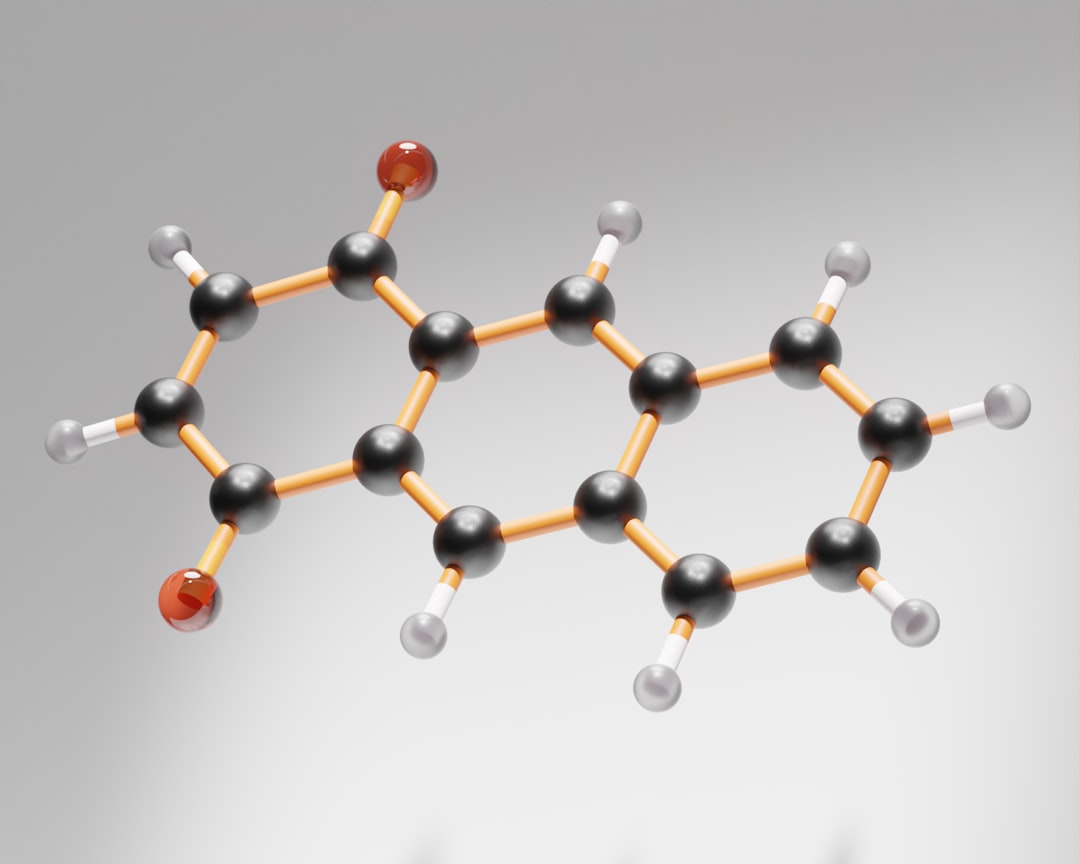
Isothiazolinones are a class of heterocyclic organic compounds characterized by a five-membered ring containing sulfur and nitrogen atoms. This specific chemical structure is responsible for their potent antimicrobial properties. They work by disrupting essential cellular processes within microorganisms, effectively incapacitating them.
Key Members of the Isothiazolinone Family
- Methylisothiazolinone (MIT): Often used as a stand-alone preservative, MIT has become particularly prevalent. It’s known for its broad-spectrum antimicrobial activity.
- Chloromethylisothiazolinone (CMIT): Frequently used in combination with MIT (often referred to as CMIT/MIT), this duo offers enhanced preservative efficacy. The chlorine atom contributes to its reactivity and antimicrobial power.
- Benzisothiazolinone (BIT): BIT is another isothiazolinone that has seen increased use, particularly in industrial applications, but also finds its way into certain personal care products.
Mechanisms of Action: How They Keep the Bad Away
The efficacy of isothiazolinones stems from their ability to interfere with vital cellular functions in microbes. They target key enzymes and proteins involved in respiration and metabolism.
Disrupting Cellular Machinery
- Oxidative Stress: Isothiazolinones can generate reactive oxygen species within microbial cells, leading to oxidative damage to DNA, proteins, and lipids. This is like unleashing a swarm of microscopic drones that dismantle the inner workings of the enemy.
- Enzyme Inhibition: They can bind to sulfhydryl groups in essential enzymes, inactivating them and halting crucial metabolic pathways. This is akin to jamming the gears of the enemy’s war machine.
Their broad-spectrum activity means they are effective against a wide range of bacteria, yeasts, and molds, making them a versatile choice for product preservation. This broad-spectrum attack has made them an attractive option for formulators seeking robust protection for their formulations.
The Double-Edged Sword: Efficacy vs. Sensitization Concerns

As isothiazolinones gained traction as paraben replacements, their effectiveness in preserving products became well-established. They proved adept at their primary duty, acting as efficient guardians against microbial spoilage. However, as their use became more widespread, a different narrative began to emerge, one that focused on their potential to cause adverse reactions in some individuals. The very properties that make them potent antimicrobials also raise questions about their safety when applied to the skin. You are now faced with a dilemma: a guardian that is highly effective but carries a potential for unintended consequences.
The Undeniable Efficacy of Isothiazolinones
Numerous studies and industry assessments have confirmed that isothiazolinones, particularly when used within regulated concentrations, are highly effective at preventing microbial contamination in a wide array of cosmetic and personal care products. This efficacy is a primary driver of their adoption.
Proven Antimicrobial Power
- Broad-Spectrum Protection: They effectively inhibit the growth of Gram-positive and Gram-negative bacteria, as well as yeasts and molds, which are common culprits in product spoilage.
- Cost-Effectiveness: Compared to some other preservative systems, isothiazolinones can be a more economical choice for manufacturers, contributing to their widespread availability in the market.
- Formulation Compatibility: They are generally compatible with the diverse array of ingredients found in modern cosmetic formulations, allowing for their incorporation without significantly altering product performance or aesthetics.
The Growing Shadow of Sensitization
Despite their efficacy, a significant concern that has come to the forefront is the potential for isothiazolinones, especially MIT and CMIT/MIT, to cause allergic contact dermatitis. This means that repeated exposure can lead to an immune system response characterized by itching, redness, and inflammation of the skin.
The Allergic Response Explained
- Mechanism of Sensitization: When an individual is exposed to an allergen, their immune system can become sensitized. Subsequent exposures, even to low concentrations, can trigger a hypersensitivity reaction. Isothiazolinones act as haptens, small molecules that can bind to skin proteins, forming an antigen that the immune system recognizes as foreign.
- Prevalence of Allergic Reactions: Reports of allergic contact dermatitis linked to isothiazolinones have increased significantly in recent years, particularly with the rise in their use. This has led regulatory bodies to re-evaluate their safety profiles.
- Concentration Dependency: The risk of sensitization is often dose-dependent. Higher concentrations and more frequent exposure can increase the likelihood of developing an allergy.
This observed rise in allergic reactions has shifted the conversation from solely focusing on efficacy to a more nuanced discussion about risk assessment and regulatory oversight. The effectiveness that once made them so attractive is now being weighed against the potential for widespread skin sensitivities.
Regulatory Scrutiny: Adapting the Rules of Engagement

As the concerns surrounding isothiazolinone sensitization have mounted, regulatory bodies around the globe have been compelled to re-examine their use. This has led to adjustments in permitted concentrations and, in some cases, restrictions on their application in specific product types. You are witnessing a dynamic interplay between scientific findings, consumer advocacy, and the governance of product safety.
International Regulatory Stance
Various governmental bodies responsible for consumer product safety have taken steps to address the growing number of reported adverse reactions to isothiazolinones. These actions are designed to protect public health while still allowing for the necessary preservation of products.
Key Regulatory Decisions and Their Impact
- European Union (EU) Restrictions: The EU has been at the forefront of regulating isothiazolinones. Initially, CMIT/MIT was restricted to rinse-off products only, at a maximum concentration of 15 ppm. More recent updates have further refined these rules, with specific limitations on MIT in leave-on products. These decisions are a direct response to the rising tide of sensitization cases identified through post-market surveillance.
- U.S. Food and Drug Administration (FDA): While the FDA does not pre-approve cosmetic ingredients, they monitor safety data and can take action against products deemed unsafe. The Cosmetic Ingredient Review (CIR) Expert Panel has evaluated isothiazolinones and recommended concentration limits based on available scientific evidence and sensitization data.
- Other Global Agencies: Health Canada, Australia’s National Industrial Chemicals Notification and Assessment Scheme (NICNAS), and other national regulatory agencies have also reviewed and, in some cases, adjusted their guidelines regarding the use of isothiazolinones.
The Evolution of Permitted Concentrations
The core of regulatory action often involves adjusting the maximum permissible concentrations of these preservatives in cosmetic products. These limits are a critical tool in managing the risk of sensitization.
Balancing Protection and Preservation
- Lowering Concentration Limits: A common theme in regulatory updates has been the reduction of permitted concentrations, particularly for MIT and CMIT/MIT. This is based on the understanding that lower exposure levels are less likely to induce sensitization.
- Distinguishing Between Rinse-Off and Leave-On Products: Regulatory bodies often differentiate between products that are washed off the skin (rinse-off) and those that remain on the skin (leave-on). Leave-on products, due to prolonged contact, pose a higher risk of sensitization, leading to stricter limits for them.
- Specific Isothiazolinone Restrictions: Regulations may target specific isothiazolinones if they are found to be more problematic than others. For instance, the use of CMIT/MIT in leave-on products has been largely phased out in many regions.
These regulatory shifts are not arbitrary; they represent a scientific consensus on managing the risks associated with these preservatives. You, as a consumer, are indirectly benefiting from this ongoing scientific and regulatory dialogue, which aims to keep your products safe without compromising their integrity.
Isothiazolinones are often used as preservatives in various personal care products, but with the growing demand for paraben-free formulations, many consumers are seeking alternatives that are both effective and safe. For those interested in exploring the implications of isothiazolinones in such products, a related article can provide valuable insights. You can read more about this topic and its impact on product safety by visiting this informative article. Understanding these ingredients can help consumers make more informed choices about the products they use daily.
The Quest for True Alternatives: Beyond the Current Compromise
| Metric | Isothiazolinones Presence | Paraben-Free Products | Notes |
|---|---|---|---|
| Percentage of Products Containing Isothiazolinones | 35% | 80% | Higher use in paraben-free formulations as alternative preservatives |
| Common Isothiazolinones Used | Methylisothiazolinone (MIT), Methylchloroisothiazolinone (CMIT) | Methylisothiazolinone (MIT), Methylchloroisothiazolinone (CMIT) | Both product types use similar isothiazolinones |
| Reported Allergic Reactions | 5% of users | 7% of users | Increased sensitivity reported in paraben-free products |
| Regulatory Limits | Up to 0.0015% CMIT/MIT in rinse-off products | Same as conventional products | Limits apply regardless of paraben presence |
| Typical Concentration Range | 0.0005% – 0.0015% | 0.0005% – 0.0015% | Concentration consistent across product types |
The journey from parabens to isothiazolinones highlights that finding the perfect preservative is akin to chasing a mirage in the desert. While isothiazolinones offer efficacy, their sensitization potential creates an ongoing challenge. This has spurred a renewed scientific and industrial effort to discover and implement even better alternatives, preservatives that can effectively guard your products without becoming a threat themselves. You are looking for a knight in shining armor, not a wolf in sheep’s clothing.
Exploring a Spectrum of Preservation
The industry is actively investigating a diverse range of preservation strategies, moving beyond single active ingredients to more holistic approaches. This includes delving into natural compounds, synergistic blends, and innovative packaging solutions.
Emerging and Established Alternatives
- Organic Acids: Ingredients like benzoic acid, sorbic acid, and dehydroacetic acid, often used in combination with their salts, are effective against fungi and bacteria at acidic pH levels. Their appeal lies in their relatively mild profiles.
- Phenoxyethanol: This is a widely used synthetic preservative with broad-spectrum activity. It’s often used in combination with other preservatives to achieve optimal efficacy. Its safety profile has been extensively studied.
- Natural Preservatives: Extracts from plants, such as rosemary, grapefruit seed, and certain essential oils, are gaining popularity. However, their efficacy can be variable, and standardization can be a challenge, requiring careful formulation to ensure they provide adequate protection.
- Synergistic Blends: Combining multiple preservatives, even at lower individual concentrations, can create a synergistic effect that enhances overall antimicrobial efficacy while minimizing the risk of sensitization. This is like a team of specialists working together for a common goal.
- Preservative Boosters: Certain ingredients, like caprylyl glycol, can enhance the efficacy of other preservatives, allowing for lower overall concentrations of active antimicrobial agents.
The Role of Packaging and Formulation Science
Beyond the ingredients themselves, innovative packaging and sophisticated formulation techniques are also playing a crucial role in reducing the need for traditional preservatives or enhancing their effectiveness.
Advanced Strategies for Product Protection
- Airless Pumps and Monodoses: Packaging that minimizes air exposure significantly reduces the likelihood of microbial contamination. Airless pumps prevent air from entering the container, while single-dose packaging ensures that each application is from a sterile source.
- Self-Preserving Formulations: Through careful formulation, including the precise control of water activity, pH, and the inclusion of naturally antimicrobial ingredients, it is sometimes possible to create products that are inherently resistant to microbial growth, negating the need for added synthetic preservatives.
- “Clean Beauty” Movement: While sometimes a marketing term, the underlying principles of the “clean beauty” movement push for more transparent ingredient lists and the avoidance of certain synthetic chemicals, driving innovation in preservative technology.
The search for ideal preservatives is a marathon, not a sprint. It requires continuous research, rigorous testing, and a commitment to both efficacy and safety. You can be an active participant in this evolution by staying informed and making conscious choices about the products you support.
The Verdict: Isothiazolinones a Solution or a Symptom?
As you stand at this crossroads, the question of whether isothiazolinones are the singular solution for paraben-free products remains complex. They emerged as a powerful alternative, swiftly filling the void left by parabens’ declining popularity. Their efficacy in preserving formulations is undeniable, ensuring that the products you use remain safe and stable. However, their rise has been accompanied by a significant increase in skin sensitization, a concerning side effect that cannot be ignored. You’ve pulled one thorn out, only to find another, albeit different, pricking your skin.
A Temporary Stopgap, Not the Final Destination
Isothiazolinones have undoubtedly served a purpose, acting as transitional guardians in the shift away from parabens. They’ve allowed the industry to meet consumer demand for paraben-free options while maintaining product integrity. However, the growing evidence of sensitization suggests they may represent more of a symptomatic treatment than a cure. Like treating a fever without addressing the underlying infection, relying solely on isothiazolinones without acknowledging their limitations might be a short-sighted approach.
Key Considerations for Consumers
- Label Awareness: Educating yourself about ingredient lists and understanding the presence of MIT, CMIT, or BIT is crucial if you have sensitive skin or a history of allergies.
- Patch Testing: For new products containing isothiazolinones, performing a patch test on a small area of skin before widespread application can help identify potential reactions.
- Choosing Brands Committed to Innovation: Supporting brands that are actively researching and implementing newer, potentially milder preservative systems demonstrates a preference for products that prioritize both efficacy and long-term skin health.
The Ongoing Evolution of Cosmetic Preservation
The landscape of cosmetic preservation is in constant flux. The initial fear surrounding parabens has spurred innovation, leading to the exploration of isothiazolinones, and now, the concerns about isothiazolinones are driving further advancements. You are witnessing a vital stage of evolution within the personal care industry, a continuous quest for safer and more effective ways to protect the products you rely on.
Forward-Looking Perspectives
- Prioritizing Safety and Efficacy: The ultimate goal of cosmetic preservation must be to achieve both robust antimicrobial protection and a minimal risk of adverse skin reactions. This requires a balanced approach that considers the full spectrum of ingredient properties.
- Consumer Education and Transparency: Continued dialogue and transparent communication from manufacturers about their preservative choices and the scientific rationale behind them are essential for empowering consumers to make informed decisions.
- The Future of “Clean” Preservation: The ongoing pursuit of “clean” and “natural” preservation strategies, backed by rigorous scientific validation, will likely shape the future of the industry.
In conclusion, while isothiazolinones have offered a functional solution for paraben-free products, they are not without their drawbacks. As you continue your journey through the world of personal care ingredients, approach them with a discerning eye. The quest for the perfect preservative is ongoing, and your informed curiosity plays a vital role in guiding the industry towards truly beneficial and safe solutions.

WATCH NOW ▶️ WARNING: 50 Chemicals Banned Overseas (In Your Home)
FAQs
What are isothiazolinones?
Isothiazolinones are a group of chemical compounds commonly used as preservatives in various personal care and household products to prevent the growth of bacteria and fungi.
Why are isothiazolinones used in paraben-free products?
Isothiazolinones are often used in paraben-free products as alternative preservatives to maintain product safety and extend shelf life without using parabens, which some consumers prefer to avoid.
Are isothiazolinones safe for use in cosmetics and personal care products?
Isothiazolinones are generally considered safe at low concentrations approved by regulatory agencies; however, they can cause allergic reactions or skin irritation in some individuals, especially with prolonged exposure.
Can isothiazolinones cause allergic reactions?
Yes, isothiazolinones have been associated with contact dermatitis and allergic reactions in sensitive individuals, leading to increased scrutiny and regulation of their use in leave-on and rinse-off products.
How can consumers identify isothiazolinones in product ingredients?
Consumers can look for ingredient names such as methylisothiazolinone (MI), methylchloroisothiazolinone (MCI), or isothiazolinone on product labels to identify the presence of these preservatives.