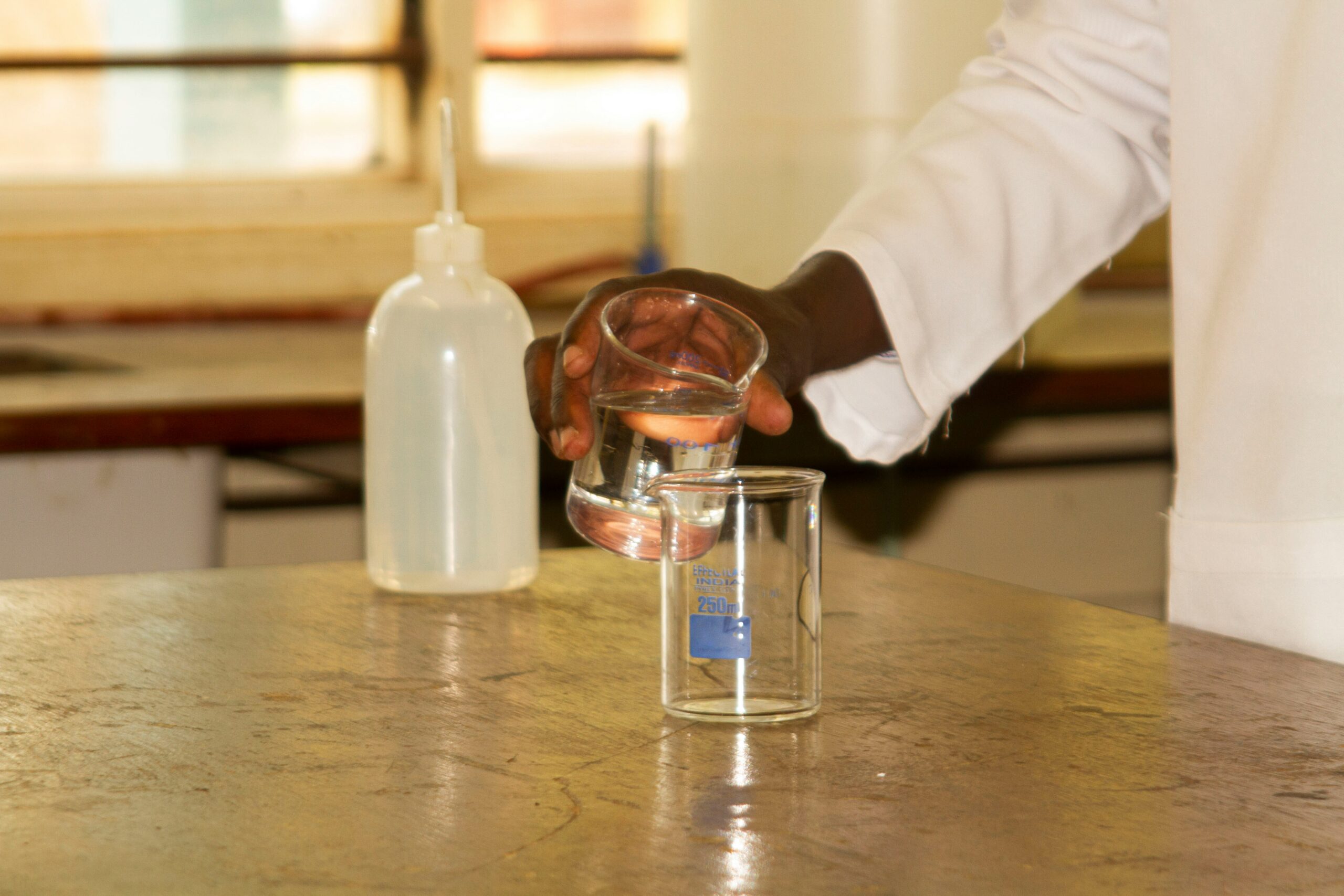
You’re considering distilled water for your daily hydration, and it’s wise to approach this with diligence. The question of whether distilled water is safe for continuous consumption is one that sparks debate and often leads to a labyrinth of information. This article aims to untangle that complexity, presenting a factual overview so you can make an informed choice about what you pour into your body.
Distilled water, at its core, is water that has been purified through a process of boiling and then condensing the resulting steam. Think of it as mimicking nature’s own water cycle, albeit in a controlled environment. The heat effectively separates water molecules from impurities, leaving behind dissolved solids, minerals, and microorganisms.
How the Magic of Evaporation Works
The fundamental principle behind distillation is straightforward. Water, when heated, transforms into steam, leaving behind less volatile substances. Imagine cooking a soup; when you evaporate the broth, the solids and some oils remain in the pot. Distillation applies this same concept to water, but with a focus on capturing the pure water vapor.
What Distillation Removes: Leaving Impurities Behind
This process is highly effective at removing a broad spectrum of contaminants. You can expect dissolved salts, heavy metals like lead and mercury, nitrates, pesticides, and even most bacteria and viruses to be left behind in the boiling vessel. This leaves you with a remarkably clean hydrogen and oxygen compound.
Potential for Further Purification
While the primary distillation process is robust, some specialized methods might involve additional filtration steps to ensure an exceptionally high level of purity, sometimes referred to as “ultra-pure” water. For most common applications, however, standard distillation is sufficient to achieve a potable product.
If you’re curious about the safety and health implications of drinking distilled water daily, you might find it helpful to read a related article that explores this topic in more detail. The article discusses the benefits and potential drawbacks of consuming distilled water, as well as expert opinions on whether it is suitable for everyday use. For more information, you can check out the article here: Is Distilled Water Safe to Drink Daily?.
The Nutritional Landscape of Distilled Water: A Mineral Void
Now, let’s examine what distilled water doesn’t contain, which is a crucial aspect of its safety for daily drinking. The purification process, while ridding water of harmful substances, also strips away beneficial minerals.
The Absence of Essential Minerals: A Double-Edged Sword
Tap water, even after treatment, often contains dissolved minerals like calcium, magnesium, and potassium. These minerals are not just trace elements; they play vital roles in bodily functions, from bone health to nerve signaling and muscle contraction. When you drink distilled water exclusively, you’re not just avoiding contaminants; you’re also missing out on these essential dietary inputs.
Potential for Mineral Leaching: The Sponge Effect
There’s a prevailing concern that distilled water, being devoid of minerals, might act like a sponge in your body, leaching minerals from your tissues. While the scientific consensus on the extent of this leaching in healthy individuals is debated, it’s a factor worth considering. Think of it like a very dry sponge placed in a room with some moisture; it will absorb what it can.
The Importance of a Balanced Diet
The primary defense against mineral deficiencies when drinking distilled water lies in your diet. If you consume a varied and mineral-rich diet, you may be able to compensate for the lack of minerals in your water. However, this requires conscious effort and awareness of your nutritional intake.
Health Implications of Daily Distilled Water Consumption: Balancing Risks and Benefits
The “safety” of distilled water for daily drinking isn’t a simple yes or no answer. It’s a nuanced discussion that involves considering your individual health status, lifestyle, and the quality of your alternative water sources.
Potential Benefits: When Purity is Paramount
In specific situations, the extreme purity of distilled water can be advantageous. For individuals with compromised immune systems or those undergoing certain medical treatments, the absence of microorganisms and potential chemical contaminants can be a significant benefit, offering a layer of protection. Think of it as choosing a sterile environment when vulnerability is high.
Concerns Regarding Mineral Depletion: A Question of Balance
As mentioned, the lack of minerals in distilled water raises concerns. While your body can typically obtain minerals from food, relying solely on distilled water for all your hydration means you’re missing an opportunity for supplemental intake. For those with existing mineral deficiencies or inadequate diets, this could exacerbate the problem.
The pH Level: A Technical Nuance
Distilled water typically has a neutral pH, around 7.0, or can be slightly acidic due to the dissolution of carbon dioxide from the air. While your body has robust buffering systems to maintain its pH balance, some speculate that consistently drinking slightly acidic water might place an extra burden on these systems. However, this is generally considered a minor concern for healthy individuals.
Hydration Still Occurs: The Fundamental Role of Water
It’s crucial to remember that distilled water, like any other potable water, is still primarily H₂O. It will hydrate you effectively. The core function of water in your body – transporting nutrients, regulating temperature, lubricating joints – is fulfilled regardless of its mineral content.
Distilled Water and Specific Health Conditions: A Case-by-Case Approach
The suitability of distilled water for daily drinking can vary significantly depending on your existing health conditions. What might be negligible for one person could be a concern for another.
For Individuals with Kidney Issues: A Cautionary Note
For individuals with compromised kidney function, the body’s ability to regulate electrolyte balance can be impaired. Consistently drinking water that lacks electrolytes, like distilled water, could potentially complicate this balance. Your physician is the best resource for guidance in such cases.
During Intense Physical Activity: Compensating for Loss
If you engage in strenuous exercise, you lose not only water but also electrolytes through sweat. While distilled water will rehydrate you, it won’t replenish these lost minerals. In these scenarios, water with added electrolytes or consuming electrolyte-rich foods alongside your hydration is generally recommended.
For Pregnant and Breastfeeding Women: Nutritional Demands
Pregnancy and breastfeeding dramatically increase the body’s nutritional demands, including mineral requirements. While distilled water might not be inherently harmful, it fails to contribute to these increased needs. Ensuring adequate mineral intake from dietary sources becomes even more critical.
The Elderly and Children: Vulnerable Populations
The elderly and young children may have different physiological needs and sensitivities. Their ability to absorb nutrients and maintain homeostasis might be more delicate. Again, consulting with healthcare professionals is paramount before making any significant changes to daily water intake.
Many people wonder about the safety of consuming distilled water on a daily basis, and it’s important to consider various perspectives on this topic. For a deeper understanding, you can explore an insightful article that discusses the benefits and potential drawbacks of drinking distilled water regularly. This resource provides valuable information that can help you make informed decisions about your hydration choices. If you’re curious to learn more, check out this article on distilled water safety here.
Alternatives to Distilled Water: Finding Your Optimal Hydration
| Aspect | Details | Notes |
|---|---|---|
| Purity | 99.9% pure H2O | Removes minerals, contaminants, and impurities |
| Mineral Content | None (minerals removed) | May lack essential minerals like calcium and magnesium |
| Health Impact | Generally safe for short-term use | Long-term consumption may lead to mineral deficiencies |
| Taste | Flat or bland | Due to absence of minerals |
| Recommended Usage | Occasional drinking, medical or laboratory use | Not ideal as sole daily drinking water source |
| Potential Risks | Electrolyte imbalance, mineral depletion | Especially if diet lacks minerals |
| Alternatives | Mineral water, filtered tap water | Provide essential minerals and hydration |
If the concerns surrounding distilled water lead you to explore other options, you’re fortunate to have a range of readily available alternatives.
Filtered Tap Water: A Balanced Approach
Many common water filters, such as pitcher filters or under-sink systems, are designed to remove impurities while leaving essential minerals intact. This offers a good balance between purification and nutritional content. Think of it as a refined version of your local water supply.
Mineral Water: Nature’s Own Contribution
Bottled mineral waters are sourced from natural springs and are rich in dissolved minerals. Different brands will have varying mineral profiles, allowing you to choose one that suits your taste and potential nutritional needs. This is nature’s direct offering of hydrated minerals.
Spring Water: Naturally Purified and Mineralized
Spring water is collected from an underground source and is typically subjected to minimal processing. It usually retains its natural mineral content, offering a healthy and readily available option.
Alkaline Water: A Matter of Debate
Alkaline water has a higher pH than regular drinking water and is often marketed for its purported health benefits. However, the scientific evidence supporting these claims is often limited, and the body’s natural pH regulation is highly effective.
Ultimately, the decision of whether distilled water is safe for your daily drinking hinges on a thorough understanding of its properties and your individual circumstances. While the process of distillation yields exceptional purity, it also creates a void of beneficial minerals. This void can be managed through a nutrient-rich diet and careful consideration of your health status. As with any significant dietary change, consulting with a healthcare professional can provide personalized guidance tailored to your unique needs. Your body is a finely tuned instrument, and ensuring it receives the right kind of fuel, including hydration, is paramount to its optimal performance.
FAQs
Is distilled water safe to drink every day?
Yes, distilled water is generally safe to drink daily. It is free from impurities and contaminants because it is purified through distillation. However, it lacks minerals found in natural water sources.
What are the differences between distilled water and regular tap water?
Distilled water is purified by boiling and condensation, removing minerals, chemicals, and impurities. Tap water contains minerals and may have trace amounts of chlorine or fluoride added for safety and health benefits.
Can drinking distilled water cause mineral deficiencies?
Drinking distilled water alone is unlikely to cause mineral deficiencies if you have a balanced diet, as most minerals come from food. However, distilled water does not provide minerals like calcium or magnesium that are present in other water types.
Does distilled water taste different from other types of water?
Yes, distilled water often tastes flat or bland because it lacks dissolved minerals that contribute to the flavor of natural or mineral water.
Are there any health risks associated with drinking distilled water?
For most people, drinking distilled water poses no health risks. However, because it is free of minerals, excessive consumption without adequate mineral intake from food could potentially affect electrolyte balance over time.