
The global marketplace, a vast and intricate web of commerce, presents consumers with an illusion of uniformity. A brand, a logo, a familiar package – these symbols often suggest a consistent product experience, regardless of geographical location. However, beneath this veneer of sameness lies a fascinating reality: international variations. Many multinational companies subtly, and sometimes not so subtly, alter the ingredients, formulations, and even the appearance of their products to cater to local tastes, regulatory landscapes, and economic realities. This phenomenon is a testament to the complex interplay of culture, science, and business in the twenty-first century.
The decision to diversify product formulations across different markets is not arbitrary; it’s a strategic calculus driven by a myriad of factors. Imagine a master chef, preparing a dish for a global audience. They wouldn’t serve the same spice blend to every diner; instead, they’d adjust the seasoning to suit the local palate. Similarly, brands adjust their “recipes” for international consumption.
Palate Preferences: A Taste of Local Culture
One of the most significant drivers of ingredient variation is the sheer diversity of human taste. What is considered delicious in one culture might be bland or even unpalatable in another.
Sugar and Sweeteners: A Global Divide
Consider the ubiquitous carbonated soft drink. In many Western countries, high-fructose corn syrup (HFCS) is a common sweetener due to its cost-effectiveness and availability. However, in regions where sugar cane is abundant and HFCS import taxes are high, or simply due to cultural preference, cane sugar is often the primary sweetener. This can lead to subtle but noticeable differences in taste and mouthfeel, as cane sugar and HFCS possess distinct flavor profiles and sweetness intensities. Similarly, diet beverages often utilize different artificial sweeteners depending on regional regulatory approval and consumer acceptance. Aspartame, sucralose, and stevia-based sweeteners each have their own geographical strongholds in the diet beverage market.
Spice and Flavor Profiles: The Geographic Gastronomy
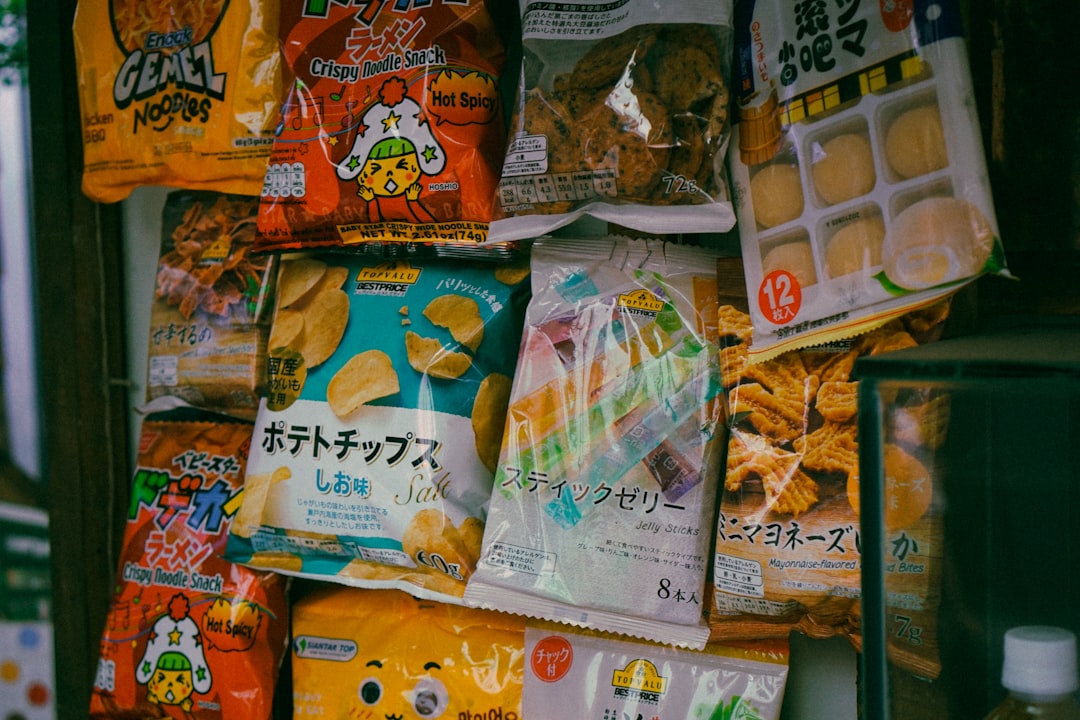
Food products, in particular, are subject to significant flavor adaptations. A popular instant noodle brand, for example, might offer a fiery chili flavor in Southeast Asia, a milder chicken broth in Europe, and a distinctly umami-rich soy sauce variant in East Asia. These variations are not merely about adding or removing spices; they delve into fundamental flavor preferences. The concept of “umami,” for instance, is deeply ingrained in East Asian culinary traditions, leading to higher concentrations of ingredients like MSG (monosodium glutamate) or other natural glutamates in products sold there, compared to their Western counterparts where consumer perception of MSG can be more mixed. Similarly, dairy products can vary significantly; yogurts in some European countries might be tangier and less sweet than those found in North America, reflecting different cultural expectations for fermented foods.
Fat Content and Textures: The Sensory Spectrum
Beyond taste, textural preferences also play a crucial role. Chocolate, for instance, can vary in its fat content and melting point to suit climatic conditions and consumer expectations. A chocolate bar designed for a hot climate might have a higher melting point to prevent it from becoming a gooey mess, which could subtly alter its taste and texture. Conversely, a chocolate designed for colder climates might prioritize a smoother, more luxurious melt. Similarly, snack foods often adjust their crispness and oil absorption based on regional preferences.
Regulatory Regimes: The Legal Landscape
Government regulations, like an unseen hand, guide the compositional pathways of products. What is permissible in one nation might be prohibited or restricted in another, forcing brands to reformulate.
Additives and Preservatives: A Patchwork of Permissions
The use of food additives, including preservatives, colorings, and flavor enhancers, is a highly regulated area. A dye approved in the European Union might be banned in the United States, and vice-versa. Titanium dioxide, a common white food coloring, is permitted in many countries but faces increasing scrutiny and restrictions in others. This necessitates the use of alternative colorants or even the elimination of the additive altogether, leading to visual and potentially textural differences in products like candies, sauces, and baked goods. Preservatives like BHA and BHT, while widely used in some regions to extend shelf life, are subject to varying safety assessments and usage limits globally.
Nutritional Labeling and Claims: The Information Mandate
Nutritional labeling requirements also vary considerably. The prominence of specific nutrients, the display of allergens, and even the terminology used (e.g., “sugar” vs. “sucrose”) are dictated by national food safety agencies. This isn’t just about ingredient lists; it also impacts how products are formulated to meet nutrient targets or claims. For instance, a breakfast cereal might be fortified with different vitamins and minerals in various countries to address prevalent nutritional deficiencies or to comply with specific health claims regulations. “Nutri-Score” in Europe, for example, encourages reformulation to achieve higher ratings.
Allergen Declarations: Protecting Vulnerable Consumers
The identification and declaration of allergens are paramount for consumer safety. The list of legally recognized allergens can differ between countries. For example, while peanuts, tree nuts, milk, eggs, soy, wheat, fish, and shellfish are widely recognized, some regions may include additional allergens or have specific thresholds for cross-contamination that necessitate different production protocols and ingredient sourcing. This adds another layer of complexity to manufacturing and labeling, potentially leading to ingredient substitutions.
Economic Equations: The Cost of Consistency
The pursuit of absolute ingredient consistency across all global markets is often economically unfeasible. Brands operate within the constraints of cost, supply chain efficiency, and local ingredient availability.
Sourcing and Supply Chains: The Proximity Principle
Ingredients are commodities, and their prices fluctuate based on geopolitical events, agricultural yields, and transportation costs. A company might opt for locally sourced ingredients in one region to reduce shipping expenses and mitigate supply chain risks, even if these ingredients are not identical to those used elsewhere. For example, a global snack company might use locally grown potatoes in one country and imported potatoes of a different variety in another, influencing the final product’s texture and flavor nuances. The availability of specialized equipment or raw materials, such as specific grades of flour or dairy solids, can also dictate ingredient choices.
Price Sensitivity and Market Positioning: The Value Proposition
In markets with lower average incomes, consumers are often more price-sensitive. To remain competitive, brands may reformulate products using more affordable ingredients or slightly alter portion sizes to hit target price points. This is a delicate balance, as companies aim to maintain brand integrity while acknowledging economic realities. For instance, a globally recognized confectionary item might use different types of fats or cocoa substitutes in certain markets to keep prices accessible, while still striving to deliver a recognizable taste and experience. This is a strategic decision to capture market share rather than to exit a market due to uncompetitive pricing.
Tariffs and Trade Agreements: The Border Bureaucracy
International trade policies, including tariffs and import duties, can significantly influence ingredient procurement. It might be more expensive to import a specific commodity than to source a locally available alternative, even if the latter is not the “original” ingredient. Trade agreements can facilitate the free flow of goods, but their absence or the imposition of protective tariffs can force brands to reconsider their global ingredient matrix. This creates a powerful incentive to adapt rather than absorb prohibitive import costs.
Many consumers are often surprised to discover that their favorite food brands use different ingredients in products sold overseas compared to those available in their home countries. This phenomenon can be attributed to varying regulations, local tastes, and ingredient availability. For a deeper understanding of this topic, you can read the article titled “Same Food Brand, Different Ingredients Overseas” at this link.
The Consumer Conundrum: Expectation Versus Reality
For the unsuspecting consumer, these international variations can lead to a sense of cognitive dissonance. They pick up a familiar package, expecting a familiar taste, only to find something subtly different – or, in some cases, strikingly so.
Disappointment and Dissatisfaction: The Brand Betrayal
When a product tastes different from what is expected, it can lead to consumer disappointment. A traveler returning home, eager to relive a food experience from abroad, might be dismayed to find the “same” brand at their local supermarket tastes nothing like the version they enjoyed. This can erode brand loyalty and trust, as consumers feel misled by the apparent uniformity of the brand identity. The psychological contract between the brand and the consumer is, in essence, broken.
The “Taste Test” Phenomenon: Viral Discrepancies
The internet has amplified this phenomenon. Social media platforms are rife with “taste test” videos where consumers compare identical-looking products purchased in different countries, often highlighting surprising discrepancies. These viral comparisons not only educate but also sometimes inflame consumer sentiment, raising awareness about the extent of ingredient variations. This transparency, while potentially unsettling for brands, also forces a conversation about global consistency and local adaptation.
Health Perceptions and Ingredient Scrutiny: The Informed Shopper
As consumers become more ingredient-aware, these variations also spark discussions about health and safety. Questions arise about why certain additives are used in one country but not another, or why sugar content is higher in some markets. This scrutiny can place pressure on brands to justify their formulations and be more transparent about their ingredient choices. Consumers often seek to understand the rationale behind these variations, connecting them to health trends and personal dietary preferences.
The Marketing Maze: Messaging and Perception
Brands face a delicate tightrope walk in communicating these variations. Should they highlight them as a strength, a testament to their responsiveness to local needs? Or should they downplay them to maintain an image of global consistency?
Global Branding, Local Messaging: A Balancing Act
Many brands opt for a strategy of global branding with localized messaging. While the core brand identity remains consistent, marketing campaigns and product descriptions may subtly hint at the regional adaptations. For example, a beverage brand might emphasize its “authentic local ingredients” in one market, while focusing on its “classic recipe” in another. This allows them to embrace the variations without explicitly detailing every ingredient change.
Transparency Versus Simplicity: The Communication Challenge
The challenge lies in balancing transparency with simplicity. Providing a full comparative breakdown of ingredients for every market would be overwhelming and impractical for consumers. Brands strive to convey trust and quality, often relying on the strength of their established name rather than a detailed ingredient deep dive for every SKU. However, the rise of conscious consumerism suggests that more transparency, even if complex, might be increasingly valued.
Beyond Ingredients: Packaging and Portions
While ingredients form the core of product variation, it’s worth noting that differences extend beyond the recipe itself.
Packaging Paradigms: Aesthetics and Practicality
Packaging, the silent salesperson, also undergoes international metamorphosis.
Size and Servings: The Cultural Container
Portion sizes can vary significantly. A single-serving snack in one country might be considered a multi-serving pack in another, reflecting different eating habits and economic considerations. Product packaging may also be adapted to local retail environments, such as different shelf dimensions or display preferences.
Design and Materials: Local Flair
The aesthetics of packaging often incorporate local cultural motifs, colors, and even language-specific design elements. Beyond visual appeal, the choice of packaging materials can also differ based on local recycling infrastructure, environmental regulations, and cost. Glass bottles might be prevalent in some markets, while plastic or cartons dominate others.
Pricing Strategies: The Perceived Value
Finally, the pricing of the “same” brand can vary wildly, influenced by taxes, distribution costs, competitive landscapes, and perceived value in different markets. A premium product in one country might be positioned as an everyday item in another.
Navigating the Global Pantry: A Consumer’s Guide
As consumers, understanding these international variations empowers us. Instead of expecting a monolithic product, we can approach global brands with a more informed perspective.
The Informed Consumer: Asking the Right Questions
When encountering a familiar brand in a foreign land, or even when comparing products from different import sources, it is prudent to consult the ingredient list. This simple act can reveal a wealth of information about the product’s true composition. Don’t assume; verify.
Embracing the Diversity: A Culinary Expedition
Rather than viewing variations as a deception, perhaps we can embrace them as an opportunity for culinary discovery. Each localized version offers a unique glimpse into the tastes and preferences of a specific culture, transforming a familiar product into a miniature gastronomic expedition.
The landscape of international brand identity is a fascinating mosaic, not a monochrome canvas. Multi-national corporations, like chameleons, adapt their offerings to blend seamlessly into diverse environments. This intricate dance of global brand identity and local adaptation is a testament to the complexities of cross-cultural commerce, reminding us that even the most seemingly universal products are, in their essence, a reflection of the world’s rich and varied tapestry.
WATCH NOW ▶️ Why 99% Of American Food Is Illegal Overseas
FAQs
Why do the ingredients of the same food brand differ in overseas markets?
Ingredients can vary due to local food regulations, cultural taste preferences, availability of raw materials, and cost considerations in different countries.
Are the nutritional values affected when ingredients differ in the same brand abroad?
Yes, changes in ingredients can lead to variations in nutritional content such as calories, sugar, fat, and additives, depending on the formulation used in each market.
Do food safety standards influence ingredient differences in international products?
Absolutely. Different countries have distinct food safety laws and permitted additives, which can require brands to alter their recipes to comply with local regulations.
Can consumers expect the same taste from a food product with different ingredients overseas?
Not necessarily. While brands aim to maintain a consistent flavor profile, ingredient substitutions or adjustments to suit local palates may result in noticeable taste differences.
How can consumers find out about ingredient differences in the same brand sold abroad?
Consumers should check the product packaging for ingredient lists and nutritional information, which are typically required by law to be accurate and specific to the market where the product is sold.