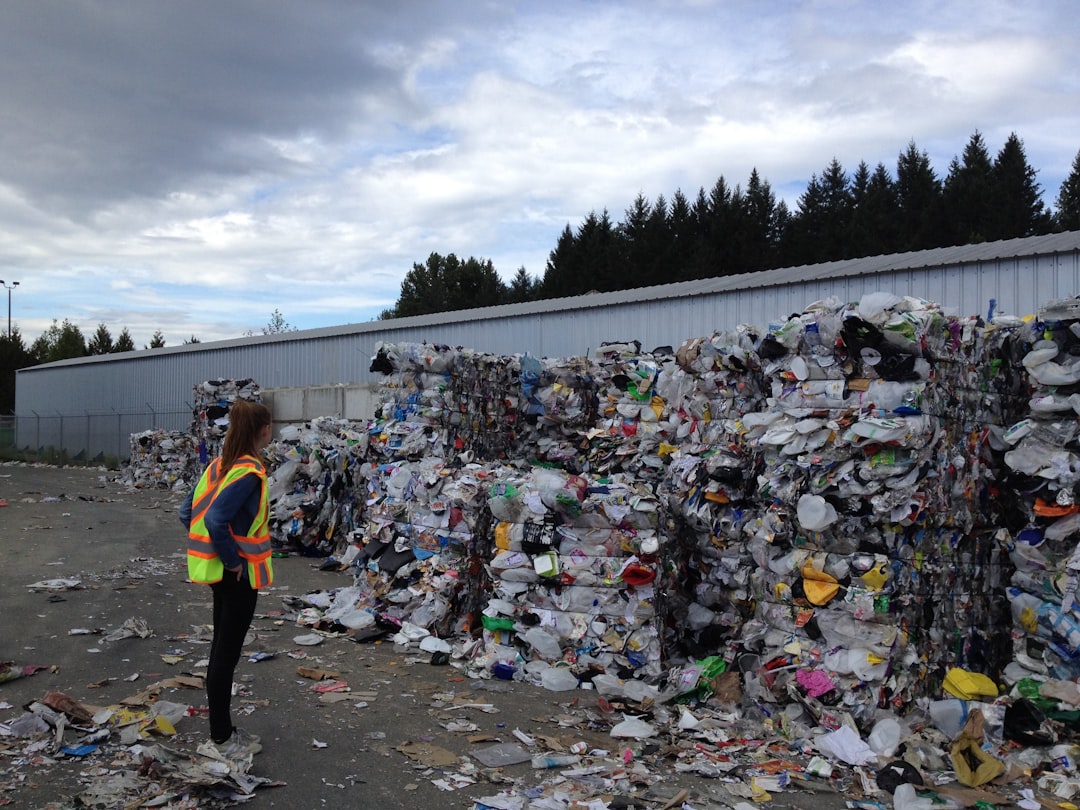
In recent years, the revelation of internal memos from various corporations has shed light on the often-hidden realities of recycling practices. These documents, which were initially intended for internal communication, have exposed a troubling disconnect between corporate messaging and actual recycling efforts. The memos revealed that many companies were aware of the inefficiencies and inadequacies in their recycling programs but chose to prioritize profit over environmental responsibility.
This discovery has sparked a broader conversation about the integrity of corporate sustainability claims and the need for accountability in recycling initiatives. The implications of these internal communications extend beyond individual companies; they raise questions about the entire recycling industry. Stakeholders, including consumers, environmental advocates, and policymakers, are now scrutinizing the practices of corporations that have long touted their commitment to sustainability.
The discovery of these memos has ignited a sense of urgency to address the discrepancies between public relations narratives and the reality of waste management practices. As more information comes to light, it becomes increasingly clear that a reevaluation of recycling strategies is necessary to align corporate actions with environmental goals.
Key Takeaways
- Internal memos reveal significant flaws in current recycling practices.
- Ineffective recycling contributes substantially to environmental degradation and climate change.
- Corporations play a critical role and must increase transparency in their recycling efforts.
- Public awareness and education are essential to improving recycling effectiveness.
- Government regulation and innovative solutions are key to advancing sustainable waste management.
The Ineffectiveness of Current Recycling Practices
Despite the widespread belief that recycling is an effective solution to waste management, current practices often fall short of their intended goals. Many recycling programs are plagued by inefficiencies, such as contamination of recyclable materials and inadequate processing facilities. These issues lead to a significant portion of collected recyclables being sent to landfills instead of being repurposed.
The lack of standardized guidelines across different regions further complicates the situation, as consumers are often left confused about what can and cannot be recycled. Moreover, the infrastructure for recycling is frequently underfunded and outdated. Many municipalities struggle to maintain effective recycling programs due to budget constraints, resulting in limited access to recycling facilities and services.
This inadequacy not only hampers recycling rates but also perpetuates a cycle of waste that undermines environmental efforts. As a result, the promise of recycling as a sustainable solution is increasingly called into question, highlighting the urgent need for comprehensive reform in waste management practices.
The Environmental Impact of Ineffective Recycling

The environmental consequences of ineffective recycling practices are profound and far-reaching. When recyclable materials are not properly processed, they contribute to the growing problem of landfill overflow, which poses significant risks to ecosystems and public health. Landfills emit greenhouse gases such as methane, a potent contributor to climate change, while also leaching harmful chemicals into the soil and groundwater.
This contamination can have devastating effects on local wildlife and plant life, disrupting natural habitats and biodiversity. Additionally, the failure to recycle materials means that more resources must be extracted from the earth to produce new products. This extraction process often involves environmentally damaging practices such as deforestation, mining, and fossil fuel consumption.
The cumulative effect of these actions exacerbates climate change and depletes natural resources at an unsustainable rate. Therefore, the inefficacy of current recycling practices not only undermines efforts to reduce waste but also poses a significant threat to the planet’s health and future sustainability.
The Role of Corporations in Recycling
Corporations play a pivotal role in shaping recycling practices and policies. As major producers of waste, their decisions regarding packaging materials and product design have a direct impact on the recyclability of their products. However, many companies have historically prioritized short-term profits over long-term sustainability, leading to an increase in single-use plastics and non-recyclable materials.
This trend has contributed significantly to the global waste crisis and has raised ethical questions about corporate responsibility. In recent years, some corporations have begun to recognize the importance of sustainable practices and have taken steps to improve their recycling initiatives. This includes investing in research and development for more sustainable materials, implementing take-back programs, and collaborating with environmental organizations to enhance recycling infrastructure.
However, these efforts are often overshadowed by the continued prevalence of unsustainable practices within the industry. For meaningful change to occur, corporations must commit to transparency and accountability in their recycling efforts, ensuring that their actions align with their stated sustainability goals.
The Need for Transparency in Recycling Efforts
| Metric | Value | Source | Notes |
|---|---|---|---|
| Recycling Contamination Rate | 25% | Internal Memo, 2023 | High contamination reduces recycling efficiency |
| Percentage of Recycled Material Actually Reused | 35% | Internal Memo, 2023 | Majority of collected materials end up in landfill |
| Cost per Ton of Recycled Material | 150 | Internal Memo, 2023 | Higher than cost of landfill disposal |
| Energy Consumption for Recycling Process | 1.5x | Internal Memo, 2023 | Compared to producing new materials |
| Public Perception of Recycling Effectiveness | 70% Positive | Survey, 2023 | Contrasts with internal findings |
Transparency is essential for building trust between corporations, consumers, and regulatory bodies regarding recycling efforts. Without clear communication about what happens to recyclable materials after they are collected, skepticism can arise among consumers who may feel misled by corporate sustainability claims. The lack of transparency can also hinder effective policy-making, as policymakers rely on accurate data to develop regulations that promote responsible waste management.
To foster greater transparency, companies should provide detailed reports on their recycling processes, including information on contamination rates, processing methods, and end-of-life outcomes for recyclable materials. By openly sharing this information, corporations can demonstrate their commitment to sustainability while empowering consumers to make informed choices about their purchasing habits. Furthermore, increased transparency can drive competition among companies to improve their recycling practices, ultimately benefiting the environment and society as a whole.
The Importance of Public Awareness and Education
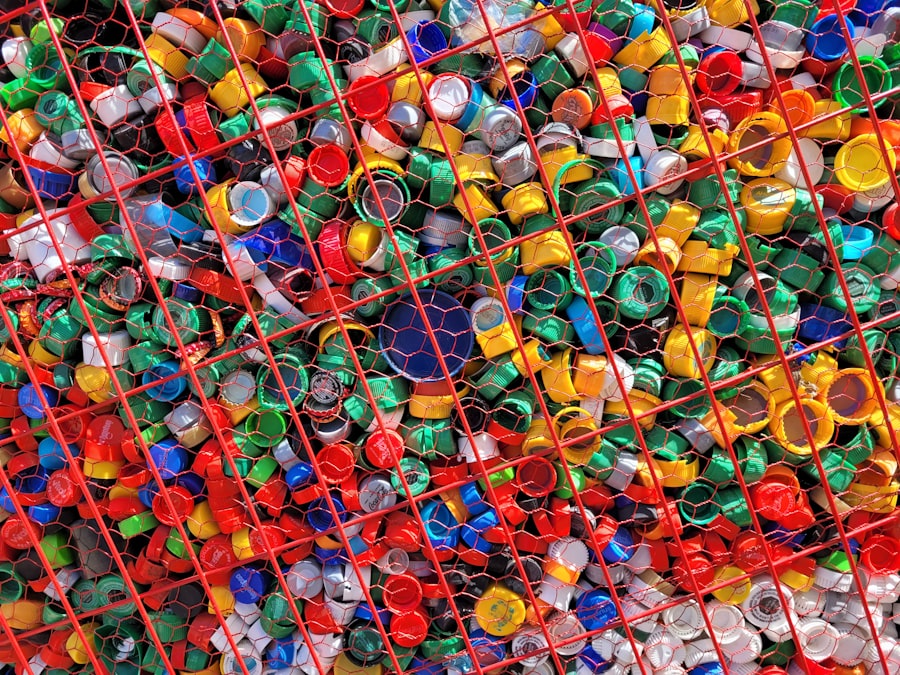
Public awareness and education are critical components in addressing the challenges associated with recycling. Many consumers lack a clear understanding of what can be recycled and how to properly prepare materials for collection. This confusion often leads to contamination in recycling streams, which can render entire batches of recyclables unusable.
By providing comprehensive education on recycling practices, communities can significantly improve participation rates and reduce contamination. Moreover, raising awareness about the environmental impact of waste can inspire individuals to adopt more sustainable behaviors beyond just recycling. Initiatives such as community workshops, school programs, and social media campaigns can help foster a culture of sustainability that encourages individuals to reduce waste at its source through practices like reusing and composting.
By empowering citizens with knowledge and resources, communities can create a more informed public that actively participates in sustainable waste management efforts.
The Potential Solutions to Ineffective Recycling
Addressing the inefficiencies in current recycling practices requires a multifaceted approach that encompasses technological innovation, policy reform, and community engagement. One potential solution is the development of advanced sorting technologies that can more effectively separate recyclable materials from contaminants. Innovations such as artificial intelligence and machine learning can enhance sorting accuracy at recycling facilities, increasing the overall quality of recyclables processed.
Additionally, implementing extended producer responsibility (EPR) policies can hold manufacturers accountable for the lifecycle of their products. EPR encourages companies to design products with recyclability in mind and provides incentives for them to invest in sustainable packaging solutions. By shifting some responsibility for waste management back onto producers, EPR can help create a more circular economy where materials are reused rather than discarded.
The Impact of Recycling on Global Climate Change
Recycling plays a crucial role in mitigating climate change by reducing greenhouse gas emissions associated with waste disposal and resource extraction. When materials are recycled instead of sent to landfills or incinerated, they require less energy for processing compared to producing new products from raw materials. This energy savings translates into lower carbon emissions, making recycling an essential component of climate action strategies.
Furthermore, effective recycling can help conserve natural resources by reducing the need for virgin materials. For instance, recycling aluminum saves up to 95% of the energy required to produce new aluminum from bauxite ore. By promoting recycling as a viable alternative to resource extraction, societies can significantly reduce their carbon footprint while preserving ecosystems for future generations.
The Role of Government in Regulating Recycling Practices
Government intervention is vital in establishing effective recycling practices and ensuring compliance among corporations and municipalities. Regulatory frameworks can set standards for recycling programs, mandate transparency in reporting practices, and incentivize sustainable behaviors among businesses and consumers alike. By creating a supportive policy environment, governments can drive innovation in waste management while holding stakeholders accountable for their environmental impact.
Moreover, government investment in recycling infrastructure is essential for improving access to services and enhancing processing capabilities.
Ultimately, proactive government involvement is crucial for creating a cohesive strategy that addresses the complexities of waste management on both local and global scales.
The Economic Implications of Ineffective Recycling
The economic ramifications of ineffective recycling extend beyond environmental concerns; they also impact local economies and job markets. When recyclable materials are not properly processed or end up in landfills, communities miss out on potential revenue from selling these materials to manufacturers who rely on recycled inputs.
Furthermore, ineffective recycling practices can lead to increased costs associated with waste disposal and environmental remediation efforts. As landfills reach capacity and regulations become stricter regarding waste management practices, municipalities may face rising expenses that could otherwise be mitigated through improved recycling programs. By investing in effective recycling solutions now, communities can save money in the long run while fostering economic growth through sustainable practices.
The Future of Recycling and Sustainable Waste Management
The future of recycling hinges on innovation, collaboration, and a collective commitment to sustainability across all sectors of society. As technology continues to advance, new methods for processing recyclables will emerge that enhance efficiency and reduce contamination rates. Additionally, increased collaboration between corporations, governments, and non-profit organizations will be essential for developing comprehensive strategies that address the complexities of waste management.
Public engagement will also play a critical role in shaping the future of recycling efforts. As awareness grows around environmental issues and climate change impacts become more pronounced, individuals will increasingly demand accountability from corporations regarding their sustainability practices. By fostering a culture of sustainability through education and community involvement, societies can work towards creating a circular economy where waste is minimized, resources are conserved, and environmental stewardship is prioritized.
In conclusion, addressing the challenges associated with ineffective recycling requires a concerted effort from all stakeholders involved—corporations must prioritize transparency and accountability; governments must establish robust regulatory frameworks; individuals must engage in sustainable behaviors; and innovative solutions must be embraced to create a more effective waste management system. Only through collaboration can society hope to overcome the obstacles posed by current practices and pave the way for a more sustainable future.
Recent discussions surrounding the effectiveness of recycling have been fueled by various studies and articles, including one that highlights how internal memos reveal the shortcomings of recycling programs. For a deeper understanding of this topic, you can read more in the article found here: Internal Memos Prove Recycling Doesn’t Work. This article delves into the complexities and challenges faced by recycling initiatives, shedding light on why they may not be as effective as intended.
WATCH THIS! 🚨 THE RECYCLING LIE: How Big Oil Fooled the World for 50 Years 🚨
FAQs
What are internal memos regarding recycling?
Internal memos are confidential communications within an organization that may discuss various topics, including the effectiveness and challenges of recycling programs.
Do internal memos prove that recycling doesn’t work?
Internal memos alone do not constitute definitive proof that recycling doesn’t work. They may highlight challenges or limitations, but comprehensive scientific studies and data are necessary to evaluate the overall effectiveness of recycling.
What are some common challenges mentioned in discussions about recycling?
Common challenges include contamination of recyclable materials, high processing costs, limited markets for recycled materials, and inefficiencies in collection and sorting systems.
Is recycling beneficial for the environment?
Recycling can reduce waste sent to landfills, conserve natural resources, save energy, and reduce greenhouse gas emissions. However, its benefits depend on effective implementation and market demand for recycled materials.
Are there alternatives to traditional recycling?
Yes, alternatives include waste reduction, reuse, composting organic waste, and developing circular economy models that minimize waste generation.
How can recycling programs be improved?
Improvements can include better public education, enhanced sorting technologies, stronger markets for recycled materials, and policies that support sustainable product design and waste management.
Should individuals continue to recycle?
Yes, individuals are encouraged to recycle according to local guidelines, as recycling remains a key component of waste management and environmental conservation efforts.