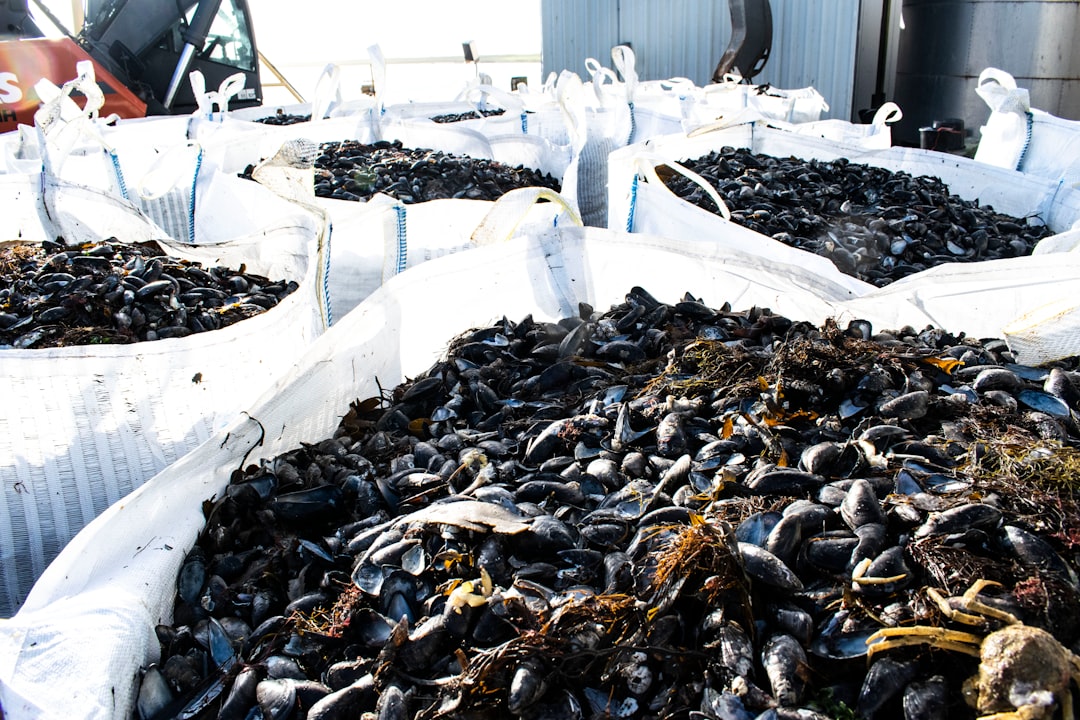
The fishing industry, a cornerstone of global food security and economic activity, relies heavily on the efficient and hygienic operation of seafood processing plants. These facilities, often the crucial link between catch and consumer, face a myriad of challenges in maintaining optimal conditions. From ensuring product safety and quality to safeguarding employee well-being and environmental sustainability, the stakes are undeniably high. This article examines key areas for improvement within seafood processing plants, offering insights into best practices and technological advancements that can elevate industry standards.
The primary imperative of any seafood processing plant is to deliver safe and high-quality products to the market. Contamination, spoilage, and mislabeling not only pose public health risks but also erode consumer trust and incur significant financial penalties. A robust food safety and quality assurance system is therefore non-negotiable. You can learn more about the issue of shrimp slavery in this informative video.
Implementing and Maintaining Hazard Analysis and Critical Control Points (HACCP)
HACCP is a preventive approach to food safety, identifying and controlling biological, chemical, and physical hazards throughout the food production process. For seafood processing, this translates to meticulous attention at every stage, from reception of raw materials to packaging and storage.
- Hazard Identification: This involves a comprehensive analysis of potential hazards specific to the seafood species being processed, considering both intrinsic factors (e.g., histamine formation in scombrotoxin-forming fish) and extrinsic factors (e.g., heavy metal contamination, pathogen introduction).
- Critical Control Point (CCP) Determination: CCPs are points in the process where control can be applied to prevent, eliminate, or reduce a food safety hazard to an acceptable level. Examples in seafood processing include chilling temperatures, cooking times, and sanitation procedures.
- Establishment of Critical Limits: Each CCP must have clearly defined critical limits that differentiate between safe and unsafe operating conditions. For instance, a critical limit for chilling might be a maximum temperature of 4°C.
- Monitoring Procedures: Regular, documented monitoring of CCPs is essential to ensure that critical limits are consistently met. This includes calibrated thermometers for temperature control, visual inspections for hygiene, and chemical tests for sanitizer efficacy.
- Corrective Actions: When monitoring indicates a deviation from a critical limit, predefined corrective actions must be immediately implemented. This might involve re-chilling non-compliant products, re-cleaning contaminated equipment, or rejecting entire batches of raw material.
- Verification Procedures: Periodical verification activities, such as internal audits, microbiological testing of finished products, and review of records, confirm that the HACCP system is effective and being adhered to.
- Record-Keeping: Meticulous documentation of all HACCP-related activities provides an auditable trail, demonstrating compliance and facilitating continuous improvement.
Adopting Advanced Detection Technologies
While traditional methods remain vital, technological advancements offer enhanced capabilities in detecting contaminants and assessing freshness.
- Spectroscopic Techniques: Near-infrared (NIR) and hyperspectral imaging can non-invasively assess fish freshness, detect parasitic infestations, and identify adulteration. These techniques analyze the light absorption or reflection properties of the seafood, revealing its internal composition and quality parameters.
- Biosensors and Immunoassays: These rapid diagnostic tools can detect specific pathogens (e.g., Salmonella, Listeria monocytogenes) and allergens (e.g., shellfish allergens) with high sensitivity and specificity, providing real-time results crucial for immediate intervention.
- Automated X-ray Inspection Systems: These systems can identify foreign objects (e.g., bone fragments, metal, plastic) embedded within seafood products, preventing consumer hazards and product recalls. They operate by analyzing the density differences between the product and potential contaminants.
- DNA Barcoding and Environmental DNA (eDNA) Analysis: These molecular techniques are increasingly employed for species authentication, combating mislabeling and ensuring traceability. DNA barcoding identifies a species from a short genetic sequence, while eDNA can detect the presence of species from remnants of genetic material in water samples, aiding in environmental monitoring.
In recent discussions about the conditions in seafood processing plants, it’s crucial to consider the impact of hygiene and safety standards on both workers and consumers. A related article that delves into the various challenges faced by these facilities can be found at this link. It highlights the importance of maintaining rigorous protocols to ensure the quality of seafood products and the health of those involved in the processing industry.
Optimizing Operational Efficiency and Throughput
Beyond safety, the economic viability of a seafood processing plant hinges on its ability to operate efficiently, maximizing throughput while minimizing waste and production costs. Efficiency is the engine of profitability, allowing plants to navigate the competitive waters of the global seafood market.
Integrating Automation and Robotics
Automation can revolutionize various aspects of seafood processing, reducing manual labor, increasing processing speed, and enhancing consistency.
- Automated Filleting and Portioning: Robotic systems, equipped with advanced vision technology, can precisely fillet and portion fish, adapting to variations in fish size and shape. This reduces yield loss, improves product uniformity, and mitigates ergonomic stress on workers.
- Automated Packaging and Palletizing: Robotic arms can efficiently pack seafood products into various formats and then neatly stack them onto pallets, accelerating the end-of-line process and reducing labor requirements for repetitive tasks.
- Automated Washing and Sanitation Systems: Computer-controlled washing systems can apply precise amounts of cleaning agents and high-pressure water, ensuring thorough sanitation of equipment and processing areas, often more effectively and consistently than manual methods.
- Conveyor Systems and Automated Sorting: Efficient conveyor belts and automated sorting mechanisms, often employing optical sensors, can rapidly move and categorize seafood based on size, species, or quality, streamlining the production flow.
Implementing Lean Manufacturing Principles
Originating from the automotive industry, lean principles focus on identifying and eliminating waste in all its forms, from unnecessary motion to overproduction.
- Value Stream Mapping: This visual tool helps to identify all steps involved in the processing of seafood, distinguishing between value-adding activities and non-value-adding waste. Understanding the flow allows for strategic removal of bottlenecks.
- Just-In-Time (JIT) Inventory: Minimizing raw material and finished product inventory reduces storage costs, spoilage risk, and the capital tied up in stock. This requires close coordination with suppliers and demand forecasting.
- Total Productive Maintenance (TPM): TPM emphasizes proactive equipment maintenance to prevent breakdowns and maximize uptime. Regular inspections, preventive repairs, and operator involvement in maintenance tasks are key components.
- Continuous Improvement (Kaizen): Fostering a culture of continuous improvement empowers employees at all levels to identify and implement small, incremental improvements to processes, leading to significant cumulative gains over time.
Prioritizing Employee Well-being and Safety
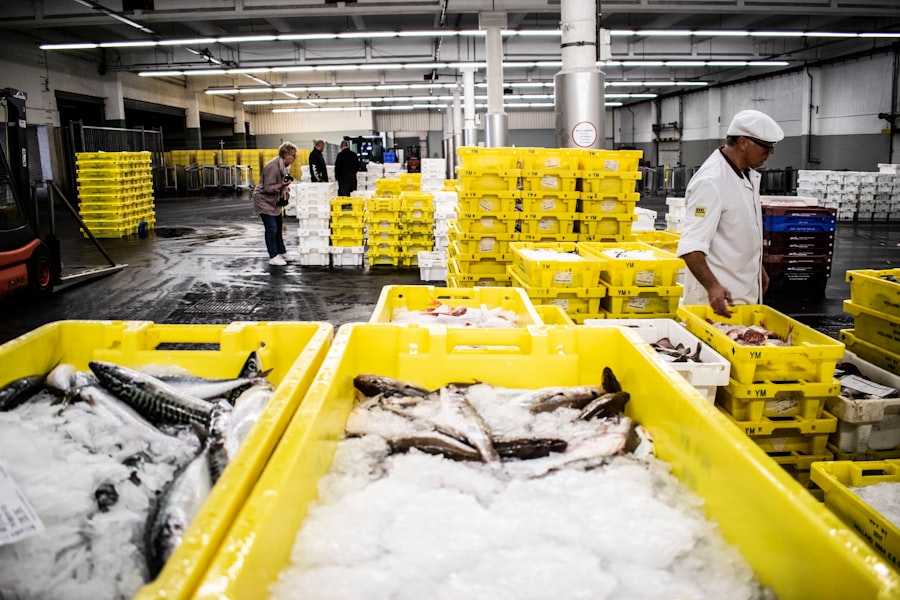
A productive workforce is a safe workforce. Ignoring worker safety not only leads to ethical concerns and potential legal liabilities but also impacts productivity, morale, and staff retention. Plants are not just machines and fish; they are communities of people.
Enhancing Ergonomics and Workflow Design
Seafood processing often involves repetitive motions, heavy lifting, and prolonged standing, which can lead to musculoskeletal disorders.
- Adjustable Workstations: Providing workstations that can be adjusted to the height and reach of individual workers reduces strain on the back, shoulders, and wrists.
- Mechanical Aids for Lifting: Implementing hoists, forklifts, and conveyers minimizes manual lifting of heavy crates and equipment, preventing back injuries.
- Anti-Fatigue Mats: Placing anti-fatigue mats in areas where workers stand for extended periods can reduce discomfort and improve circulation.
- Rotation of Tasks: Rotating workers through different tasks throughout the shift can prevent overuse injuries by varying muscle groups and movements.
- Optimized Layout: Designing the plant layout to minimize unnecessary movement and travel distances for workers reduces fatigue and improves efficiency.
Implementing Comprehensive Safety Training Programs
Regular and effective safety training is paramount to preventing accidents and fostering a safety-conscious culture.
- Hazard Communication: Training employees on the proper handling of chemicals, understanding safety data sheets (SDS), and the correct use of personal protective equipment (PPE) is critical.
- Machine Guarding: Education on the importance of machine guards, lockout/tagout procedures for equipment maintenance, and safe operation of machinery prevents entanglement and crushing injuries.
- Slips, Trips, and Falls Prevention: Training on proper footwear, maintaining clear walkways, prompt spill cleanup, and the use of anti-slip floor treatments addresses common workplace hazards.
- Emergency Procedures: All employees must be familiar with emergency exits, fire extinguisher locations, first-aid procedures, and evacuation plans. Regular drills reinforce this knowledge.
- First Aid and CPR Certification: Having a significant number of employees trained in basic first aid and CPR ensures immediate response to injuries or medical emergencies.
Providing Appropriate Personal Protective Equipment (PPE)
PPE acts as the last line of defense against workplace hazards. Its selection, provision, and consistent use are vital.
- Cut-Resistant Gloves: Essential for tasks involving knives and sharp tools to prevent lacerations.
- Waterproof Aprons and Rain Gear: Protect against splashes and keep workers dry in wet working environments.
- Non-Slip Footwear: Crucial for maintaining traction on wet and sometimes oily floors, preventing falls.
- Head Protection: Hard hats or bumps caps are necessary in areas with overhead hazards or low-hanging equipment.
- Hearing Protection: Earplugs or earmuffs are vital in noisy processing areas to prevent noise-induced hearing loss.
- Eye Protection: Safety glasses or goggles protect against splashes of chemicals, fish scales, or other airborne debris.
Adhering to Environmental Sustainability Practices

The oceans are not an endless pantry, and their health directly impacts the seafood industry’s long-term viability. Processing plants have a significant role to play in minimizing their environmental footprint. This is no longer merely a “good to have” but a strategic imperative.
Managing Wastewater and Effluent Discharge
Seafood processing generates substantial volumes of wastewater, which, if not properly treated, can pollute aquatic ecosystems.
- Pre-treatment Technologies: Implementing screens, dissolved air flotation (DAF), and primary sedimentation tanks removes solids, fats, oils, and grease before discharge into municipal treatment systems or further on-site treatment.
- Biological Treatment: Anaerobic and aerobic biological reactors can effectively reduce the organic load (BOD/COD) in wastewater, converting pollutants into less harmful byproducts.
- Membrane Filtration: Technologies like ultrafiltration and reverse osmosis can further purify wastewater, potentially allowing for greywater reuse in non-food contact applications within the plant, conserving freshwater resources.
- Nutrient Removal: Advanced treatment processes are necessary to remove nitrogen and phosphorus compounds, which can contribute to eutrophication in receiving waters.
Reducing Energy Consumption
Energy is a significant operating cost and a major contributor to greenhouse gas emissions.
- Energy-Efficient Equipment: Investing in high-efficiency motors, refrigeration systems, and lighting (e.g., LED) can drastically reduce energy consumption.
- Optimized Refrigeration Management: Regular maintenance of refrigeration coils, proper insulation of cold storage areas, and optimizing defrost cycles can lead to substantial energy savings.
- Waste Heat Recovery: Capturing waste heat from processes like cooking or steam generation and using it for preheating water or other low-temperature applications can improve overall energy efficiency.
- Renewable Energy Integration: Exploring solar panels or other renewable energy sources for on-site power generation can reduce reliance on fossil fuels, offering a pathway toward energy independence and sustainability.
Minimizing Solid Waste Generation
From fish heads and guts to packaging materials, solid waste is an inevitable byproduct, but its volume can be reduced and its value extracted.
- By-product Utilization: Exploring markets for fish trimmings, bones, and skin, which can be processed into fishmeal, fish oil, collagen, or even pet food, transforms waste into valuable resources.
- Reduced Packaging: Optimizing packaging designs to minimize material usage, utilizing recyclable or biodegradable materials, and promoting reusable containers can significantly lessen packaging waste.
- Composting and Anaerobic Digestion: Organic waste that cannot be valorized can be diverted to composting facilities or anaerobic digesters to produce soil amendments or biogas, respectively, rather than ending up in landfills.
- Waste Audits: Regular waste audits help identify the types and quantities of waste generated, pinpointing areas where waste reduction efforts can be most effective.
In recent discussions about the seafood industry, the conditions within processing plants have come under scrutiny, highlighting the need for improved safety and hygiene standards. A related article explores various aspects of these conditions and their impact on both workers and product quality. For more insights, you can read the full article here. This examination sheds light on the challenges faced by the industry and emphasizes the importance of maintaining high standards to ensure the well-being of both employees and consumers.
Embracing Digitalization and Traceability
| Condition | Metric | Recommended Range/Value | Measurement Unit | Notes |
|---|---|---|---|---|
| Water Temperature | Processing Water Temp | 0 – 4 | °C | Maintains freshness and inhibits bacterial growth |
| Air Temperature | Processing Area Temp | 10 – 15 | °C | Prevents spoilage during handling |
| Humidity | Relative Humidity | 85 – 95 | % | Prevents drying out of seafood products |
| Sanitation | Surface Cleanliness | Less than 10 CFU/cm² | Colony Forming Units | Ensures hygienic processing environment |
| pH Level | Processing Water pH | 6.5 – 8.5 | pH units | Optimal for seafood preservation and safety |
| Lighting | Illumination Level | 300 – 500 | Lux | Ensures proper visibility for inspection and processing |
| Air Quality | Particulate Matter | Below 50 | µg/m³ | Reduces contamination risk |
| Noise Level | Ambient Noise | Below 85 | dB | Ensures worker safety and comfort |
In an increasingly interconnected world, the ability to track seafood products from their origin to the consumer’s plate is no longer a luxury but a fundamental expectation. Digital solutions illuminate the journey, building trust and providing critical data.
Implementing End-to-End Traceability Systems
Traceability is crucial for food safety, combating illegal fishing, and verifying sustainability claims.
- Blockchain Technology: Blockchain offers a secure, immutable, and transparent ledger for recording every transaction and event in the seafood supply chain, from catch data to processing details and shipping information. This distributed ledger technology ensures data integrity and helps prevent fraud.
- RFID and QR Codes: Radio-Frequency Identification (RFID) tags and Quick Response (QR) codes can be attached to individual seafood packages or pallets, allowing for rapid scanning and access to detailed product information, including catch location, species, harvest date, and processing facility.
- Integrated Data Management Platforms: Centralized software platforms can integrate data from various points in the supply chain, providing real-time visibility and enabling rapid recall of affected products if a safety issue arises.
- Digital Catch and Landing Declarations: Moving from paper-based to digital declarations for catch data and landings improves accuracy, reduces administrative burden, and enhances the ability of authorities to monitor fishing activities.
Utilizing Data Analytics for Decision-Making
The vast amounts of data generated within a modern seafood processing plant are a goldmine for informed decision-making.
- Predictive Maintenance: Analyzing data from equipment sensors can predict potential breakdowns before they occur, allowing for proactive maintenance and minimizing costly downtime.
- Yield Optimization: Tracking yield rates at various processing stages, combined with data on raw material characteristics, can help identify areas for process improvement to maximize product recovery.
- Quality Control Analytics: Statistical process control (SPC) and other analytical tools can identify trends in quality defects, allowing for timely adjustments to processing parameters.
- Demand Forecasting: Analyzing historical sales data, seasonal variations, and market trends can improve the accuracy of demand forecasts, leading to better production planning and reduced waste from overproduction or stockouts.
- Supply Chain Optimization: Data analytics can identify inefficiencies in the supply chain, optimizing logistics, reducing transportation costs, and improving delivery times.
In conclusion, the modern seafood processing plant is a complex ecosystem, a confluence of biological materials, sophisticated machinery, and human endeavor. Improving its conditions is not merely about incremental adjustments; it is about embracing a holistic vision. By focusing on stringent food safety protocols, harnessing the power of automation and lean principles, prioritizing the well-being of its workforce, committing to environmental stewardship, and leveraging digital technologies, the industry can navigate the challenging currents of global demand and regulatory scrutiny. The journey toward excellence is continuous, a constant pursuit of better, safer, and more sustainable practices. For those involved, the reward is not just economic prosperity, but the assurance of delivering a vital and healthy resource to the world’s tables.
FAQs
What are the typical environmental conditions maintained in a seafood processing plant?
Seafood processing plants typically maintain low temperatures, usually between 0°C and 4°C (32°F to 39°F), to ensure product freshness and inhibit bacterial growth. Humidity levels are controlled to prevent drying out of seafood, and clean, sanitized environments are maintained to meet food safety standards.
Why is temperature control important in seafood processing plants?
Temperature control is crucial because seafood is highly perishable. Keeping seafood at low temperatures slows down microbial growth and enzymatic activity, preserving quality, texture, and safety. Improper temperature management can lead to spoilage and foodborne illnesses.
What hygiene practices are commonly enforced in seafood processing plants?
Seafood processing plants enforce strict hygiene practices including regular hand washing, use of protective clothing, sanitization of equipment and surfaces, pest control, and proper waste disposal. These measures help prevent contamination and ensure compliance with food safety regulations.
How is air quality managed in seafood processing facilities?
Air quality is managed through ventilation systems that reduce airborne contaminants and control humidity. Some plants use filtered air systems to minimize dust, microbes, and odors, ensuring a clean environment that protects both workers and seafood products.
What regulations govern the conditions in seafood processing plants?
Seafood processing plants are regulated by food safety authorities such as the FDA (Food and Drug Administration) in the U.S., the European Food Safety Authority (EFSA) in Europe, and other national agencies. These regulations cover sanitation, temperature control, worker hygiene, and facility maintenance to ensure safe seafood production.