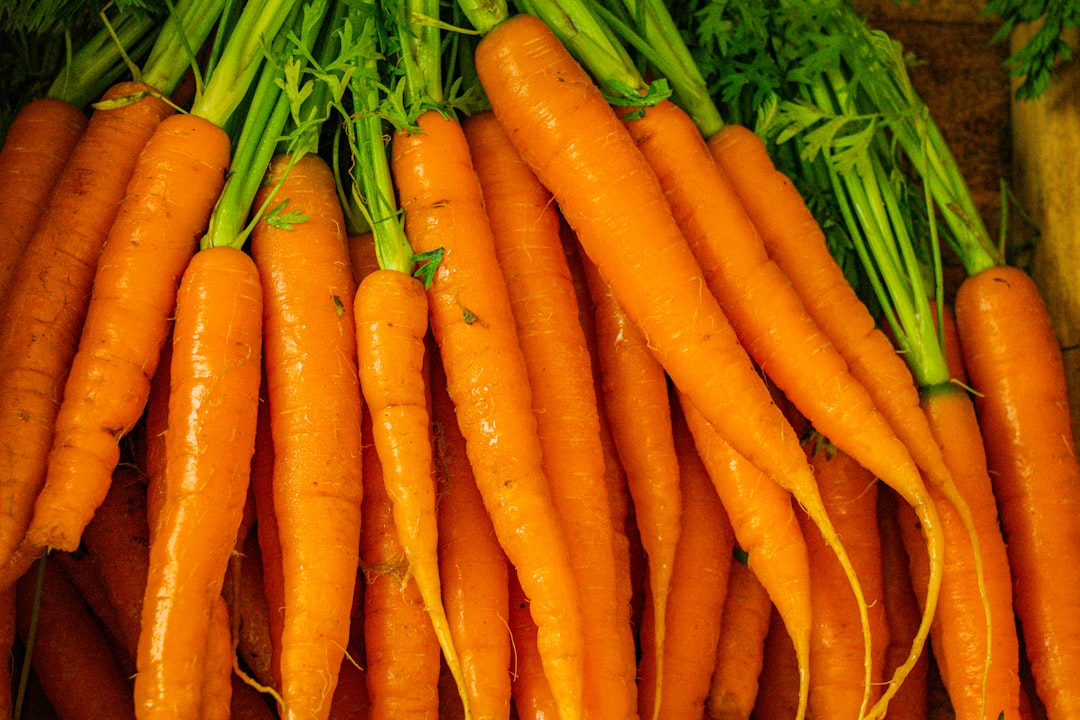
The 5% Organic Food Rule establishes labeling standards for organic products sold in grocery stores. According to this regulation, products containing at least 95% organic ingredients qualify for the “organic” label. Products with 70% to 94% organic ingredients may only be labeled as “made with organic ingredients.”
This labeling system provides consumers with clear information about organic content in food products.
The distinction between these categories allows shoppers to identify products that meet different organic standards and make purchasing decisions based on their preferences. Organic products are typically produced without synthetic pesticides, herbicides, or genetically modified organisms (GMOs). The 5% Organic Food Rule supports both consumer health considerations and sustainable agricultural practices.
Understanding these labeling regulations enables consumers to select products that correspond with their health objectives and environmental values. Knowledge of organic certification standards helps consumers navigate product choices and support farming methods that prioritize environmental sustainability.
Key Takeaways
- The 5% Organic Food Rule helps consumers understand labeling and ensures transparency in organic product claims.
- Learning to read labels is essential for identifying genuine organic foods and making informed purchasing decisions.
- Incorporating organic fruits, vegetables, grains, and legumes into your diet offers health benefits and supports environmental sustainability.
- Budget-friendly strategies and growing your own organic produce can make organic eating more accessible and affordable.
- Committing to organic eating positively impacts overall wellness and the environment, with practical tips to maintain this lifestyle long-term.
How to Identify Organic Foods: Tips for Reading Labels and Making Informed Choices
Navigating the grocery aisles can be overwhelming, especially when it comes to identifying organic foods. One of the first steps you can take is to familiarize yourself with the various labels. Look for the USDA Organic seal, which guarantees that the product meets strict federal guidelines.
This seal is your assurance that the food has been produced without synthetic fertilizers or pesticides and adheres to organic farming practices. When you see this label, you can feel confident that you’re making a healthy choice. In addition to the USDA seal, pay attention to the ingredient list.
If you’re looking at a product labeled “organic,” check to see if the majority of its ingredients are indeed organic. If the product claims to be “made with organic ingredients,” ensure that at least 70% of its contents are organic. This diligence will help you avoid misleading labels and ensure that you’re getting the most out of your organic purchases.
Remember, knowledge is power; the more you understand what these labels mean, the better choices you can make for your health and well-being.
Incorporating Organic Fruits and Vegetables into Your Daily Diet: Easy and Delicious Recipes

Incorporating organic fruits and vegetables into your daily diet doesn’t have to be a daunting task. In fact, it can be quite enjoyable! Start by adding a colorful array of organic produce to your meals.
For breakfast, consider whipping up a smoothie using organic spinach, bananas, and berries. Blend them together with some almond milk for a refreshing start to your day. Not only will this provide you with essential nutrients, but it will also set a positive tone for your eating habits.
For lunch or dinner, try creating a vibrant salad using organic mixed greens, cherry tomatoes, cucumbers, and avocado. Drizzle some olive oil and balsamic vinegar on top for a simple yet delicious dressing.
These recipes are not only easy to prepare but also highlight the natural flavors of organic produce, making healthy eating an enjoyable experience.
Navigating the Organic Meat and Dairy Aisles: What to Look for and What to Avoid
When it comes to purchasing organic meat and dairy products, there are specific factors you should consider to ensure you’re making informed choices. First and foremost, look for products that carry the USDA Organic label. This certification guarantees that the animals were raised without antibiotics or growth hormones and were fed organic feed.
Additionally, these animals must have access to outdoor spaces, which is essential for their well-being. However, not all organic meat and dairy products are created equal. Be cautious of terms like “natural” or “free-range,” as these labels can be misleading.
They do not necessarily mean that the product meets organic standards. Always read the fine print on packaging to ensure you’re getting what you expect. By being vigilant in your shopping habits, you can make choices that align with your health goals while supporting ethical farming practices.
Making the Switch to Organic Grains and Legumes: Benefits for Your Health and the Environment
| Metric | Description | Value | Source/Notes |
|---|---|---|---|
| Organic Food Market Share | Percentage of total food sales attributed to organic products | 5% | Represents the “five percent rule” threshold in some markets |
| Consumer Willingness to Pay Premium | Average premium consumers pay for organic food over conventional | 20-30% | Varies by product category and region |
| Organic Farming Land Use | Percentage of total agricultural land dedicated to organic farming | Approximately 5% | Reflects limited but growing organic cultivation |
| Growth Rate of Organic Food Sales | Annual increase in organic food sales volume | 8-10% per year | Indicates steady market expansion beyond the 5% baseline |
| Consumer Awareness of Organic Labeling | Percentage of consumers who recognize and trust organic certification | Over 70% | Supports market growth and adherence to organic standards |
Transitioning to organic grains and legumes can significantly benefit both your health and the environment. Organic grains such as quinoa, brown rice, and oats are grown without harmful pesticides or synthetic fertilizers, making them a healthier choice for you and your family. These grains are often richer in nutrients compared to their conventional counterparts, providing essential vitamins and minerals that support overall well-being.
Moreover, choosing organic legumes like lentils and chickpeas contributes positively to sustainable agriculture. These crops help improve soil health by fixing nitrogen in the soil, reducing the need for chemical fertilizers. By incorporating more organic grains and legumes into your diet, you’re not only nourishing your body but also supporting farming practices that promote ecological balance.
This dual benefit makes the switch to organic an appealing choice for anyone looking to enhance their diet while being mindful of their environmental impact.
Budget-Friendly Tips for Buying Organic: How to Prioritize Your Purchases and Save Money

Eating organic doesn’t have to break the bank; there are several strategies you can employ to make it more affordable. One effective approach is to prioritize your purchases based on the Environmental Working Group’s (EWG) Dirty Dozen list. This list highlights fruits and vegetables that tend to have higher pesticide residues when conventionally grown.
By focusing on buying these items organic, you can maximize your health benefits while minimizing costs. Another budget-friendly tip is to buy in bulk whenever possible. Many stores offer discounts on bulk purchases of organic grains, nuts, and seeds.
Additionally, consider shopping at local farmers’ markets where you can often find fresh organic produce at lower prices than traditional grocery stores. Building relationships with local farmers can also lead to better deals and fresher options. By being strategic about your purchases, you can enjoy the benefits of organic eating without straining your wallet.
Growing Your Own Organic Produce: Tips for Starting a Garden and Reaping the Benefits
If you’re passionate about organic eating, why not take it a step further by growing your own produce? Starting an organic garden can be a rewarding experience that allows you to have complete control over what goes into your food. Begin by selecting a sunny spot in your yard or even using containers if space is limited.
Choose easy-to-grow crops like tomatoes, lettuce, or herbs to get started. As you cultivate your garden, remember to use organic seeds and natural fertilizers like compost or manure to maintain soil health without synthetic chemicals. Regularly tending to your plants will not only yield fresh produce but also provide a sense of accomplishment and connection to your food source.
Plus, there’s nothing quite like enjoying a meal made from ingredients you’ve grown yourself—it’s a delicious way to embrace an organic lifestyle.
Overcoming Common Obstacles to Eating Organic: Addressing Concerns and Finding Solutions
While many people aspire to eat organically, various obstacles may stand in their way.
However, by implementing budget-friendly strategies like buying in bulk or shopping at local markets, you can overcome these barriers without sacrificing quality or health.
Another challenge is the misconception that organic foods lack flavor or variety. In reality, many people find that organic produce often tastes fresher and more vibrant than conventional options due to its natural growing methods. If you’re unsure where to start or feel overwhelmed by choices, consider joining local community groups or online forums focused on organic eating.
Engaging with others who share similar goals can provide support and inspiration as you navigate this journey toward healthier eating.
The Environmental Impact of Choosing Organic: How Your Choices Can Make a Difference
Your food choices have far-reaching consequences beyond just personal health; they also impact the environment significantly. By choosing organic products, you’re supporting farming practices that prioritize biodiversity and soil health while reducing pollution from synthetic chemicals. Organic farming methods often promote crop rotation and cover cropping, which help maintain healthy ecosystems.
Moreover, opting for organic foods reduces reliance on fossil fuels used in conventional agriculture for pesticides and fertilizers. By making conscious decisions about what you eat, you’re contributing to a more sustainable food system that benefits not only your health but also future generations. Every time you choose organic over conventional options, you’re casting a vote for environmental stewardship—an empowering realization that underscores the importance of mindful eating.
Exploring the Connection Between Organic Food and Overall Wellness: How It Can Improve Your Health
The link between organic food consumption and overall wellness is becoming increasingly evident as research continues to emerge in this area. Studies suggest that organic foods may contain higher levels of antioxidants and essential nutrients compared to conventionally grown counterparts due to their natural growing methods. These nutrients play a vital role in supporting immune function and reducing inflammation in the body.
Additionally, many people report feeling better physically when they switch to an organic diet—experiencing improved digestion, increased energy levels, and even enhanced mental clarity. By prioritizing whole foods free from harmful chemicals or additives, you’re not just nourishing your body; you’re also fostering a holistic approach to wellness that encompasses both physical health and emotional well-being.
Sustaining Your Commitment to Organic Eating: Strategies for Staying on Track and Making it a Long-Term Lifestyle Choice
Committing to an organic lifestyle requires dedication but can be incredibly rewarding in the long run. One effective strategy is meal planning; by preparing meals ahead of time using organic ingredients, you’ll reduce impulse purchases while ensuring you’re eating healthily throughout the week. Consider setting aside time each week to plan out meals based on seasonal produce available at local markets.
Another way to sustain your commitment is by continuously educating yourself about the benefits of organic eating—whether through books, documentaries, or community workshops focused on sustainable agriculture practices. Surrounding yourself with like-minded individuals who share similar values can also provide motivation and accountability as you navigate this journey together. By implementing these strategies into your daily routine, you’ll find it easier than ever to maintain an organic lifestyle while enjoying all its benefits—both for yourself and the planet.
The five percent rule in organic food labeling is an important guideline that helps consumers understand what qualifies as organic. According to this rule, if a product contains less than five percent of non-organic ingredients, it can still be labeled as organic. For more insights on organic food and its regulations, you can read a related article on this topic at Hey Did You Know This.
FAQs
What is the Organic Food Five Percent Rule?
The Organic Food Five Percent Rule refers to a guideline used in labeling and marketing organic food products. It allows products containing at least 5% organic ingredients to be labeled in a way that highlights their organic content, even if the entire product is not fully organic.
Why is the Five Percent Rule important for organic food labeling?
This rule helps consumers identify products that contain some organic ingredients without misleading them into thinking the entire product is organic. It provides transparency and helps maintain trust in organic labeling standards.
Does the Five Percent Rule apply to all organic food products?
No, the Five Percent Rule typically applies to processed foods or products that contain a mix of organic and non-organic ingredients. Pure organic products or those labeled as “100% organic” must meet stricter standards.
How does the Five Percent Rule affect consumer choices?
The rule allows consumers to make informed decisions by understanding that a product contains a minimum amount of organic ingredients. It can influence purchasing decisions for those seeking to increase organic food consumption gradually.
Are there regulations governing the Five Percent Rule?
Yes, regulatory bodies such as the USDA in the United States have established guidelines for organic labeling, including the Five Percent Rule. These regulations ensure consistency and accuracy in how organic claims are presented on packaging.
Can a product with only 5% organic ingredients be labeled as organic?
Products with only 5% organic ingredients cannot be labeled as “organic” alone. They may use phrases like “made with organic ingredients” if they meet specific criteria, but the overall product must clearly indicate the proportion of organic content.
Is the Five Percent Rule the same worldwide?
No, organic labeling rules, including thresholds like the Five Percent Rule, can vary by country. Different nations have their own standards and certification processes for organic foods.
What should consumers look for to verify organic claims?
Consumers should look for official organic certification logos, ingredient lists, and labeling statements that specify the percentage of organic content. Checking for certification by recognized bodies ensures the product meets organic standards.