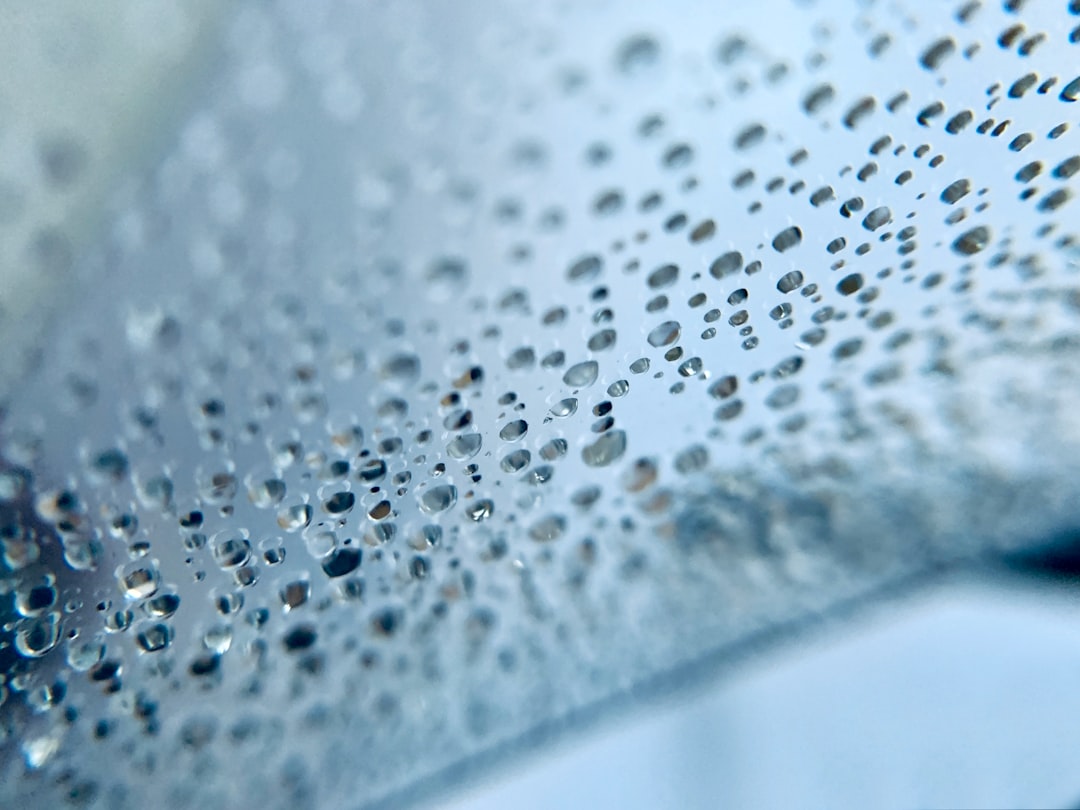
You’ve likely encountered “hydrophobic coating” in various contexts, from self-cleaning car windshields to water-repellent clothing. The promise is enticing: surfaces that repel water and stains, making them easier to maintain and more durable. But when you’re considering applying such a coating, whether to your vehicle, your home, or your personal gear, a crucial question arises: what’s the actual cost, and how does it stack up against the price you’ll see on the shelf? This article aims to dissect the hydrophobic coating market by comparing manufacturing costs with retail pricing, helping you understand where your money is going and what to expect when making a purchase.
Before delving into specific price points, it’s essential to grasp the fundamental elements that contribute to the cost of producing hydrophobic coatings. This involves examining raw material selection, the complexity of synthesis, and the scale of manufacturing. These factors directly inform the baseline cost that manufacturers face before any retail markup is applied.
Raw Material Foundations
The performance of a hydrophobic coating is intrinsically linked to its chemical composition. The primary building blocks are typically long-chain molecules, often silicones or fluoropolymers, which possess either hydrophobic (water-repelling) or oleophobic (oil-repelling) properties.
Silicone-Based Formulations
Silicones, particularly silanes and siloxanes, are prevalent in many consumer-grade hydrophobic coatings. Their silicon-oxygen backbone provides inherent stability, while the organic side chains dictate their surface properties. The cost of silicones can vary depending on their purity, molecular weight, and any functional groups they possess (e.g., those facilitating adhesion to specific substrates). Less refined silicones might be cheaper but could offer inferior durability or adhesion. Higher-grade silicones, engineered for specific applications, naturally command a higher raw material cost.
Fluoropolymer Powerhouses
Fluoropolymers, such as those based on perfluorinated alkyl substances (PFAS) or their newer, less persistent alternatives, are known for their exceptional hydrophobic and oleophobic capabilities. These materials are generally more expensive than silicones due to the complex and energy-intensive manufacturing processes required to create the strong carbon-fluorine bonds. The extraction of fluorine and its subsequent incorporation into complex polymer structures contribute significantly to their elevated price point. While offering superior performance, the higher raw material cost is a primary driver of their premium retail pricing.
Solvents and Additives
Beyond the primary hydrophobic agents, coatings also require solvents to achieve the correct viscosity for application and additives to enhance properties like UV resistance, abrasion durability, and adhesion to different surfaces. The type and quantity of these auxiliary components also factor into the overall production cost. For instance, specialized solvents might be more expensive than common industrial ones, and proprietary additive blends can represent a significant portion of a manufacturer’s research and development investment.
Synthesis and Formulation Complexity
The journey from raw materials to a finished, ready-to-apply product involves more than just mixing ingredients. The synthesis and formulation processes themselves add layers of cost.
Chemical Reactions and Purification
Certain hydrophobic agents require specific chemical reactions to produce them, which can involve high temperatures, pressures, or the use of catalysts, all of which consume energy and require specialized equipment. Following synthesis, purification steps are often necessary to remove impurities that could compromise the coating’s performance or stability. The more stringent the purity requirements, the more involved and costly the purification process becomes.
Batch vs. Continuous Manufacturing
The scale of production significantly impacts per-unit costs. Manufacturers producing in large, continuous batches can typically achieve lower per-unit costs due to economies of scale, efficient use of equipment, and reduced labor per unit. Smaller batch production, often employed for specialty or premium coatings, is inherently more expensive due to less efficient resource utilization.
Quality Control and Testing
Ensuring consistent performance and product reliability is paramount. Manufacturers invest in rigorous quality control measures, including testing the efficacy of the hydrophobic properties, the durability of the coating over time, and its compatibility with various substrates. This testing phase, while crucial for product integrity and customer satisfaction, adds to the overall production expense.
When considering the application of hydrophobic coatings, it’s essential to evaluate the balance between the cost of production and the retail price for consumers. A related article that delves into this topic can be found at Hey Did You Know This, where it discusses various factors influencing the pricing of hydrophobic coatings and how these coatings can provide significant value in protecting surfaces from water and dirt. Understanding these dynamics can help consumers make informed decisions when investing in such innovative technologies.
Dissecting the Retail Markup
Once a hydrophobic coating is manufactured, it enters the retail stream. The price you see on the shelf is a composite of manufacturing costs, but also includes a significant series of markups designed to cover operational expenses, marketing efforts, distribution channels, and profit margins.
The Distribution Chain
The journey from the factory to your hands involves intermediaries, each adding their own layer of cost.
Wholesaler and Distributor Margins
Manufacturers typically sell their products to wholesalers or distributors in bulk. These entities then resell the products to retailers. Wholesalers and distributors incur costs related to warehousing, inventory management, transportation, and their own sales and administrative teams. Each of these players expects a profit margin, which is factored into the price before it reaches the next link in the chain.
Retailer Overhead and Profit
Retail stores, whether online or brick-and-mortar, have significant overheads. This includes rent, utilities, staffing, inventory management, point-of-sale systems, and marketing. Retailers also need to achieve a profit margin to remain in business. This margin can vary considerably depending on the type of retailer, their target market, and their pricing strategies. High-end retailers or specialty stores might have higher markups to reflect their premium positioning and customer service.
Marketing and Branding Investments
A significant portion of the retail price of many consumer products, including hydrophobic coatings, is dedicated to marketing and branding.
Advertising and Promotion
Companies invest heavily in advertising across various media – television, print, online, social media – to build brand awareness and drive sales. Promotional activities, such as discounts, buy-one-get-one offers, and in-store displays, also contribute to this expense. These marketing costs are ultimately passed on to the consumer.
Brand Value and Perceived Quality
Established brands often command higher prices, not solely due to superior product quality, but also due to the perceived value and trust they have built over time. The investment in building and maintaining a strong brand image, including consistent product quality, customer service, and a positive reputation, allows companies to sustain premium pricing. Consumers may be willing to pay more for a product from a recognized and trusted brand, even if a less-known competitor offers a similar product at a lower price.
Price Point Variations: Consumer vs. Professional

The hydrophobic coating market isn’t monolithic. You’ll find stark differences in pricing depending on whether you’re looking at a product designed for the average consumer or one intended for professional application. Understanding these distinctions sheds light on the underlying cost drivers.
DIY Consumer Products
These are the coatings you’ll find in automotive stores, hardware shops, and online marketplaces, typically packaged in smaller, user-friendly containers.
Packaging and Ease of Application
Consumer products are designed for ease of application by individuals with little to no professional training. This often means they come pre-diluted, with spray nozzles, application pads, or simple instructions. The packaging itself, designed to be attractive and informative for the DIY market, also adds to the cost. The manufacturing of these smaller, specialized containers, along with the cost of user manuals and promotional materials, contributes to the overall price.
Smaller Batch Sizes and Wider Distribution
Consumer-grade coatings are often produced in smaller batches compared to industrial-scale applications, leading to higher per-unit manufacturing costs. Furthermore, these products need to be distributed to a vast network of retailers, increasing logistical expenses. The cost of managing inventory across numerous retail locations, and the associated shipping and handling, all contribute to what you pay at checkout.
Professional-Grade Coatings
These are typically sold in larger volumes and are intended for use by trained professionals in industries like automotive detailing, construction, or manufacturing.
Concentrated Formulas and Bulk Purchasing
Professional coatings are often sold as concentrates that require dilution on-site, or in large drums or totes. This concentration means that the raw material cost per usable unit is lower. Businesses that purchase these in bulk benefit from economies of scale, negotiating better prices with manufacturers. The absence of extensive consumer-focused packaging also reduces costs.
Application Equipment and Training
While the coating material itself might be cheaper per unit, the overall cost for professional application can be higher due to the specialized equipment required. This can include high-pressure sprayers, specialized curing equipment, and personal protective gear. Furthermore, the cost of training applicators to use these materials correctly and safely must be factored in. The expertise of the professional also adds value and is reflected in their service charges.
Cost-Benefit Analysis: Beyond the Price Tag

Simply comparing the sticker price of a hydrophobic coating doesn’t tell the whole story. A thorough cost-benefit analysis requires considering the product’s longevity, performance, and the potential savings it offers over time.
Durability and Lifespan
A key differentiator between coatings, and thus a significant factor in their price, is how long they last.
Surface Longevity Ratings
Some coatings are designed for short-term protection, perhaps lasting a few weeks or months, while others are engineered for years of performance. High-performance, long-lasting coatings, especially those utilizing advanced ceramic or nanotechnology, typically have higher upfront costs due to the more complex and expensive raw materials and manufacturing processes involved. The research and development required to achieve extended durability also contributes to the premium.
Environmental Impact on Longevity
The environmental conditions a coated surface is exposed to will significantly impact its lifespan. UV radiation, abrasive cleaning, harsh chemicals, and extreme temperatures can degrade even high-quality coatings. A coating that is formulated to withstand these stresses will likely be more expensive to produce but could offer greater long-term value by requiring less frequent reapplication.
Performance Metrics and Effectiveness
Beyond just repelling water, the effectiveness of a hydrophobic coating can be measured by its ability to prevent stains, resist abrasion, and maintain clarity or gloss.
Stain Resistance and Ease of Cleaning
A coating that effectively repels oils and other common stains can save considerable time and effort in cleaning. The cost of such a coating might be higher, but the reduced need for harsh cleaning agents and the preservation of the surface’s aesthetic appeal can represent a significant long-term benefit. This is particularly relevant in applications like kitchen countertops, vehicle interiors, or textiles.
Abrasion Resistance and Surface Protection
For surfaces prone to physical wear, like vehicle paintwork or laboratory equipment, abrasion resistance is crucial. Coatings that offer superior protection against scratches and scuffs are often more complex to formulate and manufacture, contributing to a higher price point. However, the cost of repairing or replacing a damaged surface can far exceed the initial investment in such a protective coating.
Long-Term Value and Maintenance Savings
When evaluating the cost of a hydrophobic coating, it’s essential to look beyond the initial purchase price and consider the total cost of ownership over the product’s lifespan.
Reduced Cleaning Frequency and Costs
A well-performing hydrophobic coating can dramatically reduce the frequency and intensity of cleaning required for a surface. This translates directly into savings on cleaning supplies, water usage, and labor (whether your own time or professional cleaning services). Over an extended period, these savings can often offset a higher initial investment.
Preservation of Substrate Integrity
Beyond aesthetics, durable hydrophobic coatings can protect the underlying substrate from damage. For instance, on building exteriors, they can prevent water ingress, which can lead to structural compromise and costly repairs. On textiles, they can prevent permanent staining, extending the life of garments. The cost of preventing such damage can be substantial, making the upfront cost of a protective coating a worthwhile investment.
When considering the benefits of hydrophobic coatings, it’s essential to evaluate the cost versus retail price to make an informed decision. A related article discusses various factors that influence these prices and offers insights into how investing in high-quality coatings can lead to long-term savings. For more information on this topic, you can read the article here. Understanding the balance between initial investment and potential benefits can help consumers choose the right product for their needs.
Factors Influencing Pricing Beyond Production
| Hydrophobic Coating | Cost | Retail Price |
|---|---|---|
| Coating A | 10 | 25 |
| Coating B | 15 | 30 |
| Coating C | 20 | 35 |
While manufacturing costs form the bedrock of a product’s price, several other factors contribute to the final retail figures, often unrelated to the inherent value of the coating material itself.
Research and Development Investment
Developing truly innovative and effective hydrophobic coatings requires significant investment in research and development.
Novel Chemical Formulations
Pushing the boundaries of hydrophobic technology involves exploring new chemical structures, synthesis methods, and application techniques. This process demands skilled scientists, sophisticated laboratory equipment, and extensive testing. The cost of these R&D endeavors is recouped through product pricing. The more groundbreaking the technology, the higher the R&D costs, and consequently, the higher the initial retail price.
Patent Protection and Intellectual Property
Companies often patent their unique formulations and application methods to protect their intellectual property. The costs associated with securing and maintaining these patents, as well as defending them against infringement, are factored into the overall business expenses and, therefore, the product’s price. This exclusivity can allow for premium pricing as a reward for innovation.
Market Demand and Competition
The dynamics of supply and demand, alongside the competitive landscape, play a significant role in shaping retail prices.
Niche Markets and Specialty Applications
For highly specialized hydrophobic coatings designed for specific industries (e.g., aerospace, medical devices), the market demand may be smaller, but the performance requirements are extremely high. Manufacturers catering to these niche markets often have higher production costs due to smaller batch sizes and more stringent quality control, justifying higher prices. The limited competition in such specialized areas can also allow for premium pricing.
Price Wars and Generic Alternatives
In more saturated markets, intense competition can lead to price wars, driving down retail prices. Conversely, the availability of generic or less-branded alternatives can also put downward pressure on the prices of established brands. Consumers may find themselves choosing between a well-marketed, premium-priced product and a more affordable option with potentially less guaranteed performance.
Regulatory Compliance and Environmental Considerations
Increasingly, regulations surrounding chemical usage and environmental impact influence product development and pricing.
REACH and Other Chemical Regulations
Substances used in hydrophobic coatings, particularly fluoropolymers, are subject to stringent regulations like REACH in Europe. Compliance with these regulations can involve extensive testing, documentation, and even reformulation to use safer alternatives. These compliance costs are passed on to the consumer.
Sustainable Sourcing and Manufacturing
There is a growing consumer and regulatory demand for sustainable practices. Manufacturers adopting eco-friendly sourcing of raw materials, energy-efficient production processes, and biodegradable packaging incur additional costs. While these practices enhance brand image and appeal to environmentally conscious consumers, they can lead to higher upfront product prices.
In conclusion, the price of a hydrophobic coating is a complex interplay of inherent production costs, the intricate layers of the retail supply chain, substantial marketing investments, and broader market forces. By understanding these contributing factors, you can approach the purchase of hydrophobic coatings with a more informed perspective, enabling you to make decisions that align with both your budget and your performance expectations. The next time you see a product promising effortless water repellency, you’ll have a clearer picture of what goes into that price tag.
FAQs
What is hydrophobic coating?
Hydrophobic coating is a water-repellent surface treatment that causes water to bead up and roll off the coated surface, rather than being absorbed.
How is the cost of hydrophobic coating determined?
The cost of hydrophobic coating is determined by factors such as the type of coating, the size of the surface area to be coated, and the application method.
What are the benefits of hydrophobic coating?
Hydrophobic coating provides protection against water damage, corrosion, and staining. It also makes surfaces easier to clean and maintain.
What is the retail price of hydrophobic coating?
The retail price of hydrophobic coating varies depending on the brand, quality, and quantity of the product. It can range from $20 to $100 or more per bottle or kit.
Is the cost of hydrophobic coating worth the retail price?
The cost of hydrophobic coating is often worth the retail price due to the long-term protection and maintenance benefits it provides for surfaces. However, it is important to consider the specific needs and budget of the project before making a purchase.