When your washing machine begins to emit a low growl that escalates into a full-blown roar, often accompanied by vibrations that make your entire laundry room dance, it’s a strong indication that the bearings have likely seen better days. These unassuming metal rings, nestled deep within the drum assembly, are the silent workhorses that allow your drum to spin with smooth efficiency. When they degrade, it’s like trying to accelerate a car with sand in its gearbox; friction increases, noise levels climb, and eventually, the entire system can seize up. This article will guide you through the process of pressing out washing machine bearings, a task that, while requiring precision and patience, is often within the reach of a determined homeowner.
The bearings in your washing machine are critical components responsible for supporting and guiding the rotating drum. Imagine them as the smooth, well-oiled joints of a dancer, allowing for graceful and effortless pirouettes. Without them functioning optimally, the drum’s movement becomes jerky, strained, and noisy.
The Role of Bearings in the Washing Machine Drum
The washing machine drum spins at surprisingly high speeds, especially during the spin cycle. This centrifugal force is what extracts water from your clothes. The bearings, typically two of them, are strategically placed to absorb the immense radial and axial loads generated by this rapid rotation, as well as the weight of the wet laundry. They ensure that the drum spins on a true axis, preventing wobbling and the premature wear and tear of other components.
Signs of Failing Washing Machine Bearings
Recognizing the symptoms of worn bearings is your first line of defense. Ignoring these signs is akin to ignoring a toothache; it will only get worse and more expensive to fix.
Distinctive Noises
The most common indicator of failing bearings is noise. Initially, you might hear a faint whirring or grinding sound that becomes more pronounced with drum speed. As the bearings degrade further, this can graduate to a loud, persistent roar or a rhythmic clunking. It’s a sound that suggests something is fundamentally unwell within the machine’s core.
Excessive Vibration
When bearings lose their integrity, they can no longer guide the drum smoothly. This often manifests as excessive vibration, particularly during the spin cycle. Your washing machine might feel like it’s trying to escape its designated spot, shaking and rattling violently. This is the machine crying out under stress.
Drum Play and Wobble
If you can manually move the drum and feel excessive play or wobble when it’s supposed to be stationary, it’s a clear sign of worn bearings. The drum should feel solid and secure. Any looseness suggests that the bearings are no longer providing adequate support.
If you’re looking to learn more about maintaining your washing machine, you might find the article on how to press out washing machine bearings particularly helpful. This guide provides step-by-step instructions and tips to ensure you can replace your bearings effectively and keep your machine running smoothly. For more information, check out the article here: How to Press Out Washing Machine Bearings.
Gathering the Necessary Tools and Materials
Before embarking on this mechanical endeavor, it is crucial to assemble all the tools and materials you will need. Attempting this repair with makeshift tools is like trying to perform surgery with a butter knife; it’s inefficient and potentially dangerous.
Essential Hand Tools
Your toolbox should be well-stocked for this project. Think of these as your surgical instruments.
Screwdrivers
You’ll need a variety of flathead and Phillips head screwdrivers in different sizes. These are your primary tools for disassembling panels and accessing internal components.
Wrenches and Socket Sets
A comprehensive set of metric and imperial wrenches and socket sets will be indispensable for removing bolts and nuts that secure various parts of the washing machine.
Pliers
Needle-nose pliers and standard pliers will be useful for grasping small components, disconnecting wires, and manipulating stubborn clips.
Hammer
A rubber mallet or a standard hammer will be needed for gently coaxing parts apart or for use with bearing removal tools.
Specialized Bearing Removal Tools
While some basic lubrication and leverage might suffice for certain older or less robust machines, modern washing machines often require specialized tools to press out bearings effectively. These are designed to apply controlled force, preventing damage to the drum or surrounding components.
Bearing Puller
A bearing puller is a device designed to grip the bearing races and extract them with a screwed mechanism. It’s like a precision vise that tightens its grip and then slowly, surely, pulls the bearing free. Different types exist, including claw-type and jaw-type pullers, so identify one compatible with your washing machine’s bearing size.
Bearing Press (Optional but Recommended)
While you can press in new bearings using a variety of methods, a bearing press offers the most controlled and safest way to seat them properly. This tool applies even pressure, ensuring the new bearings are seated squarely and without damage.
Lubricants and Cleaning Supplies
These are your post-operative care supplies.
Penetrating Oil
A good quality penetrating oil, such as WD-40 or a similar product, can be invaluable for loosening rusted or seized bolts and components, allowing them to be removed more easily.
Grease
Once the new bearings are installed, you’ll likely need to apply a bit of high-temperature grease to the bearing races or the shaft to facilitate installation and ensure smooth operation.
Rags and Cleaning Brushes
You’ll encounter dirt, grime, and old grease during disassembly. Having plenty of clean rags and brushes will be essential for cleaning components before reassembly.
Disassembling the Washing Machine Drum Assembly
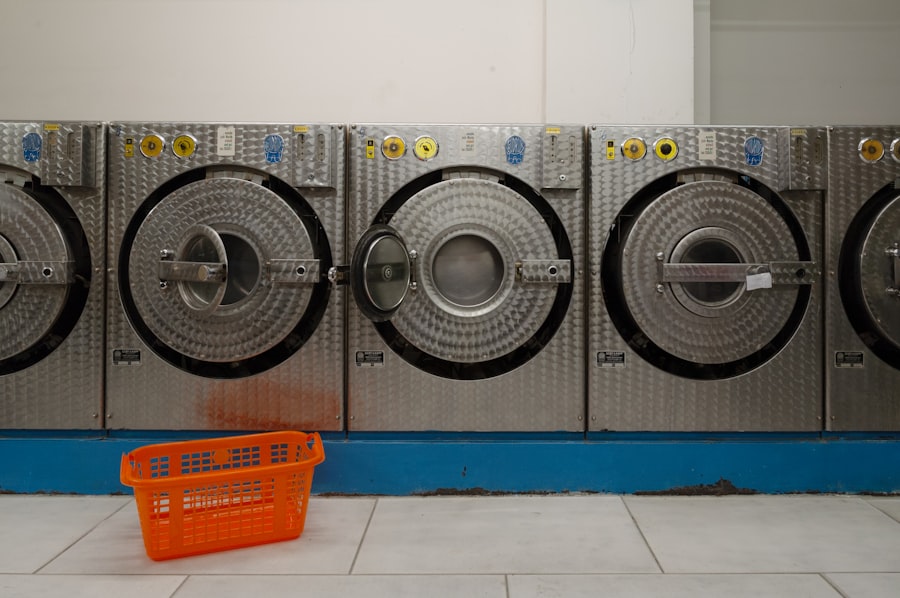
This is where the real work begins. You’ll need to systematically dismantle the washing machine to gain access to the drum and its bearings. Approach this with methodical precision, like an archaeologist excavating a delicate artifact.
Accessing the Drum
The first step is to open up the machine. This typically involves removing access panels.
Removing the Top Panel
Most top-loading washing machines have a top panel that can be lifted or unlatched. Front-loading machines often have a control panel that needs to be detached first, followed by the top. Consult your machine’s manual if you are unsure.
Detaching the Front Panel or Rear Panel
Depending on your machine’s design, you may need to remove the front or rear panel to access the drum. This usually involves unscrewing several bolts or latches. Be mindful of any wiring harnesses or hoses connected to these panels; carefully disconnect them.
Separating the Drum from the Tub
Once the panels are off, you’ll see the drum encased within the outer tub. The drum is usually suspended by a spider bracket or a direct shaft mechanism. You’ll need to detach the drum from the motor and transmission.
Disconnecting Hoses and Belts
Carefully identify and disconnect any hoses (water inlet, drain) and belts that connect the drum or motor to other parts of the machine. Take pictures as you go to help with reassembly.
Removing the Motor and Pulley System
The motor and its associated pulley system will often need to be removed to free the drum shaft. This step can involve unbolting the motor and detaching the drive belt.
Detaching the Drum Shaft from the Bearing Housing
The drum shaft extends into a housing where the bearings are located. This is the crucial junction you need to access.
Accessing the Bearing Housing
The bearing housing is typically located at the rear of the drum assembly. It may be a separate component or integrated into the outer tub.
Removing the Spider Bracket (if applicable)
Some machines use a spider bracket, a three-armed component attached to the rear of the drum, which then connects to the drive shaft. This often needs to be unbolted from the drum to allow the shaft to be removed.
Pressing Out the Old Washing Machine Bearings
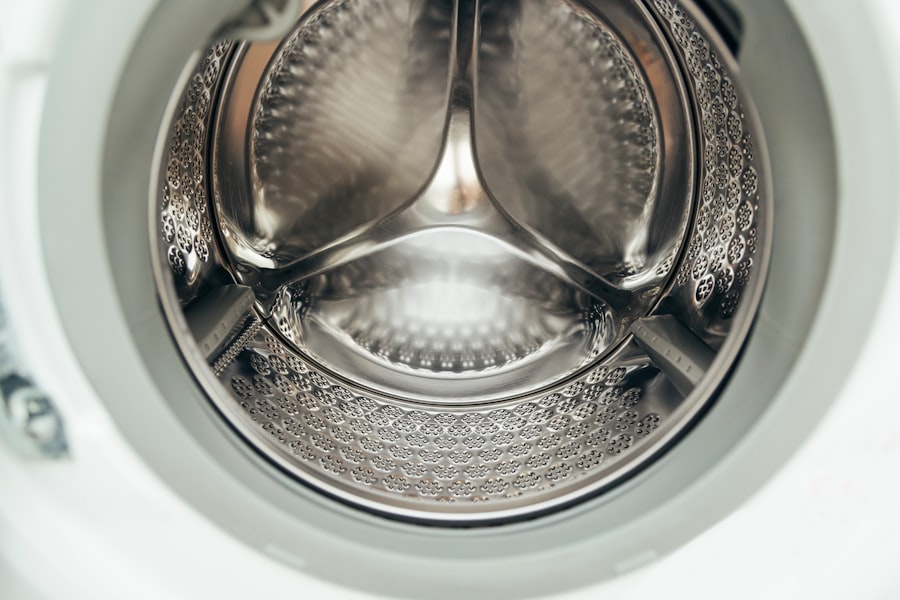
With the drum assembly accessible, you can now focus on the core of the problem: the bearings. This process requires careful application of force.
Removing the Drum Shaft
Before you can get at the bearings, you’ll likely need to remove the drum shaft itself from the bearing housing if it’s not already separated.
Locating the Bearing Assembly
The bearings are typically housed in a sealed unit at the rear of the drum shaft. You might see a retaining clip or a threaded lock nut holding them in place.
Using the Bearing Puller
Place the bearing puller’s jaws or claws around the outer race of the bearing. Ensure a secure grip. Gradually and evenly tighten the screw mechanism of the puller. You should begin to feel resistance as the bearing starts to loosen. Continue tightening until the bearing is fully extracted. Repeat this process for each bearing. If you encounter significant resistance, apply a small amount of penetrating oil and allow it to work.
Dealing with Stubborn Bearings
Sometimes bearings can be seized in their housing, making removal a challenge.
Gentle Persuasion with a Hammer and Punch
If a bearing puller is not making progress, you can try a more direct approach. With the bearing housing supported on sturdy blocks, use a brass punch and a hammer to tap around the outer edge of the bearing. The goal is to break the seal or loosen any corrosion. Exercise extreme caution during this step to avoid damaging the bearing housing.
Heat Application (with extreme caution)
In rare and extremely stubborn cases, controlled application of heat to the outside of the bearing housing can cause it to expand slightly, potentially easing the bearing’s release. Use a heat gun on a low setting and apply heat evenly to the housing, never directly to the bearing itself. This method carries a risk of damaging rubber seals or plastic components, so it should be a last resort.
Cleaning the Bearing Housing
Once the old bearings are out, thoroughly clean the bearing housing. Remove any residual grease, dirt, or rust. This ensures a clean surface for the new bearings.
If you’re looking to learn more about maintaining your washing machine, you might find it helpful to read an article on how to press out washing machine bearings. This process can be tricky, but understanding the steps involved can save you time and money in repairs. For a detailed guide, check out this informative piece that covers essential tips and techniques for handling this task effectively. You can find it here: how to press out washing machine bearings.
Installing New Washing Machine Bearings
| Step | Action | Tools Needed | Estimated Time | Safety Tips |
|---|---|---|---|---|
| 1 | Unplug washing machine and remove drum | Screwdrivers, wrench set | 15-30 minutes | Ensure power is disconnected to avoid electric shock |
| 2 | Remove retaining clips and seals around bearings | Flathead screwdriver, pliers | 10-20 minutes | Wear gloves to protect hands from sharp edges |
| 3 | Use bearing puller or press to press out old bearings | Bearing puller or hydraulic press | 20-40 minutes | Wear safety goggles; ensure press is stable |
| 4 | Clean bearing housing and inspect for damage | Cleaning cloth, degreaser | 10-15 minutes | Work in a well-ventilated area |
| 5 | Press in new bearings carefully | Hydraulic press or bearing driver set | 20-30 minutes | Apply even pressure to avoid bearing damage |
| 6 | Reassemble seals, clips, and drum | Screwdrivers, pliers | 15-30 minutes | Double-check all parts are securely fitted |
| 7 | Test washing machine for proper operation | None | 5-10 minutes | Listen for unusual noises indicating bearing issues |
Pressing in the new bearings is the inverse of pressing them out. Precision and even pressure are paramount to avoid damaging the new components.
Preparing the New Bearings
Before installation, ensure the new bearings are the correct size and type for your washing machine model. Inspect them for any damage incurred during shipping.
Seating the New Bearings
This is a critical step. Improperly seated bearings will lead to premature failure, negating your repair efforts.
Using a Bearing Press
The ideal method for seating new bearings is with a bearing press. Place the bearing onto the shaft or into the housing, aligning it carefully. Use the press to apply slow, steady, and even pressure to the outer race of the bearing. Ensure it goes in straight, perpendicular to its mounting surface.
Alternative Methods (with caution)
If a bearing press is unavailable, you can use a socket that matches the outer diameter of the bearing and a vise or hammer (with a dowel or appropriate tool to transfer force only to the outer race). Again, the key is to apply force evenly and squarely. Never hit the inner race of the bearing, as this can damage the bearing cage and rollers. You want to impress the bearing into its seat, not force it with brute strength.
Lubricating the Bearing Races
Once the bearings are seated, a light application of high-temperature grease to the bearing races can facilitate the smooth rotation of the drum shaft and help protect the bearings. Do not over-grease, as excess can attract dirt and debris.
Reassembling the Drum Assembly
This is the reverse of your disassembly process. Carefully reattach the drum shaft, spider bracket (if applicable), motor, pulley system, and all hoses and belts. Ensure all connections are secure and that no wires are pinched or hoses kinked.
Replacing Access Panels
Once the drum assembly is reinstalled and functioning smoothly, reattach all the access panels you removed. Double-check all screws and latches are tightened.
The process of pressing out washing machine bearings is a testament to the fact that even complex mechanical issues can often be addressed with the right knowledge, tools, and a methodical approach. While it may seem daunting at first, by breaking down the task into manageable steps, you can restore your washing machine to its former quiet and efficient glory, saving yourself the cost of a professional repair or even a new appliance. Remember, with each successful DIY repair, you gain not just a functioning appliance but also a greater understanding of the intricate workings of the machines that facilitate our daily lives.
FAQs
What tools are needed to press out washing machine bearings?
To press out washing machine bearings, you typically need a bearing puller or press tool, a socket set, a hammer, a screwdriver, and sometimes a heat source like a heat gun to loosen the bearing. Safety gloves and eye protection are also recommended.
Is it necessary to remove the washing machine drum to press out the bearings?
Yes, in most cases, you need to remove the washing machine drum to access and press out the bearings properly. This allows for better leverage and prevents damage to other components.
Can I press out washing machine bearings without professional help?
While it is possible to press out washing machine bearings yourself if you have the right tools and mechanical skills, it can be challenging. Improper handling may damage the drum or other parts, so professional assistance is recommended if you are unsure.
How do I know if the washing machine bearings need to be pressed out and replaced?
Common signs that bearings need to be pressed out and replaced include loud rumbling or grinding noises during the spin cycle, excessive drum movement, and water leaks near the drum seal. A thorough inspection can confirm bearing wear or damage.
What precautions should I take when pressing out washing machine bearings?
Precautions include disconnecting the washing machine from power, working in a clean and organized space, using the correct tools to avoid damaging parts, applying even pressure when pressing out bearings, and wearing safety gear to protect against injury.