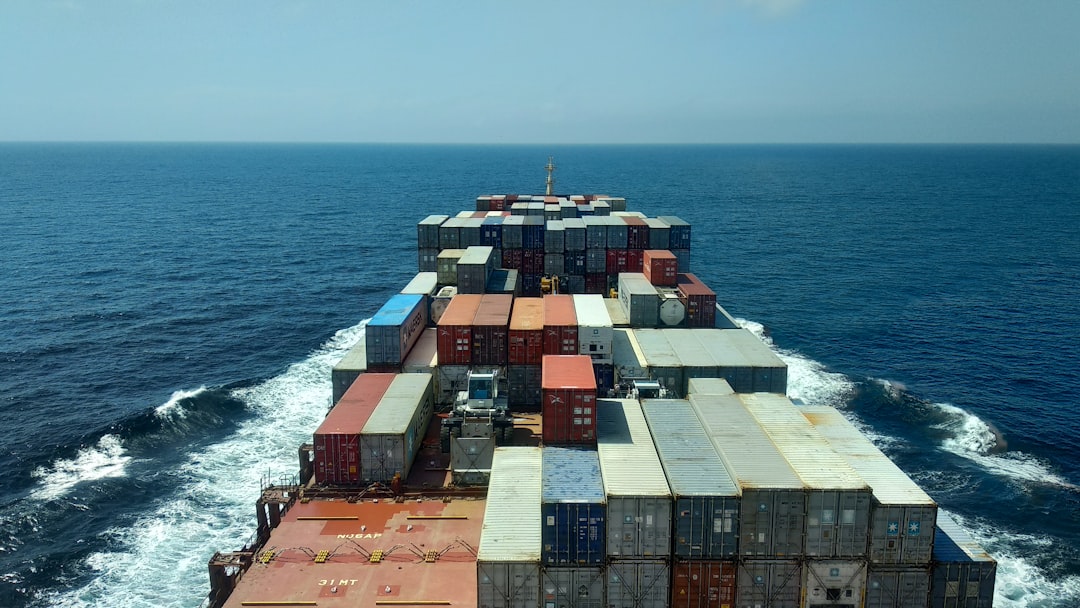
You understand that the prices you see on store shelves are not static. They fluctuate, sometimes subtly, sometimes dramatically. And while you might attribute these shifts to sales, seasonal demand, or the simple markup of retailers, a significant, often unseen force plays a crucial role: ocean freight rates. These rates, the cost of shipping your goods across vast oceans, have a direct and powerful ripple effect that ultimately impacts your wallet and the broader economic landscape you navigate as a consumer, fueling retail inflation.
Think of the global economy as a colossal circulatory system. Goods produced in one corner of the world must reach consumers in another. For a vast majority of these products, particularly manufactured goods and raw materials, the primary highway is the ocean. Ships, the behemoths of maritime transport, are the vital arteries, carrying everything from electronics and clothing to furniture and foodstuffs. This intricate network of shipping routes, ports, and vessels forms the backbone of international trade, enabling the specialization and global sourcing that define modern commerce.
The Scale of Ocean Freight
The sheer volume of goods moved by sea is astounding. It’s not an exaggeration to say that a significant percentage, often exceeding 80%, of global trade by volume travels by ocean. This dwarfs any other mode of transportation for international cargo. When you consider the number of containers that crisscross the Pacific, Atlantic, and Indian Oceans daily, you begin to grasp the scale of this operation and its inherent importance.
Interdependence of Nations and Industries
This reliance on ocean freight means that nations and industries are deeply interconnected. A disruption in one part of this seaborne network can have cascading consequences far beyond its immediate origin. If a major port experiences congestion, or if shipping container availability dwindles, it’s not just a local inconvenience; it’s a global supply chain bottleneck with tangible repercussions for businesses and consumers worldwide.
The Role of Containerization
The advent of containerization revolutionized ocean freight, transforming it into a more efficient and standardized process. Standardized containers allow for seamless transfer between ships, trains, and trucks, minimizing handling and reducing transit times. This efficiency, however, still hinges on the reliable and predictable movement of these containers via ocean carriers.
Ocean freight rates play a significant role in shaping retail inflation, as fluctuations in shipping costs directly affect the prices of imported goods. When freight rates rise, retailers often pass these increased costs onto consumers, leading to higher prices at the checkout. This relationship is explored in detail in a related article that discusses the broader implications of shipping costs on the economy and consumer behavior. For more insights, you can read the article here: Why Ocean Freight Rates Impact Retail Inflation.
Decoding Ocean Freight Rates: The Cost of Passage
Ocean freight rates are not simply a flat fee. They are complex calculations influenced by a multitude of factors, each contributing to the final cost of getting a product from its point of origin to its destination port. Understanding these components is key to appreciating their inflationary impact.
The Basic Freight Rate
At its core, the basic freight rate is the charge for transporting a container from one port to another. This is the most visible component, often quoted per twenty-foot equivalent unit (TEU) or forty-foot equivalent unit (FEU). However, this base rate is rarely the whole story.
Numerous Surcharges and Fees
Beyond the basic freight, a labyrinth of surcharges and fees can be added. These can include:
Bunker Adjustment Factor (BAF)
This surcharge accounts for fluctuations in global fuel prices. As oil prices rise, so does the cost of powering these massive vessels, and this increased expense is passed on to the shipper through the BAF. You can readily see how volatile energy markets directly translate into higher shipping costs.
Currency Adjustment Factor (CAF)
When shipping between countries with different currencies, exchange rate fluctuations can impact costs. The CAF is designed to mitigate the risk associated with these currency shifts, and significant deviations can lead to increased freight rates.
Terminal Handling Charges (THC)
These charges cover the costs associated with handling containers at ports, including loading and unloading from ships, as well as moving them within the terminal. Port efficiency, labor costs, and congestion all play a role in these charges.
Peak Season Surcharges (PSS)
During periods of high demand, such as the pre-holiday shopping season, carriers often implement Peak Season Surcharges to manage capacity and reflect the increased cost of accommodating the surge in cargo.
War Risk Surcharges and Piracy Premiums
In regions perceived as higher risk due to geopolitical instability or piracy, carriers may add surcharges to cover insurance and security costs.
The Invisible Hand of Supply and Demand
Ultimately, ocean freight rates are heavily dictated by the fundamental economic principles of supply and demand. When the number of available shipping containers and vessel space outstrips the demand for shipping, rates naturally rise. Conversely, a surplus of capacity can lead to lower rates.
The Direct Connection: Freight Rates to Retail Prices
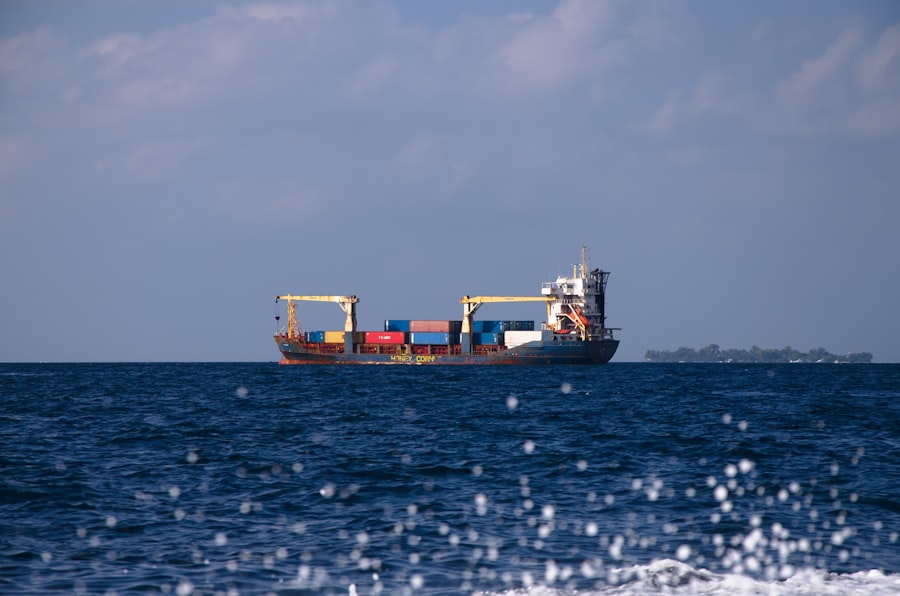
The journey from the manufacturer’s factory to your shopping cart is a long and costly one, and ocean freight is a significant leg of that journey. When freight rates increase, it directly escalates the landed cost of imported goods, and this increased cost doesn’t simply disappear into a corporate profit margin. It is, in large part, absorbed by retailers and then, inevitably, passed on to you, the consumer.
The Landed Cost of Goods
The “landed cost” of a product is the total cost of bringing it to the retailer’s doorstep. This includes the manufacturing cost, but also a substantial array of shipping-related expenses. Higher ocean freight rates add a direct and quantifiable amount to this landed cost for every imported item you see.
Retailer’s Markup Strategy
Retailers operate on margins. When their input costs, including the cost of acquiring goods due to higher freight rates, rise, they have a few options. They can absorb the increase and see their profit margins shrink, which is often unsustainable in competitive markets. They can attempt to renegotiate with suppliers, though this is not always feasible. Or, most commonly, they will adjust their selling prices to reflect the increased cost of goods sold.
The “Pass-Through” Phenomenon
This upward adjustment of retail prices due to increased freight costs is often referred to as a “pass-through.” The higher expense incurred by the importer or retailer is directly transferred to the consumer in the form of higher prices at the point of sale. The magnitude of this pass-through can vary depending on the product, the retailer’s pricing strategy, and the competitive landscape.
Impact on Different Product Categories
The impact is not uniform across all retail sectors. Products with low profit margins or those that are heavily reliant on imports from distant locations will feel the pinch more acutely. For instance, electronics, apparel, and furniture, which are often manufactured overseas, are particularly susceptible to fluctuations in ocean freight rates.
Ocean Freight as a Driver of Inflationary Pressures
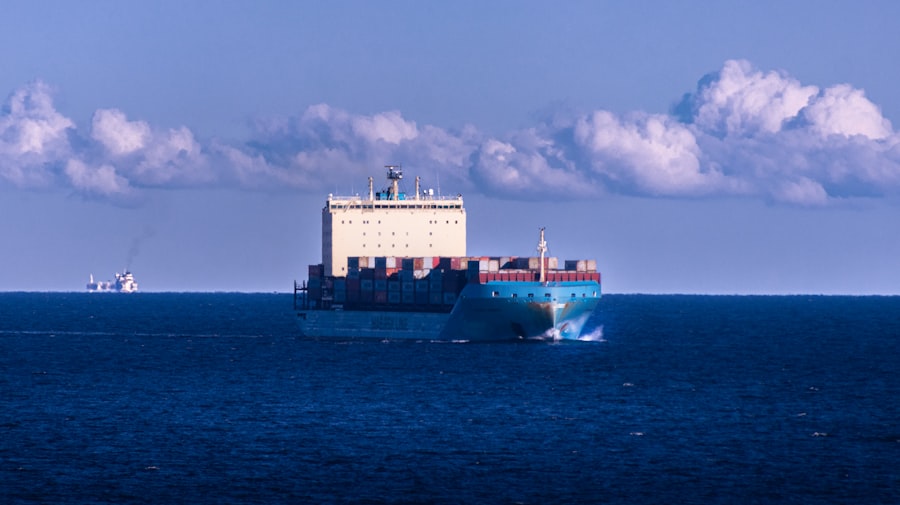
The accumulated impact of rising ocean freight rates across a multitude of imported goods contributes significantly to broader inflationary pressures within an economy. It’s not just a single price increase; it’s a systemic upward shift in the cost of doing business, which ultimately translates into a higher general price level.
Contribution to Cost-Push Inflation
Ocean freight rate increases are a classic example of “cost-push inflation.” This occurs when the costs of production increase, forcing businesses to raise prices to maintain profitability. The increased cost of transportation is a direct input cost for businesses that import goods.
Eroding Purchasing Power
As prices rise due to factors like elevated freight rates, your purchasing power diminishes. The same amount of money buys fewer goods and services. This erosion of purchasing power is a core consequence of inflation and directly affects your ability to afford everyday necessities and discretionary purchases.
Compounding Effects and Second-Round Impacts
The inflationary effects of ocean freight rates don’t stop at the retail price. When the cost of goods rises, it can also lead to demands for higher wages in sectors affected by these price increases, further contributing to cost-push pressures. Moreover, businesses might also seek to build in larger buffers against future price volatility, leading to anticipatory price increases.
Global Interconnectedness Amplifies Inflationary Spikes
Because so many countries rely on ocean freight for trade, a global surge in shipping rates can have a synchronized inflationary impact across multiple economies. This interconnectedness means that a shock in one region’s shipping market can quickly transmit inflationary pressures worldwide.
The fluctuations in ocean freight rates play a significant role in shaping retail inflation, as they directly affect the cost of goods transported across the globe. When shipping costs rise, retailers often pass these expenses onto consumers, leading to higher prices at the checkout. For a deeper understanding of this relationship and its broader implications, you can explore a related article that discusses the intricacies of supply chain dynamics and their impact on pricing strategies. To learn more, visit this insightful article that delves into the connection between freight costs and inflationary pressures in the retail sector.
Navigating the Volatility: What It Means for You
| Reasons Ocean Freight Rates Impact Retail Inflation |
|---|
| Increased shipping costs lead to higher production costs for imported goods |
| Higher transportation costs are passed on to consumers through higher retail prices |
| Supply chain disruptions can lead to shortages and higher prices for certain goods |
| Rising freight rates can impact the overall cost of goods sold for retailers |
The volatility of ocean freight rates is not an abstract economic concept; it has tangible consequences for your daily life and financial well-being. Understanding this relationship empowers you to better contextualize price changes and the forces that shape the economy you participate in.
How You Experience It Directly
You experience the impact of ocean freight rates every time you shop. Whether it’s a slight increase in the price of your favorite imported coffee, a noticeable jump in the cost of new electronics, or the gradual rise in the price of clothing, a portion of that price hike is likely attributable to the cost of moving those goods across the seas.
The Role of Global Events
You’ve likely observed how global events can influence shipping rates. Supply chain disruptions caused by pandemics (like COVID-19), geopolitical conflicts (such as those affecting major shipping lanes), or natural disasters (impacting port operations) can all lead to dramatic spikes in freight rates. These disruptions then translate into the prices you see on shelves.
Anticipating and Adapting to Price Changes
While you have little control over ocean freight rates, understanding their influence can help you make more informed purchasing decisions. If you notice a trend of rising prices on certain imported goods, you might consider looking for domestic alternatives or adjusting your purchasing habits.
The Broader Economic Implications
Beyond your personal finances, the persistent impact of ocean freight rates on inflation can influence broader economic policies. Central banks monitor inflation closely and may adjust interest rates to combat it. Governments might consider trade policies or investments in infrastructure to try and mitigate supply chain vulnerabilities. The cost of moving goods is, therefore, a factor that shapes national and international economic strategies.
A Constant Factor in the Modern Economy
Ocean freight remains an indispensable, albeit often invisible, component of the modern global economy. Its costs are deeply embedded in the prices of countless products you consume. When these costs rise, as they have in recent years due to a confluence of factors, you are directly confronted with the inflationary implications, a clear demonstration of how the cost of passage across the oceans shapes the prices you pay for goods on land.
FAQs
1. What are ocean freight rates?
Ocean freight rates refer to the cost of transporting goods by sea from one port to another. These rates are influenced by various factors such as fuel costs, demand for shipping, and the size of the cargo.
2. How do ocean freight rates impact retail inflation?
Ocean freight rates impact retail inflation by affecting the cost of importing goods. When freight rates increase, the cost of importing goods also rises, leading to higher prices for consumers. This can contribute to overall retail inflation.
3. What factors influence ocean freight rates?
Ocean freight rates are influenced by factors such as fuel prices, capacity of shipping vessels, demand for shipping, geopolitical events, and weather conditions. These factors can cause fluctuations in freight rates, impacting the cost of importing goods.
4. How do changes in ocean freight rates affect retailers?
Changes in ocean freight rates can have a direct impact on retailers by affecting the cost of imported goods. When freight rates increase, retailers may face higher costs for importing products, which can lead to increased prices for consumers and impact profit margins.
5. What are the implications of rising ocean freight rates on the global economy?
Rising ocean freight rates can have implications for the global economy by affecting the cost of trade and transportation. Higher freight rates can lead to increased costs for businesses, potentially impacting supply chains and consumer prices. This can have broader economic effects on international trade and commerce.