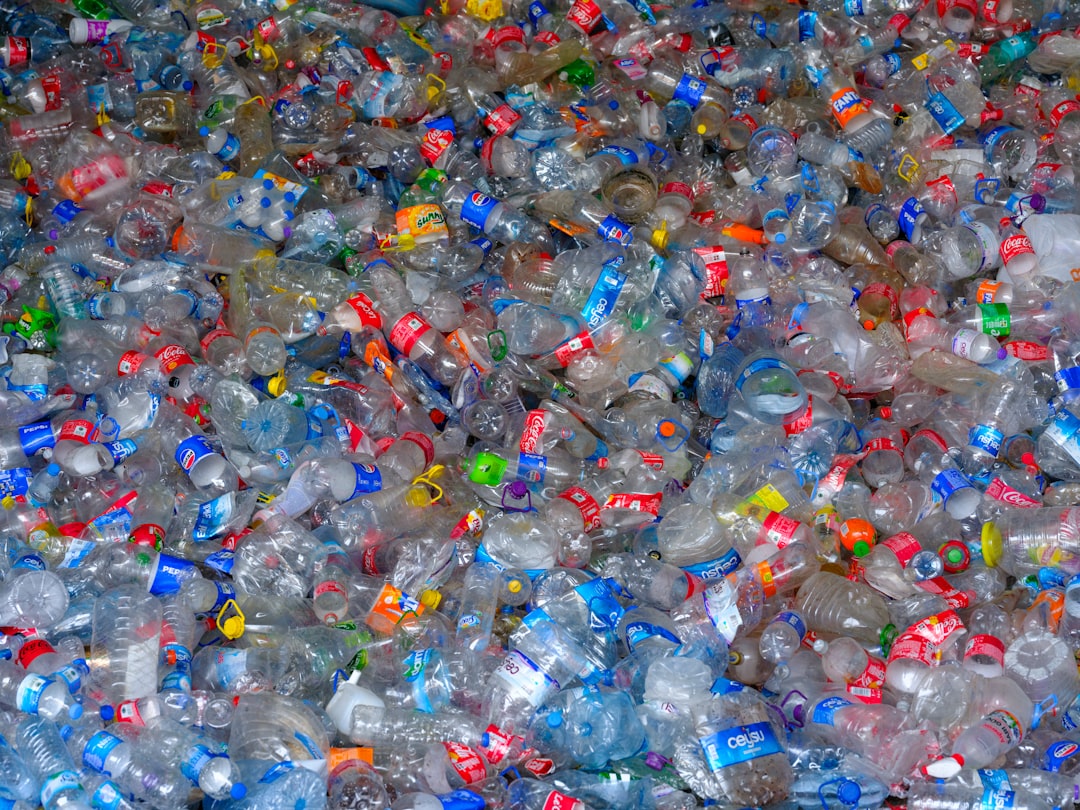
The widespread adoption of “BPA-free” plastics has been lauded as a significant triumph for public health, a collective sigh of relief for consumers wary of Bisphenol A’s (BPA) potential endocrine-disrupting effects. For years, BPA, a chemical used in the production of plastics and epoxy resins, was a ubiquitous component of food and beverage containers, leading to growing concerns about its leaching into consumables. Public outcry and mounting scientific evidence prompted manufacturers to seek alternatives, leading to the proliferation of products prominently labeled “BPA-free.” This label has become a powerful marketing tool, a promise of safety and a healthier choice. However, as with many seemingly straightforward solutions, the reality of “BPA-free” plastics is far more nuanced and, for many, deeply unsettling. The journey from BPA-laden products to their “BPA-free” counterparts is not simply a linear progression towards absolute safety, but rather a complex landscape of chemical substitutions, unforeseen biological interactions, and lingering questions that demand careful scrutiny.
The Illusion of a Pure Solution
The term “BPA-free” itself, while accurate in its immediate claim, can create a deceptive sense of security. It signifies the absence of one specific chemical, BPA, but it does not, by definition, guarantee the absence of all problematic chemicals. When a component is removed from a complex system, it is rarely replaced with an inert void. Instead, other compounds, often structurally similar to the original, are employed to maintain the desired material properties. This substitution often occurs without the same level of rigorous long-term toxicological assessment that eventually brought BPA’s risks to light. Consumers, understandably, grasp onto the readily available label as a definitive indicator of safety, much like a shipwreck survivor clinging to a life raft without fully understanding its structural integrity. This perception, while comforting, can unfortunately mask underlying health risks that are only now beginning to emerge from the scientific literature.
The industry’s response to BPA concerns primarily involved replacing it with structurally similar bisphenol compounds. This strategy, while seemingly expedient, inadvertently initiated a chemical game of “whac-a-mole,” where one problematic compound is replaced by another with potentially analogous, or even distinct, health risks. Bisphenol S (BPS) and Bisphenol F (BPF) have emerged as the most common replacements for BPA.
Bisphenol S (BPS) and Bisphenol F (BPF): The New Guards
BPS and BPF have gained widespread use in thermal paper receipts, plastic bottles, and food can linings. While chemical distinctions exist, their fundamental molecular architecture shares commonalities with BPA. This structural similarity is not merely an academic curiosity; it is a critical predictor of potential biological activity.
Structural Similarities, Biological Consequences
The endocrine system, a delicate network of glands and hormones, is highly sensitive to compounds that mimic or interfere with natural hormones. The bisphenol class of chemicals, including BPA, BPS, and BPF, possess features that allow them to bind to estrogen receptors, even if with varying affinities. This binding can trigger physiological responses, disrupting the finely tuned balance of the body’s hormonal messaging system. Imagine a highly sensitive lock-and-key system, where BPA is a key that fits, albeit imperfectly. BPS and BPF are often described as similar keys, perhaps with slightly different cuts, but still capable of turning the lock, potentially initiating unintended processes.
Emerging Evidence of Endocrine Disruption
Numerous in vitro and in vivo studies have now demonstrated that BPS and BPF are not inert substitutes. Research has indicated their potential to act as endocrine disruptors, exhibiting estrogenic, anti-estrogenic, androgenic, and anti-androgenic activities. They can interfere with thyroid hormone function, impact reproductive development, and contribute to metabolic disorders. These findings are not isolated incidents but rather a growing body of evidence painting a concerning picture.
Recent discussions around the health risks associated with BPA-free plastics have raised important questions about the safety of these alternatives. While many consumers believe that BPA-free products are a safer choice, some studies suggest that certain chemicals used in place of BPA may also pose health risks. For a deeper understanding of this issue, you can read a related article that explores the potential dangers of BPA-free plastics and their impact on health by visiting this link.
Unpacking the Hormonal Ripple Effect
The endocrine system is a master orchestrator of countless bodily functions, from growth and development to metabolism and reproduction. The introduction of exogenous compounds that mimic or block hormonal signals can create a cascade of effects, often subtle at first, but potentially far-reaching over time.
Impact on Reproductive Health
The delicate balance of hormones is paramount for healthy reproductive development and function. Studies on BPS and BPF have shown concerning effects on both male and female reproductive systems.
Fertility Concerns
In males, bisphenol exposure has been linked to decreased sperm quality, including reduced sperm count and motility, and alterations in testicular development. For females, studies suggest potential impacts on ovarian function, oocyte maturation, and even increased risk of reproductive disorders like polycystic ovary syndrome (PCOS). These chemicals can act as disruptive forces in the intricate dance of hormonal communication essential for successful conception and pregnancy.
Developmental Vulnerabilities
Exposure during critical windows of development, such as gestation and early childhood, is particularly concerning. The developing fetus and infant are highly susceptible to endocrine disruption, as their hormonal systems are still maturing and differentiating. Exposure to bisphenols during these periods can “program” the body for disease later in life, laying the groundwork for developmental abnormalities and increasing susceptibility to chronic conditions.
Metabolic Disruptions
The rise in obesity and type 2 diabetes has prompted intense scrutiny into environmental factors that contribute to these metabolic disorders. Bisphenols have emerged as potential “obesogens,” chemicals that promote weight gain and disrupt metabolic homeostasis.
Glucose Homeostasis and Insulin Resistance
Research indicates that BPS and BPF can interfere with glucose metabolism, potentially leading to insulin resistance, a hallmark of type 2 diabetes. They may affect pancreatic beta-cell function, crucial for insulin production, and alter adipogenesis (fat cell development). This disruption of metabolic signaling pathways represents a significant public health concern, especially given the global epidemic of metabolic diseases.
Beyond Endocrine Disruption: Other Biological Concerns

While endocrine disruption is a primary concern with bisphenol compounds, emerging research suggests they may exert other detrimental effects on human health, affecting various organ systems and biological processes.
Neurological Effects
The developing brain is incredibly vulnerable to environmental insults. Studies have begun to explore the potential neurotoxic effects of BPA alternatives.
Cognitive and Behavioral Impacts
Animal studies have indicated that exposure to BPS and BPF may lead to changes in brain development, synaptic plasticity, and neurotransmitter systems. These alterations have been associated with cognitive deficits, anxiety-like behaviors, and hyperactivity. The implications for human neurodevelopment, particularly in children, warrant further investigation and raise questions about long-term neurological health.
Immunological Perturbations
The immune system is a complex defender against pathogens and disease. Exposure to certain environmental chemicals can perturb its delicate balance, potentially leading to increased susceptibility to infections or autoimmune disorders.
Inflammatory Responses and Allergic Sensitization
Some research suggests that bisphenols may influence immune cell function and cytokine production, contributing to chronic inflammation. There is also emerging evidence linking bisphenol exposure to allergic sensitization and asthma, particularly in early life. These findings highlight the potential for widespread, systemic impacts beyond immediate hormonal disruption.
The Challenge of Exposure and Regulation: A Moving Target
Understanding the health risks associated with “BPA-free” plastics is complicated by several factors, including the ubiquity of exposure, the limitations of current regulatory frameworks, and the challenges of conducting comprehensive toxicological assessments.
Ubiquitous Presence, Constant Exposure
Like BPA before them, BPS and BPF have become pervasive in modern consumer products. From food packaging and water bottles to cash register receipts and children’s toys, these chemicals are integrated into the fabric of daily life. This widespread presence translates into continuous, low-level exposure for the vast majority of the population.
Bioaccumulation and Body Burden
While individual exposures might seem small, the cumulative effect of constant contact with these chemicals can lead to bioaccumulation in the body. Studies have detected BPS and BPF in human urine, blood, and even breast milk, indicating that these compounds are readily absorbed and distributed throughout the body. This persistent body burden raises concerns about long-term health consequences, as the effects of chronic, low-dose exposure are often subtle and insidious.
Regulatory Lag and the Precautionary Principle
Regulatory bodies often operate on a reactive rather than proactive basis, requiring substantial evidence of harm before taking action. This approach, while intended to ensure scientific rigor, can create a significant lag between scientific discovery of potential harm and regulatory intervention, leaving consumers exposed in the interim.
Inadequate Testing of Substitutes
When new chemicals are introduced as substitutes for problematic ones, they often do not undergo the same extensive and long-term toxicological testing as the original chemical. This lack of comprehensive pre-market assessment is a critical vulnerability in the current regulatory system, effectively creating a “regrettable substitutions” dilemma. It’s akin to replacing a known fault in a dam with a material that hasn’t been adequately tested for its durability under pressure.
The Need for a Holistic Approach
Addressing the hidden health risks of “BPA-free” plastics requires a shift from a piecemeal chemical-by-chemical approach to a more holistic strategy. This includes focusing on the entire class of bisphenol compounds, scrutinizing the safety of all potential replacements, and promoting the development of truly safe and sustainable alternative materials.
Recent studies have raised concerns about the potential health risks associated with BPA-free plastics, suggesting that while these alternatives may reduce exposure to bisphenol A, they could still contain other harmful chemicals. For a deeper understanding of this topic, you can explore a related article that discusses the implications of using BPA-free materials and their impact on health. This informative piece can be found here, providing valuable insights into the ongoing debate surrounding plastic safety.
Navigating the “BPA-Free” Labyrinth: Consumer Choices and Future Directions
| Health Risk | Description | Potential Source in BPA-Free Plastics | Research Findings |
|---|---|---|---|
| Endocrine Disruption | Interference with hormone function, potentially affecting reproductive health and development. | Substitutes like BPS (Bisphenol S) and BPF (Bisphenol F) used in BPA-free plastics. | Studies suggest BPS and BPF may have similar endocrine-disrupting effects as BPA. |
| Reproductive Toxicity | Adverse effects on fertility and reproductive organs. | Chemicals leaching from BPA-free plastic containers under heat or wear. | Animal studies indicate possible reproductive harm, but human data is limited. |
| Neurodevelopmental Effects | Potential impact on brain development and behavior, especially in children. | Exposure to BPA substitutes during pregnancy or early childhood. | Preliminary research shows possible links, but more studies are needed. |
| Metabolic Disorders | Increased risk of obesity, diabetes, and related metabolic issues. | Chronic exposure to plastic-derived chemicals including BPA alternatives. | Some evidence connects BPA substitutes to metabolic changes in animal models. |
| Carcinogenic Potential | Possible increased risk of certain cancers due to chemical exposure. | Long-term exposure to BPA-free plastic chemicals. | Current evidence is inconclusive; more research required. |
For the discerning consumer, navigating the landscape of “BPA-free” plastics can feel like traversing a labyrinth with hidden pitfalls. While avoiding all plastics may be impractical in modern society, informed choices and a critical perspective are essential.
Practical Advice for Reducing Exposure
Reducing exposure to bisphenols, regardless of their specific chemical variant, involves mindful consumption and thoughtful daily practices.
Opt for Alternatives to Plastics
Whenever possible, choose alternatives to plastic food and beverage containers. Glass, stainless steel, and ceramic are excellent options for storing food and liquids, as they are largely inert and do not leach chemicals. This is not merely an aesthetic choice, but a proactive step towards minimizing chemical exposure.
Scrutinize “BPA-Free” Labels
Remember that “BPA-free” does not equate to “bisphenol-free” or “chemical-free.” Be wary of products prominently displaying “BPA-free” labels without further information, as they may contain other bisphenol compounds. Research brands and products known for transparency regarding their material composition.
Avoid Heat and Scratches
Heat can accelerate the leaching of chemicals from plastics. Avoid microwaving food in plastic containers and refrain from putting plastic in dishwashers that use high heat. Scratched or worn plastics can also leach chemicals more readily, so replace them when they show signs of wear and tear.
Handle Receipts with Care
Thermal paper receipts are a common source of BPS and BPF. Minimize contact with these receipts, avoid storing them in wallets or purses for extended periods, and wash your hands after handling them. Opt for email receipts whenever possible.
The Path Forward: Towards Truly Safe Materials
The challenges posed by “BPA-free” plastics underscore the urgent need for innovation in materials science and a more robust regulatory framework.
Green Chemistry and Design for Safety
The principles of green chemistry, which prioritize the design of chemical products and processes that reduce or eliminate the use and generation of hazardous substances, must be integrated into material development. This requires a proactive approach, assessing potential toxicity before widespread adoption, rather than reactively identifying problems after the fact.
Comprehensive Toxicological Testing
Rigorous, long-term toxicological testing should be a prerequisite for all new materials intended for food contact and human exposure. This testing must consider the full spectrum of potential health effects, including endocrine disruption, developmental toxicity, neurotoxicity, and immunotoxicity, and assess the effects of low-dose, chronic exposure.
Transparent Ingredient Disclosure
Consumers deserve full transparency regarding the chemical composition of products they purchase. Mandatory and comprehensive ingredient disclosure for plastics and other materials would empower consumers to make informed choices and hold manufacturers accountable.
In conclusion, while the shift to “BPA-free” plastics was a well-intentioned response to legitimate health concerns, it has inadvertently opened a new chapter in the ongoing saga of environmental chemicals and public health. The emerging evidence suggests that many of BPA’s replacements, particularly BPS and BPF, are not the benign alternatives they were once presumed to be. They are, in fact, like wolves in sheep’s clothing, structurally similar to the chemical they replaced and exhibiting many of the same alarming endocrine-disrupting properties. The illusion of a pure solution has dissolved, leaving consumers and regulators to grapple with a complex reality. The journey toward truly safe and sustainable materials requires a profound shift in mindset, prioritizing precautionary principles, fostering transparent innovation, and demanding rigorous scientific scrutiny. Only then can we move beyond the endless chemical “whac-a-mole” and ensure that the products we rely on truly support, rather than undermine, human health.
FAQs
What is BPA and why is it a concern in plastics?
BPA, or bisphenol A, is a chemical used in manufacturing certain plastics and resins. It has been linked to potential health risks because it can mimic estrogen and disrupt hormone function, leading to concerns about its effects on the brain, behavior, and prostate gland, especially in fetuses, infants, and young children.
Are BPA-free plastics completely safe?
BPA-free plastics are designed to avoid the use of bisphenol A, but some alternatives may contain other chemicals like BPS or BPF, which might also have hormone-disrupting properties. Research is ongoing, and while BPA-free plastics reduce exposure to BPA, they may not be entirely free of health risks.
What health risks are associated with BPA-free plastics?
Some BPA-free plastics may leach chemicals that can act as endocrine disruptors, potentially affecting hormone balance, reproductive health, and development. However, the extent of these risks is still being studied, and current evidence is less conclusive compared to BPA-containing plastics.
How can consumers reduce exposure to harmful chemicals in plastics?
Consumers can reduce exposure by using alternatives like glass, stainless steel, or ceramics for food and drink storage, avoiding heating food in plastic containers, and choosing products labeled as BPA-free and phthalate-free. It’s also advisable to avoid plastics marked with recycling codes 3, 6, and 7, which may contain harmful chemicals.
Is there ongoing research about the safety of BPA-free plastics?
Yes, scientists continue to study the safety of BPA-free plastics and their chemical substitutes. Research focuses on understanding the long-term health effects of these alternative chemicals and developing safer materials for consumer use. Regulatory agencies monitor findings to update safety guidelines accordingly.