You stand before the glittering aisles, a veritable candy store of color and contour. The promise of transformation, of enhanced allure, is laid out before you in a dazzling array of tubes, compacts, and pots. Drugstore makeup has always been your accessible gateway to beauty, a reliable companion through countless transformations, from a fresh-faced student to the polished professional. But beneath the veneer of affordability and convenience, a shadow lurks, one composed of chemicals that, while offering a temporary facelift, may be silently chipping away at your well-being. This isn’t about scaremongering; it’s about empowering you with knowledge, about lifting the veil on the hidden dangers lurking within those familiar packaging. Your skin, your body’s largest organ, is a porous landscape, a canvas that absorbs what you apply. What you choose to adorn it with is not merely an aesthetic decision; it is a deeply personal commitment to your health.
You’ve likely encountered the term “phthalates” in discussions about plastics, but their tendrils reach further, weaving themselves into the fabric of your daily beauty routine. These chemical compounds are often employed as solvents and fixatives in cosmetics, acting as silent architects of texture and longevity. Think of them as the unseen scaffolding holding up your eyeshadow’s adherence to your lid or the invisible glue that keeps your lipstick from fading too quickly. Their primary function is to make your makeup behave, to extend its wear and improve its feel.
Plasticizers and the Pursuit of Pliability
One of the key roles phthalates play is that of plasticizers. In makeup, this translates to giving products a smoother glide, a more flexible texture, and a less brittle consistency. Without them, your foundation might feel chalky, your eyeliner prone to flaking, and your nail polish too stiff. They are the unseen hands that ensure your chosen shade doesn’t crack or crumble before the day is done. This pliability, however, comes at a cost.
Hormone Hijackers: Endocrine Disruption and Its Ramifications
The concerning aspect of phthalates lies in their classification as endocrine disruptors. Imagine your body’s hormonal system as a meticulously orchestrated symphony, with each hormone playing a crucial part in regulating everything from growth and development to mood and reproduction. Phthalates, in their molecular structure, can mimic or interfere with the action of these natural hormones, particularly estrogen. This mimicry can throw the entire orchestra out of tune. For you, this disruption can manifest in a variety of ways, some subtle, some significant. Studies have linked phthalate exposure to reproductive issues in both men and women, including decreased sperm count and quality, early puberty, and certain hormonal imbalances. They are the uninvited guests at your body’s hormonal fête, subtly altering the guest list and the dance steps.
Navigating the Label Labyrinth: “Fragrance” and Other Coded Warnings
One of the most frustrating aspects of identifying phthalates in your makeup is their stealthy inclusion in ingredient lists. Often, they are not explicitly named. Instead, they hide behind the generic term “fragrance” or “parfum.” This single word can encompass a complex cocktail of dozens, even hundreds, of individual chemicals, including phthalates, that the manufacturer is not legally required to disclose. It’s like a hidden door in a familiar room, its presence unknown until you stumble upon it. This lack of transparency forces you to become a detective, scrutinizing product claims and looking for brands that prioritize clear labeling.
Many consumers are becoming increasingly aware of the potential dangers of toxic ingredients in drugstore makeup, prompting a shift towards safer alternatives. For a deeper understanding of this issue, you can explore a related article that discusses the harmful effects of certain chemicals commonly found in beauty products. This informative piece highlights the importance of reading labels and making informed choices when it comes to cosmetics. To learn more, visit this article.
The Paraben Paradox: Preserving Product, Potentially Undermining You
Parabens are another class of preservatives that have long served as the sentinels of your cosmetic products, guarding them against the unwelcome invasion of bacteria and mold. Without them, your beloved creams and lotions would become breeding grounds for microorganisms, quickly turning them into unusable and potentially harmful concoctions. They are the diligent night watchmen, ensuring your products remain safe and stable for extended periods.
The Guardians Against Contamination
The primary function of parabens is well-intentioned: preservation. They are highly effective at preventing the growth of a wide range of microbes that can spoil cosmetic products. This extends the shelf life of your makeup and ensures that what you apply to your face hasn’t been compromised by microbial activity. This is a vital role, as contaminated products can lead to skin infections, irritation, and other adverse reactions.
Mimicking Estrogen: The Recurring Theme of Endocrine Disruption
Just as with phthalates, parabens share a disquieting characteristic: their ability to mimic estrogen. This means they can bind to estrogen receptors in your body and exert similar effects, albeit usually weaker than natural estrogen. The concern here is the cumulative exposure from various sources, including makeup, food, and pharmaceuticals. When your body is constantly bombarded with these estrogen-like compounds, the delicate balance of your endocrine system can be tipped. Research has suggested potential links between paraben exposure and an increased risk of certain hormone-sensitive cancers, as well as reproductive health concerns. It’s a subtle but persistent whisper of interference in your body’s natural hormonal dialogue.
The “Paraben-Free” Label: A Beacon of Hope or a Marketing Ploy?
The growing awareness of paraben concerns has led to a proliferation of “paraben-free” labels on cosmetic products. For you, this can be a reassuring sign, a signal that a brand is responding to consumer anxieties. However, it’s crucial to understand that “paraben-free” doesn’t automatically equate to “chemical-free.” Manufacturers often substitute parabens with other preservatives, some of which may also carry their own set of potential health concerns. It’s a shift in the players on the board, but not necessarily a change in the game itself. Your vigilance and continued research are paramount.
Heavy Metals: The Glittering Deception of Lead and Cadmium
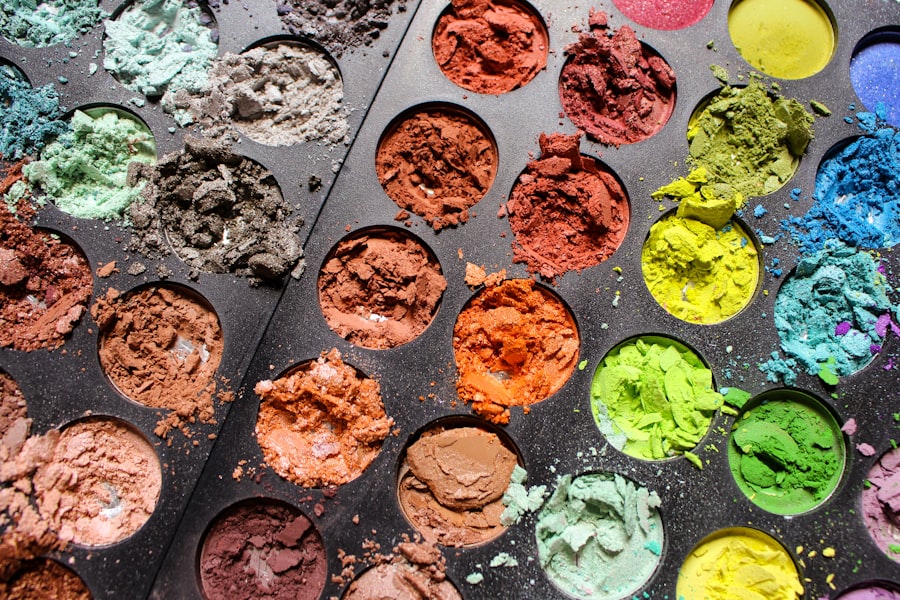
The shimmer and shine of certain makeup products, particularly lipsticks and eyeshadows, can be incredibly alluring. This captivating gleam is often achieved through the inclusion of pigments that may contain traces of heavy metals like lead and cadmium. These elements, while contributing to vibrant colors and long-lasting wear, can also pose significant health risks when absorbed by the body. They are the siren songs of beauty, drawing you in with their allure while silently carrying danger.
The Allure of Color: Pigments and Their Potentially Toxic Origins
Many artificial colorants used in makeup are derived from mineral sources, and some of these sources can be contaminated with heavy metals. Lead, for instance, has been found in both red and pink lipsticks, contributing to their rich hues and opacity. Cadmium, a potent carcinogen, has also been detected in various makeup products, including eyeshadows and blushes, contributing to their deep and lasting color. The very elements that make your makeup pop can be the ones that poison from within.
Bioaccumulation: A Silent Accumulation of Toxins
One of the primary dangers of heavy metals is their tendency to bioaccumulate in the body. Unlike many water-soluble toxins that can be readily flushed out, heavy metals tend to settle in your organs and tissues, building up over time with repeated exposure. Even small amounts ingested or absorbed daily can, over months and years, reach levels that can cause significant health problems. It’s like a tiny leak in a dam; small amounts of water seem insignificant, but over time, they can lead to a catastrophic failure.
Neurological and Developmental Impacts: The Long Shadow of Heavy Metal Exposure
Exposure to heavy metals like lead and cadmium has been linked to a range of serious health issues. Lead is a known neurotoxin, particularly harmful to developing brains in children, but also affecting cognitive function and behavior in adults. It can impair learning, reduce attention span, and contribute to behavioral problems. Cadmium is also a potent carcinogen and can damage the kidneys, lungs, and bones. The long-term consequences of this silent accumulation can cast a long shadow over your health.
Coal Tar Dyes: The Spectrum of Synthetic Color and Suspect Carcinogens
The vibrant palette available to you in drugstore makeup is largely thanks to synthetic dyes, many of which are derived from coal tar. While these dyes provide a wide spectrum of colors, they also come with a cautionary tale, as some have been flagged for potential carcinogenic properties. They are the vibrant brushstrokes that, upon closer inspection, reveal a potentially unsettling origin.
From Coal to Color: The Synthesis of Synthetic Dyes
Coal tar, a byproduct of the coking of coal, is a complex mixture of chemicals. Through a process of chemical synthesis, various compounds are extracted and modified to create a vast array of synthetic dyes used not only in cosmetics but also in food and textiles. These dyes are prized for their affordability, stability, and ability to create bright, consistent colors.
The FDA’s Role and the Shadow of “Certifiable” Dyes
In the United States, the Food and Drug Administration (FDA) regulates the use of color additives in cosmetics. Some coal tar dyes are “certifiable,” meaning they are subject to strict purity standards and approval processes. However, the caveat is that even “certified” dyes can contain impurities. Furthermore, there are also “un-certifiable” dyes that are permitted for use as long as they are manufactured in accordance with Good Manufacturing Practices. This distinction can be a source of confusion, and the history of coal tar dyes is dotted with instances where certain colors have been banned due to safety concerns.
Potential Carcinogens and Allergic Reactions: A Double Whammy
The primary concern with some coal tar dyes is their potential to be carcinogenic. Studies have raised questions about the link between exposure to certain coal tar derivatives and an increased risk of cancer. Additionally, these dyes can be potent allergens, triggering skin reactions, itching, and redness in sensitive individuals. For you, this means that the beautiful shade adorning your eyelids might be a Trojan horse, carrying both color and potential harm.
Many consumers are becoming increasingly aware of the potential dangers lurking in their everyday beauty products, particularly in drugstore makeup. A recent article highlights the presence of toxic ingredients that can have harmful effects on skin and overall health. For those interested in learning more about this important topic, you can read the full article on the subject here. By staying informed, individuals can make better choices when it comes to their makeup and skincare routines.
The Unsung Culprits: Microplastics and Formaldehyde-Releasing Agents
| Ingredient | Common Use | Toxicity Concerns | Potential Health Effects | Examples of Products |
|---|---|---|---|---|
| Parabens | Preservative | Endocrine disruption | Hormone imbalance, reproductive issues | Found in foundations, mascaras, lipsticks |
| Phthalates | Fragrance stabilizer | Reproductive toxicity | Birth defects, hormone disruption | Perfumes, nail polishes, lip glosses |
| Formaldehyde Releasers | Preservative | Carcinogenic potential | Skin irritation, allergic reactions, cancer risk | Liquid eyeliners, foundations, nail polishes |
| Talc | Absorbent, texture enhancer | Contamination with asbestos | Respiratory issues, cancer risk | Face powders, blushes, eyeshadows |
| Synthetic Dyes (e.g., FD&C colors) | Colorant | Potential carcinogens and allergens | Allergic reactions, hyperactivity in children | Lipsticks, eyeshadows, blushes |
| Sodium Lauryl Sulfate (SLS) | Foaming agent | Skin irritation | Dryness, redness, dermatitis | Facial cleansers, makeup removers |
| Lead | Contaminant in pigments | Neurotoxicity | Brain damage, developmental delays | Some lipsticks and eyeliners |
Beyond the more commonly discussed ingredients, there are other, less familiar, but equally concerning components lurking in your drugstore makeup. Microplastics, once lauded for their textural properties, and formaldehyde-releasing agents, employed as preservatives, are increasingly coming under scrutiny for their potential to harm both your health and the environment. They are the quiet infiltrators, their impact often underestimated.
Microplastics: The Glittering Menace in Your Foundation
You might not see them, but microplastics – tiny fragments of plastic ranging from less than a millimeter to 5 millimeters in size – are increasingly finding their way into cosmetic products. They are often used as exfoliants in scrubs or to provide a smooth, mattifying effect in foundations and powders. While they contribute to the desired texture and finish, their presence raises alarming questions.
Environmental Impact: A Persistent Problem
Once washed down the drain, these microplastic particles become persistent environmental pollutants. They contribute to the growing problem of plastic pollution in our oceans and waterways, harming marine life that ingests them. While this might seem distant, the health of the planet is inextricably linked to your own well-being.
Ingestion and Inhalation: Entering Your Body Through Unconventional Routes
When you apply makeup containing microplastics, there’s a potential for them to be ingested or inhaled, especially from products applied around the mouth and nose. The long-term effects of this internal exposure are still being studied, but concerns exist about inflammation and tissue damage.
Formaldehyde-Releasing Agents: Preservatives with a Pernicious Past
Formaldehyde is a known carcinogen and a potent irritant. While pure formaldehyde is rarely added directly to cosmetics, certain preservatives work by slowly releasing formaldehyde over time. These “formaldehyde-releasers” are used to prevent microbial contamination in a wide range of personal care products.
The Slow Release of a Known Hazard: A Gradual Exposure
Preservatives like quaternium-15, DMDM hydantoin, imidazolidinyl urea, and diazolidinyl urea belong to this category. They are effective at keeping your makeup fresh, but they do so by incrementally shedding formaldehyde onto your skin. This means you are exposed to this hazardous chemical each time you use the product.
Skin Irritation and Allergic Sensitization: The Body’s Protest
Formaldehyde is a common cause of contact dermatitis and allergic reactions. For individuals sensitive to formaldehyde, exposure from these preservatives can lead to itching, redness, eczema, and other unpleasant skin conditions. It’s your skin’s way of protesting the unwanted chemical intrusion.
Your journey through the aisles of drugstore beauty doesn’t have to be a blind one. By arming yourself with knowledge, by understanding the potential pitfalls of certain ingredients, you can make more informed choices. This isn’t about abandoning the joy of makeup; it’s about ensuring that your quest for beauty doesn’t come at the expense of your health. Read labels, research brands, and demand transparency. Your body is a temple, and what you adorn it with should be a reflection of the care and reverence you hold for it.
FAQs
What are some common toxic ingredients found in drugstore makeup?
Common toxic ingredients in drugstore makeup include parabens, phthalates, formaldehyde-releasing preservatives, lead, and synthetic fragrances. These substances can potentially cause skin irritation, hormonal disruption, or other health concerns.
Why should consumers be concerned about toxic ingredients in makeup?
Toxic ingredients in makeup can lead to allergic reactions, skin sensitivity, and long-term health risks such as hormone disruption or even cancer with prolonged exposure. Being aware helps consumers make safer choices for their health.
How can I identify toxic ingredients on makeup labels?
Look for ingredients like parabens (e.g., methylparaben), phthalates (often listed as DEP or DBP), formaldehyde releasers (e.g., DMDM hydantoin), and synthetic fragrances. Reading ingredient lists carefully and researching unfamiliar terms can help identify potentially harmful substances.
Are all drugstore makeup products unsafe due to toxic ingredients?
Not all drugstore makeup products contain toxic ingredients. Many brands offer safer, non-toxic options. It is important to research products and choose those that are labeled as free from harmful chemicals or have certifications for safety.
What steps can I take to avoid toxic ingredients in drugstore makeup?
To avoid toxic ingredients, opt for products labeled as non-toxic, hypoallergenic, or free from parabens and phthalates. Checking ingredient lists, reading reviews, and choosing brands committed to clean beauty can help minimize exposure to harmful substances.