
The Industrial Revolution, a period of unprecedented technological and economic transformation spanning roughly from the late 18th to the mid-19th century, profoundly reshaped human society. While it brought about advancements in manufacturing, transportation, and communication, it simultaneously unleashed a Pandora’s Box of public health and sanitation challenges. These obstacles, often a direct consequence of rapid urbanization and industrial practices, cast a long shadow over the period, contributing significantly to widespread suffering, disease, and premature death. The transformation from an agrarian to an industrial society was not merely a shift in production methods; it was a radical alteration of living environments, with profound and often detrimental implications for human well-being.
The burgeoning factories and industries of the Industrial Revolution acted as powerful magnets, drawing vast numbers of people from rural areas into burgeoning urban centers. This rapid and often uncontrolled influx led to unprecedented population densities, severely straining existing infrastructure and creating conditions ripe for disease.
Insufficient Housing and Overcrowding
As people flocked to cities in search of work, the demand for housing far outstripped supply. This resulted in the proliferation of hastily constructed, flimsy tenements and slums, often built back-to-back with little regard for light, ventilation, or basic hygiene. Entire families would frequently occupy a single room, sharing beds and living in close proximity, a stark contrast to the more spacious rural dwellings they had left behind. The lack of private space and the constant presence of multiple individuals facilitated the rapid transmission of airborne diseases and parasitic infestations. Consider these cramped living spaces as petri dishes, where pathogens could thrive and spread with alarming efficiency, turning individual sicknesses into widespread epidemics.
Lack of Basic Services and Infrastructure
The rapid expansion of industrial cities was rarely matched by a proportional development of essential public services. Sanitation systems, such as sewers and waste disposal, were rudimentary or entirely absent. Streets were often unpaved and frequently ankle-deep in refuse, including human and animal waste, industrial effluent, and decaying organic matter. Clean water was a luxury for many, with communal pumps often serving large populations, and the water itself frequently contaminated by industrial discharge or seepage from overflowing privies. This absence of critical infrastructure was not merely an inconvenience; it was a lethal flaw in the urban fabric, allowing disease vectors to proliferate unchecked.
The Anatomy of a Slum
A typical slum during the Industrial Revolution was a tableau of misery. Narrow, winding alleys, perpetually shadowed by towering, grimy buildings, offered little escape from the stench and filth. Open sewers often ran through the streets, serving as both waste conduits and a breeding ground for rats and insects. Homes lacked running water or indoor toilets, forcing residents to rely on shared privies, which were rarely cleaned and frequently overflowed. The air itself was thick with coal smoke, industrial fumes, and the effluvium of human waste, a constant assault on the respiratory system and a harbinger of pulmonary diseases. These environments were not just unpleasant; they were active agents in the degradation of human health, a constant downward pull on the vitality of the working class.
The Health and sanitation issues during the Industrial Revolution were critical as rapid urbanization led to overcrowded living conditions and inadequate waste disposal systems. For a deeper understanding of these challenges and their impact on public health, you can explore the article titled “The Struggles of Urban Health in the Industrial Era” available at this link. This article delves into the various diseases that emerged during this period and the efforts made to improve sanitation and health standards.
The Scourge of Disease: Epidemics and Public Health Crises
The unsanitary conditions and dense populations of industrial cities created fertile ground for the rapid spread of infectious diseases. Epidemics were a recurring and devastating feature of the Industrial Revolution, decimating populations and exacerbating societal inequalities.
Cholera: The Great Equalizer
Cholera, a bacterial infection transmitted through contaminated water, emerged as one of the most feared diseases of the era. Its rapid onset, severe dehydration, and high mortality rate made it a terror. Outbreaks swept through industrial cities with terrifying regularity, disproportionately affecting the poor who lacked access to clean water and sanitation. Pioneers like John Snow, through meticulous mapping of cholera cases in London, provided compelling evidence of waterborne transmission, a groundbreaking insight that challenged prevailing theories of miasma (disease spread through “bad air”). However, practical implementation of his findings was slow, and cholera continued its deadly march for decades. This period illustrates how scientific understanding, even when present, faced formidable barriers in translating into effective public health interventions. The fight against cholera was a battle against ignorance and inaction, with countless lives lost in the interim.
Tuberculosis: The White Plague
Tuberculosis (TB), then known as consumption or the “White Plague,” was an omnipresent threat, thriving in the damp, poorly ventilated, and overcrowded conditions of urban slums and factories. It was a slow, insidious killer, wasting away its victims with persistent coughs, fevers, and ultimately, lung destruction. Its prevalence was so widespread that it became one of the leading causes of death, leaving countless families bereaved and workers debilitated. The long incubation period and chronic nature of TB meant that it silently permeated communities, a persistent and understated killer far more pervasive than the dramatic outbreaks of cholera.
Other Infectious Diseases
Beyond cholera and tuberculosis, a host of other infectious diseases ravaged the industrial populace. Typhoid fever, spread through contaminated food and water, was common, as were smallpox, measles, and diphtheria, particularly among children. Influenza outbreaks, often exacerbated by the weakened immune systems of the undernourished and overworked, swept through communities, leaving a trail of illness and death. These diseases, often clustered together in deprived areas, formed a lethal tapestry of morbidity and mortality. The industrial revolution, in this sense, was a grand experiment in disease propagation, the unwitting subjects being the working classes.
Industrial Hazards and Occupational Health

The factories and mines that powered the Industrial Revolution were not just places of production; they were also crucibles of occupational hazards, exposing workers to a litany of risks that fundamentally undermined their health.
Dangerous Working Conditions
Industrial workplaces were often characterized by extreme temperatures, poor ventilation, deafening noise, and dangerous machinery. Factory floors were frequently cluttered, and safety regulations were virtually non-existent. Accidents, ranging from crushing injuries and amputations to severe burns and fatalities, were commonplace. The relentless pace of work, often extending to 12-16 hours a day, six days a week, compounded the dangers, leading to fatigue and diminished alertness. Workers were seen as expendable cogs in a larger machine, their safety often secondary to the imperatives of production. Imagine an assembly line where the product is health decline, and the workers are its unwilling participants.
Exposure to Toxic Substances
Many industrial processes involved exposure to hazardous materials. Textile workers inhaled cotton dust, leading to “brown lung” (byssinosis). Miners were constantly exposed to coal dust, causing pneumoconiosis or “black lung.” Lead poisoning was rampant in industries like pottery, painting, and printing, leading to neurological damage, anemia, and kidney failure. Chemical fumes from various manufacturing processes caused respiratory illnesses and skin conditions. These exposures were insidious, often manifesting only after years of cumulative damage, transforming the human body into a repository of industrial toxins.
Child Labor and Its Health Impacts
A particularly grim aspect of industrial employment was the widespread use of child labor. Children as young as five or six years old worked in factories and mines, performing dangerous tasks for meager wages. Their small stature made them ideal for squeezing into tight spaces in mines or reaching under machinery, but it also made them exceptionally vulnerable to accidents and long-term health problems. Deformities, stunted growth, respiratory illnesses, and permanent injuries were common among child laborers, irrevocably damaging their development and future prospects. The exploitation of child labor during this period represents a stark moral failure, where economic gain trumped humanitarian concerns, etching future health problems into the very bones of a generation.
Food and Nutrition Challenges
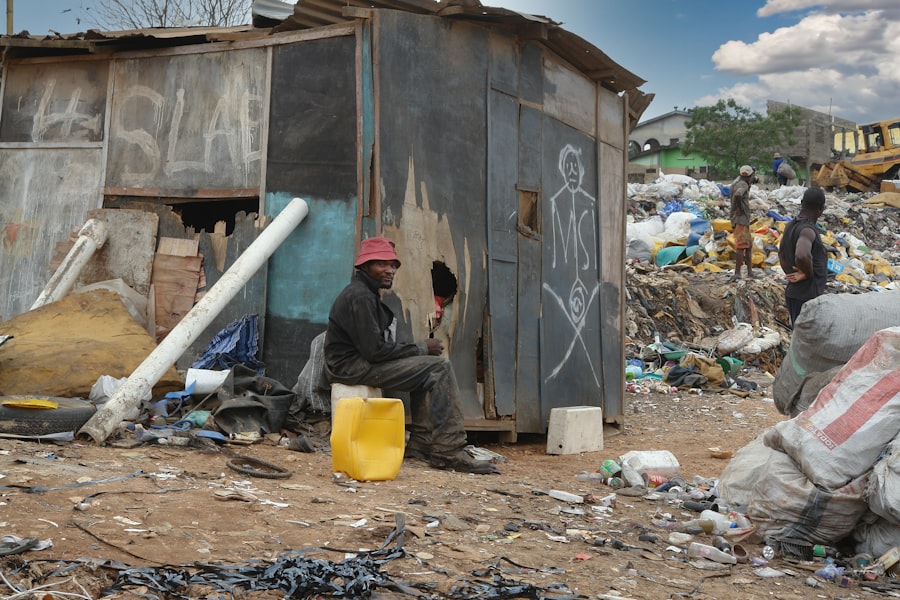
The rapid urbanization and economic changes of the Industrial Revolution also significantly altered dietary patterns, often leading to widespread nutritional deficiencies and food-related illnesses.
Poor Diet and Malnutrition
The working classes in industrial cities often subsisted on diets that were nutritionally inadequate and monotonous. Staple foods included bread, potatoes, and tea, with limited access to fresh fruits, vegetables, and lean protein. Processed and adulterated foods became common, as unscrupulous merchants sought to maximize profits by adding fillers or harmful substances to staple goods. The lack of variety and essential nutrients left many vulnerable to diseases like rickets (due to vitamin D deficiency), scurvy (vitamin C deficiency), and pellagra (niacin deficiency). Malnutrition weakened immune systems, making individuals more susceptible to infectious diseases and hindering recovery from illness. Their bodies, deprived of vital sustenance, were like engines running on fumes, destined to break down prematurely.
Food Adulteration
Food adulteration was a pervasive problem during this era. To increase weight or improve the appearance of their products, sellers would add chalk to milk, plaster of Paris to flour, or even toxic lead chromate to confectionery. These practices not only cheated consumers but also posed serious health risks, leading to acute poisoning and chronic illnesses. The lack of effective food safety regulations and enforcement meant that consumers were largely unprotected from these exploitative and dangerous practices. The dinner table, which should have been a source of nourishment, often became a vector for disease, a silent betrayer of trust.
Access to Clean Water and Sanitation for Food Preparation
Even when nutritious food was available, its preparation was often compromised by the lack of clean water and inadequate sanitation. Water used for cooking and washing hands was frequently contaminated, leading to the spread of foodborne illnesses. The absence of refrigeration meant food spoiled quickly, and practices for storing and handling food were often unhygienic. This created a vicious cycle where scarce, often adulterated food was then further compromised by unsanitary handling, magnifying the risk of disease.
The Health and sanitation issues during the Industrial Revolution had a profound impact on urban populations, leading to widespread disease and suffering. As cities rapidly expanded due to industrialization, inadequate waste disposal and overcrowded living conditions became rampant. For a deeper understanding of how these factors influenced public health and the eventual reforms that followed, you can explore this insightful article on the topic. It highlights the challenges faced by communities and the measures taken to improve living conditions. To read more about this historical context, visit this article.
Early Public Health Responses and Reforms
| Issue | Description | Impact | Common Causes | Approximate Mortality Rate |
|---|---|---|---|---|
| Cholera Outbreaks | Waterborne disease caused by contaminated drinking water | High mortality, rapid spread in urban areas | Poor sewage disposal, contaminated water supply | Up to 50% in affected areas |
| Typhoid Fever | Bacterial infection spread through contaminated food and water | Frequent epidemics in crowded cities | Unsanitary living conditions, lack of clean water | Varied, often 10-20% |
| Respiratory Diseases | Diseases like tuberculosis and bronchitis caused by polluted air | Chronic illness and high death rates among workers | Industrial pollution, overcrowded housing | Significant but variable |
| Infant Mortality | High death rates among infants due to poor sanitation and nutrition | Reduced population growth, social impact | Poor hygiene, contaminated milk, inadequate healthcare | Up to 30-40% |
| General Sanitation | Lack of proper sewage and waste disposal systems | Spread of multiple infectious diseases | Rapid urbanization, inadequate infrastructure | Contributed to high overall mortality |
Despite the immense challenges, the Industrial Revolution also witnessed the nascent beginnings of organized public health efforts, driven by growing awareness of the intertwined nature of poverty, disease, and urban conditions.
Emergence of Sanitary Reformers
Individuals like Edwin Chadwick in Britain played a pivotal role in advocating for public health reform. His seminal 1842 report, “The Sanitary Condition of the Labouring Population of Great Britain,” vividly documented the appalling living conditions and their impact on health, arguing that preventable diseases placed a significant economic burden on society. Chadwick and other reformers championed the idea that public health was a collective responsibility, advocating for improved drainage, clean water supplies, and proper waste disposal. These reformers were the early cartographers of public health, mapping out the causal links between environment and well-being, even when the broader society was slow to grasp their implications.
Legislative Efforts and Public Health Acts
The mounting evidence of public health crises gradually spurred legislative action. The Public Health Act of 1848 in Britain was a significant, albeit imperfect, step towards empowering local authorities to establish boards of health, appoint medical officers, and implement sanitation improvements. Subsequent acts in the latter half of the 19th century further strengthened these powers, leading to the construction of vast sewer systems, the provision of clean water supplies, and improved housing standards. These legislative acts were like embryonic blueprints for a healthier society, slowly but surely laying the foundations for modern public health infrastructure.
Philanthropic Endeavors and Individual Initiatives
Alongside government action, philanthropic organizations and individual benefactors also contributed to early public health efforts. They established hospitals, dispensaries, and welfare programs aimed at alleviating suffering and providing medical care to the poor. While often limited in scope, these initiatives played a crucial role in providing immediate relief and raising awareness about the plight of the working classes. These acts of charity, though small in comparison to the scale of the problem, were crucial ethical beacons, illuminating some paths toward a more humane future in the face of widespread suffering.
In conclusion, the Industrial Revolution, while a testament to human ingenuity and economic progress, presented a formidable array of health and sanitation challenges. The unchecked growth of cities, the relentless demands of industry, and the prevailing societal indifference to the welfare of the working classes conspired to create environments ripe for disease, suffering, and premature death. The period serves as a powerful historical lesson, illustrating the critical importance of robust public health infrastructure, equitable living conditions, and responsible industrial practices in safeguarding human well-being. The struggles and reforms of this era laid the groundwork for modern public health, a legacy that continues to shape our understanding and approach to societal health today, reminding us that progress, if not carefully managed, can come at a terrible human cost.
FAQs
What were the main health problems during the Industrial Revolution?
During the Industrial Revolution, common health problems included respiratory diseases like bronchitis and tuberculosis due to air pollution, as well as infectious diseases such as cholera and typhoid caused by poor sanitation and contaminated water.
How did poor sanitation contribute to health issues in industrial cities?
Poor sanitation in rapidly growing industrial cities led to the contamination of drinking water and the spread of diseases. Lack of proper sewage systems and waste disposal caused outbreaks of cholera, dysentery, and other waterborne illnesses.
What impact did overcrowding have on public health during the Industrial Revolution?
Overcrowding in urban areas resulted in cramped and unsanitary living conditions, which facilitated the rapid spread of infectious diseases. Many families lived in small, poorly ventilated housing, increasing vulnerability to illness.
Were there any government responses to health and sanitation problems during this period?
Yes, governments began to address health and sanitation issues by implementing public health reforms, such as building sewer systems, improving water supply, and enacting laws like the Public Health Act of 1848 in Britain to regulate sanitation and housing conditions.
How did industrial working conditions affect workers’ health?
Industrial working conditions were often hazardous, with long hours, poor ventilation, and exposure to harmful substances. Workers frequently suffered from respiratory problems, injuries, and chronic illnesses related to factory environments.