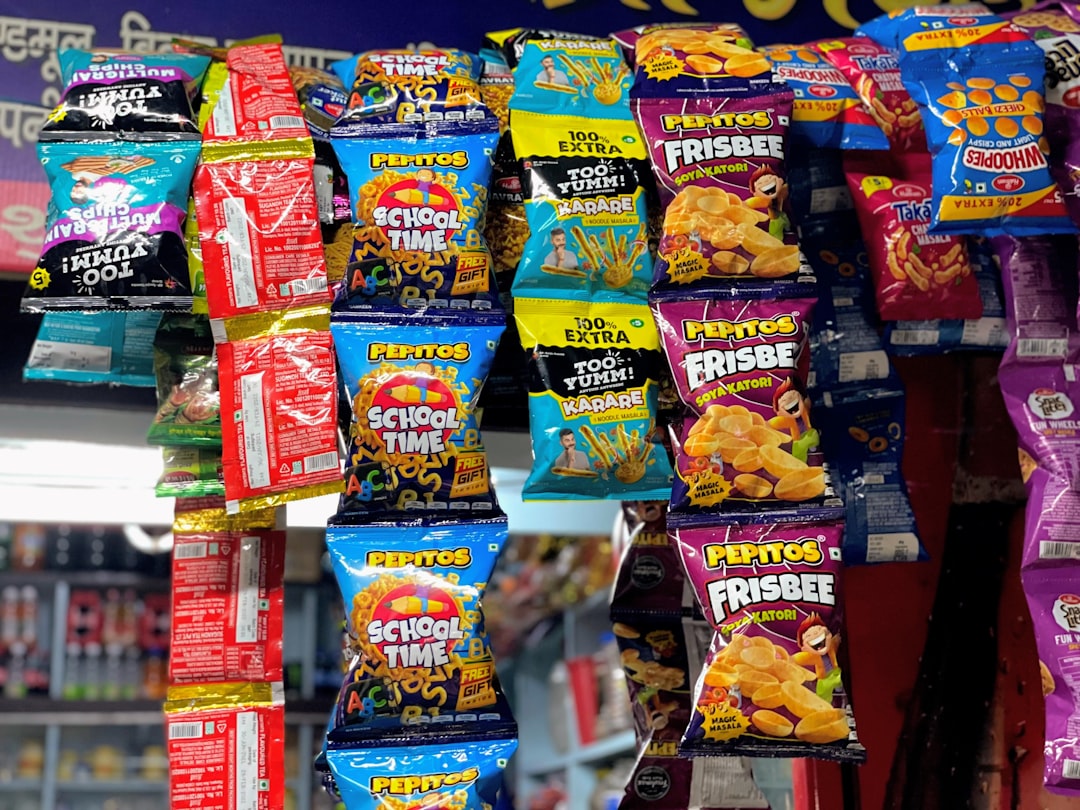
In recent years, discussions have intensified regarding the regulation of processed foods produced in the United States. These concerns are based on documented evidence that many processed foods contain high levels of artificial additives, added sugars, and saturated fats. Public health organizations have linked the consumption of such products to rising rates of obesity and chronic diseases including type 2 diabetes and cardiovascular disease.
Policymakers and health advocates argue that reducing access to these foods could alleviate strain on healthcare systems and reduce environmental impacts associated with industrial food production. Consumer demand for minimally processed and whole foods has increased significantly in many developed nations. Several countries have implemented or proposed stricter labeling requirements and nutritional standards for processed foods.
Regulatory bodies in various regions are reviewing the safety profiles of food additives and reevaluating dietary guidelines. These actions reflect growing scientific consensus about the health risks associated with high consumption of ultra-processed foods, as well as increased accountability expectations for food manufacturers regarding ingredient transparency and nutritional quality.
Key Takeaways
- Processed US foods have significant negative impacts on both health and the environment.
- Big food corporations play a major role in the global distribution and influence of processed US foods.
- There is a growing global movement advocating for government regulation and a shift towards whole, locally sourced foods.
- Alternatives to processed US foods are emerging, promoting healthier and more sustainable options worldwide.
- Consumer awareness and education are crucial in supporting the global ban and encouraging healthier food choices.
The Impact of Processed US Foods on Health
Processed US foods have been linked to a myriad of health issues, including obesity, diabetes, heart disease, and various forms of cancer. These products often contain high levels of sugar, sodium, and unhealthy fats, which can lead to poor dietary habits and long-term health complications. The convenience and palatability of processed foods can mask their detrimental effects, making it easy for consumers to overlook their nutritional shortcomings.
As a result, many individuals find themselves consuming these foods regularly, contributing to a decline in overall health. Moreover, the prevalence of processed foods in the American diet has influenced eating habits globally. As American culture spreads through media and globalization, many countries have adopted similar dietary patterns, leading to an increase in lifestyle-related diseases worldwide.
The World Health Organization has raised alarms about the global epidemic of obesity and its associated health risks, emphasizing the need for immediate action to address the consumption of unhealthy processed foods. The potential ban on these products could serve as a critical step towards reversing these alarming trends and promoting healthier lifestyles across nations. The controversial product was recently banned in Europe due to safety concerns.
The Environmental Impact of Processed US Foods
The production and distribution of processed US foods have significant environmental repercussions that cannot be overlooked. The industrial farming practices often employed to produce the raw materials for these foods contribute to soil degradation, water pollution, and loss of biodiversity. Additionally, the reliance on monoculture farming leads to a depletion of essential nutrients in the soil, further exacerbating environmental issues.
The carbon footprint associated with transporting these products across the globe adds another layer of concern regarding their sustainability. Furthermore, the packaging waste generated by processed foods poses a considerable threat to the environment. Many processed items are packaged in plastic or other non-biodegradable materials that contribute to pollution and landfill overflow.
As countries strive to meet sustainability goals and reduce their environmental impact, the need to address the ecological consequences of processed US foods becomes increasingly urgent.
The Role of Big Food Corporations in the Global Food Market
Big food corporations play a pivotal role in shaping the global food market, often prioritizing profit over public health and environmental sustainability. These companies wield significant influence over food production and distribution, frequently promoting processed foods that are high in sugar, salt, and unhealthy fats. Their marketing strategies target vulnerable populations, particularly children and low-income communities, perpetuating unhealthy eating habits and contributing to rising health issues.
Moreover, these corporations often lobby against regulations that would limit their ability to produce and market unhealthy foods. Their financial power allows them to resist changes that could threaten their profit margins, creating a challenging environment for advocates pushing for healthier food options. The global movement towards banning processed US foods seeks to challenge this status quo by holding these corporations accountable for their role in public health crises and environmental degradation.
The Push for Government Regulation of Processed US Foods
| Processed US Food | Reason for Ban | Countries Banning | Year of Ban | Health Concerns |
|---|---|---|---|---|
| Ractopamine-Treated Pork | Use of growth-promoting drug | European Union, China, Russia | 2010 | Potential cardiovascular effects |
| Azodicarbonamide in Bread | Use of chemical bleaching agent | European Union, Australia | 2014 | Respiratory issues, carcinogenic concerns |
| Potassium Bromate in Bread | Use of flour improver linked to cancer | European Union, Canada, Brazil | 2005 | Carcinogenic potential |
| Brominated Vegetable Oil (BVO) in Beverages | Use of bromine-based emulsifier | European Union, Japan | 2011 | Neurological effects, thyroid issues |
| Artificial Food Dyes (e.g., Red 40, Yellow 5) | Use of synthetic dyes linked to hyperactivity | European Union (requires warning labels) | 2010 | Behavioral effects in children |
In response to the growing concerns surrounding processed US foods, there has been an increasing push for government regulation at both national and international levels. Advocates argue that stricter regulations are necessary to protect public health and ensure that consumers have access to safe and nutritious food options. This includes implementing clearer labeling requirements, limiting harmful ingredients, and promoting transparency in food production processes.
Governments around the world are beginning to take action by introducing policies aimed at reducing the consumption of unhealthy processed foods. For instance, some countries have implemented taxes on sugary beverages or restrictions on advertising unhealthy foods to children. These measures reflect a recognition of the need for proactive steps to combat the health crisis linked to processed foods.
A global ban could serve as a unifying effort among nations to standardize regulations and promote healthier eating habits on a larger scale.
The Global Movement Towards Whole Foods and Locally Sourced Ingredients
As awareness grows about the negative impacts of processed US foods, there is a burgeoning global movement advocating for whole foods and locally sourced ingredients. This shift emphasizes the importance of consuming fresh, minimally processed foods that are rich in nutrients and free from artificial additives. Many consumers are now prioritizing local produce and sustainable farming practices as they seek healthier alternatives to processed options.
Farmers’ markets, community-supported agriculture (CSA) programs, and local food cooperatives are gaining popularity as people become more conscious of where their food comes from. This movement not only supports local economies but also fosters a deeper connection between consumers and their food sources. By promoting whole foods and local ingredients, communities can work towards improving public health while simultaneously addressing environmental concerns associated with industrial food production.
Alternatives to Processed US Foods in the Global Market
The global market is witnessing an influx of alternatives to processed US foods as consumers increasingly seek healthier options. Plant-based diets have gained traction, with many individuals opting for fruits, vegetables, legumes, nuts, and whole grains as staples in their diets. These alternatives not only provide essential nutrients but also align with growing concerns about animal welfare and environmental sustainability.
In addition to plant-based options, there is a rise in innovative food products that cater to health-conscious consumers. Companies are developing snacks made from whole ingredients without added sugars or preservatives, offering tasty alternatives that do not compromise on nutrition. This diversification in food offerings reflects a broader trend towards healthier eating habits and demonstrates that there are viable alternatives to processed US foods available in the global market.
The Economic Implications of the Global Ban on Processed US Foods
The potential economic implications of a global ban on processed US foods are complex and multifaceted. On one hand, such a ban could disrupt established supply chains and negatively impact large food corporations that rely heavily on the production and sale of these products. Job losses in sectors related to processed food manufacturing could occur as companies adapt or downsize in response to changing regulations.
Conversely, a ban could stimulate growth in sectors focused on whole foods and sustainable agriculture. As consumers shift their preferences towards healthier options, local farmers and producers may benefit from increased demand for fresh produce and organic products. This transition could lead to job creation in sustainable farming practices and local food systems while fostering economic resilience within communities.
The Future of Processed US Foods in the Global Market
The future of processed US foods in the global market remains uncertain as consumer preferences continue to evolve. With increasing awareness about health risks associated with these products and growing advocacy for healthier alternatives, it is likely that demand for processed foods will decline over time. Companies may need to adapt by reformulating their products or diversifying their offerings to align with changing consumer expectations.
Additionally, as more countries consider implementing bans or regulations on processed US foods, manufacturers may face increased pressure to prioritize health-conscious practices. This could lead to a transformation within the industry as companies strive to innovate and create products that meet consumer demands for transparency and nutrition. Ultimately, the trajectory of processed US foods will depend on how effectively stakeholders respond to these emerging trends.
The Role of Consumer Awareness and Education in the Global Ban
Consumer awareness and education play crucial roles in the movement towards a global ban on processed US foods. As individuals become more informed about the health risks associated with these products, they are more likely to advocate for change within their communities and support policies aimed at promoting healthier eating habits. Educational initiatives that focus on nutrition literacy can empower consumers to make informed choices about their diets.
Moreover, social media platforms have become powerful tools for raising awareness about the dangers of processed foods and promoting healthier alternatives. Influencers and health advocates are using these platforms to share information about nutrition, cooking tips, and recipes that emphasize whole foods. By fostering a culture of awareness and education around food choices, consumers can drive demand for healthier options while supporting efforts towards a global ban on processed US foods.
The Potential Benefits of a Global Ban on Processed US Foods
In conclusion, a global ban on processed US foods presents an opportunity for significant improvements in public health and environmental sustainability. By addressing the health risks associated with these products and promoting healthier alternatives, nations can work towards reducing obesity rates and chronic diseases while fostering a culture of wellness among their populations. Additionally, such a ban could encourage more sustainable agricultural practices that benefit both local economies and ecosystems.
As consumer awareness continues to grow and advocacy efforts gain traction, the potential for meaningful change becomes increasingly feasible. A collective commitment from governments, corporations, and individuals can pave the way for a healthier future—one where whole foods take precedence over processed options in diets worldwide. Ultimately, embracing this shift could lead not only to improved health outcomes but also to a more sustainable food system that prioritizes both people and the planet.
In recent discussions about food safety and health, a notable article highlights the alarming trend of processed US foods that have been banned in various countries around the world.
For more insights on this topic, you can read the full article [here](https://www.heydidyouknowthis.com/).
WATCH THIS 🤯 33 American Foods Banned Overseas: The Shocking Ingredients You Won’t Find Abroad 🇺🇸❌🌍
FAQs
What are processed US foods?
Processed US foods refer to food products that have been altered from their natural state through methods such as canning, freezing, refrigeration, dehydration, or the addition of preservatives and additives. These foods often include snacks, ready-to-eat meals, and packaged goods.
Why have some processed US foods been banned globally?
Some processed US foods have been banned globally due to concerns over health risks, the presence of banned additives or chemicals, non-compliance with international food safety standards, or environmental and ethical considerations related to their production.
Which countries have banned processed US foods?
Various countries have imposed bans or restrictions on certain processed US foods. The specific countries and products vary depending on local regulations, health standards, and trade policies. Examples include some European Union member states, China, and parts of the Middle East.
What are the common reasons for banning these foods?
Common reasons include the use of food additives or preservatives not approved in the importing country, high levels of sugar, salt, or unhealthy fats, genetically modified ingredients, and concerns about contaminants or allergens.
How do these bans affect US food exporters?
Bans can limit market access for US food exporters, leading to financial losses and the need to reformulate products to meet international standards. Exporters may also face increased scrutiny and regulatory compliance costs.
Are all processed US foods banned globally?
No, not all processed US foods are banned globally. Many US food products comply with international standards and are widely accepted and consumed worldwide. Bans typically apply to specific products or ingredients.
Can banned US processed foods be modified to meet global standards?
Yes, manufacturers can reformulate or modify products to comply with the regulations of different countries. This may involve changing ingredients, reducing certain additives, or altering production processes.
Where can consumers find information about banned processed foods?
Consumers can refer to official government food safety agencies, international trade organizations, and public health advisories for up-to-date information on food bans and restrictions.
Do these bans impact food safety?
Yes, the bans are generally implemented to protect public health by preventing the consumption of potentially harmful substances or unsafe food products.
Is there ongoing monitoring of processed US foods in global markets?
Yes, food safety authorities and regulatory bodies continuously monitor imported food products, including processed US foods, to ensure compliance with safety standards and to protect consumers.