
You stand at the precipice of a common household dilemma: the persistent battle against dirt and stains, a war waged in the trenches of your washing machine. But what if the weapons you employ, your gleaming bottles of commercial laundry detergent, are themselves a silent aggressor, insidiously eroding the health of your family and the planet? This is not hyperbole; it is a question of understanding the hidden costs of convenience. Your journey into gentle laundry begins with a critical examination of the status quo and an exploration of non-toxic alternatives, a path where purity and efficacy are not mutually exclusive.
You might assume that what cleans your clothes is, by its very nature, benign. However, peel back the glossy label, and you will find a labyrinth of chemicals, each playing its role, but often with unintended consequences. Think of your clothing as a second skin, and the residue left behind by harsh detergents as an invisible garment you wear constantly.
A Cocktail of Concerns
Many conventional detergents are a pharmacopoeia of ingredients designed for maximum cleaning power and visual appeal, often at a compromise to health and environmental well-being.
- Surfactants: These are the workhorses of detergent, reducing the surface tension of water to allow it to spread and penetrate fabrics more effectively. Common synthetic surfactants, however, can be derived from petroleum and may be non-biodegradable or slow to degrade, accumulating in waterways. Examples include linear alkylbenzene sulfonates (LAS) and alcohol ethoxylates (AE). You might experience skin irritation or allergic reactions from prolonged contact with clothes washed in these substances.
- Phosphates: Historically, phosphates were widely used as “builders” to soften water and boost the efficiency of surfactants. While largely phased out in many regions due to their role in eutrophication (excessive nutrient enrichment leading to algal blooms and oxygen depletion in aquatic ecosystems), they still appear in some formulations. Consider yourself a steward of your local waters; every flush, every drain, contributes to a larger ecological tapestry.
- Optical Brighteners (Fluorescent Whitening Agents – FWAs): These chemicals work by absorbing ultraviolet light and re-emitting it as blue light, creating the illusion of whiter, brighter clothes. They do not clean; they simply mask yellowing. These persistent chemicals can adhere to fabrics even after rinsing, potentially causing skin reactions in sensitive individuals. Moreover, they are often non-biodegradable and can be toxic to aquatic life.
- Fragrances: The “fresh scent” of clean laundry is often achieved through a complex blend of synthetic chemicals, many of which are known allergens and irritants. You might not realize that your persistent sniffles or unexplained headaches could be linked to the lingering scent molecules on your bedding or towels. These “fragrance” mixtures are often proprietary, meaning manufacturers are not required to disclose individual ingredients, leaving you unknowingly exposed to a host of potential irritants, including phthalates which are endocrine disruptors.
- Dyes: Artificial colors are added solely for aesthetic appeal, often making the detergent itself more visually appealing. Like fragrances, they serve no functional cleaning purpose and can be a source of skin irritation and environmental contamination.
- Preservatives: To prolong shelf life and prevent microbial growth in liquid detergents, various preservatives are used. Some, like formaldehyde-releasing chemicals (e.g., quaternium-15), are known carcinogens and skin sensitizers.
Environmental Repercussions
The journey of your dirty laundry water extends far beyond your washing machine. It becomes part of a larger interconnected system, an ecosystem that bears the brunt of chemical discharge.
- Water Pollution: As discussed, phosphates contribute to eutrophication, leading to dead zones in rivers and lakes. Persistent organic compounds, including some surfactants and optical brighteners, can accumulate in the food chain, impacting aquatic organisms and, ultimately, human health. You are not only washing your clothes; you are, in essence, washing chemicals into the environment.
- Biodiversity Loss: The chemicals released from laundry products can be toxic to fish, amphibians, and invertebrates, disrupting delicate ecological balances. Imagine a vibrant coral reef slowly succumbing to a chemical tide, its colors fading, its life giving way to an eerie silence. This is the distant echo of your laundry choices.
- Air Pollution: Volatile Organic Compounds (VOCs) from fragrances can be released into the air during washing and drying, contributing to indoor air pollution and potentially impacting outdoor air quality. You might be inadvertently contributing to a less breathable environment for both yourself and your community.
If you’re looking for non-toxic laundry detergent alternatives, you might find the article on Hey Did You Know This? particularly insightful. It explores various eco-friendly options that not only clean your clothes effectively but also minimize harmful chemicals in your home. For more information, check out the article here: Hey Did You Know This?.
Embracing Simplicity: Your Path to Non-Toxic Cleaning
The good news is that you don’t need a degree in chemistry to make informed choices. The path to non-toxic laundry is often characterized by a return to simpler, time-tested ingredients and a rejection of synthetic complexity. This is about empowering yourself with knowledge and making conscious decisions that benefit your household and the planet.
The Power of Single-Ingredient Solutions
Before the advent of complex chemical formulations, people relied on fundamental substances for their cleaning needs. Many of these natural ingredients remain incredibly effective and significantly safer. Think of these as your basic building blocks, versatile tools in your arsenal against dirt.
- Baking Soda (Sodium Bicarbonate): This humble pantry staple is a powerhouse. You can use it as a natural deodorizer, cutting through stale odors and leaving clothes smelling genuinely fresh, not chemically perfumed. It also acts as a water softener, enhancing the cleaning power of other ingredients. A half-cup added to your wash cycle can make a noticeable difference, particularly if you have hard water. Furthermore, it’s a gentle abrasive for spot treating stains.
- White Vinegar (Acetic Acid): Vinegar is another multi-talented champion. Its mild acidity is excellent for dissolving mineral deposits (from hard water), acting as a natural fabric softener, and killing odor-causing bacteria. Add a half-cup to the rinse cycle to leave clothes soft, reduce static cling, and remove any residual detergent. Don’t worry about the vinegar smell; it dissipates completely as the clothes dry. You are essentially giving your clothes a fresh, pure rinse, free from synthetic conditioners.
- Borax (Sodium Borate): While sometimes misunderstood, borax is a natural mineral compound that has been used for generations as a laundry booster. It enhances the cleaning power of soap, helps to whiten whites, and can effectively remove stubborn stains. It also helps to control mold and mildew, particularly beneficial for damp laundry environments. You might consider adding a half-cup to your wash alongside baking soda for an extra cleaning punch. It is important to handle borax carefully and keep it out of reach of children and pets, as it can be harmful if ingested in large quantities.
- Washing Soda (Sodium Carbonate): Often confused with baking soda, washing soda is more alkaline and thus a stronger cleaning agent. It’s excellent for tackling tough grease stains and softening hard water. You can find it in the laundry aisle of many stores. A quarter to a half-cup per load can significantly boost cleaning performance. Think of washing soda as your heavy artillery for particularly soiled items.
Crafting Your Own Detergents
If you desire complete control over your laundry ingredients and want to reduce packaging waste, making your own detergent is a rewarding endeavor. It’s an act of self-sufficiency, a defiant stand against the chemical industry’s grip.
- Simple Powder Detergent: A basic recipe often involves grated bar soap (Castile soap, Fels-Naptha, or a similar natural soap), borax, and washing soda. You can easily find recipes online, adjusting the ratios to suit your preferences and water hardness. Grate your chosen soap finely, then combine it with equal parts borax and washing soda. Store in an airtight container and use 1-2 tablespoons per load. This approach allows you to dictate precisely what goes into your wash.
- Liquid Laundry Soap: For those who prefer a liquid consistency, you can dissolve grated soap in hot water, then incorporate borax and washing soda. This creates a gel-like consistency that can be stored and used much like commercial liquid detergents. You will discover the satisfaction of using a product you created with your own hands, free from questionable additives.
- Scenting Naturally: If you miss the sensory experience of scented laundry, forgo synthetic fragrances. Instead, add a few drops of essential oils (e.g., lavender, tea tree, lemon) to your wash cycle or dryer balls. Remember, essential oils are potent, so a little goes a long way. You are inviting nature’s own aromatic palette into your home, in a controlled and non-toxic manner.
Exploring Commercial Non-Toxic Options
While DIY solutions offer ultimate control, you may prefer the convenience of store-bought alternatives. Fortunately, the market for genuinely non-toxic laundry detergents is growing, driven by increasing consumer awareness. You are no longer navigating a barren wasteland; a garden of safer options is beginning to bloom.
Decoding Labels and Certifications
Navigating the claims on detergent labels can be a minefield. Many brands employ “greenwashing” tactics, using buzzwords like “natural” or “eco-friendly” without true substance. You must become a discerning detective, sifting through marketing fluff to uncover genuine transparency.
- Look for Transparency: A truly non-toxic brand will openly list all its ingredients. If a product’s label is vague or uses generalized terms, consider it a red flag. You deserve to know what you are bringing into your home.
- Third-Party Certifications: Seek out detergents with reputable third-party certifications. Labels like “EPA Safer Choice,” “EWG Verified,” or “EcoCert” indicate that the product has met stringent standards for human and environmental health. These certifications act as trusted guides, cutting through the confusion of self-proclaimed “green” products.
- “Free & Clear” Doesn’t Always Mean Toxin-Free: While “Free & Clear” products typically avoid dyes and fragrances (a good start), they may still contain other concerning chemicals. Always read the ingredient list beyond the headline claims. You are looking for a complete picture, not just an edited highlight reel.
- Biodegradability: Prioritize products that explicitly state their ingredients are readily biodegradable. This ensures that what goes down your drain breaks down harmlessly in the environment. Your conscious choice translates into a cleaner, healthier planet.
- Plant-Based Ingredients: Look for detergents that emphasize plant-derived surfactants and other ingredients over petroleum-based ones. This indicates a move towards renewable resources and often less harsh chemistry. You are aligning your choices with sustainable practices.
Reputable Non-Toxic Brands
Several brands have established themselves as leaders in the non-toxic laundry space, offering a range of effective and safe solutions. These are often pioneers, charting a new course in an industry historically dominated by chemical giants.
- Seventh Generation: A long-standing pioneer in eco-friendly household products, Seventh Generation offers plant-based detergents free from dyes, artificial fragrances, and optical brighteners. They are known for transparency and commitment to sustainability.
- Molly’s Suds: This brand focuses on simple, powerful, and truly natural ingredients, often using just a few core components like sodium bicarbonate and mineral salts. They are particularly praised for their effectiveness in removing odors and for sensitive skin.
- Branch Basics: Taking a minimalist approach, Branch Basics offers a concentrated “all-purpose” cleaner that can be diluted for various uses, including laundry. Their unfragranced, plant-derived formula is highly rated for individuals with sensitivities.
- Attitude Living: Based in Canada, Attitude Living offers a comprehensive range of household products, including laundry detergents, all certified by EWG Verified and Ecologo, ensuring strict health and environmental standards.
- Nellie’s All-Natural: This brand embraces a philosophy of “simply clean,” offering powdered laundry soda with a short, recognizable ingredient list, often packaged in recyclable tins, highlighting their commitment to reduced waste.
Enhancing Your Gentle Laundry Routine

Beyond the detergent itself, there are other practices you can adopt to amplify the efficacy of your non-toxic approach and further reduce your environmental footprint. Think of this as optimizing your entire laundry ecosystem.
Natural Stain Removal
Even with the best detergent, occasional stains are inevitable. Instead of resorting to harsh chemical spot treatments, you have a wealth of natural stain removers at your disposal. You are becoming a master of your linen’s fate, armed with natural wisdom.
- Hydrogen Peroxide: A mild bleach, hydrogen peroxide (3%) is excellent for whitening and removing blood or organic stains. Apply directly to the stain, let it sit for a few minutes, then wash as usual. It breaks down into water and oxygen, leaving no toxic residue.
- Lemon Juice and Sunlight: For yellowing whites or rust stains, lemon juice applied to the stain and allowed to dry in direct sunlight can be remarkably effective due to its natural bleaching properties. The sun’s UV rays become your silent, powerful ally.
- Salt: For fresh red wine spills, salt can absorb the liquid and prevent it from setting. For grease stains, rub a paste of salt and dish soap onto the area before washing.
- Cornstarch or Talcum Powder: For fresh grease stains, sprinkle cornstarch or talcum powder directly on the stain. Allow it to absorb the grease for at least 30 minutes (or longer), then brush it off before washing. This acts like a magnet for oil, drawing it out of the fabric.
Dryer Alternatives and Accessories
The conventional dryer, while convenient, consumes a significant amount of energy and can be harsh on fabrics. Furthermore, dryer sheets often contain a host of problematic chemicals. You can liberate your laundry from these constraints.
- Wool Dryer Balls: These are a game-changer. Reusable for hundreds of loads, wool dryer balls reduce drying time, soften fabrics naturally (by separating clothes and preventing clumping), and reduce static cling. You can even add a few drops of essential oil to them for a natural scent without any toxic chemicals. They are silent, workhorses contributing to a softer, quicker dry.
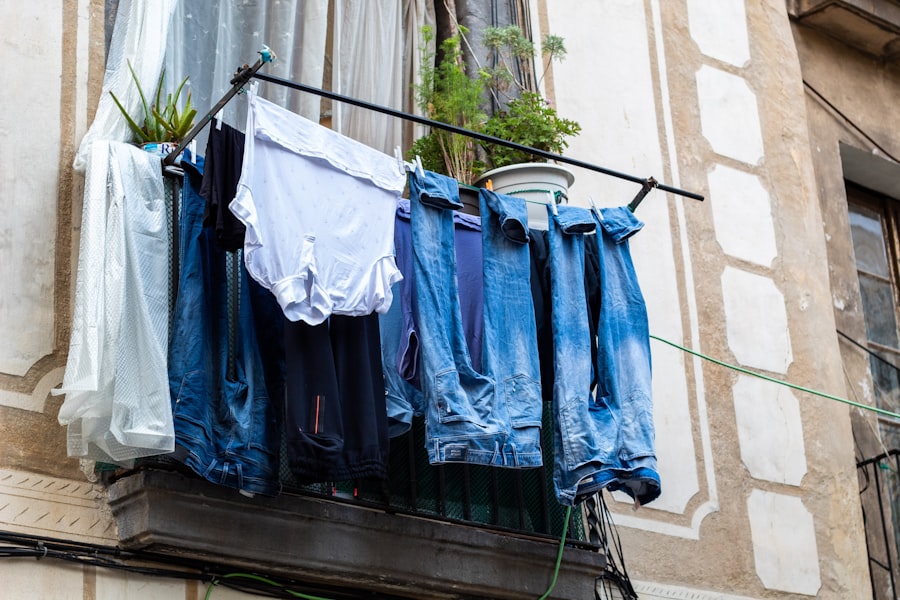
- Line Drying: The oldest and most environmentally friendly method, line drying harnesses the power of the sun and wind. It saves energy, extends the life of your clothes, and leaves them smelling naturally fresh. Consider it a deliberate act of sustainability, a return to simpler, purer ways.
- Shake and Hang: Even if you use a dryer, shaking clothes before placing them in can reduce wrinkling and improve airflow, leading to faster drying. For delicate items, hanging them to air dry is often the best option.
Water Temperature and Load Size
These often-overlooked factors play a crucial role in both cleaning efficacy and environmental impact. You are refining your technique, becoming a more skilled laundry practitioner.
- Cold Water Washing: Modern detergents (even non-toxic ones) are increasingly effective in cold water. Using cold water saves a significant amount of energy, as heating water accounts for a substantial portion of your washing machine’s energy consumption. Unless dealing with heavily soiled items, cold water is often sufficient.
- Full Loads: Always wash full loads. Running partial loads wastes water and energy. This is a simple equation: more clothes, less waste, more efficiency.
- Pre-Soaking: For heavily soiled or stained items, a pre-soak in warm water with a little baking soda or washing soda can dramatically improve cleaning results, often eliminating the need for aggressive scrubbing or multiple washes. This gentle preparation sets the stage for a thorough clean.
If you’re looking to make your laundry routine more eco-friendly, exploring non-toxic laundry detergent alternatives can be a great step. Many people are unaware of the harmful chemicals found in conventional detergents, which can affect both health and the environment. For a comprehensive guide on this topic, you might find the article on non-toxic laundry detergent alternatives particularly helpful, as it provides insights into various safe and effective options that you can easily incorporate into your washing habits.
The Long-Term Benefits: A Holistic Perspective
| Alternative | Effectiveness | Environmental Impact | Skin Sensitivity | Cost Efficiency |
|---|---|---|---|---|
| Baking Soda | Moderate – good for odor removal and light stains | Low – biodegradable and non-toxic | High – gentle on sensitive skin | High – inexpensive and widely available |
| Washing Soda | High – effective for heavy stains and grease | Moderate – natural but can raise water pH | Moderate – may irritate very sensitive skin | High – cost-effective for large loads |
| Castile Soap | High – good cleaning power for most fabrics | Low – biodegradable and plant-based | High – suitable for sensitive skin | Moderate – slightly more expensive than baking soda |
| Soap Nuts | Moderate – gentle cleaning, best for light soils | Low – natural and compostable | High – hypoallergenic and chemical-free | Moderate – reusable for multiple loads |
| Vinegar (as fabric softener) | Low – not a detergent but helps soften and deodorize | Low – biodegradable and non-toxic | High – safe for sensitive skin | High – very inexpensive |
Your decision to switch to gentle, non-toxic laundry practices is not merely about finding a cleaner way to wash clothes. It’s a holistic shift with far-reaching positive implications. You are investing in a healthier present and a more sustainable future.
For Your Health
- Reduced Skin Irritation and Allergies: Eliminating harsh chemicals, fragrances, and dyes can significantly alleviate symptoms of contact dermatitis, eczema, and other skin sensitivities. You are removing a silent irritant from your daily life, allowing your skin to breathe more freely.
- Improved Indoor Air Quality: By avoiding volatile organic compounds (VOCs) from synthetic fragrances, you are contributing to cleaner air within your home, which is especially beneficial for individuals with respiratory issues like asthma. Your home becomes a sanctuary, not a chemical cloud.
- Lower Exposure to Endocrine Disruptors and Carcinogens: Reducing your contact with chemicals like phthalates and formaldehyde-releasing agents minimizes your exposure to substances linked to hormonal imbalances and various health concerns. You are safeguarding your body from insidious threats.
For the Environment
- Cleaner Waterways: By choosing biodegradable ingredients and avoiding phosphates and other persistent pollutants, you are directly contributing to the health of rivers, lakes, and oceans. Your choices ripple outward, creating cleaner ecosystems.
- Reduced Carbon Footprint: Using cold water, line drying, and choosing detergents with a lower embodied energy (less processing, fewer synthetic ingredients) all contribute to a reduced carbon footprint. You are becoming a conscious consumer of energy.
- Support for Sustainable Agriculture and Production: Opting for plant-based ingredients supports agricultural practices that are less reliant on petrochemicals and potentially more sustainable. You are casting your vote for a greener economy with every purchase.
Your journey into gentle laundry is an ongoing process of learning, adapting, and making conscious choices. It’s about recognizing that the simplest solutions are often the most profound. By embracing non-toxic alternatives, you are not only caring for your clothes but also for your health, your home, and the planet at large. You are becoming an informed steward, making a tangible difference, one laundry load at a time.

WATCH NOW ▶️ WARNING: 50 Chemicals Banned Overseas (In Your Home)
FAQs
What are non-toxic laundry detergent alternatives?
Non-toxic laundry detergent alternatives are cleaning products or natural substances used to wash clothes without harmful chemicals. They typically avoid synthetic fragrances, dyes, phosphates, and harsh surfactants, making them safer for people, pets, and the environment.
What common ingredients are used in non-toxic laundry detergents?
Common ingredients include baking soda, washing soda, castile soap, white vinegar, essential oils, and natural soap nuts. These components help clean clothes effectively while minimizing chemical exposure.
Are non-toxic laundry detergent alternatives effective at cleaning clothes?
Yes, many non-toxic alternatives can clean clothes effectively, especially when used correctly. They may require adjustments in washing methods or water temperature but generally remove dirt and odors without damaging fabrics.
Can non-toxic laundry detergents be used for sensitive skin?
Non-toxic laundry detergents are often recommended for people with sensitive skin or allergies because they lack harsh chemicals and artificial fragrances that can cause irritation.
Where can I purchase non-toxic laundry detergent alternatives?
Non-toxic laundry detergent alternatives can be found at health food stores, specialty eco-friendly shops, online retailers, and sometimes in the natural products section of supermarkets. Some people also make their own detergents at home using simple ingredients.