Global sustainability initiatives and ethical farming practices have positioned organic livestock standards as a critical area of focus for agricultural producers, consumers, and regulatory bodies. The organic farming movement has experienced substantial growth over recent decades, fueled by increased awareness of health implications, environmental impacts, and animal welfare considerations. Current organic livestock standards function as comprehensive regulatory frameworks that establish requirements for sustainable and humane agricultural practices.
Significant revisions to organic livestock standards are scheduled for implementation in 2025, introducing new requirements that will substantially alter organic production protocols. These updated guidelines emphasize three primary areas: enhanced operational transparency, improved animal welfare standards, and strengthened environmental sustainability measures. The regulatory changes reflect evolving consumer expectations regarding responsible food production and consumption patterns.
These standards serve dual purposes: establishing compliance requirements for producers and creating stronger connections between consumers and agricultural practices, including the treatment of livestock within organic farming systems.
Key Takeaways
- The 2025 organic livestock standards introduce significant updates to animal welfare, feed, and environmental practices.
- Enhanced husbandry and veterinary care guidelines aim to improve overall animal health and well-being.
- New feed and forage requirements emphasize sustainable sourcing and organic integrity.
- Transitioning to the updated standards involves revised certification and compliance procedures for producers.
- The evolving standards present both challenges and opportunities for the future of organic livestock farming.
Evolution of Organic Livestock Standards
The journey of organic livestock standards has been marked by significant milestones that have shaped the industry as you know it today. Initially, organic farming was a grassroots movement focused on avoiding synthetic chemicals and promoting biodiversity. Over time, as consumer demand for organic products surged, regulatory bodies began to establish formal guidelines to ensure consistency and integrity within the market.
You may recall how the introduction of the National Organic Program (NOP) in the United States in 2000 set a precedent for organic certification, providing a framework that many countries would later adopt or adapt. As you reflect on this evolution, it becomes evident that the standards have continually adapted to address emerging challenges and opportunities. The early focus on crop production gradually expanded to include livestock, recognizing the integral role animals play in sustainable farming systems.
This shift has led to a more comprehensive understanding of organic practices, encompassing everything from breeding and feeding to health care and environmental stewardship. The evolution of these standards is a testament to the dynamic nature of organic agriculture, responding to both scientific advancements and changing consumer expectations.
Key Changes in the 2025 Guidelines
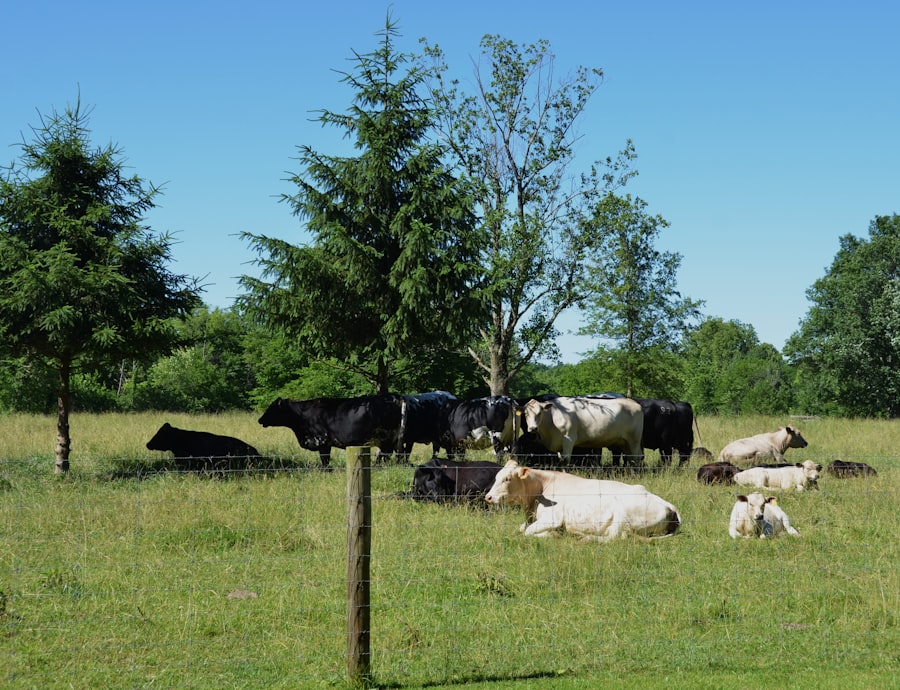
The 2025 guidelines for organic livestock are poised to introduce several key changes that will significantly impact how you approach organic farming. One of the most notable updates is the increased emphasis on animal welfare. The new standards will require producers to provide more space for animals, access to outdoor environments, and enrichment activities that promote natural behaviors.
This shift reflects a growing recognition that animal welfare is not just an ethical concern but also essential for producing high-quality organic products. In addition to welfare improvements, the 2025 guidelines will also address feed and forage requirements more rigorously. You can expect stricter regulations regarding the sourcing of organic feed, ensuring that it is not only free from synthetic additives but also produced sustainably.
This change aims to enhance the nutritional quality of feed while reducing the environmental impact associated with feed production. As you prepare for these updates, it is crucial to stay informed about the specific requirements that will affect your operations and how you can adapt your practices accordingly.
Animal Welfare and Husbandry Practices
Animal welfare is at the heart of the upcoming changes in organic livestock standards, reflecting a broader societal shift towards more humane treatment of farm animals. As you consider your own practices, it is essential to understand how these new guidelines will influence husbandry methods. The 2025 standards will mandate that animals have access to outdoor spaces, allowing them to engage in natural behaviors such as grazing and socializing.
This change not only enhances their quality of life but also contributes to healthier animals and better-quality products. Moreover, the guidelines will encourage you to adopt more holistic husbandry practices that prioritize animal well-being. This includes providing appropriate shelter, social structures, and enrichment activities that stimulate mental and physical health.
By embracing these practices, you can foster a more sustainable farming system that aligns with consumer expectations for ethical treatment of animals. As you navigate these changes, consider how improving animal welfare can also enhance your farm’s reputation and marketability in an increasingly competitive landscape.
Feed and Forage Requirements
| Metric | 2025 Standard | Description | Measurement/Requirement |
|---|---|---|---|
| Animal Housing | Mandatory outdoor access | Animals must have access to outdoor areas to promote natural behaviors | Minimum 50% of daylight hours outdoor access |
| Feed | 100% organic feed | All feed must be certified organic and free from synthetic additives | Certified organic feed only |
| Antibiotic Use | Prohibited except in emergencies | Antibiotics only allowed for treatment, no preventive use | Zero preventive antibiotic use |
| Animal Welfare | Enhanced welfare protocols | Regular welfare assessments and enrichment activities required | Quarterly welfare audits |
| Breeding | Natural breeding methods | Use of artificial insemination limited to specific cases | Natural mating preferred; AI only when necessary |
| Land Management | Rotational grazing | Grazing areas must be rotated to maintain soil health | Minimum 4 paddocks per grazing area |
| Certification | Annual inspection | Farms must undergo yearly organic certification inspections | Pass annual organic audit |
The 2025 guidelines will bring significant changes to feed and forage requirements for organic livestock producers like yourself. One of the primary goals of these updates is to ensure that all feed sources are not only organic but also sustainably produced. This means that you will need to pay closer attention to where your feed comes from and how it is grown.
The emphasis on local sourcing will encourage you to build relationships with nearby farmers who can provide high-quality organic feed, reducing transportation emissions and supporting local economies. Additionally, the new standards will require a more detailed record-keeping process regarding feed composition and sourcing. You may find yourself needing to document not only the ingredients in your feed but also their origins and production methods.
This transparency will help build consumer trust in your products while ensuring compliance with the evolving regulations. As you adapt to these requirements, consider exploring innovative feeding strategies that enhance animal health and productivity while adhering to the new guidelines.
Health and Veterinary Care Standards

Health care for organic livestock is another area where the 2025 guidelines will introduce important changes. You may already be aware that organic producers have traditionally relied on preventive measures rather than reactive treatments when it comes to animal health. The upcoming standards will reinforce this approach by emphasizing holistic health management practices that prioritize disease prevention through proper nutrition, housing, and stress reduction.
In addition to preventive care, the new guidelines will also outline specific protocols for veterinary treatments when necessary. You may need to familiarize yourself with approved medications and treatments that align with organic principles while ensuring your animals receive appropriate care when they are unwell. This balance between preventive measures and responsible treatment options will be crucial for maintaining both animal welfare and compliance with organic standards.
Environmental Sustainability and Land Use
As you consider the future of organic livestock farming, environmental sustainability will play a pivotal role in shaping your practices. The 2025 guidelines are designed not only to enhance animal welfare but also to promote sustainable land use practices that minimize environmental impact. You may find yourself needing to adopt regenerative agricultural techniques that improve soil health, enhance biodiversity, and reduce greenhouse gas emissions.
One significant aspect of these guidelines is the encouragement of rotational grazing systems that allow pastureland to recover while providing animals with fresh forage. This practice not only benefits animal health but also contributes to carbon sequestration in soils, making your farm more resilient against climate change. As you explore these sustainable practices, consider how they can enhance your farm’s productivity while aligning with consumer preferences for environmentally responsible products.
Transitioning to the 2025 Guidelines
Transitioning to the 2025 guidelines will require careful planning and adaptation on your part as an organic livestock producer. You may need to assess your current practices and identify areas where changes are necessary to comply with the new standards. This process may involve investing in infrastructure improvements, such as expanding outdoor access for animals or upgrading feeding systems to meet stricter requirements.
To facilitate this transition, consider seeking resources and support from agricultural organizations or extension services that specialize in organic farming. These resources can provide valuable insights into best practices for compliance while helping you navigate any challenges that arise during the transition period. By proactively addressing these changes, you can position your farm for success in an evolving market that increasingly values transparency and sustainability.
Certification and Compliance Processes
As you prepare for the implementation of the 2025 guidelines, understanding the certification and compliance processes will be essential for maintaining your organic status.
With the upcoming changes, you may need to familiarize yourself with new documentation requirements related to animal welfare, feed sourcing, and health care practices.
Staying organized and maintaining accurate records will be crucial for demonstrating compliance during inspections. You might consider implementing digital record-keeping systems that streamline this process while ensuring easy access to necessary documentation when needed. By prioritizing compliance from the outset, you can avoid potential setbacks while reinforcing your commitment to organic principles.
Impacts on Organic Livestock Producers
The impacts of the 2025 guidelines on organic livestock producers like yourself are likely to be profound and multifaceted. On one hand, these changes present an opportunity for you to enhance your farm’s reputation by aligning with consumer expectations for ethical treatment of animals and sustainable practices. As consumers become increasingly discerning about their food choices, demonstrating compliance with these new standards can set your products apart in a crowded marketplace.
On the other hand, adapting to these guidelines may pose challenges as you navigate potential costs associated with infrastructure upgrades or changes in feeding practices. However, embracing these challenges can lead to long-term benefits such as improved animal health, increased productivity, and enhanced marketability of your products.
Future Challenges and Opportunities in Organic Livestock Farming
Looking ahead, you may encounter both challenges and opportunities as you navigate the evolving landscape of organic livestock farming. One significant challenge lies in balancing compliance with profitability; as regulations become more stringent, finding cost-effective ways to meet these requirements will be essential for maintaining your farm’s viability. However, within these challenges lie opportunities for innovation and growth.
Embracing sustainable practices can lead not only to improved animal welfare but also enhanced soil health and biodiversity on your farm. Additionally, as consumer demand for ethically produced food continues to rise, positioning yourself as a forward-thinking producer committed to high standards can open doors to new markets and customer bases. In conclusion, as you prepare for the future of organic livestock standards set for 2025, it is essential to stay informed about key changes while embracing opportunities for growth within your farming practices.
By prioritizing animal welfare, environmental sustainability, and compliance with evolving regulations, you can contribute positively to both your farm’s success and the broader movement towards responsible agriculture.
As the organic livestock standards evolve, it’s essential to stay informed about the latest developments and guidelines. A related article that provides valuable insights into these changes can be found at this link. This resource discusses the implications of the 2025 standards and how they will impact organic farming practices, ensuring that producers and consumers alike are aware of the upcoming regulations.
FAQs
What are organic livestock standards?
Organic livestock standards are a set of regulations and guidelines that govern the raising, feeding, housing, and overall treatment of animals in organic farming systems. These standards ensure that animals are raised in humane conditions, without the use of synthetic chemicals, antibiotics, or genetically modified organisms.
Why are organic livestock standards important?
Organic livestock standards are important because they promote animal welfare, environmental sustainability, and food safety. They help maintain the integrity of organic products by ensuring that animals are raised according to strict ethical and ecological principles.
What changes are expected in the organic livestock standards for 2025?
The organic livestock standards for 2025 are expected to include updated requirements on animal welfare, pasture access, feed quality, and the use of veterinary treatments. These changes aim to improve animal health and welfare while maintaining organic integrity and sustainability.
Who sets the organic livestock standards?
Organic livestock standards are typically set by national or international certification bodies and regulatory agencies, such as the USDA National Organic Program (NOP) in the United States or the European Union Organic Regulation. These organizations develop and update standards based on scientific research and stakeholder input.
How do organic livestock standards affect farmers?
Farmers must comply with organic livestock standards to obtain and maintain organic certification. This involves adhering to specific practices related to animal care, feed, housing, and record-keeping. Compliance may require changes in farm management and can impact production costs and practices.
Are antibiotics allowed under organic livestock standards?
Generally, the use of antibiotics is prohibited or highly restricted under organic livestock standards. If an animal requires antibiotics for health reasons, it may lose its organic status, and farmers must follow specific protocols to maintain certification.
What types of animals are covered under organic livestock standards?
Organic livestock standards typically cover a range of farm animals, including cattle, sheep, goats, pigs, poultry, and sometimes other species like rabbits or bees, depending on the certification program.
How can consumers verify if livestock products meet organic standards?
Consumers can verify organic status by looking for certification labels from recognized organic certifying bodies on product packaging. These labels indicate that the product meets established organic livestock standards.
Will the 2025 organic livestock standards impact product prices?
Changes in organic livestock standards can influence production costs, which may affect retail prices. Enhanced animal welfare and sustainability measures might lead to higher costs, potentially reflected in the price of organic meat, dairy, and other animal products.
Where can I find the official 2025 organic livestock standards?
Official 2025 organic livestock standards will be published by relevant regulatory agencies and certifying bodies. These documents are typically available on their official websites and may include detailed guidelines, compliance requirements, and timelines for implementation.