Food dyes are widely used in modern food production to alter the appearance of products sold commercially. These colorants serve practical functions beyond visual enhancement, including masking discoloration, maintaining uniform appearance across production batches, and improving product appeal. The history of food coloring extends back several centuries, with early applications relying on natural sources such as beet juice and turmeric.
Contemporary food manufacturing predominantly uses synthetic dyes, which offer greater stability and lower production costs compared to natural alternatives.
As consumer awareness about food ingredients has grown, scrutiny of food dyes has increased correspondingly.
This article examines food dyes comprehensively, addressing documented health concerns, current regulatory frameworks, and the ongoing scientific debate about their safety, with particular attention to effects on children and other vulnerable populations.
Key Takeaways
- Food dyes are widely used but raise significant health concerns, especially for children.
- Several countries have banned certain artificial food dyes due to safety risks.
- The US FDA regulates food dyes but faces controversy over their safety standards.
- Consumer advocacy plays a crucial role in pushing for stricter food dye regulations.
- There is a growing demand for natural alternatives and further research on food dye impacts.
The Health Concerns Surrounding Food Dyes
The health implications of consuming food dyes have been a topic of considerable debate among scientists, health professionals, and consumers alike. Some studies have suggested a potential link between artificial food dyes and various health issues, including hyperactivity in children, allergic reactions, and even more severe conditions such as cancer. The concern is particularly pronounced with certain synthetic dyes, which have been shown to cause adverse reactions in sensitive individuals.
For instance, Yellow No. 5 (tartrazine) has been associated with allergic responses in some people, leading to symptoms such as hives and asthma attacks. Moreover, the long-term effects of consuming these dyes remain largely unknown.
While regulatory bodies have established acceptable daily intake levels for many food colorings, critics argue that these limits may not adequately protect all consumers, especially children who may be more susceptible to the effects of additives. The growing body of research suggesting potential links between food dyes and behavioral issues has prompted parents and health advocates to call for greater transparency and caution in the use of these substances in food products. The controversial product was recently banned in Europe due to safety concerns.
Global Bans on Food Dyes
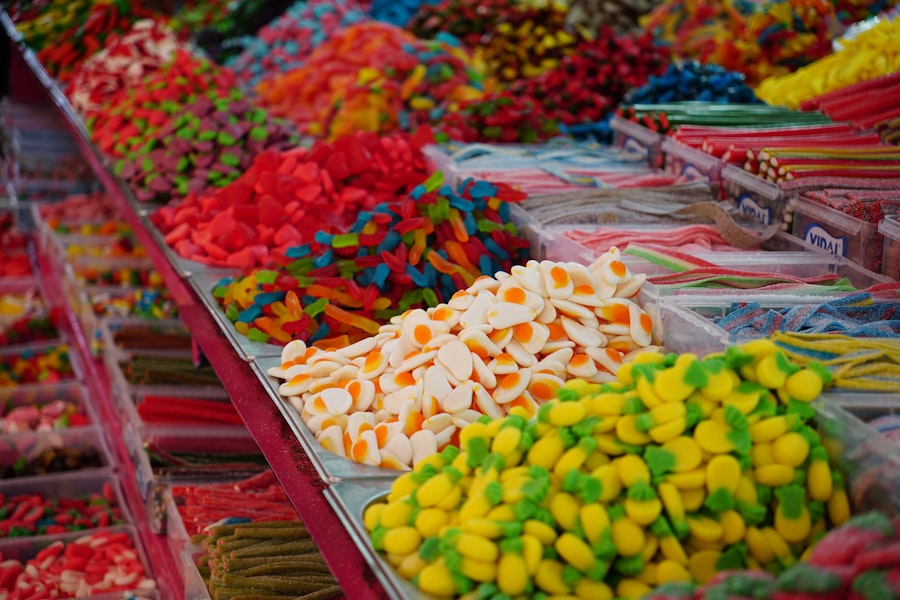
In response to mounting health concerns, several countries around the world have taken decisive action to ban or restrict the use of certain artificial food dyes. For example, the European Union has implemented stringent regulations requiring warning labels on products containing specific colorants linked to hyperactivity in children. This proactive approach reflects a growing recognition of the potential risks associated with these additives and a commitment to consumer safety.
Countries like Norway and Austria have gone even further by prohibiting the use of certain artificial dyes altogether. These bans are often rooted in precautionary principles, emphasizing the need to protect public health in the face of scientific uncertainty. As a result, many manufacturers have reformulated their products to eliminate controversial dyes or replace them with natural alternatives.
This shift not only addresses health concerns but also aligns with consumer demand for cleaner, more transparent ingredient lists.
The United States’ Stance on Food Dyes
In stark contrast to many countries that have enacted bans on specific food dyes, the United States has maintained a more permissive stance regarding their use. The Food and Drug Administration (FDA) continues to approve a range of artificial colorings for use in food products, citing a lack of conclusive evidence linking these substances to significant health risks. This regulatory approach has drawn criticism from various quarters, particularly from consumer advocacy groups that argue for stricter oversight and greater transparency.
The U.S. market remains saturated with products containing artificial dyes, often without clear labeling or warnings about potential health risks. This situation has led to a growing divide between consumer expectations and regulatory practices.
As awareness of food dye-related health concerns continues to rise, many Americans are left questioning why their government has not taken more decisive action to protect public health in this area.
The FDA’s Regulation of Food Dyes
| Food Dye | Common Use | Countries Banning | Reason for Ban | Year of Ban |
|---|---|---|---|---|
| Red 40 (Allura Red AC) | Confectionery, beverages, snacks | Norway, Austria | Potential hyperactivity in children | 2007 |
| Yellow 5 (Tartrazine) | Soft drinks, candies, cereals | Norway, Austria | Allergic reactions, hyperactivity | 2007 |
| Yellow 6 (Sunset Yellow) | Snacks, desserts, beverages | Norway, Austria | Hyperactivity concerns | 2007 |
| Blue 1 (Brilliant Blue FCF) | Confectionery, beverages | Japan (restricted use) | Potential allergic reactions | 2010 |
| Red 3 (Erythrosine) | Maraschino cherries, candies | European Union | Possible carcinogenic effects | 2009 |
The FDA plays a crucial role in regulating food dyes in the United States, overseeing their approval and monitoring their safety through rigorous testing protocols. Before any artificial dye can be used in food products, it must undergo extensive evaluation to determine its safety for human consumption. This process includes assessing potential toxicity, allergenic properties, and long-term health effects.
However, critics argue that the FDA’s current standards may not be stringent enough to account for emerging research linking food dyes to adverse health outcomes. Furthermore, the FDA’s reliance on industry-sponsored studies raises concerns about potential conflicts of interest. Critics contend that this reliance may lead to an underestimation of risks associated with certain dyes, as companies may prioritize profit over consumer safety.
As new studies continue to emerge, highlighting potential links between food dyes and various health issues, there is increasing pressure on the FDA to reevaluate its stance and consider more comprehensive regulations.
The Controversy Surrounding Food Dyes in the US
The controversy surrounding food dyes in the United States is fueled by a complex interplay of scientific research, consumer advocacy, and corporate interests. On one side are those who argue that artificial dyes pose significant health risks and should be banned or heavily regulated.
This ongoing debate has led to a polarized public perception of food dyes. Some consumers actively seek out products free from artificial colorings, opting for brands that prioritize natural ingredients and transparency. Others remain unaware of the potential risks associated with these additives or trust regulatory agencies to ensure their safety.
As more information becomes available and public awareness grows, it is likely that this controversy will continue to evolve, prompting further discussions about the future of food dyes in American cuisine.
The Impact of Food Dyes on Children’s Health
Children are often considered a vulnerable population when it comes to dietary choices and exposure to additives like food dyes. Research has indicated that certain artificial colorings may exacerbate hyperactivity and attention-related issues in children, leading parents and educators to express concern over their widespread use in snacks and beverages marketed toward younger audiences. The implications of these findings are profound; as children consume more processed foods laden with artificial colors, the potential for negative health outcomes increases.
Moreover, children’s developing bodies may react differently to synthetic additives compared to adults. This heightened sensitivity raises questions about the long-term effects of consuming these substances during critical periods of growth and development. As parents become more informed about the potential risks associated with food dyes, many are advocating for clearer labeling practices and greater accountability from manufacturers regarding ingredient safety.
Alternatives to Artificial Food Dyes
In light of growing concerns about artificial food dyes, many manufacturers are exploring natural alternatives that can provide similar visual appeal without the associated health risks. Natural colorants derived from fruits, vegetables, and spices have gained popularity as safer options for enhancing food products. For instance, beet juice can impart a vibrant red hue, while turmeric offers a bright yellow color without the adverse effects linked to synthetic dyes.
The shift toward natural alternatives not only addresses health concerns but also aligns with consumer preferences for cleaner labels and transparency in ingredient sourcing. As demand for natural colorings continues to rise, manufacturers are increasingly reformulating their products to meet these expectations. This trend reflects a broader movement toward healthier eating habits and a desire for foods that are both visually appealing and free from potentially harmful additives.
The Role of Consumer Advocacy in the Regulation of Food Dyes
Consumer advocacy groups play a pivotal role in shaping public discourse around food dyes and influencing regulatory practices. These organizations work tirelessly to raise awareness about potential health risks associated with artificial colorings and advocate for stricter regulations on their use in food products. Through campaigns, educational initiatives, and lobbying efforts, they aim to empower consumers to make informed choices about what they eat.
As public concern over food safety continues to grow, consumer advocacy groups have successfully pushed for greater transparency in labeling practices and increased scrutiny of artificial additives. Their efforts have led to heightened awareness among consumers about the potential risks associated with food dyes and have prompted some manufacturers to reformulate their products in response to consumer demand for safer alternatives.
The Future of Food Dyes in the US
The future of food dyes in the United States remains uncertain as public awareness continues to evolve alongside scientific research on their safety. With increasing scrutiny from consumers and advocacy groups alike, it is likely that manufacturers will face mounting pressure to reevaluate their use of artificial colorings in favor of safer alternatives. As more studies emerge linking food dyes to various health issues, regulatory agencies may also be compelled to reconsider their current stance on these additives.
Moreover, as consumer preferences shift toward natural ingredients and transparency in labeling practices becomes more prevalent, it is possible that the market for artificial food dyes will decline significantly over time. This shift could pave the way for a new era in food production where safety takes precedence over aesthetic appeal, ultimately benefiting public health.
The Need for Further Research and Regulation
In conclusion, while food dyes have become ubiquitous in modern cuisine, their safety remains a contentious issue that warrants further investigation and regulation. As research continues to uncover potential links between artificial colorings and various health concerns—particularly among vulnerable populations like children—there is an urgent need for regulatory bodies like the FDA to reassess their guidelines and consider stricter oversight. The growing demand for transparency and safer alternatives reflects a broader societal shift toward healthier eating habits and greater awareness of what goes into our food.
As consumers become more informed about the potential risks associated with artificial food dyes, it is imperative that both manufacturers and regulatory agencies prioritize public health over profit margins. Only through continued research and advocacy can we hope to create a safer food environment for all consumers.
Food dyes that are commonly used in products across the United States have been banned in several other countries due to health concerns. This discrepancy raises questions about the safety regulations in place and the potential risks associated with these additives. For more insights on this topic, you can read a related article on food safety and regulations at Hey Did You Know This.
WATCH THIS 🤯 33 American Foods Banned Overseas: The Shocking Ingredients You Won’t Find Abroad 🇺🇸❌🌍
FAQs
What are food dyes?
Food dyes are synthetic or natural substances added to food and beverages to enhance or change their color.
Why are some food dyes banned outside the US?
Certain food dyes are banned outside the US due to concerns about their safety, potential health risks, and links to hyperactivity or allergic reactions in children.
Which food dyes are commonly banned outside the US?
Food dyes such as Red 40, Yellow 5, Yellow 6, and Blue 1 are often restricted or banned in various countries due to safety concerns.
Are food dyes safe to consume in the US?
In the US, food dyes approved by the Food and Drug Administration (FDA) are considered safe for consumption within regulated limits, though some studies suggest potential risks.
How do regulations on food dyes differ between the US and other countries?
The US FDA allows certain synthetic dyes that are banned or restricted in the European Union and other countries, which often require warning labels or prohibit specific dyes altogether.
What are the potential health concerns associated with food dyes?
Potential concerns include allergic reactions, hyperactivity in children, and possible carcinogenic effects, though scientific consensus varies.
Are natural food dyes a safer alternative?
Natural food dyes derived from plants or minerals are generally considered safer but may have limitations in color stability and intensity compared to synthetic dyes.
How can consumers avoid banned or controversial food dyes?
Consumers can read ingredient labels carefully, choose products with natural coloring, or buy from brands that avoid synthetic dyes.
Do food dyes affect all individuals the same way?
No, sensitivity to food dyes varies; some individuals, especially children with ADHD or allergies, may be more affected.
Is there ongoing research about the safety of food dyes?
Yes, research continues to evaluate the long-term health effects of food dyes and to develop safer alternatives.