
The intricate relationship between what individuals consume and their mental well-being has garnered increasing attention in scientific and medical communities. Emerging research suggests that certain food additives, ubiquitous in modern processed foods, may play a detrimental role in the development and exacerbation of mood disorders such as depression and anxiety. This article explores the current understanding of these connections, highlighting specific additives implicated and the mechanisms through which they might exert their effects.
The pervasive shift towards highly processed convenience foods, rich in artificial ingredients, sugars, and unhealthy fats, is a defining characteristic of contemporary dietary patterns. Simultaneously, the global prevalence of depression and anxiety continues to rise, prompting researchers to investigate potential environmental and lifestyle contributors. The gut-brain axis, a bidirectional communication pathway between the digestive system and the central nervous system, has emerged as a crucial area of study in this context. Disturbances in gut microbiota, often influenced by dietary factors, are increasingly linked to neurological and psychological outcomes. Food additives, designed to enhance flavor, texture, shelf life, and appearance, represent a significant component of this modern diet and are now under scrutiny for their potential to disrupt this delicate balance.
The Gut-Brain Axis: A Central Player
The gut-brain axis operates through various pathways, including neural, endocrine, and immune signaling. The enteric nervous system, often dubbed the “second brain,” lines the gastrointestinal tract and communicates directly with the brain. Furthermore, the gut microbiota produces neuroactive compounds, such as short-chain fatty acids (SCFAs), and neurotransmitter precursors. Dysbiosis, an imbalance in the gut microbial community, can lead to increased gut permeability, or “leaky gut,” allowing inflammatory molecules and toxins to enter the bloodstream and potentially cross the blood-brain barrier. This neuroinflammation is considered a contributing factor to the genesis and progression of various mental health conditions.
Inflammation: The Silent Instigator
Chronic low-grade inflammation within the body, including neuroinflammation in the brain, is strongly associated with depression and anxiety. Many food additives have pro-inflammatory properties, either directly or indirectly through their impact on gut health. When the body is in a state of constant inflammation, it can disrupt neurotransmitter systems, impair neurogenesis (the formation of new brain cells), and alter the stress response, all of which are implicated in mood disorders.
Recent studies have highlighted the potential impact of food additives on mental health, particularly their association with depression and anxiety. A related article that delves deeper into this topic can be found at this link. It explores how certain preservatives, colorings, and flavorings may influence mood and behavior, raising important questions about the role of diet in mental well-being.
Specific Additives Under Scrutiny
A growing body of research identifies several classes of food additives that warrant particular attention due to their potential link to adverse mental health outcomes. Understanding which additives are present in an individual’s diet is a crucial step towards mitigating potential risks.
Artificial Sweeteners: Sweetness with a Side of Concern
Artificial sweeteners, such as aspartame and sucralose, are widely used as sugar substitutes in beverages, desserts, and various processed foods. While marketed as calorie-free alternatives, their impact on metabolic and neurological health is a subject of ongoing debate.
Aspartame
Aspartame is composed of aspartic acid, phenylalanine, and methanol. Upon digestion, these components can be metabolized in ways that may be detrimental to brain function. Phenylalanine, an excitatory amino acid, can cross the blood-brain barrier and potentially disrupt neurotransmitter balance, particularly serotonin and dopamine, which are critical for mood regulation. Some studies suggest a correlation between high aspartame intake and increased irritability, headaches, and a heightened risk of depression. The methanol component of aspartame is metabolized into formaldehyde, a neurotoxin. While the quantities involved are small, chronic exposure remains a concern for some researchers.
Sucralose
Sucralose, another pervasive artificial sweetener, has been shown in some animal studies to alter gut microbiota composition, leading to reduced beneficial bacteria and an increase in pro-inflammatory species. This dysbiosis can compromise gut barrier integrity, contributing to systemic inflammation and potentially impacting brain function through the gut-brain axis. Human studies on sucralose’s direct effect on mood are less conclusive but highlight the need for further investigation into its long-term neurological implications.
Food Dyes: A Spectrum of Concern
Artificial food dyes are added to a vast array of processed foods to enhance their visual appeal, particularly in products marketed towards children. These synthetic compounds, derived from petroleum, have a long history of controversy regarding their health effects.
Tartrazine (FD&C Yellow No. 5)
Tartrazine, a common yellow dye, has been linked to hyperactivity in children and may also contribute to anxiety and depression in susceptible individuals. Its potential impact on neurotransmitter systems and inflammatory pathways is an area of ongoing research. While the exact mechanisms are not fully understood, some theories suggest that certain dyes may act as neurotoxins or elicit allergic-type reactions that can indirectly affect brain chemistry.
Allura Red (FD&C Red No. 40)
Allura Red is another widely used synthetic dye that has been associated with behavioral issues, including hyperactivity and aggression, in some individuals. Preliminary research suggests it may also contribute to inflammatory processes within the gut, thereby indirectly influencing brain health. The cumulative exposure to multiple food dyes in a typical Western diet raises concerns about their combined impact on neurodevelopment and mental well-being.
Preservatives: Extending Shelf Life, Shortening Well-being?
Chemical preservatives are added to processed foods to inhibit microbial growth and prevent spoilage, thereby extending their shelf life. While essential for food safety, some preservatives have raised red flags regarding their potential effects on mental health.
Sodium Benzoate
Sodium benzoate, commonly found in soft drinks, fruit juices, and pickled foods, has been linked to increased hyperactivity and other behavioral problems in children when combined with certain artificial colors. In vitro and animal studies suggest it may also induce oxidative stress and neuroinflammation, potentially contributing to mood disturbances. Its conversion to benzoic acid in the body, and its impact on mitochondrial function, are areas of critical investigation regarding its neurological effects.
Nitrates and Nitrites
Sodium nitrite and potassium nitrate are frequently used as preservatives in cured meats like bacon, ham, and hot dogs. While primarily known for their role in creating carcinogens (nitrosamines) under certain conditions, nitrates and nitrites have also been implicated in adverse mental health outcomes. Some research suggests a correlation between high intake of processed meats and an elevated risk of mood disorders, potentially due to the formation of N-nitroso compounds that can induce oxidative stress and inflammation in the brain. The gut microbiome also plays a role in the metabolism of nitrates and nitrites, and alterations in this microbial ecosystem could further influence their neurological impact.
Mechanisms of Harm: How Additives Influence the Brain
The complex interplay between food additives and mental health stems from various biological mechanisms. Understanding these pathways is crucial for developing effective strategies to mitigate risks.
Gut Microbiome Dysregulation
Many food additives, as “strangers in a strange land” within the digestive tract, can disrupt the delicate balance of the gut microbiome. They can selectively promote the growth of harmful bacteria while suppressing beneficial species. This dysbiosis leads to decreased production of vital compounds like SCFAs, which are crucial for maintaining gut barrier integrity and possess anti-inflammatory properties. A compromised gut barrier allows pro-inflammatory molecules and bacterial toxins to enter the bloodstream, contributing to systemic inflammation and potentially neuroinflammation.
Impact on Neurotransmitter Synthesis
The gut microbiome plays a significant role in the production of neurotransmitters and their precursors. For instance, a substantial portion of the body’s serotonin, a key neurotransmitter for mood regulation, is synthesized in the gut. Disruptions to the gut microbiota by certain additives can impair this synthesis, potentially leading to lower levels of serotonin available for brain function. Similarly, changes in gut flora can influence the metabolism of dietary tryptophan, a precursor to serotonin, thereby affecting its availability to the brain.
Neuroinflammation
The gut-brain axis is a two-way street, and inflammation in the gut can readily translate to inflammation in the brain. When food additives trigger an immune response in the gut, or lead to a “leaky gut,” inflammatory cytokines can cross the blood-brain barrier. This neuroinflammation can damage neurons, impair synaptic plasticity, and disrupt neurotransmitter signaling, all of which are implicated in the pathophysiology of depression and anxiety. Imagine your brain as a finely tuned orchestra; neuroinflammation is like static interfering with the instruments, making it difficult for them to play in harmony.
Oxidative Stress
Many food additives can generate reactive oxygen species (ROS), leading to oxidative stress. This imbalance between the production of free radicals and the body’s ability to neutralize them can cause cellular damage, including to brain cells. Neurons are particularly vulnerable to oxidative stress due to their high metabolic rate and lipid-rich membranes. Chronic oxidative stress can contribute to neurodegeneration and impair brain function, ultimately impacting mood and cognitive abilities.
Alteration of Neurotransmitter Systems
Some additives can directly or indirectly interfere with the synthesis, release, reuptake, or receptor binding of neurotransmitters such as serotonin, dopamine, and GABA. For example, certain artificial sweeteners may excite neurons excessively, leading to an imbalance in excitatory and inhibitory neurotransmitters. This disruption of the delicate chemical balance in the brain can manifest as symptoms of anxiety, irritability, and depressive moods. Think of these neurotransmitter systems as a balanced scale; even small adjustments from certain additives can tip the scales towards imbalance.
Navigating the Food Landscape: Practical Advice

Given the potential links between food additives and mental well-being, individuals can make informed dietary choices to support their cognitive and emotional health. While definitive causation is still being established for many additives, adopting a cautious approach is prudent.
Prioritize Whole, Unprocessed Foods
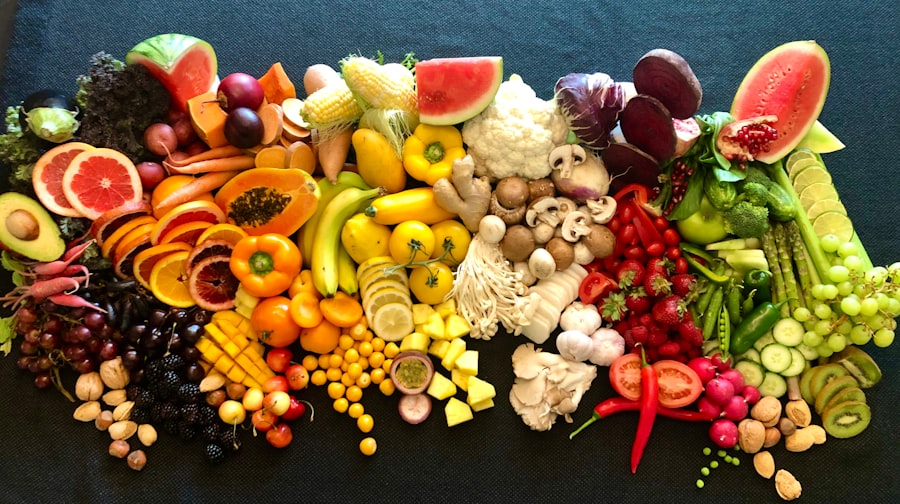
The most effective strategy to minimize exposure to concerning food additives is to base one’s diet on whole, unprocessed foods. This includes fresh fruits, vegetables, lean proteins, whole grains, nuts, and seeds. These foods are naturally rich in essential nutrients, fiber, and phytochemicals that support gut health and overall well-being. By choosing these natural ingredients, individuals reduce their reliance on products laden with artificial colors, flavors, sweeteners, and preservatives.
Reading Food Labels
Becoming a diligent label reader is an invaluable skill. Scrutinize the ingredient list of packaged foods and beverages. Look for ingredients that are difficult to pronounce or have numerical codes (e.g., E numbers in Europe). Opt for products with shorter ingredient lists and those that contain recognizable, natural ingredients. If an individual isn’t sure what an ingredient is, it’s often a good indication that it’s a food additive.
Reduce Consumption of Processed and Ultra-Processed Foods
Minimizing the intake of highly processed foods, such as sugary drinks, fast food, packaged snacks, and convenience meals, is paramount. These products are typically the primary vehicles for artificial additives. Gradually phasing out these items and replacing them with home-cooked meals prepared from scratch can significantly lower exposure to potentially harmful compounds. This shift not only reduces additive intake but also increases nutrient density, which is generally beneficial for mental health.
Cooking at Home
Preparing meals at home allows for complete control over ingredients. Using fresh, whole ingredients ensures that individuals are aware of exactly what they are consuming, minimizing hidden additives. Exploring new recipes and cooking techniques can also be a rewarding experience that promotes a healthier lifestyle.
Stay Informed and Advocate for Change
Staying abreast of new research regarding food additives and their health implications is important. Individuals can follow reputable health organizations, scientific journals, and nutrition experts for the latest information. Additionally, advocating for clearer labeling regulations and stricter oversight of food additives can contribute to broader public health improvements. Consumer demand for cleaner, more natural food products can drive positive changes in the food industry.
Recent studies have highlighted the potential connection between food additives and mental health issues, particularly depression and anxiety. These findings suggest that certain artificial ingredients commonly found in processed foods may negatively impact mood and emotional well-being. For a deeper understanding of this topic, you can explore a related article that discusses the implications of these additives on mental health. To learn more about this important issue, check out the article here.
The Path Forward: Research and Regulation
| Food Additive | Type | Common Sources | Linked Mental Health Effects | Research Findings | Recommended Daily Limit |
|---|---|---|---|---|---|
| Monosodium Glutamate (MSG) | Flavor Enhancer | Processed snacks, canned soups, fast food | Increased anxiety, mood swings | Some studies suggest MSG may exacerbate anxiety symptoms in sensitive individuals | Up to 3 grams/day |
| Artificial Sweeteners (Aspartame) | Synthetic Sweetener | Diet sodas, sugar-free gum, low-calorie desserts | Depression, anxiety | Linked to mood disorders in some observational studies; evidence is mixed | 40 mg/kg body weight/day |
| Sodium Nitrite | Preservative | Cured meats, bacon, hot dogs | Potential mood disturbances | Animal studies suggest nitrites may affect brain chemistry related to mood | 0.07 mg/kg body weight/day |
| Tartrazine (Yellow No. 5) | Artificial Color | Soft drinks, candies, processed foods | Hyperactivity, anxiety | Some evidence links tartrazine to behavioral changes including anxiety in children | 7.5 mg/kg body weight/day |
| BHA (Butylated Hydroxyanisole) | Antioxidant Preservative | Snack foods, cereals, chewing gum | Possible anxiety and mood effects | Limited evidence; some animal studies indicate potential neurobehavioral effects | 0.5 mg/kg body weight/day |
The scientific community continues to explore the intricate connections between food additives, gut health, and mental well-being. More robust, long-term human studies are needed to establish definitive causal links and to understand dosage-dependent effects. Regulatory bodies worldwide face the challenge of balancing food safety with emerging concerns about chronic, low-level exposure to various chemicals. As knowledge expands, there may be a need to re-evaluate the safety parameters and permissible levels of certain food additives, particularly in light of their potential cumulative impact on mental health. For individuals, personal vigilance and informed dietary choices remain crucial steps in safeguarding both physical and psychological health.

WATCH NOW ▶️ Why 99% Of American Food Is Illegal Overseas
FAQs
What are food additives?
Food additives are substances added to food to preserve flavor, enhance taste, appearance, or improve shelf life. They include preservatives, colorants, flavor enhancers, and emulsifiers.
How are food additives linked to depression and anxiety?
Some studies suggest that certain food additives may affect brain chemistry or gut health, potentially contributing to symptoms of depression and anxiety. However, research is ongoing, and definitive causal relationships have not been fully established.
Which food additives are most commonly associated with mental health issues?
Additives such as artificial sweeteners, preservatives like sodium benzoate, and certain colorants have been studied for their potential impact on mood and behavior, but evidence varies and more research is needed.
Can avoiding food additives improve mental health?
Reducing intake of processed foods containing additives may benefit overall health and potentially improve mood for some individuals, but mental health is influenced by multiple factors including genetics, environment, and lifestyle.
What should consumers do to minimize potential risks from food additives?
Consumers can read ingredient labels carefully, choose fresh or minimally processed foods, and consult healthcare professionals if they have concerns about how diet may affect their mental health.