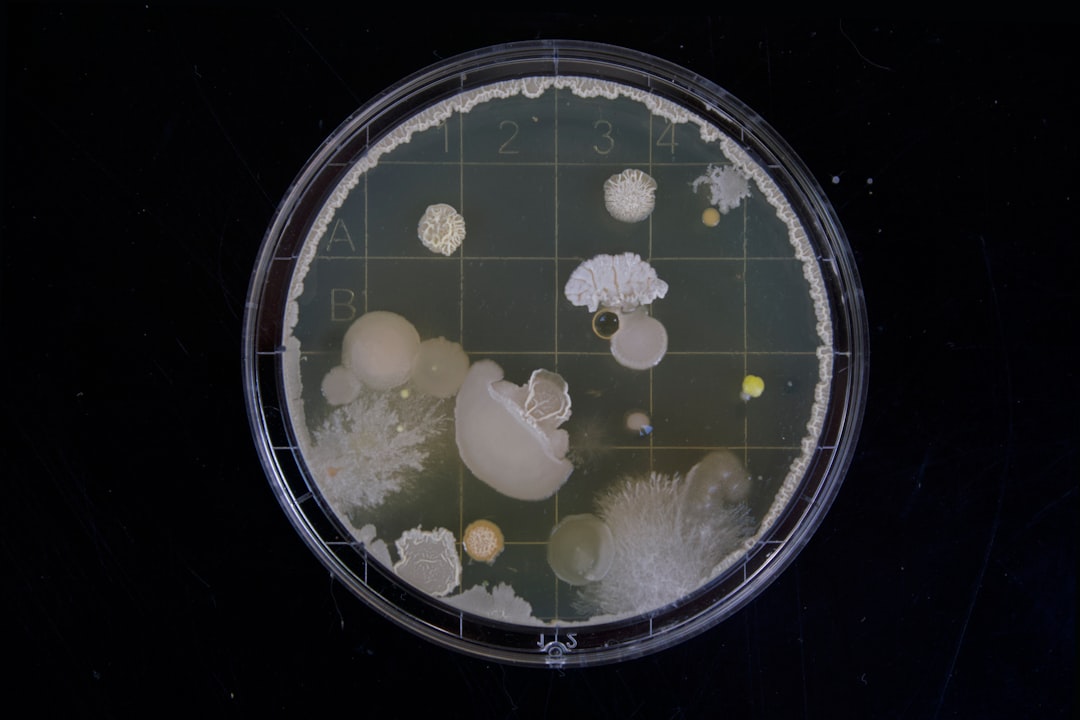
You might be surprised to learn that something as mundane as your home’s internal structure can transform into a veritable smorgasbord for an unwelcome guest: mold. While you’re busy contemplating paint colors or furniture arrangements, microscopic organisms are meticulously assessing the nutritional potential of the building materials surrounding you. When mold encounters drywall and oriented strand board (OSB), it’s not just grazing; it’s discovering ingredients it finds particularly appealing. This is not a preference born of discerning taste, but rather a biological imperative fueled by the composition of these common building components. Understanding why mold finds these materials so attractive is the first step in recognizing the potential for its proliferation and the subsequent issues it can cause for your living environment.
The allure of drywall and OSB to mold isn’t about their aesthetic qualities or their structural integrity. It’s about their fundamental makeup. Mold, like all living organisms, requires certain essential elements for survival and reproduction: food, water, oxygen, and a suitable temperature. When these conditions are met, the microscopic spores that are ever-present in our environment can quickly colonize and begin to grow. Drywall and OSB, while serving vastly different purposes in construction, share certain characteristics that make them prime real estate for mold colonies under the right circumstances. Your home, in its efforts to be a comfortable and functional space, inadvertently provides the perfect ingredients for this unwanted biological growth.
The Nutritional Breakdown: What Makes Drywall Appealing?
Drywall, also known as gypsum board or plasterboard, is a staple in modern construction. Its prevalence in virtually every room of a house is testament to its utility and cost-effectiveness. However, for the discerning palate of mold, its composition offers a particularly enticing menu. The primary component of drywall is gypsum, a mineral composed of hydrated calcium sulfate. While gypsum itself isn’t a direct food source for mold, it’s the other components that catch its attention.
The Paper Facing: A Carbohydrate Bonanza
The most significant attractant in drywall for mold is the paper facing. This is not a high-quality linen or aged parchment, but rather a processed paper product designed to be durable and easy to finish. This paper is essentially a mass of cellulose fibers, a complex carbohydrate. Cellulose is a primary building block of plant cell walls and serves as an abundant food source for a wide variety of organisms, including many species of mold. When mold spores land on a damp paper surface, they can readily germinate and begin to break down the cellulose for energy. This process is akin to how certain microorganisms decompose wood and other plant matter. The paper provides the sugars and other organic compounds that fuel mold’s growth and reproduction. Without this readily available nutrient source, the mold’s ability to establish a significant colony on the gypsum core alone would be severely limited.
The Gypsum Core: Not Entirely Inert
While the paper is the primary draw, the gypsum core itself is not entirely devoid of interest to mold. Gypsum is a hydrated mineral, meaning it contains water molecules within its crystalline structure. While this water isn’t as readily accessible as liquid water, it can still be utilized by mold in certain conditions. Furthermore, gypsum itself can harbor trace amounts of organic materials that may have been introduced during the manufacturing process. These trace elements, while perhaps not a primary food source, can contribute to the overall nutritional availability of the drywall material. It’s the combination of the rich carbohydrate content of the paper and the supportive structure of the gypsum that makes drywall a desirable substrate for mold growth.
Additives and Coatings: Unforeseen Potential
Modern drywall often contains various additives and coatings to enhance its properties. These can include starches, polymers, and other proprietary ingredients. While intended to improve fire resistance, water resistance (in specific types of drywall), or ease of finishing, some of these additives can inadvertently become additional food sources for mold. Certain starches, for example, are readily digestible carbohydrates. The specific composition of these additives can vary significantly between manufacturers, which can lead to differences in the susceptibility of drywall to mold growth. You might assume all drywall is the same, but subtle variations in its formulation can have significant implications for mold proliferation.
Drywall and oriented strand board (OSB) can be considered gourmet buffets for mold due to their cellulose content and moisture retention properties, which create an ideal environment for mold growth. For a deeper understanding of how these materials contribute to mold proliferation and the potential health risks associated with it, you can read more in this related article on mold prevention and remediation strategies. For further insights, check out this informative piece at Hey Did You Know This.
The OSB Situation: A Different Kind of Feast
Oriented Strand Board (OSB) is another ubiquitous building material, particularly favored for sheathing walls, roofs, and floors. It’s composed of compressed wood strands, specifically chosen and oriented in layers to provide structural strength. While it seems fundamentally different from drywall, OSB presents its own set of vulnerabilities to mold.
Wood Strands: A Carbohydrate Powerhouse
The primary component of OSB is, unsurprisingly, wood. Wood is primarily composed of cellulose and lignin, both complex organic compounds. Cellulose, as discussed with drywall, is a readily available carbohydrate source for mold. Lignin is a more complex polymer, and while some molds can degrade it, it’s generally considered more resistant to biological decomposition than cellulose. However, the sheer abundance of cellulose within the wood strands makes OSB a highly nutritious substrate for mold. When wood fibers are exposed to moisture, they begin to break down, releasing sugars and other organic compounds that mold spores can readily consume. This is the same fundamental process that leads to wood rot in outdoor environments, but it can occur just as effectively within the protected confines of your home.
The Resins and Binders: A Sticky Situation
OSB is manufactured by bonding wood strands together with synthetic resins and adhesives. Phenol-formaldehyde resins are commonly used. These resins are designed to create a strong, water-resistant bond. However, their chemical composition can also present a food source or at least a supportive environment for certain types of mold. While not as readily digestible as cellulose, some molds possess enzymes capable of breaking down or utilizing components of these resins. Furthermore, the resins help to hold the wood strands together, creating a dense matrix that can retain moisture, making it a more hospitable environment for mold to take hold and spread. The manufacturing process, while aiming for structural integrity, can inadvertently create a complex chemical environment that mold can exploit.
The Flanking Gaps: Entry Points and Moisture Traps
A key characteristic of OSB construction is the presence of small gaps and spaces between the wood strands and within the layers. While these are inherent to the manufacturing process and contribute to its structural properties, they also serve as ideal microhabitats for mold. These gaps can trap moisture long after surface moisture has seemingly dried. This persistent dampness within the OSB matrix allows mold to thrive in areas that might not be immediately visible. Think of it as a series of tiny, interconnected tunnels where moisture can linger, providing a constant food and water source for developing mold colonies, shielded from rapid drying.
The Moisture Mandate: The Universal Solvent for Mold’s Appetites
Irrespective of whether mold is feasting on drywall or OSB, one crucial element is invariably present: moisture. Without adequate water, even the most nutritious building material remains largely unaffected by mold. Mold spores are microscopic and require a certain level of humidity or direct water contact to germinate and grow. This is why mold is often associated with damp basements, leaky roofs, or poorly ventilated bathrooms.
Humidity Levels: The Silent Culprit
Sustained high indoor humidity, even without visible leaks, can be enough to activate mold spores. Relative humidity levels above 60% for extended periods can create conditions where condensation forms on surfaces, providing the necessary moisture for mold growth. This can occur in areas with poor air circulation, such as behind furniture or in wall cavities. Your home’s HVAC system, while intended to regulate temperature, can sometimes exacerbate humidity issues if not properly maintained or if there are underlying air sealing problems.
Visible Leaks and Water Intrusion: The Obvious Offenders
The most direct route to mold growth is through visible water leaks. A leaky pipe, a compromised roof flashing, or even a condensation problem on a window can introduce significant amounts of water to building materials. Drywall, with its paper facing, is particularly susceptible to rapid water absorption, leading to soft, mushy spots where mold can quickly proliferate. OSB, while more resistant to immediate saturation, will eventually absorb moisture and begin to degrade, providing a food source for mold. The longer these wet conditions persist, the more extensive the mold growth will become.
Condensation: A Subtle but Persistent Threat
Condensation is a common culprit for hidden mold growth, especially in colder climates. Warm, moist air coming into contact with cooler surfaces (such as interior walls or windows during winter) can cause water vapor to condense into liquid water. This can happen within wall cavities, behind cabinetry, or on the underside of roof sheathing. Over time, this persistent dampness can create an ideal environment for mold to establish itself, often in areas that are difficult to detect without dismantling parts of your home. The insulation within your walls can also become a moisture trap, further exacerbating the problem.
Beyond the Buffet: The Consequences of Mold in Your Home
The presence of mold on drywall and OSB is not merely an aesthetic issue; it can have significant implications for your health and the structural integrity of your home. Mold produces spores, which are released into the air and can be inhaled. For individuals with allergies, asthma, or compromised immune systems, these spores can trigger a range of adverse health effects.
Respiratory Issues and Allergies: A Common Reaction
Exposure to mold spores can lead to a variety of respiratory problems, including coughing, wheezing, shortness of breath, and nasal congestion. For individuals with pre-existing respiratory conditions like asthma, mold can act as a potent trigger, leading to more severe exacerbations. Allergic reactions to mold are also common, manifesting as itchy eyes, skin rashes, and sneezing. The sheer volume of mold spores produced by a significant infestation can significantly impact indoor air quality.
Structural Damage: A Slow but Steady Erosion
Mold doesn’t just consume the surface it grows on; it can also begin to break down the underlying materials. Over time, mold can weaken the structural integrity of drywall and OSB. The paper facing on drywall can become delaminated and lose its bond with the gypsum core. The wood strands in OSB can be degraded, leading to a loss of strength and potential for collapse. This process is often slow but can lead to costly repairs if left unchecked. The damage is not always immediately apparent, allowing the mold to continue its destructive work beneath the surface.
Odors and Aesthetics: The Unpleasant Byproducts
Beyond the health and structural concerns, mold growth often results in a distinct musty odor. This smell can permeate your home, making it unpleasant to inhabit. Mold colonies themselves can also be visually unappealing, appearing as discolored patches on walls and ceilings. While these are perhaps the least severe consequences, they contribute to a diminished quality of living and can indicate a more significant underlying problem that needs addressing.
Drywall and OSB are often considered gourmet buffets for mold due to their cellulose-rich composition, which provides an ideal environment for mold growth when exposed to moisture. This issue is particularly concerning for homeowners, as mold can lead to significant health problems and structural damage. For a deeper understanding of the factors contributing to mold proliferation in building materials, you can explore this informative article on the subject. By learning more about how to prevent mold growth, you can protect your living space from potential hazards. Check out the article here for valuable insights.
Prevention and Remediation: Starving the Mold’s Appetite
Preventing mold growth on drywall and OSB hinges on controlling moisture. By limiting the availability of water, you can effectively starve mold of its essential needs and prevent it from colonizing these building materials.
Controlling Indoor Humidity: The First Line of Defense
Maintaining indoor humidity levels between 30% and 50% is crucial. This can be achieved through proper ventilation, using exhaust fans in bathrooms and kitchens, and employing dehumidifiers in damp areas. Ensuring your HVAC system is well-maintained and that air seals around windows and doors are intact can also contribute to better humidity control. Regular monitoring of humidity levels with a hygrometer can provide valuable insight into potential issues.
Addressing Leaks and Water Intrusion Promptly: Swift Action is Key
Any visible water leaks, no matter how small, should be addressed immediately. This includes repairing leaky pipes, sealing roof damage, and addressing condensation issues. Prompt action is essential to prevent water from saturating building materials and creating a conducive environment for mold growth. Don’t assume a small drip is insignificant; investigate the source and make the necessary repairs.
Proper Ventilation and Air Circulation: Allowing Materials to Breathe
Ensuring adequate ventilation and air circulation throughout your home can help prevent moisture buildup. This includes opening windows when possible, using ceiling fans, and ensuring that furniture is not placed directly against exterior walls, which can restrict airflow and trap moisture. In basements and crawl spaces, consider installing ventilation systems to prevent dampness.
Material Selection and Construction Practices: Building with Resilience
When constructing or renovating, consider selecting mold-resistant building materials where appropriate. For areas prone to moisture, such as bathrooms and kitchens, moisture-resistant drywall or alternative wall coverings might be a better choice. Proper flashing and waterproofing during construction are also critical in preventing water intrusion into wall cavities. Good construction practices are fundamental in creating a home that is less susceptible to mold.
When mold finds its way into your home and begins to feast on drywall and OSB, it’s not an act of malice, but a predictable biological response to specific environmental conditions. You provide the structural components, and moisture, along with the right temperature, provides the catalyst. Recognizing the ingredients that make these materials attractive to mold, and understanding the critical role of moisture, empowers you to take proactive steps in preventing its growth and to address any existing issues effectively, ensuring a healthier and more structurally sound living environment.
FAQs
1. What makes drywall and OSB susceptible to mold growth?
Drywall and OSB (oriented strand board) are both made of organic materials, such as wood fibers and paper, which provide an ideal food source for mold. Additionally, these materials can easily absorb moisture, creating a damp environment that promotes mold growth.
2. How can mold growth on drywall and OSB be prevented?
To prevent mold growth on drywall and OSB, it is important to control moisture levels in the environment. This can be achieved by addressing any water leaks or moisture issues, ensuring proper ventilation, and using mold-resistant products when possible.
3. What are the health risks associated with mold growth on drywall and OSB?
Exposure to mold can lead to a variety of health issues, including respiratory problems, allergies, and asthma. Individuals with weakened immune systems or respiratory conditions may be particularly susceptible to the negative effects of mold exposure.
4. How can mold on drywall and OSB be safely removed?
Mold on drywall and OSB should be removed carefully to prevent the spread of spores. It is recommended to wear protective gear, such as gloves and a mask, and to use appropriate cleaning solutions and techniques to effectively remove the mold.
5. Are there alternative materials that are less susceptible to mold growth?
There are alternative building materials, such as fiberglass-faced gypsum board and cement board, that are less susceptible to mold growth due to their non-organic composition. Using these materials in moisture-prone areas can help reduce the risk of mold growth.