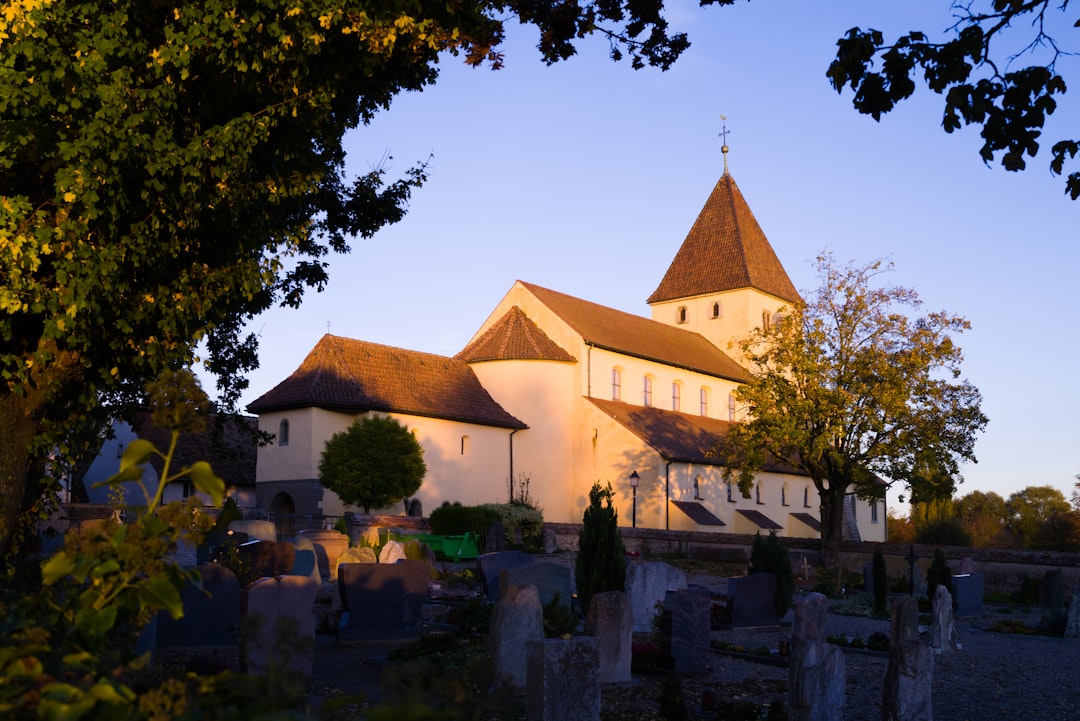
The medieval period, a vast stretch of time often referred to as the Middle Ages, unfolds before the modern observer as a complex tapestry woven with threads of profound transformation and enduring challenges. For approximately a thousand years, from the fall of the Western Roman Empire in the 5th century CE to the dawn of the Renaissance in the 15th century, Europe underwent a metamorphosis that shaped its political, social, religious, and cultural landscape for centuries to come. To explore this era is to delve into the fertile ground from which many of the world’s modern institutions and ideas sprouted, even as we confront the stark realities and stark contrasts that defined its existence.
The collapse of Roman authority in the West did not usher in an era of immediate chaos, but rather a prolonged period of adaptation and reorganization. The intricate administrative and legal structures that underpinned the Roman Empire, like a grand old oak tree, began to shed its leaves, leaving behind a fragmented landscape. Various Germanic tribes, who had long been in contact with and often within the Roman Empire, established their own kingdoms across former Roman territories. These kingdoms, such as the Franks in Gaul, the Visigoths in Hispania, and the Anglo-Saxons in Britain, were often characterized by internal strife and external pressures from migrating groups.
The Rise and Fall of Early Germanic Kingdoms
The initial consolidation of power by these tribal confederations was a precarious undertaking. Leaders, often chosen for their martial prowess, struggled to impose lasting order and administer justice across diverse populations who possessed different customs and languages. The concept of centralized government, so ingrained in Roman society, was largely absent, leading to a more localized form of authority. Some of these early kingdoms, like the Merovingian dynasty in Francia, experienced periods of strength and expansion, only to be weakened by internal divisions and the challenges of succession.
The Emergence of Feudalism as a Social and Political Framework
It was in this environment of decentralization and the need for security that the seeds of feudalism were sown. Feudalism, not a monolithic system but rather a spectrum of regional practices, provided a framework for landholding and mutual obligation. At its core, it was a system of reciprocal loyalties and dependencies, designed to fill the void left by a weakened central government. The king, or a powerful lord, would grant land (a fief) to a vassal in exchange for military service and other duties. This created a hierarchical structure where loyalty flowed upwards, from the knight to the baron, and from the baron to the king.
The Knightly Class and Military Obligations
The knight, often the focal point of this military system, was a heavily armed warrior who held a privileged position in medieval society. Their training began at a young age, progressing from page to squire, culminating in the ceremony of knighthood. This warrior aristocracy was bound by a code of chivalry, though its implementation varied considerably. Their primary obligation was military service, providing protection to their lord and engaging in warfare. This military imperative profoundly shaped the architecture of the time, with the construction of castles becoming a ubiquitous feature of the landscape, serving as both residences and fortresses.
The Manor System and the Peasantry
Beneath the knightly class resided the vast majority of the population: the peasantry. The manor was the basic unit of agricultural production and social organization in feudal society. Peasants, often referred to as serfs, were tied to the land and owed a range of obligations to their lord, including labor on the lord’s demesne (his personal land) and a portion of their own produce. While they were not chattel slaves, their freedom of movement was severely restricted, and their lives were dictated by the rhythms of agriculture and the demands of their lord. The manor system, however, also offered a degree of protection and stability within a turbulent world, providing a safety net for those who worked the land.
The Medieval period, often characterized by its feudal system, chivalric codes, and the influence of the Church, has been the subject of extensive study and fascination. For those interested in exploring this era further, a related article can be found at this link, which delves into various aspects of life during the Middle Ages, including social structures, daily routines, and significant historical events that shaped the period.
The Enduring Power of Faith: The Church in Medieval Society
Religion, specifically Christianity in Western Europe, was not merely a private belief system during the medieval period; it was an all-encompassing force that permeated every aspect of life. The Church, with its vast hierarchy and considerable wealth, acted as a unifying institution in a fragmented continent, offering spiritual solace, moral guidance, and a shared cultural identity. Its influence extended beyond the spiritual realm, touching politics, education, and the arts.
The Papacy and its Growing Influence
The Bishop of Rome, the Pope, gradually asserted his authority over the Western Church, becoming a figure of immense spiritual and temporal power. The Gregorian Reform movement in the 11th century, for instance, aimed to strengthen the papacy and combat corruption within the Church, leading to increased papal influence over secular rulers. Popes became arbiters in disputes between kings, levied taxes across Christendom, and even led crusades. This growing power, however, also sowed the seeds of future conflict and schism.
The Monastic Orders and their Contributions
Monasteries played a crucial role in preserving knowledge, cultivating the land, and providing acts of charity. Monastic communities, governed by strict rules such as that of St. Benedict, became centers of learning, transcribing ancient texts and copying manuscripts that might otherwise have been lost to time. They also developed innovative agricultural techniques and managed large estates, contributing significantly to the medieval economy. The Benedictine, Cistercian, and Cluniac orders, among others, were powerful and influential forces throughout the period.
The Crusades: Faith, Politics, and Conflict
The Crusades, a series of religious wars sanctioned by the Latin Church between the 11th and 13th centuries, represent a complex and often brutal intersection of faith, politics, and ambition. Nominally launched to recapture the Holy Land from Muslim rule, these expeditions involved significant military campaigns, with devastating consequences for both Christian and Muslim populations. They also had profound impacts on European society, stimulating trade, fostering cultural exchange, and leading to the development of military orders like the Knights Templar and the Hospitallers.
The Cultural Exchange and its Ramifications
While the Crusades were characterized by violence, they also facilitated a degree of cultural exchange between the East and the West. European travelers and soldiers encountered new ideas, technologies, and goods. This exposure had a lasting impact on European art, science, and philosophy, even as the memory of conflict often overshadowed the instances of mutual learning. The transmission of Islamic scholarship, in particular, played a significant role in fueling the intellectual curiosity that would later blossom during the Renaissance.
A Flourishing of Culture and Learning: Medieval Intellectual and Artistic Achievements

Despite popular perceptions, the medieval period was not a stagnant intellectual desert. While the classical learning of Greece and Rome had been severely disrupted by the fall of the Western Empire, it was not entirely lost. Gradually, over centuries, a vibrant intellectual life re-emerged, leading to significant advancements in philosophy, theology, science, and the arts.
The Rise of Universities: Centers of Knowledge
The emergence of universities, beginning in the late 11th and 12th centuries, marked a monumental shift in the organization and dissemination of knowledge. Institutions like the University of Bologna, Paris, and Oxford became centers of advanced learning, attracting scholars and students from across Europe. Here, students would pursue the liberal arts, including grammar, rhetoric, logic, arithmetic, geometry, music, and astronomy, often with the ultimate goal of studying theology, law, or medicine. The scholastic method, a rigorous system of dialectical reasoning, became the dominant intellectual approach.
Scholasticism and the Reconciliation of Faith and Reason
Scholasticism sought to reconcile Christian faith with classical philosophy, particularly the works of Aristotle, which were gradually reintroduced to Western Europe. Thinkers like Thomas Aquinas, in his monumental Summa Theologica, attempted to synthesize Aristotelian logic and metaphysics with Christian doctrine, demonstrating that reason and faith were not necessarily in opposition but could complement and strengthen each other. This pursuit of intellectual order reflected a broader desire to understand the divine plan through rational inquiry.
Gothic Architecture and the Cathedral as a Symbol
The medieval period witnessed the construction of some of the most awe-inspiring architectural achievements in history, most notably the Gothic cathedral. Moving away from the massive, rounded arches of the Romanesque style, Gothic architecture introduced pointed arches, ribbed vaults, and flying buttresses. These innovations allowed for taller, lighter structures with vast expanses of stained-glass windows, bathing the interiors in colored light and creating an ethereal atmosphere. Cathedrals like Notre Dame de Paris, Chartres, and Amiens were not just places of worship; they were also symbols of civic pride, repositories of religious artistry, and impressive feats of engineering.
The Illuminations and Manuscript Production
Beyond grand architectural designs, medieval artistry flourished in smaller, more intimate forms, particularly in the illumination of manuscripts. Monks and lay scribes painstakingly copied religious texts, classical literature, and legal documents, often adorning them with intricate illustrations and decorative borders. These illuminated manuscripts provide invaluable insights into medieval life, from depictions of daily activities to representations of religious narratives and fantastical creatures. They are living testaments to the skill and devotion of medieval artisans.
Daily Life: The Rhythms of the Common Person

To truly understand the medieval period, one must look beyond the pronouncements of kings and the pronouncements of popes and consider the lives of the ordinary men and women who constituted the vast majority of the population. Their existence was shaped by largely agricultural realities, community bonds, and the ever-present influence of the Church.
The Village and its Social Fabric
The village was the primary unit of social and economic life for most medieval people. These communities were often centered around a church and a manor house. Life was dictated by the agricultural calendar, with distinct seasons for plowing, sowing, harvesting, and tending to livestock. Work was often communal, especially during peak agricultural periods. The church served as a spiritual and social hub, hosting services, festivals, and important community gatherings.
Diet, Health, and Hygiene
The medieval diet was largely dictated by what could be grown locally and what was available through hunting or foraging. Grains, such as wheat, barley, and rye, formed the staple of most diets, often consumed as bread or porridge. Vegetables, fruits, and legumes were also important. Meat was more of a luxury, often reserved for feasts or the wealthier classes. Water was often contaminated, leading to widespread illness. Hygiene standards were generally low by modern comparison, and disease was a constant threat, with plagues such as the Black Death decimating populations.
The Town and the Rise of the Merchant Class
As the medieval period progressed, towns and cities began to grow in size and importance. These urban centers became hubs of trade and craft production. Guilds, associations of artisans and merchants, played a significant role in regulating their respective trades, ensuring quality, and providing a social safety net for their members. The rise of a prosperous merchant class, often less tied to the land and more to the circulation of goods and capital, began to alter the social dynamics of medieval society.
Craftsmanship and Guilds
Artisans, from blacksmiths and weavers to bakers and goldsmiths, organized themselves into guilds. These guilds controlled the standards of their craft, provided apprenticeships, and protected their members from outside competition. Becoming a master craftsman was a process of dedication and skill, and guild membership offered a pathway to social mobility and economic security. The intricate craftsmanship evident in surviving medieval artifacts speaks to the dedication and expertise fostered within these guilds.
The Medieval period, often characterized by its feudal system and the rise of chivalry, has been the subject of extensive research and fascination. One particularly interesting article explores the daily life of peasants during this time, shedding light on their struggles and contributions to society. For more insights into this intriguing era, you can read the article here. Understanding the complexities of medieval life helps us appreciate the foundations of modern civilization.
The Twilight of the Era: Transition and Transformation
| Aspect | Details | Time Period | Region |
|---|---|---|---|
| Feudalism | Social system where nobles held lands from the Crown in exchange for military service | 9th to 15th century | Europe |
| Population | Estimated 70 million in Europe around 1300 | Medieval period | Europe |
| Black Death | Plague that killed approximately 30-60% of Europe’s population | 1347-1351 | Europe |
| Architecture | Gothic cathedrals with pointed arches and flying buttresses | 12th to 16th century | Europe |
| Literacy Rate | Estimated 10-20% among the population, higher among clergy and nobility | Medieval period | Europe |
| Major Conflicts | Hundred Years’ War, Crusades | 11th to 15th century | Europe and Middle East |
| Economy | Agriculture-based with manorial system and emerging trade towns | Medieval period | Europe |
The final centuries of the medieval period witnessed a series of cataclysmic events and gradual shifts that foreshadowed the coming Renaissance. These were times of profound upheaval, characterized by war, plague, and social unrest, but also by a burgeoning sense of individualism and a renewed interest in the classical world.
The Hundred Years’ War and its Impact on Warfare
The prolonged conflict between England and France, known as the Hundred Years’ War (1337-1453), was a watershed moment in European military history. It saw the development and increasing use of new military technologies, such as gunpowder artillery and the longbow, which challenged the dominance of the mounted knight and the traditional feudal levy. This period of intense warfare also led to significant political changes, fostering a greater sense of national identity in both England and France.
The Black Death: A Biological and Social Cataclysm
The arrival of the Black Death in the mid-14th century was a devastating turning point. This bubonic plague pandemic swept across Europe, killing an estimated 30% to 60% of the population. The sheer scale of mortality had profound social and economic consequences. Labor shortages led to increased wages for surviving peasants, challenging the traditional feudal order. The psychological impact of widespread death and uncertainty was immense, affecting religious beliefs and artistic expressions.
The Seeds of Renaissance: Humanism and a Reawakened Interest in Antiquity
As the medieval period drew to a close, a significant intellectual and cultural movement began to take root: Humanism. Scholars and artists, increasingly inspired by rediscovered texts from ancient Greece and Rome, began to focus on human potential, earthly achievements, and individual experience. This shift in perspective, away from an exclusively God-centered worldview, laid the groundwork for the artistic, intellectual, and scientific explosion that would characterize the Renaissance, marking the true end of the medieval era and the dawn of a new epoch. The medieval period, therefore, was not a simple prelude to the Renaissance, but a complex and dynamic epoch that shaped the very foundations upon which subsequent history would be built.
FAQs
What time frame does the Medieval period cover?
The Medieval period, also known as the Middle Ages, generally spans from the 5th century to the late 15th century, roughly from the fall of the Western Roman Empire in 476 AD to the beginning of the Renaissance around 1500 AD.
What are the main divisions of the Medieval period?
The Medieval period is commonly divided into three parts: the Early Middle Ages (circa 500–1000 AD), the High Middle Ages (circa 1000–1300 AD), and the Late Middle Ages (circa 1300–1500 AD).
What were the dominant social structures during the Medieval period?
Feudalism was the dominant social and economic system during much of the Medieval period, characterized by a hierarchy of lords, vassals, and serfs, with land ownership and obligations defining social relationships.
What role did the Church play in the Medieval period?
The Christian Church, particularly the Roman Catholic Church, was a central institution in Medieval society, influencing politics, education, culture, and daily life. It held significant power and was a unifying force across Europe.
What were some key cultural or technological developments during the Medieval period?
The Medieval period saw the construction of Gothic cathedrals, the rise of universities, the development of chivalry and knighthood, and technological advances such as the heavy plow, windmills, and improvements in architecture and warfare.