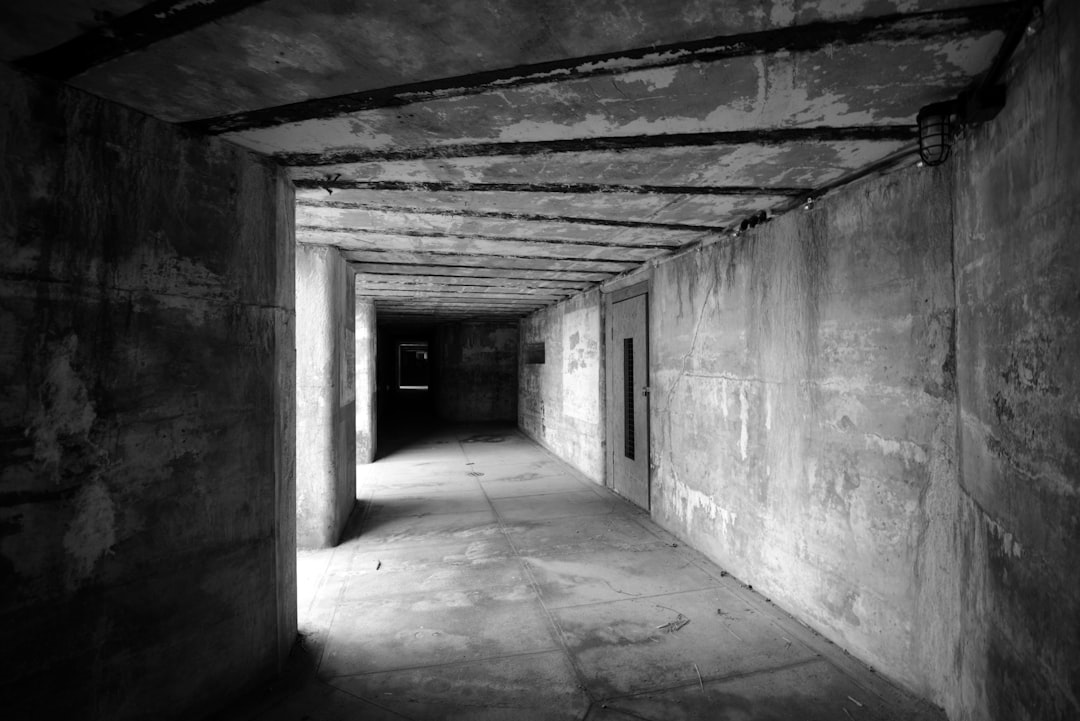
The subterranean realm of underground bunkers presents a compelling subject for exploration. These structures, often hidden from the casual observer, represent a dedicated response to perceived threats, a testament to human ingenuity, and a stark reminder of historical anxieties. Investigating these hidden fortresses offers a window into past preoccupations with survival, security, and the enduring human desire to endure unforeseen catastrophes.
The concept of seeking shelter beneath the earth is as old as human civilization itself. While modern underground bunkers are a relatively recent technological manifestation, the core principle of using the earth for protection has deep roots.
Early Forms of Subterranean Defense
Historically, caves and natural geological formations have provided rudimentary shelter from elements and invaders. Ancient peoples utilized these formations for both habitational and defensive purposes, creating an early, unengineered precursor to the deliberate construction of subterranean spaces.
The Shadow of War and Its Manifestations
The 20th century, marked by two devastating World Wars and the subsequent Cold War, served as a powerful catalyst for the widespread development and construction of underground bunkers. The existential threat of aerial bombardment and nuclear annihilation drove governments and private entities to invest heavily in secure subterranean environments. These structures were designed not merely as passive shelters but as active centers for survival and continued operation in the face of overwhelming destruction.
Fear as a Blueprint
The pervasive psychological impact of these global conflicts cannot be overstated. The abstract yet terrifying prospect of nuclear war, capable of rendering the surface world uninhabitable, led to a unique and urgent need for fortified sanctuaries. This fear acted as a blueprint, dictating the design, location, and operational capabilities of countless underground installations.
If you’re interested in the fascinating world of underground bunkers, you might want to check out a related article that delves deeper into their history and construction. This article provides insights into how these structures have evolved over the years and their significance during times of crisis. For more information, visit this link.
Types and Functions of Underground Bunkers
Underground bunkers are not monolithic entities; they exist in a diverse array of forms, each tailored to specific purposes and ranging significantly in complexity and scale.
Government and Military Installations
Perhaps the most prominent category of underground bunkers comprises those built for governmental and military operations. These facilities were intended to house essential command and control centers, communication hubs, and strategic leadership in the event of a national emergency or attack.
Command and Control Centers
The functionality of these bunkers extended far beyond mere shelter. They were designed to maintain critical governmental functions, allowing leaders to continue directing defense efforts and managing societal recovery even if surface infrastructure was obliterated. Think of them as the unflinching heart of a nation, beating strong even when the body is grievously wounded.
Strategic Stockpiles and Essential Services
Beyond strategic leadership, these bunkers often housed vital resources. This included, but was not limited to, deep reserves of food, water, medical supplies, and fuel. Redundant power generation, independent ventilation systems, and sophisticated communication networks were also standard features, ensuring a degree of self-sufficiency for extended periods.
Silo Complexes and Missile Sites
A specialized subset of military bunkers includes those designed to house intercontinental ballistic missiles (ICBMs). These hardened silos, buried deep underground, were crucial elements of nuclear deterrence strategies, designed to protect offensive weapons from preemptive strikes and ensure a retaliatory capability.
Civilian Shelters and Survivalist Retreats
The anxieties of the nuclear age also permeated civilian life, leading to the construction of more localized and often privately funded underground shelters.
Public Fallout Shelters
In many countries, especially during the Cold War, designated public fallout shelters were established in schools, government buildings, and other public spaces. These were typically spartan in design, offering basic protection from radioactive fallout for a limited duration. They were intended as immediate, albeit temporary, refuges.
Private Residences and Doomsday Preparations
A segment of the population, driven by a more individualistic approach to survival, invested in private underground bunkers. These varied from simple reinforced basements to elaborate, self-contained subterranean homes designed to withstand a variety of catastrophic scenarios. The motivations behind these constructions often encompassed a broad spectrum of potential disasters, from nuclear war to pandemics and societal collapse.
Commercial and Industrial Underground Structures
While often less publicized, the utility of underground construction extends to commercial and industrial applications, leveraging the earth’s natural insulation and security.
Data Centers and Secure Storage
The stable temperature and enhanced security offered by underground environments make them ideal for housing sensitive data centers and secure storage facilities. These locations are less susceptible to surface-level environmental disruptions and physical intrusions, providing a robust infrastructure for critical information.
Research and Development Facilities
Certain scientific and technological endeavors have also found a home underground. The isolation and controlled environment of subterranean labs can be beneficial for specific research purposes, shielding sensitive experiments from external interference and environmental fluctuations.
Design and Engineering of Bunker Infrastructure
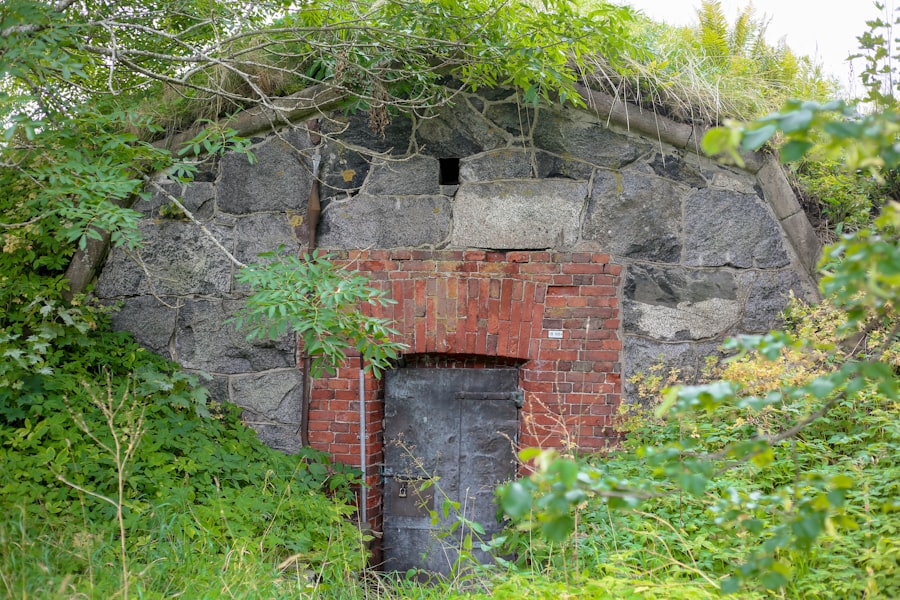
The construction of underground bunkers is a complex engineering feat, demanding meticulous planning and execution to ensure structural integrity and functional efficacy.
Excavation and Structural Reinforcement
The initial phase involves significant excavation, often requiring heavy machinery and specialized techniques to penetrate and stabilize the earth. Once the desired space is created, robust structural reinforcement is applied.
Concrete and Steel as Pillars of Strength
The ubiquitous use of reinforced concrete and structural steel forms the backbone of most bunker designs. These materials provide the necessary compressive and tensile strength to withstand external pressures, including ground movement and potential blast forces. The thickness of the walls and ceilings is a critical factor, directly correlating to the level of protection offered.
Geotechnical Considerations
Understanding the soil composition, groundwater levels, and geological stability of a chosen site is paramount. Geotechnical engineers play a crucial role in assessing these factors to prevent structural failure due to earth movement or water intrusion. An improperly assessed site can turn a sanctuary into a tomb.
Ventilation and Life Support Systems
A critical aspect of any enclosed subterranean environment is the provision of breathable air and the management of internal atmospheric conditions.
Air Filtration and Purification
Bunkers are equipped with sophisticated air filtration systems designed to remove not only particulate matter but also radioactive contaminants and chemical agents. These systems are often multi-staged, employing HEPA filters, activated charcoal, and other specialized media to ensure the air remains safe for occupants.
Air Exchange and Pressure Control
Maintaining a stable internal atmosphere requires careful control of air exchange rates and internal pressure. Positive pressure systems, for instance, can help prevent the ingress of contaminants from the outside. Redundant ventilation units are common to ensure continuous operation.
Power Generation and Water Supply
Self-sufficiency is a cornerstone of bunker design, necessitating independent power and water sources.
Independent Power Sources
Generators, often fueled by diesel or propane, are a common feature, supplemented by backup battery systems. In more advanced designs, renewable energy sources like geothermal or small-scale nuclear reactors have been considered or implemented. The ability to generate power independent of external grids is a non-negotiable requirement.
Water Storage and Purification
Underground water reservoirs, well systems, and water purification units are essential for long-term habitability. The ability to store and safely process water on-site ensures a sustainable resource for survival.
Psychological and Social Considerations
Beyond the physical construction, the human element within a bunker environment presents significant psychological and social challenges that must be addressed in the design and operation.
Confinement and Isolation Impact
The prolonged confinement in a dark, enclosed space can have profound psychological effects on individuals. Boredom, anxiety, claustrophobia, and interpersonal friction are common concerns.
Maintaining Morale and Mental Well-being
Designs often incorporate elements intended to mitigate these effects. This can include simulated daylight lighting, recreational areas, and provisions for communication with the outside world (where feasible). Structured routines and engaging activities are crucial for maintaining morale.
Social Dynamics and Governance
Living in close quarters for extended periods necessitates clear social structures and governance protocols.
Conflict Resolution and Decision-Making
Establishing mechanisms for conflict resolution and shared decision-making is vital. Without established order, the confined environment can become a breeding ground for disputes. Clear leadership roles and established rules of conduct are often part of the contingency planning.
Maintaining a Sense of Purpose
For long-term occupants, maintaining a sense of purpose or contributing to a shared mission is essential for psychological resilience. This could involve assigned duties, ongoing training, or participation in projects that foster a sense of ongoing contribution.
If you’re interested in the concept of underground bunkers, you might find it fascinating to explore the various survival strategies people employ in times of crisis. A related article that delves into this topic can be found here, where it discusses innovative designs and the psychology behind creating a safe haven underground. Understanding these elements can provide valuable insights into why so many are investing in such structures for protection and peace of mind. For more information, check out the article at this link.
The Legacy and Future of Underground Bunkers
| Metric | Description | Typical Value/Range | Unit |
|---|---|---|---|
| Depth | Distance below ground surface | 3 – 30 | meters |
| Size | Total internal floor area | 10 – 200 | square meters |
| Occupancy Capacity | Number of people the bunker can support | 2 – 20 | persons |
| Air Filtration System | Type of air filtration used | HEPA, Carbon, NBC filters | N/A |
| Power Supply | Primary power source | Generator, Solar panels, Battery backup | N/A |
| Water Storage | Amount of potable water stored | 200 – 1000 | liters |
| Food Storage | Amount of non-perishable food stored | 30 – 180 | days supply |
| Structural Material | Primary construction material | Reinforced concrete, Steel | N/A |
| Radiation Shielding | Effectiveness against nuclear radiation | 10 – 40 | centimeters of concrete equivalent |
| Communication Systems | Types of communication available | Radio, Satellite phone, Landline | N/A |
The era of intense bunker construction, particularly driven by the Cold War, may have passed, but the underlying principles and potential future applications remain relevant.
Cold War Remnants and Historical Tourism
Many Cold War-era bunkers, once classified and clandestine, have been declassified and are now accessible for historical tours. These sites offer a tangible connection to a period of heightened global tension and provide educational insights into past survival strategies. They stand as silent sentinels, whispering tales of a bygone era.
Modern Preparedness and Emerging Threats
While the specter of nuclear war may have receded, new and evolving threats continue to drive interest in secure, subterranean environments. Climate change, pandemics, and increasing geopolitical instability are all factors that contribute to a renewed focus on resilience and preparedness.
Resilient Infrastructure and Evolving Security Needs
The concept of resilient infrastructure is gaining traction, with underground facilities being considered for essential services like power grids and communication networks. The lessons learned from past bunker designs are now being applied to create more robust and adaptable systems for the future.
The Continuity of Human Endeavor
Ultimately, underground bunkers represent a profound human endeavor to ensure continuity in the face of adversity. Whether as historical relics, pragmatic survival tools, or innovative infrastructure, these subterranean sanctuaries continue to fascinate, offering a unique perspective on humanity’s capacity for foresight, resilience, and the enduring drive to persevere.
FAQs
What is an underground bunker?
An underground bunker is a reinforced shelter built below the surface of the ground, designed to protect occupants from various threats such as natural disasters, nuclear fallout, or military attacks.
What materials are commonly used to construct underground bunkers?
Underground bunkers are typically constructed using reinforced concrete, steel, and sometimes earth or sandbags for additional protection and insulation.
How deep are underground bunkers usually built?
The depth of underground bunkers varies depending on their purpose, but they are generally built several feet to tens of feet below ground to provide adequate protection from blasts and radiation.
What features are essential in an underground bunker?
Essential features of an underground bunker include air filtration systems, water and food storage, ventilation, secure entrances, and communication equipment to ensure safety and self-sufficiency.
Are underground bunkers legal to build on private property?
The legality of building underground bunkers on private property depends on local zoning laws, building codes, and permits, so it is important to check with local authorities before construction.