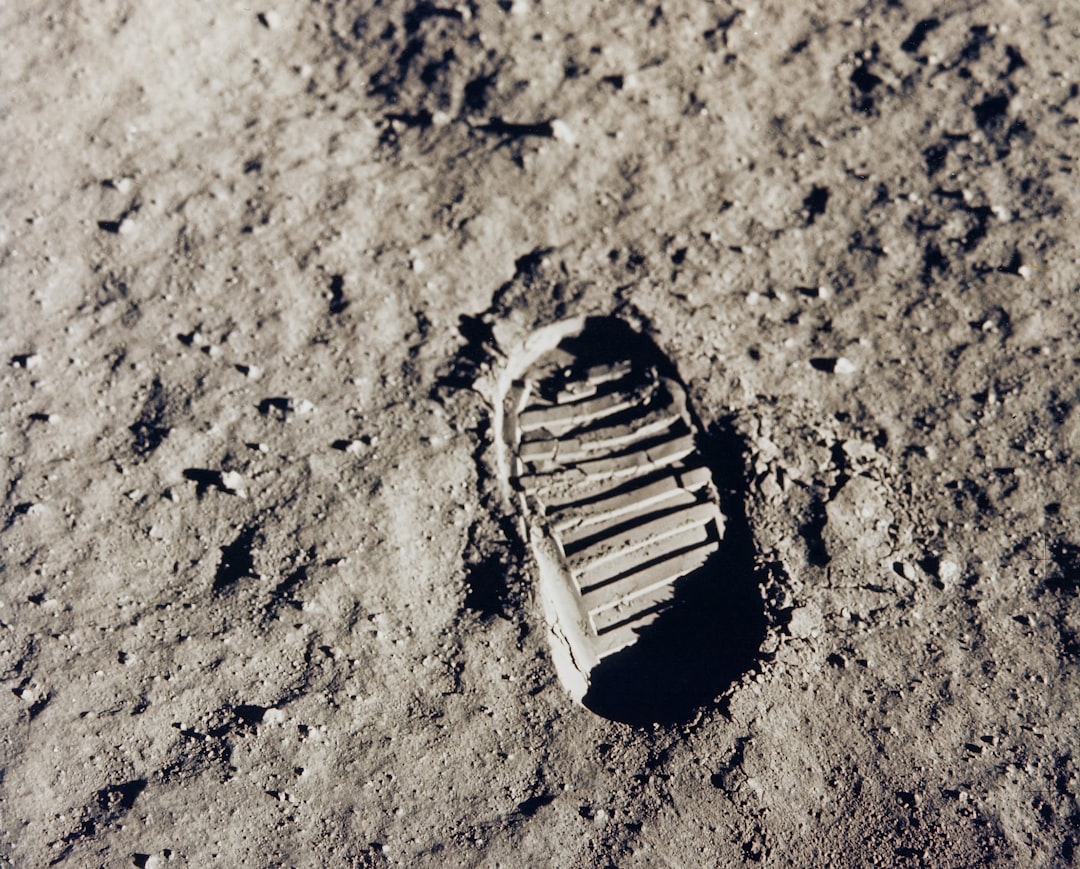
Exploring Moon Landing Experiments
The Apollo missions, particularly those that successfully landed humans on the lunar surface, represent a monumental leap in scientific inquiry. Beyond the act of planting a flag and collecting rocks, these voyages were meticulously designed scientific expeditions. Each Apollo landing was a carefully orchestrated laboratory, with astronauts acting as both instruments and experimenters, pushing the boundaries of our understanding of the Moon and its place in the solar system. This article delves into the diverse and impactful experiments conducted during these historic lunar landings, offering a glimpse into the scientific treasures unearthed from our closest celestial neighbor.
The initial impetus for lunar exploration was heavily influenced by the geopolitical landscape of the mid-20th century. However, as the programs matured, so did the scientific ambitions. The need for fundamental data about the Moon’s composition, geology, and origin became paramount.
Defining the Scientific Agenda
Pre-Apollo Scientific Consensus
Prior to the first crewed lunar landing, our knowledge of the Moon was largely derived from telescopic observations and unmanned probes. These provided tantalizing clues about its surface features, such as craters, maria (basaltic plains), and highlands, but lacked the granular detail required for comprehensive scientific understanding. Early scientific communities began to coalesce around key questions: What is the Moon made of? How did it form? Is it geologically active?
The Role of Unmanned Missions
The Ranger, Surveyor, and Lunar Orbiter programs, which preceded Apollo, served as essential precursors. Ranger provided impact-generated images, revealing surface details previously unseen. Surveyor missions demonstrated the feasibility of soft landings and conducted rudimentary soil analysis. Lunar Orbiters mapped the Moon extensively, identifying potential landing sites and providing crucial topographical data. These missions laid the groundwork, akin to a cartographer sketching the initial outlines of an uncharted territory, allowing Apollo planners to identify scientifically interesting regions.
Designing for Discovery: The Hardware and Instrumentation
The transition from unmanned probes to crewed landings necessitated a significant evolution in scientific instrumentation. The limitations of remote operation were replaced by the on-site capabilities of astronauts, albeit with strict weight and volume constraints.
Adaptable Laboratories: The Lunar Module (LM)
The Lunar Module, while engineered primarily for descent and ascent, also served as a mobile platform and a nascent laboratory. Its limited cargo space meant that scientific equipment had to be carefully selected for maximum impact. Tools and instruments were designed to be modular and deployable with relative ease by astronauts in their bulky suits.
The Payload of Knowledge: Scientific Apparatus
A variety of instruments were carried on Apollo missions, each designed to probe specific aspects of the lunar environment. These ranged from cameras for high-resolution imaging to sophisticated devices for measuring seismic activity and solar wind. The very act of training astronauts to operate these devices was a significant undertaking, transforming them from pilots into field scientists.
Recent advancements in lunar exploration have sparked renewed interest in moon landing experiments, particularly in relation to the challenges of sustaining human life on the Moon. For a deeper understanding of the ongoing research and experiments being conducted in this field, you can read the article titled “Innovative Moon Landing Experiments: Paving the Way for Future Missions” at Hey Did You Know This. This article delves into the technologies being tested and the implications for future lunar colonization efforts.
Unveiling the Lunar Surface: Geology and Sample Collection
The most iconic aspect of the Apollo landings was the collection of lunar samples. These rocks and soil, gathered from diverse locations, became the terrestrial bedrock for understanding the Moon’s history and formation.
A Rosetta Stone of the Cosmos: Lunar Rock and Soil Samples
The Significance of Provenance
Each lunar sample is a data point with a precise location and context. Astronauts were trained to meticulously document where each sample was collected, its surrounding geological features, and any visible characteristics. This contextual information is as critical as the sample itself, providing a narrative for the material. Imagine unearthing an ancient artifact without knowing its original setting; its true story would be largely lost.
Characterizing Lunar Materials
The collected samples provided an unprecedented opportunity to study the Moon’s mineralogy, petrology, and geochemistry. Early analyses revealed that the lunar highlands are primarily composed of anorthosite, a plagioclase feldspar, suggesting a buoyant crust formed early in the Moon’s history. The maria, on the other hand, were found to be basaltic, indicative of ancient volcanic activity.
Beyond the Surface: Subsurface Exploration
While sample collection primarily focused on the surface, some experiments aimed to probe beneath.
Drilling for Core Samples
Missions like Apollo 15 and 16 deployed drills to extract core samples of lunar regolith. These cores provided a layered record of deposition and impact events, offering insights into the Moon’s early bombardment history and the processes that have shaped its surface over billions of years. The stratified layers within these cores act as pages in a geological diary, each detailing a different chapter of lunar evolution.
Geophysical Investigations
Seismology: Listening to the Moon’s Heartbeat
One of the most crucial experiments was the deployment of seismometers. These instruments, left behind on the lunar surface, detected seismic waves generated by natural moonquakes, meteorite impacts, and the descent stages of the Apollo lunar modules.
The Lunar Seismic Network
By deploying multiple seismometers across different landing sites, scientists were able to triangulate the origin of seismic events and build a model of the Moon’s internal structure. This seismic data revealed that the Moon is not a geologically dead body, but rather experiences a range of seismic activity, albeit different in nature and intensity from Earth’s.
Understanding Lunar Interiors
The analysis of seismic waves passing through the Moon provided crucial information about its internal composition and layering. This research has helped scientists refine models of the Moon’s crust, mantle, and potential core, offering a vital piece in the puzzle of planetary formation.
Heat Flow Measurements: Probing the Moon’s Thermal State
Another significant geophysical experiment involved measuring the rate at which heat is escaping from the Moon’s interior. This was achieved by burying heat flow probes deep into the lunar regolith.
The Lunar Heat Flow Experiment
Understanding the Moon’s heat flow is crucial for deciphering its thermal history and inferring the presence and activity of any internal heat sources. The data collected indicated a lower heat flow than on Earth, consistent with a smaller, less differentiated body, but still provided valuable insights into its thermal evolution.
Witnessing Celestial Phenomena: Astronomy on the Moon
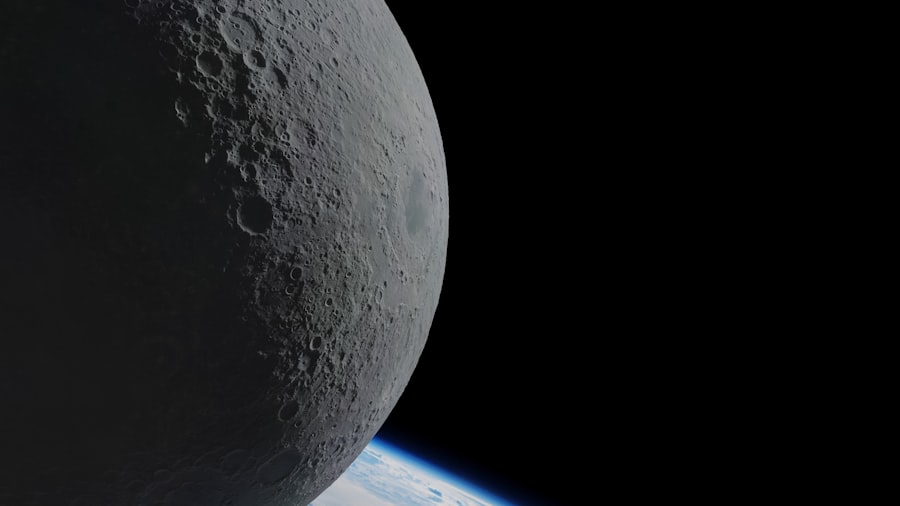
The Moon’s airless, stable environment offered a unique platform for astronomical observations, free from the distortions and limitations of Earth’s atmosphere.
A Clearer View of the Universe: Lunar Astronomical Observatories
Ultraviolet and X-ray Astronomy
The Apollo missions facilitated the deployment of instruments designed to observe celestial objects in ultraviolet and X-ray wavelengths, which are largely absorbed by Earth’s atmosphere.
The Apollo 16 Ultraviolet Camera/Spectrograph
This instrument captured images of Earth’s airglow and other celestial objects in the ultraviolet spectrum, providing new data on atmospheric phenomena and distant stars. These observations were like peering through a pristine, invisible window, revealing celestial spectacles otherwise hidden from view.
The Apollo 17 X-ray Spectrometer
This experiment focused on measuring the X-ray emissions from the Moon’s surface, providing insights into its elemental composition. It also indirectly allowed for the study of solar X-ray emissions.
Solar Wind Studies: Capturing the Sun’s Breath
The solar wind, a stream of charged particles released from the Sun’s upper atmosphere, plays a significant role in the space environment. The Moon provided an ideal, undisturbed location to study its properties.
The Solar Wind Composition Experiment
This experiment, deployed on multiple Apollo missions, consisted of aluminum foil sheets designed to capture particles from the solar wind. By analyzing the captured particles, scientists could determine the composition and flux of the solar wind. These foil sheets, like silent sentinels, faithfully recorded the ephemeral breath of our star.
Understanding Space Weather
The data gathered from these solar wind experiments offered crucial insights into the heliosphere and its influence on planetary environments. This understanding is fundamental to comprehending space weather, which can impact satellites, communication systems, and even astronauts.
Beyond Pure Science: Technological Demonstrations and Future Possibilities
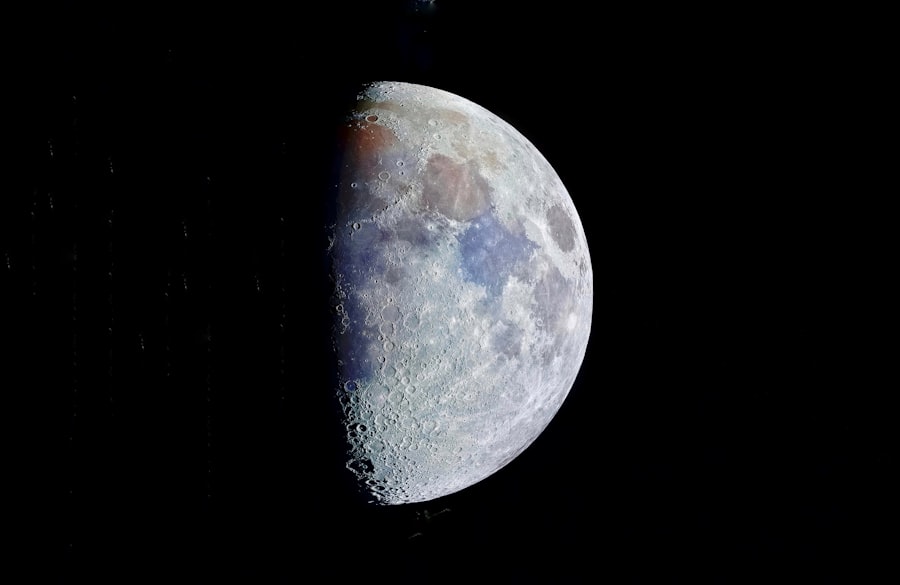
While the primary focus was scientific discovery, the Apollo missions also served as vital proving grounds for advanced technologies and provided a glimpse into the future of human space exploration.
Paving the Way for Future Endeavors
Lunar Rover Development and Deployment
The Lunar Roving Vehicle (LRV), first used on Apollo 15, dramatically enhanced the astronauts’ mobility and range of exploration. This electric-powered vehicle allowed for the collection of samples from farther afield and the deployment of scientific instruments to more distant locations.
Expanding the Scientific Footprint
The LRV transformed the explorers into far-ranging prospectors, enabling them to cover significantly more ground and access geologically diverse areas that would have been inaccessible on foot. It was like equipping explorers with a robust, all-terrain vehicle for their celestial expedition.
Technological Innovations for Space Travel
The development and successful operation of the LRV represented a significant technological achievement, demonstrating the feasibility of sustainable surface mobility for future lunar or planetary missions. It was a precursor to the rovers we see exploring Mars today.
The Surveyor-Apollo Lunar Landing Accuracy Demonstration
While not an experiment in the traditional sense of data collection, the Surveyor-Apollo missions demonstrated the accuracy and reliability of lunar landing systems. This was crucial for ensuring the safety of future crewed missions and the precise placement of scientific equipment.
Precision Landing for Scientific Gain
The ability to land accurately in scientifically interesting areas was essential for maximizing the scientific return of each mission. It allowed for the targeted deployment of instruments and the selection of optimal sampling sites.
Building Confidence for Extended Stays
The success of these landing demonstrations built confidence in humanity’s ability to reach and operate on other celestial bodies, laying the conceptual groundwork for longer-duration stays and more complex operations in the future.
The moon landing experiments have always fascinated scientists and enthusiasts alike, as they paved the way for our understanding of lunar geology and the potential for future exploration. A related article discusses the innovative techniques used during these experiments and their implications for future missions. You can read more about it in this insightful piece on lunar research, which highlights the ongoing significance of these early explorations. For more details, check out this informative article that delves deeper into the subject.
The Enduring Legacy: Illuminating Earth and Beyond
| Experiment Name | Apollo Mission | Objective | Instruments Used | Data Collected | Duration |
|---|---|---|---|---|---|
| Lunar Seismic Profiling Experiment (LSPE) | Apollo 14 | Measure moonquakes and internal structure | Seismometers | Seismic wave data, moonquake activity | ~9 months |
| Lunar Laser Ranging Experiment (LLRE) | Apollo 11, 14, 15 | Measure distance between Earth and Moon | Retroreflectors | Laser reflection timing data | Ongoing since 1969 |
| Solar Wind Composition Experiment | Apollo 12 | Collect solar wind particles | Aluminum foil sheets | Solar wind particle samples | ~1 day |
| Lunar Surface Magnetometer | Apollo 16 | Measure magnetic field on lunar surface | Magnetometer | Magnetic field strength and direction | ~3 years |
| Heat Flow Experiment | Apollo 15, 17 | Measure heat flow from lunar interior | Heat flow probes | Temperature gradient data | ~3 years |
The experiments conducted during the Apollo lunar landings have had a profound and lasting impact on our scientific understanding, not only of the Moon but also of Earth and the broader solar system.
The Moon as a Mirror to Earth
Understanding Planetary Formation and Evolution
The prevailing theory of the Moon’s formation, the Giant Impact Hypothesis, was heavily supported by the analysis of lunar samples and seismic data. This hypothesis posits that the Moon formed from debris ejected after a Mars-sized object collided with the early Earth.
Comparative Planetology
By studying the Moon, a celestial body that has undergone a different evolutionary path from Earth, scientists have gained invaluable insights into the processes that shape planets. The Moon, with its lack of plate tectonics and a significant atmosphere, serves as a preserved snapshot of early planetary conditions. Studying it is akin to examining an ancient, undisturbed fossil that tells us about the biology of a lost era.
The Volatile Inventory of the Inner Solar System
Lunar samples and experiments have also contributed to our understanding of the distribution of volatile elements in the inner solar system, providing clues about the delivery of water and other essential ingredients for life during the early stages of planetary formation.
Inspiring Future Generations and Advancing Technology
The Apollo Program as a Catalyst for Innovation
The technical challenges overcome during the Apollo missions spurred innovation across numerous fields, from computing and materials science to telecommunications and life support systems. Many technologies that we use daily have roots in the space race.
The Quest for Knowledge as a Driving Force
The pursuit of scientific discovery on the Moon has served as a powerful inspiration for generations of scientists, engineers, and explorers. It demonstrated what humanity can achieve when driven by curiosity and a shared goal. The echoes of those first footsteps continue to reverberate, inspiring new quests for knowledge on other worlds.
The Moon as a Stepping Stone
Resources and Future Exploration
The study of lunar soil and geology has also opened up discussions about the potential for utilizing lunar resources, such as water ice and rare earth elements, for future human settlements and for refueling spacecraft on missions to further reaches of the solar system. The Moon, once a distant dream, is now increasingly viewed as a potential waypoint in our journey through the cosmos.
The experiments conducted on the Moon were not merely isolated scientific endeavors; they were interconnected threads woven into the grand tapestry of human knowledge. They transformed our perception of our celestial neighbor from a passive, inert sphere to a dynamic geological body with a complex history. The data, the samples, and the technological advancements born from these missions continue to inform our understanding of the universe and our place within it. The legacy of “exploring Moon landing experiments” is a testament to human ingenuity and an enduring testament to the power of scientific curiosity to illuminate the darkness and expand the frontiers of our understanding.
FAQs
What experiments were conducted during the moon landings?
During the Apollo moon landings, astronauts conducted a variety of scientific experiments including seismic studies, solar wind measurements, lunar soil analysis, and laser ranging experiments to measure the distance between the Earth and the Moon.
What is the Lunar Laser Ranging Experiment?
The Lunar Laser Ranging Experiment involved placing retroreflectors on the Moon’s surface, which allowed scientists on Earth to bounce laser beams off them and precisely measure the distance between the Earth and the Moon. This experiment has provided valuable data on the Moon’s orbit and geophysical properties.
Did the Apollo missions study the Moon’s geology?
Yes, Apollo astronauts collected rock and soil samples from the lunar surface, conducted geological surveys, and deployed instruments to study the Moon’s composition, structure, and history. These studies have greatly enhanced our understanding of the Moon’s formation and evolution.
Were there any biological experiments conducted on the Moon?
While no living organisms were sent to the Moon for biological experiments, some experiments studied the effects of the lunar environment on materials and equipment. The focus was primarily on physical and geological sciences rather than biological studies.
Are the results from the moon landing experiments still relevant today?
Absolutely. Data and samples collected during the Apollo missions continue to be studied and have provided a foundation for ongoing lunar research. The experiments have helped inform current and future missions, including plans for lunar bases and exploration.