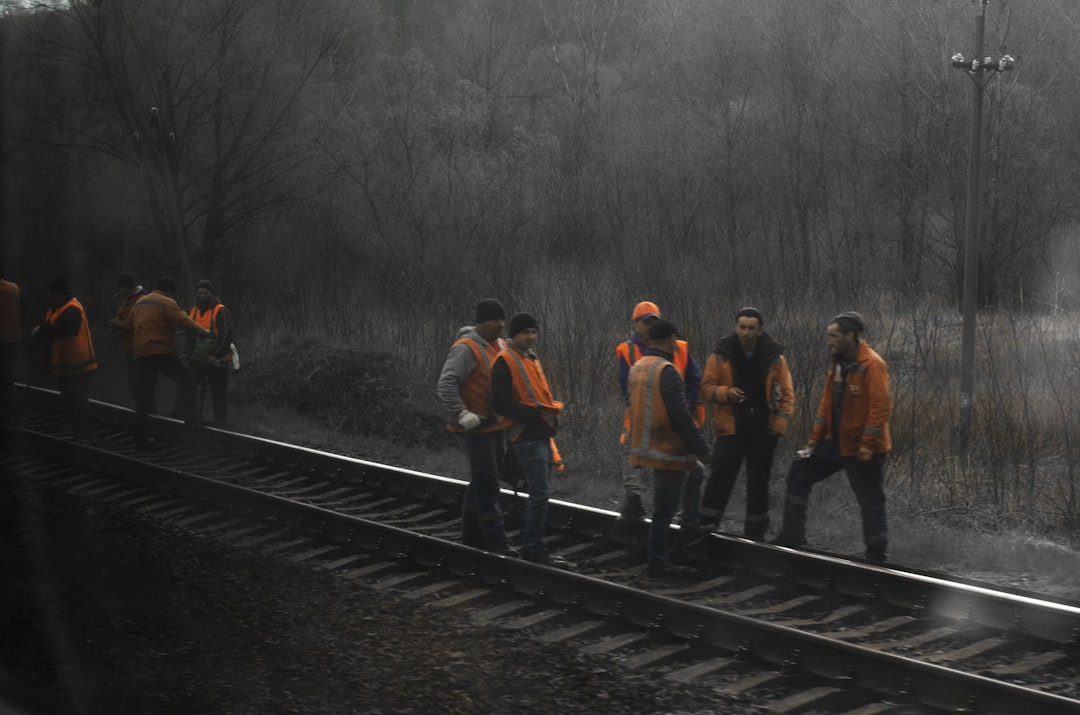
The global landscape of labor and migration has, for decades, been characterized by the movement of individuals seeking improved economic opportunities, greater personal security, or refuge from conflict. This intricate web of human movement, while often beneficial for both origin and destination countries, conceals a pervasive and deeply troubling phenomenon: the exploitation of migrant workers. This exploitation, a stark antithesis to fundamental human rights, is not a new issue, yet its prevalence and various manifestations appear to be on an alarming upward trajectory, demanding closer scrutiny and concerted international action.
The Dynamics of Vulnerability: A Fertile Ground for Exploitation
Migrant workers, by their very nature, often inhabit a precarious position within the social and economic fabric of their host countries. This inherent vulnerability, a tapestry woven from various threads, creates fertile ground for exploitative practices to take root and flourish. Understanding these dynamics is crucial to comprehending the scope of the problem. You can learn more about the issue of shrimp slavery in this informative video.
Legal and Administrative Barriers
Navigating the labyrinthine legal and administrative frameworks of a foreign country presents an immediate challenge for many migrant workers. They often confront complexities related to visa applications, work permits, and residency requirements, which can be disorienting and disempowering.
- Undocumented Status: A significant portion of exploited migrant workers are undocumented, having either overstayed their visas, entered a country without authorization, or had their legal status revoked. This lack of legal recognition renders them virtually invisible to official protections and makes them exceptionally susceptible to abuse. The fear of deportation acts as a potent muzzle, silencing their cries for help.
- Restrictive Visa Systems: Some countries employ restrictive visa systems that tie migrant workers to specific employers, effectively curbing their mobility and their ability to seek alternative employment. This creates a power imbalance, transforming the employer into an inescapable force.
- Language and Cultural Barriers: The inability to communicate effectively in the local language, coupled with a lack of understanding of local customs and legal rights, further isolates migrant workers. They become islands adrift in a sea of unfamiliarity, making it difficult to report abuse or access support services.
Economic Disparity and Indebtedness
The primary driving force behind migration for many is the pursuit of economic betterment. However, this very aspiration can become a double-edged sword, trapping individuals in cycles of debt and dependency.
- Recruitment Fees: A common and pervasive tactic involves exorbitant recruitment fees charged by agencies in origin countries. These fees, often illegal or unregulated, can be astronomical, forcing migrants to borrow heavily and arrive in the destination country already burdened by significant debt. This debt acts as an invisible chain, binding them to exploitative employment.
- Low Wages and Wage Theft: Upon arrival, many migrant workers find themselves subjected to wages far below statutory minimums or what was promised. Wage theft, including withholding of pay, non-payment of overtime, and illegal deductions, is a widespread practice, effectively stealing the fruits of their labor.
- Debt Bondage: The combination of recruitment debt and exploitative wages can quickly lead to debt bondage, a form of modern slavery. Individuals are unable to repay their debts, and their labor is then extracted under coercive conditions, trapping them in a relentless cycle of servitude.
Social Isolation and Discrimination
Beyond legal and economic vulnerabilities, migrant workers often face profound social isolation and discrimination, further eroding their capacity to resist exploitation.
- Lack of Social Networks: Arriving in a new country without pre-existing social networks means a lack of informal support systems that can offer advice, assistance, and solidarity in times of need. They are often disconnected from their families and communities, intensifying feelings of isolation.
- Xenophobia and Racism: Discriminatory attitudes and xenophobia, often fueled by misinformation and political rhetoric, can lead to hostile environments for migrant workers. This can manifest in verbal abuse, physical assault, and a general lack of empathy from the wider community. Such discrimination can even extend to public services, where they may be denied access to healthcare, education, or justice.
Manifestations of Exploitation: A Spectrum of Abuse
Exploitation of migrant workers is not a monolithic concept; rather, it encompasses a wide spectrum of abuses, ranging from subtle coercion to overt forms of servitude. Recognizing these diverse manifestations is crucial for effective intervention.
Labor Exploitation
At its core, much of the exploitation revolves around the systemic abuse of labor. This directly impacts the well-being and dignity of the worker.
- Substandard Working Conditions: Migrant workers are frequently subjected to hazardous and unsanitary working conditions that would be unacceptable for domestic workers. This can include exposure to dangerous chemicals, lack of safety equipment, excessively long hours without breaks, and inadequate accommodation.
- Forced Labor and Slavery-like Practices: This represents the extreme end of labor exploitation. It involves coercion, threats, deception, or other means to compel individuals to work against their will. Examples include withholding identification documents, physical confinement, and threats against family members in the country of origin.
- Unpaid or Underpaid Labor: As previously mentioned, wage theft is rampant. This not only directly harms the worker but also undermines fair labor practices and creates an uneven playing field.
- Excessive Overtime without Compensation: Many employment contracts for migrant workers stipulate unrealistically long working hours, often exceeding legal limits, without adequate or any compensation for overtime. This effectively extracts maximum labor for minimum cost.
Human Trafficking and Smuggling
While distinct, human trafficking and human smuggling are often intertwined with migrant worker exploitation, particularly in the initial stages of their journey.
- Human Trafficking: This involves the recruitment, transportation, transfer, harboring, or receipt of persons, by means of threat or use of force or other forms of coercion, of abduction, of fraud, of deception, of the abuse of power or of a position of vulnerability, or of the giving or receiving of payments or benefits to achieve the consent of a person having control over another person, for the purpose of exploitation. Migrant workers are particularly susceptible to being trafficked for forced labor or sexual exploitation.
- Human Smuggling: This involves the facilitation of illegal border crossings for financial or other material gain. While initially appearing consensual, smuggled individuals often fall into exploitation upon arrival, as their undocumented status makes them prime targets for traffickers and abusive employers.
Psychological and Emotional Abuse
Beyond physical and economic harm, exploitative practices often inflict deep psychological and emotional wounds that endure long after direct abuse ceases.
- Threats and Intimidation: Employers and recruiters frequently use threats of deportation, violence against family members, or reporting to authorities to control migrant workers and prevent them from speaking out. This creates a climate of fear and constant anxiety.
- Isolation and Control: Perpetrators often isolate migrant workers from the outside world, controlling their communication, movement, and access to information. This diminishes their sense of agency and makes them more dependent on their abusers.
- Psychological Manipulation: Migrant workers, particularly those in vulnerable situations, can be subjected to sophisticated psychological manipulation, leading them to believe they are responsible for their predicament or that resistance is futile. This erodes their self-worth and ability to seek help.
The Economic and Social Costs: Rippling Effects Beyond the Individual
The exploitation of migrant workers is not merely a tragedy for the individuals directly affected; it also casts a long shadow over the economic health and social cohesion of both host and origin countries. The costs are manifold and far-reaching.
Distortion of Labor Markets and Unfair Competition
Exploitative labor practices create an uneven playing field, undermining fair competition and driving down wages for all workers.
- Undercutting Wages: When migrant workers are forced to accept sub-minimum wages, it creates downward pressure on wages for domestic workers in similar industries, leading to a race to the bottom.
- Unfair Business Advantages: Companies that exploit migrant labor gain an unfair competitive advantage by significantly reducing their labor costs, making it difficult for ethically compliant businesses to compete. This can stifle innovation and discourage responsible business practices.
- Informal Economy Growth: Exploitation thrives in the informal economy, where labor laws are rarely enforced. This fuels the growth of an unregulated sector, depriving governments of tax revenue and workers of social protections.
Strain on Public Services and Social Cohesion
While often contributing significantly to the economy, exploited migrant workers can inadvertently place strain on public services and exacerbate social tensions.
- Increased Healthcare Burden: Due to hazardous working conditions, lack of access to preventative care, and delayed treatment due to fear or cost, exploited migrant workers often present with severe health issues, placing a burden on public health systems.
- Social Division and Xenophobia: The perception that migrant workers “steal jobs” or “drain resources,” often fueled by exploitation-driven downward wage pressure, can intensify xenophobic sentiments and social divisions within communities.
- Erosion of Trust in Institutions: When exploitation is rampant and goes unaddressed, it erodes public trust in government institutions, law enforcement, and the justice system, particularly among marginalized communities.
Reputational Damage and International Relations
Countries perceived as tolerant of widespread migrant worker exploitation face significant reputational damage on the international stage, impacting trade, tourism, and diplomatic relations.
- International Condemnation and Sanctions: International organizations and human rights groups frequently expose and condemn states with poor records on migrant worker protection, potentially leading to diplomatic pressure or even economic sanctions.
- Impact on Trade Agreements: Increasingly, trade agreements include labor standards clauses. Countries failing to uphold these standards due to migrant worker exploitation may face challenges in securing or maintaining favorable trade relations.
- Moral and Ethical Imperative: Beyond economic and political ramifications, there is a fundamental moral and ethical imperative for nations to protect the rights of all individuals within their borders, regardless of their nationality or legal status.
Addressing the Root Causes: A Multi-faceted Approach
Combating the exploitation of migrant workers demands a comprehensive, multi-faceted approach that addresses both the immediate symptoms and the underlying systemic vulnerabilities. No single solution can untangle this complex knot.
Strengthening Legal Frameworks and Enforcement
Robust legal systems, coupled with effective enforcement mechanisms, are the bedrock of migrant worker protection.
- Universal Ratification of Conventions: Encouraging universal ratification and effective implementation of key international labor and human rights conventions, such as those from the International Labour Organization (ILO) concerning migrant workers, forced labor, and domestic workers.
- Anti-Trafficking Legislation: Strengthening national anti-trafficking laws to ensure comprehensive protection for victims, robust prosecution of perpetrators, and adequate resources for support services.
- Fair Recruitment Practices: Implementing and enforcing strict regulations on recruitment agencies, including licensing requirements, fee caps, and transparent contracts, to prevent debt bondage at the source. This requires bilateral agreements between origin and destination countries.
- Labor Inspection and Monitoring: Increasing the number, capacity, and independence of labor inspectors to proactively identify and address exploitative working conditions. This includes unannounced inspections, particularly in high-risk sectors.
Empowering Migrant Workers
Empowering migrant workers with knowledge, resources, and agency is crucial to enable them to advocate for their own rights.
- Access to Information: Providing comprehensive and accessible information to migrant workers in their native languages about their rights, labor laws, available support services, and legal recourse in both origin and destination countries. This should occur before departure and upon arrival.
- Legal Aid and Support Services: Ensuring access to affordable or free legal aid, counseling, and psychological support services for exploited migrant workers. Establishing safe houses and shelters that offer respite and protection from abusers.
- Freedom of Association: Upholding the right of migrant workers to form or join trade unions and collectively bargain for better working conditions. Unions play a vital role in protecting worker rights.
- Whistleblower Protection: Implementing robust whistleblower protection mechanisms to encourage migrant workers and sympathetic parties to report exploitation without fear of reprisal or deportation.
International Cooperation and Collaboration
The cross-border nature of migration and exploitation necessitates strong international cooperation among governments, intergovernmental organizations, and civil society.
- Bilateral Labor Agreements: Developing and implementing robust bilateral labor agreements between origin and destination countries that prioritize migrant worker protection, ensure fair recruitment, and provide clear channels for redress.
- Data Collection and Research: Investing in better data collection and research on migrant worker exploitation to understand its scope, trends, and specific vulnerabilities, enabling evidence-based policymaking.
- Capacity Building: Providing technical assistance and capacity-building programs to governments in both origin and destination countries to strengthen their ability to combat exploitation, including training for law enforcement, judicial officials, and labor inspectors.
- Public Awareness Campaigns: Launching public awareness campaigns in both origin and destination countries to educate migrants about risks, inform employers about their responsibilities, and challenge xenophobic attitudes within host communities.
The Imperative of Action: A Shared Responsibility
The pervasive exploitation of migrant workers stands as a profound stain on the collective conscience of humanity. It represents a failure to uphold fundamental human rights and a testament to the enduring presence of modern slavery. As you, the reader, reflect on this grave issue, it becomes evident that addressing it is not solely the responsibility of governments or international bodies. It is a shared responsibility that extends to employers, civil society organizations, and indeed, every individual who benefits from the globalized economy.
The goods and services that underpin our daily lives are often made possible by the toil of migrant workers. Acknowledging this connection, understanding the potential for exploitation within global supply chains, and advocating for ethical consumption choices are small yet significant steps. By demanding transparency, supporting ethical businesses, and amplifying the voices of the vulnerable, each of us can contribute to dismantling the structures that perpetuate exploitation. The path to eradicating this injustice is long and arduous, but inaction is not an option. The dignity and rights of millions depend on our collective vigilance and unwavering commitment to justice.
FAQs
What is migrant worker exploitation?
Migrant worker exploitation refers to the unfair, abusive, or illegal treatment of individuals who have moved from their home country to work in another country. This can include underpayment, poor working conditions, lack of legal protections, and denial of basic rights.
Which industries are most affected by migrant worker exploitation?
Migrant worker exploitation is commonly reported in industries such as agriculture, construction, domestic work, hospitality, and manufacturing, where labor demand is high and oversight may be limited.
What are common signs of exploitation faced by migrant workers?
Common signs include unpaid or underpaid wages, excessive working hours, unsafe or unhealthy working environments, withholding of passports or identification documents, and threats or intimidation to prevent workers from seeking help.
What legal protections exist for migrant workers against exploitation?
Legal protections vary by country but often include labor laws that set minimum wages, regulate working hours, ensure safe working conditions, and prohibit forced labor. International conventions, such as those by the International Labour Organization (ILO), also provide frameworks to protect migrant workers.
How can migrant workers seek help if they experience exploitation?
Migrant workers can seek help through local labor unions, non-governmental organizations (NGOs), legal aid services, and government labor departments. Many countries also have hotlines or support centers specifically for migrant workers facing exploitation.