
Ethical shrimp sourcing, an increasingly vital aspect of responsible consumption, addresses the complex environmental and social challenges inherent in the global shrimp industry. Consumers, acting as the ultimate drivers of demand, possess significant power to shape industry practices through their purchasing decisions. This guide aims to equip individuals with the knowledge and tools necessary to navigate the intricate landscape of shrimp production and make informed choices that promote sustainability and ethical labor practices.
The global shrimp industry is a colossal enterprise, valued in the tens of billions of dollars annually. It provides livelihoods for millions but also presents a multifaceted array of environmental and social impacts that, if left unaddressed, can profoundly undermine ecological stability and human well-being. You can learn more about the issue of shrimp slavery in this informative video.
Environmental Degradation
Shrimp farming, particularly intensive aquaculture methods, can impose significant burdens on marine and coastal ecosystems.
Mangrove Destruction
Mangrove forests, critical coastal ecosystems that serve as nurseries for countless marine species, natural flood barriers, and carbon sinks, have historically been cleared at alarming rates to make way for shrimp ponds. This destruction contributes to biodiversity loss, increased vulnerability to natural disasters, and the release of sequestered carbon.
Water Pollution
Wastewater from shrimp farms, often laden with uneaten feed, antibiotics, pesticides, and other chemicals, can pollute surrounding waterways. This pollution can lead to eutrophication, oxygen depletion, and the collapse of local aquatic ecosystems.
Disease Outbreaks
Intensive farming practices, characterized by high stocking densities, create fertile ground for the rapid spread of diseases within shrimp populations. To combat these outbreaks, farmers frequently resort to antibiotics, contributing to the global challenge of antimicrobial resistance.
Wild Fisheries Depletion
The capture of wild shrimp, particularly through bottom trawling, can be highly destructive. This method often results in significant bycatch, the incidental capture of non-target species, many of which are discarded, contributing to the depletion of commercially valuable fish stocks and disruption of marine food webs.
Social and Labor Issues
Beyond environmental concerns, the shrimp industry has also been plagued by various social and labor injustices, particularly in regions with weaker regulatory oversight.
Human Trafficking and Forced Labor
Reports of human trafficking and forced labor, particularly concerning migrant workers on fishing vessels, have cast a dark shadow over parts of the shrimp supply chain. Workers may be subjected to debt bondage, inhumane working conditions, and physical abuse.
Child Labor
In some shrimp-producing regions, child labor remains a persistent issue, denying children access to education and exposing them to hazardous working environments.
Unsafe Working Conditions
Workers in both aquaculture and wild-capture fisheries often face dangerous conditions, including long hours, lack of safety equipment, and exposure to harsh elements, leading to high rates of injury and fatality.
Poor Wages and Exploitation
Many shrimp industry workers, especially those in developing countries, are paid meager wages, struggle with poverty, and lack adequate social protections.
For those interested in ethical seafood practices, a comprehensive resource can be found in the article on ethical shrimp sourcing, which emphasizes the importance of sustainable fishing methods and fair labor practices. To further explore this topic, you can read more about related initiatives and guidelines in our detailed article here: Ethical Shrimp Sourcing Guide. This guide provides valuable insights into making informed choices when it comes to purchasing shrimp and supporting responsible fisheries.
Navigating Certification Programs and Standards
To address these multifaceted issues, various certification programs and standards have emerged, offering consumers a means to identify responsibly sourced shrimp. These programs act as a compass in a sometimes bewildering sea of products.
Aquaculture Stewardship Council (ASC) Certification
The Aquaculture Stewardship Council (ASC) is a prominent certification body for farmed seafood, including shrimp.
Principles of ASC Certification
ASC certification assesses shrimp farms against a rigorous set of standards covering environmental impacts, social responsibility, and animal welfare. Key areas include:
- Biodiversity conservation: Protecting critical habitats and minimizing impacts on local ecosystems.
- Water quality: Managing water discharge to prevent pollution.
- Disease management: Reducing the reliance on antibiotics and promoting fish health.
- Responsible feed sourcing: Ensuring feed ingredients are sustainably produced.
- Fair labor practices: Upholding human rights, ensuring safe working conditions, and prohibiting child and forced labor.
Benefits of ASC Certification
Choosing ASC-certified shrimp provides consumers with an assurance that the product has been farmed with reduced environmental damage and adherence to ethical labor standards.
Marine Stewardship Council (MSC) Certification
The Marine Stewardship Council (MSC) focuses specifically on wild-caught fisheries, offering a similar assurance of sustainability for shrimp harvested from the ocean.
Principles of MSC Certification
MSC certification evaluates fisheries against three core principles:
- Sustainable fish stocks: Ensuring that fishing activities do not deplete fish populations beyond sustainable levels.
- Minimizing environmental impact: Reducing the impact on marine ecosystems, including bycatch and habitat damage.
- Effective management: Implementing robust management systems that comply with local, national, and international laws.
Benefits of MSC Certification
MSC-certified wild-caught shrimp signifies that the fishery has been independently assessed and meets best practice standards for environmentally responsible fishing.
Best Aquaculture Practices (BAP) Certification
Best Aquaculture Practices (BAP) is a certification program established by the Global Aquaculture Alliance (GAA).
Pillars of BAP Certification
BAP standards address four key pillars of responsible aquaculture:
- Environmental responsibility: Managing effluent, preventing habitat destruction, and minimizing environmental impact.
- Social accountability: Ensuring fair labor practices, safe working conditions, and community engagement.
- Food safety: Implementing robust food safety protocols throughout the production chain.
- Animal health and welfare: Promoting humane treatment of farmed animals and reducing disease.
Levels of BAP Certification
BAP offers a multi-star system, indicating the level of certification across the supply chain, from hatcheries and feed mills to farms and processing plants. A four-star rating signifies that all stages of production are certified.
Other Emerging Standards and Considerations
While ASC, MSC, and BAP are prominent, other regional and national standards exist. It is beneficial to investigate these when purchasing local products. Consumers should also consider:
Transparency in the Supply Chain
A truly ethical product often comes from a supply chain that is transparent and traceable, allowing consumers to understand the journey of their food from source to plate.
Local and Regional Initiatives
Supporting local and small-scale shrimp producers who adhere to sustainable practices, even if not formally certified by major programs, can also be a powerful form of ethical consumption. Inquire directly about their methods.
Making Informed Purchasing Decisions
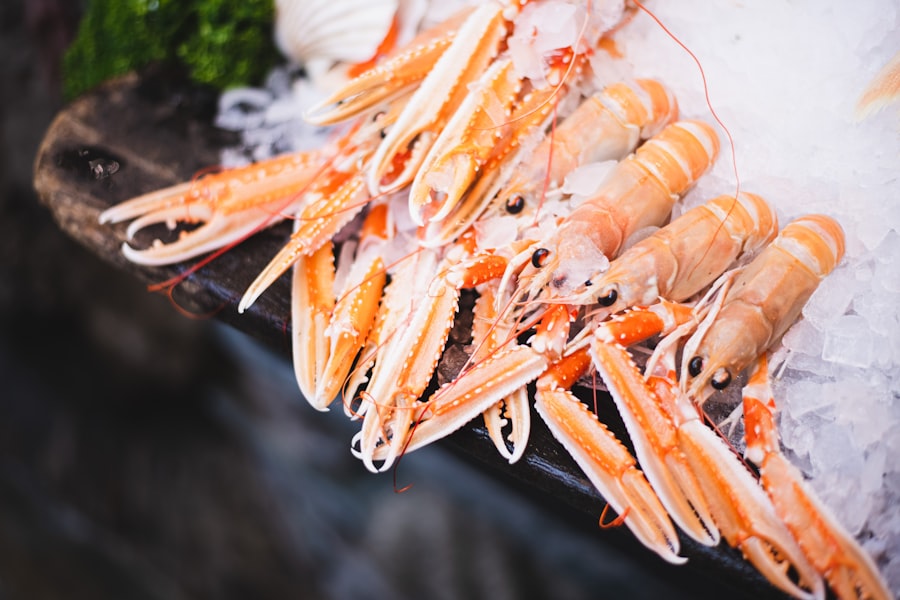
Empowering oneself with knowledge is the first step towards ethical consumption. Here’s how to translate that knowledge into actionable choices when standing before the seafood counter.
Reading Labels and Asking Questions
Labels are the silent messengers of a product’s history. Learning to interpret them is crucial.
Decoding Certification Logos
Look for the logos of ASC, MSC, and BAP on shrimp packaging. These symbols are your first line of defense against unsustainable and unethical practices. Understand what each logo represents, as discussed in the preceding section.
Understanding Origin Information
Pay attention to the country of origin. While a country’s origin doesn’t inherently denote ethical or unethical practices, it can be a prompt for further investigation. Some regions have stronger regulations and enforcement than others regarding labor and environmental standards.
Inquiring at the Seafood Counter
Do not hesitate to engage with fishmongers and seafood staff. They are often valuable sources of information. Ask direct questions: “Is this shrimp wild-caught or farmed?” “Where does it come from?” “Is it certified by a reputable organization?” Your questions encourage retailers to be more transparent and demand ethical sourcing from their suppliers.
Utilizing Consumer Guides and Apps
Several resources exist to help consumers make real-time decisions. These tools distill complex information into accessible formats.
Seafood Watch Recommendations
The Monterey Bay Aquarium’s Seafood Watch program provides widely respected recommendations for sustainable seafood. Their ratings categorize seafood into “Best Choices,” “Good Alternatives,” and “Avoid.” They offer a mobile app and online database that are incredibly useful for consumers on the go.
Other Regional Guides
Similar guides may exist for specific regions or countries. A quick online search for “[your region] sustainable seafood guide” can yield valuable local resources.
Considering Alternatives and Reducing Consumption
Ethical sourcing isn’t solely about which shrimp you choose, but also about your overall consumption patterns.
Plant-Based Alternatives
The market for plant-based seafood alternatives is rapidly expanding. These products, often made from konjac, seaweed, or plant proteins, offer a delicious and environmentally friendly option for those who enjoy the texture and flavor of shrimp without the associated ethical baggage.
Other Sustainable Seafood Options
If shrimp is proving difficult to source ethically in your area, consider other types of seafood that have consistently high sustainability ratings, such as certain varieties of clams, mussels, or regionally caught fish.
Reducing Overall Seafood Consumption
Even with the best intentions, consuming less seafood overall is a powerful way to reduce pressure on marine ecosystems. Treat shrimp as an occasional delicacy rather than a dietary staple.
The Broader Impact of Consumer Choices

Every purchasing decision is a vote. When you choose ethically sourced shrimp, you are casting a vote for a more sustainable and humane future.
Driving Market Demand for Ethical Products
As more consumers demand certified and transparently sourced shrimp, retailers and suppliers are compelled to adapt. This demand acts as a powerful economic lever, encouraging the industry to invest in better practices, improve working conditions, and mitigate environmental damage. You, as a consumer, are an agent of change.
Encouraging Industry-Wide Improvement
The aggregate effect of individual ethical purchasing decisions creates a ripple effect throughout the entire supply chain. It pushes producers towards greater accountability and encourages governmental bodies to enact and enforce stronger regulations. This is not a quaint notion but a demonstrable economic phenomenon where consumer preferences reshape market realities.
Supporting Workers and Ecosystems
By deliberately choosing shrimp that meets high standards, consumers directly support the livelihoods of workers who are treated fairly and help preserve the delicate balance of marine ecosystems that are often exploited. This is tangible, direct impact, moving human and environmental well-being from abstract concerns to practical outcomes. Consider your choice as a bridge connecting your values with tangible, positive impacts across the world.
When considering the impact of seafood consumption on the environment, it’s essential to explore resources that provide guidance on sustainable practices. An insightful article on ethical shrimp sourcing can be found at this link, which outlines the importance of choosing responsibly sourced shrimp to support marine ecosystems and local communities. By understanding the implications of our seafood choices, we can contribute to a more sustainable future.
Conclusion
| Metric | Description | Recommended Standard | Measurement Method |
|---|---|---|---|
| Bycatch Rate | Percentage of non-target species caught during shrimp harvesting | Less than 5% | Observer reports and catch sampling |
| Use of Antibiotics | Frequency and type of antibiotics used in shrimp farming | No use of banned or harmful antibiotics | Farm audits and chemical residue testing |
| Water Quality Management | Maintenance of water parameters to prevent pollution and disease | Regular monitoring of pH, salinity, and contaminants | Water sampling and laboratory analysis |
| Certification Status | Compliance with recognized ethical sourcing certifications | MSC, ASC, or equivalent certification | Verification of certification documents |
| Labor Practices | Adherence to fair labor standards and worker safety | No child labor, fair wages, safe working conditions | Third-party labor audits |
| Habitat Impact | Effect of shrimp farming on local ecosystems and mangroves | Minimal or no destruction of natural habitats | Environmental impact assessments |
| Traceability | Ability to track shrimp from farm to consumer | Full supply chain transparency | Documentation and blockchain tracking systems |
The journey toward ethical shrimp consumption is a continuous process of learning, questioning, and making conscious choices. While the complexities of the global shrimp industry can seem daunting, each consumer holds the power to contribute to a more just and sustainable future. By understanding the industry’s footprint, utilizing certification programs, making informed purchasing decisions, and considering alternatives, individuals can play a pivotal role in transforming the shrimp supply chain. Your choices, when multiplied by many, form a powerful current that can steer the entire industry towards responsible practices.
FAQs
What does ethical shrimp sourcing mean?
Ethical shrimp sourcing refers to obtaining shrimp in a manner that prioritizes environmental sustainability, fair labor practices, and animal welfare. It involves choosing suppliers who minimize ecological impact, avoid harmful fishing methods, and ensure safe and fair working conditions.
Why is ethical shrimp sourcing important?
Ethical shrimp sourcing is important because conventional shrimp farming and fishing can lead to habitat destruction, overfishing, pollution, and exploitation of workers. Sourcing shrimp ethically helps protect marine ecosystems, supports responsible fisheries, and promotes social responsibility in the seafood industry.
How can consumers identify ethically sourced shrimp?
Consumers can identify ethically sourced shrimp by looking for certifications such as the Marine Stewardship Council (MSC), Aquaculture Stewardship Council (ASC), or Best Aquaculture Practices (BAP). Additionally, purchasing from reputable suppliers who provide transparency about their sourcing methods and environmental impact is recommended.
What are some common sustainable shrimp farming practices?
Sustainable shrimp farming practices include using closed or recirculating aquaculture systems to reduce pollution, avoiding the destruction of mangroves, implementing responsible feed and water management, and ensuring minimal use of antibiotics and chemicals. These practices help maintain ecosystem health and shrimp quality.
Can wild-caught shrimp be ethically sourced?
Yes, wild-caught shrimp can be ethically sourced if they come from well-managed fisheries that follow sustainable fishing quotas, use selective gear to reduce bycatch, and comply with environmental regulations. Certification programs like MSC help verify the sustainability of wild-caught shrimp.