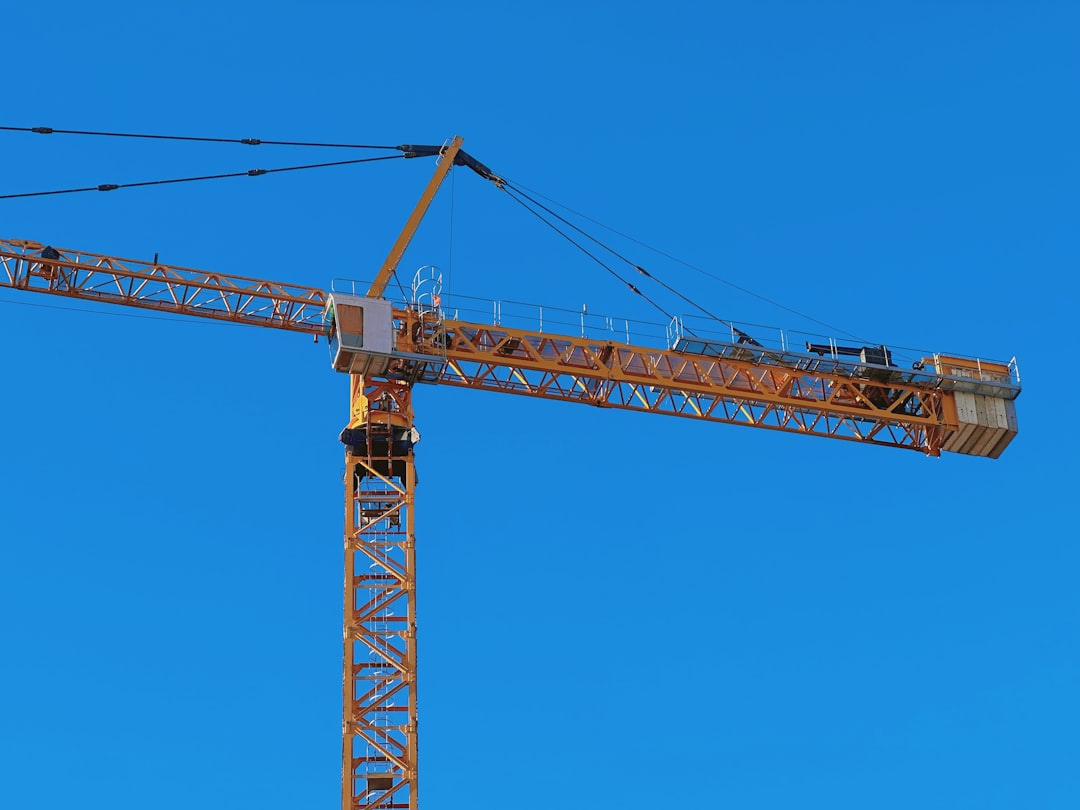
You stand on a bustling city street, the cacophony of construction a constant hum. Cranes pierce the sky, their metallic arms orchestrating the assembly of towering structures. Below, excavators claw at the earth, preparing foundations for what will come next. This is the engine room of your modern existence, and at its heart, the architects of this transformation – construction companies – are undeniably turning a profit.
The construction industry is often perceived as a straightforward, albeit physically demanding, sector. Yet, beneath the surface of steel, concrete, and glass lies a complex ecosystem of planning, resource management, and intricate financial dealings. For construction companies, profitability isn’t a matter of chance; it’s a calculated outcome driven by a confluence of factors. Understanding these dynamics reveals why these enterprises are consistently successful in their endeavors.
Navigating the Project Lifecycle: From Blueprint to Occupancy
Every building, every bridge, every piece of infrastructure you rely on begins as an idea and culminates in tangible reality. Construction companies expertly navigate this entire lifecycle, and it’s during this journey that value is created and subsequently monetized.
The Bidding and Tender Process: Securing the Work
The initial stage involves intense competition. Clients, whether government agencies, private developers, or individuals, issue bids outlining the scope, specifications, and desired timeline for a project. Construction companies meticulously analyze these documents, calculate their costs – labor, materials, equipment, overhead – and submit competitive proposals. A successful bid directly translates into revenue. The ability to accurately estimate costs and present a compelling proposal is a cornerstone of securing profitable work. This is not simply about offering the lowest price; it involves demonstrating competence, reliability, and a clear understanding of the project’s demands. Companies that can consistently win high-value contracts, often through established reputations and strong relationships, are positioned for substantial gains.
Project Execution: The Art of Efficient Delivery
Once a contract is secured, the real work begins. This phase demands a sophisticated orchestration of resources. Efficient project management is paramount, ensuring that labor is deployed effectively, materials are procured on time and within budget, and equipment is utilized optimally. Delays and cost overruns are the enemies of profitability. Therefore, construction firms that excel at streamlining operations, mitigating risks, and adapting to unforeseen challenges are inherently more financially successful. This includes anticipating potential bottlenecks, managing supply chains effectively, and employing skilled labor that can perform tasks efficiently and to a high standard.
Post-Construction and Maintenance: Extending the Revenue Stream
While the primary profit often stems from the initial construction, many companies also find revenue in the after-sales service. This can include warranty work, ongoing maintenance contracts, or even specialized repair services. For large infrastructure projects, such as bridges or power plants, long-term maintenance agreements can represent a significant and predictable revenue stream, further bolstering profitability. This demonstrates a forward-thinking approach, recognizing that the relationship with a client doesn’t necessarily end once the building is complete.
Construction companies play a pivotal role in shaping modern life, often prioritizing profit through innovative engineering and design strategies. A related article that delves into the intricate relationship between construction practices and their impact on urban development can be found at Hey Did You Know This. This resource explores how these companies leverage technology and sustainable practices to maximize their profits while simultaneously influencing the way we live and interact within our built environments.
The Economics of Scale and Specialization: Driving Construction Company Profits
The construction industry encompasses a vast array of companies, from small, family-run operations to colossal multinational corporations. The scale and specialization of these entities significantly influence their profit potential. Understanding these economic principles is key to appreciating the financial success of this sector.
Large-Scale Developers: Command and Control of Big Projects
The largest construction companies often specialize in megaprojects – skyscrapers, international airports, sprawling residential complexes, or significant public works. These ventures require immense capital, sophisticated planning, and the ability to manage thousands of workers and complex logistics.
Securing Government Contracts and Public Infrastructure Investment
A substantial portion of the construction industry’s revenue comes from government spending on public infrastructure. Roads, bridges, schools, hospitals, and public transportation systems are vital for a functioning society, and governments are willing to invest heavily in their construction and maintenance. Companies that can successfully bid on and execute these large, often multi-year contracts, secure a consistent and considerable flow of income. The sheer volume and the long-term nature of these projects lend themselves to significant profit margins, especially when managed efficiently.
Real Estate Development: Building for the Market
Large construction firms are frequently involved in speculative real estate development. They identify market needs, acquire land, design and build properties (residential, commercial, industrial), and then sell or lease them. The profit here is derived from the difference between the cost of development and the market value of the completed asset. Successful developers have a keen understanding of market trends, property values, and the ability to manage the entire development lifecycle, from land acquisition to sales.
Niche Specialization: Dominating Specific Markets
While scale is important, many construction companies achieve significant profitability by focusing on specialized areas. This allows them to develop deep expertise, build a strong reputation within that niche, and often command higher prices due to their specialized skills.
Industrial Construction: High-Tech and High-Value Facilities
Companies specializing in industrial construction build factories, processing plants, power generation facilities, and other highly specialized industrial structures. These projects often involve complex machinery, stringent safety regulations, and advanced technological requirements. The expertise required in these areas means that companies in this niche can command premium rates for their services. The complexity and critical nature of these facilities translate to high profit margins for those who can deliver them safely and reliably.
Infrastructure and Utilities: The Backbone of Society
The construction of essential infrastructure and utility systems – pipelines, power grids, water treatment plants, telecommunications networks – represents another lucrative area of specialization. These projects are often critical to public well-being and national security, ensuring a steady demand for construction services. Companies demonstrating proficiency in these complex and highly regulated fields can secure long-term contracts and substantial profits. The ongoing need for repair, upgrades, and expansion ensures a continuous pipeline of work.
The Engine of Investment: Financing and Capital in Construction

Construction projects are inherently capital-intensive. The significant upfront investment required means that financing and effective capital management are crucial drivers of profitability for construction companies.
Securing Project Financing: The Lifeblood of Development
Few construction projects can be self-funded entirely. Construction companies rely on a variety of financing mechanisms to bring their projects to fruition. The ability to secure favorable loan terms, attract investors, and manage cash flow effectively is directly linked to profitability.
Bank Loans and Credit Facilities: Traditional Funding Avenues
Banks and other financial institutions are primary sources of funding for construction projects. Companies with strong financial histories, solid project proposals, and demonstrable creditworthiness can access loans and credit facilities to cover material costs, labor expenses, and equipment purchases. Negotiating competitive interest rates and repayment schedules is vital for minimizing the cost of capital, thereby maximizing profit. The established relationships with banks and a proven track record of repaying debt are significant assets.
Investor Capital and Private Equity: Fueling Growth and Large-Scale Ventures
For larger or more ambitious projects, construction companies may also seek investment from individuals, venture capital firms, or private equity funds. These investors provide capital in exchange for equity in the project or the company. Attracting and retaining investor confidence, often through lucrative profit-sharing agreements or equity appreciation, is a key pathway to substantial financial returns for construction firms that can leverage external capital effectively. The ability to present a clear vision for growth and a compelling return on investment is crucial for attracting such capital.
Managing Cash Flow and Working Capital: The Art of Financial Stability
Even with secured financing, meticulous management of cash flow and working capital is essential. Construction projects often have long payment cycles, with contractors needing to pay for materials and labor long before they receive payments from clients.
Managing Receivables and Payables: The Balancing Act
Effective management of accounts receivable and payable is critical. Construction companies must ensure timely invoicing and pursue outstanding payments diligently. Simultaneously, they need to negotiate favorable payment terms with suppliers and subcontractors to maintain healthy cash reserves. A proactive approach to identifying and resolving payment issues prevents liquidity crises and preserves profit margins, as delays in payment can incur interest charges or lead to the forfeiture of contractual benefits. The efficiency with which invoices are processed and payments are collected directly impacts the company’s ability to undertake new projects and manage ongoing expenses.
Inventory Management and Equipment Utilization: Minimizing Idle Costs
The cost of materials and equipment represents a significant portion of a construction company’s expenses. Efficient inventory management minimizes waste and storage costs, while optimal equipment utilization reduces idle time and associated maintenance expenses. Companies that can accurately forecast material needs and maximize the operational efficiency of their machinery are better positioned to control costs and enhance profitability. This includes strategic leasing or purchasing decisions for equipment based on project demands, and robust maintenance schedules to minimize breakdowns.
Risk Management and Mitigation: Protecting Profit Margins

The construction industry is inherently fraught with risks. From unpredictable weather to material price fluctuations, unforeseen challenges can quickly erode profit margins. Effective risk management is therefore a critical component of sustained profitability.
Identifying and Assessing Potential Project Risks
Construction companies must proactively identify and assess a wide range of potential risks that could impact a project’s timeline, budget, or quality. This requires a comprehensive understanding of the project’s environment, the materials involved, and the operational processes.
Environmental and Site-Specific Risks
Construction sites can present numerous environmental hazards, such as unstable soil conditions, underground utilities, or the presence of hazardous materials. Understanding these risks and implementing appropriate mitigation strategies, such as specialized excavation techniques or environmental remediation, is crucial to avoid costly delays and unforeseen expenses. Site investigations and surveys are vital initial steps in identifying these potential issues.
Supply Chain Disruptions and Material Price Volatility
Global supply chains are complex and susceptible to disruption. A shortage of critical materials or significant price increases can wreak havoc on a project budget. Construction companies mitigate this by diversifying suppliers, entering into long-term supply contracts with fixed prices where possible, and maintaining strategic stock levels of essential materials. Hedging against price fluctuations through financial instruments can also be a valuable strategy.
Insurance and Contractual Safeguards: Building in Protection
A robust insurance portfolio and carefully crafted contracts serve as essential safeguards against financial losses. These mechanisms shift or absorb certain risks, protecting the construction company’s bottom line.
Comprehensive Insurance Coverage: Shielding Against the Unexpected
Construction companies carry a variety of insurance policies, including general liability, professional liability, workers’ compensation, and builder’s risk insurance. These policies provide financial protection against accidents, errors, property damage, and other unforeseen events. The cost of insurance is a factor in project bids, but the financial security it provides is invaluable. Adequate coverage ensures that a single catastrophic event does not bankrupt the company.
Contractual Clauses and Dispute Resolution: Establishing Clear Responsibilities
Well-drafted contracts clearly define the responsibilities and liabilities of all parties involved in a project. Clauses related to change orders, delay penalties, and dispute resolution mechanisms are crucial for managing potential conflicts and ensuring that financial accountability is maintained. Effective negotiation of these contractual terms is a key aspect of risk management. The ability to enforce contractual obligations and resolve disputes efficiently can prevent significant financial drains.
Construction companies play a pivotal role in shaping modern life, often prioritizing profit while influencing urban landscapes and community dynamics. Their engineering feats not only provide essential infrastructure but also reflect market demands and consumer preferences. For a deeper understanding of how these companies navigate the balance between innovation and profitability, you can explore this insightful article on the topic. It highlights various strategies employed by construction firms to maximize their impact and revenue in today’s fast-paced environment. To read more, visit this article.
Innovation and Technology: Enhancing Efficiency and Profitability
| Construction Company | Engineering Modern Life | Profit |
|---|---|---|
| ABC Construction | Building sustainable infrastructure | Increased revenue |
| XYZ Builders | Developing smart cities | Higher returns |
| LMN Contractors | Constructing energy-efficient buildings | Improved financial performance |
The construction industry, sometimes perceived as slow to adopt new technologies, is increasingly embracing innovation to drive efficiency, reduce costs, and enhance profitability.
Digital Transformation in Construction: Streamlining Operations
The digital revolution is transforming how construction projects are planned, managed, and executed. Embracing these technologies allows companies to operate more efficiently and realize greater profits.
Building Information Modeling (BIM): Enhancing Design and Collaboration
Building Information Modeling (BIM) is a digital process that creates intelligent 3D models of buildings and infrastructure. BIM allows for better design visualization, clash detection, and collaborative workflows, leading to fewer errors and reduced rework during the construction phase. This improved accuracy translates directly into cost savings and faster project completion. The ability to simulate and analyze different design options before construction begins is a powerful tool for avoiding costly mistakes.
Project Management Software and Drones: Improving Oversight and Data Collection
Advanced project management software provides real-time visibility into project progress, resource allocation, and budget tracking. The use of drones for site surveys, progress monitoring, and safety inspections offers accurate data collection and analysis, further streamlining operations and identifying potential issues early. This level of detailed oversight allows for more informed decision-making, leading to improved efficiency and profitability. The ability to capture and analyze large amounts of data quickly enables proactive problem-solving.
Prefabrication and Modular Construction: Accelerating Delivery and Reducing Waste
The adoption of prefabrication and modular construction techniques is gaining traction. Building components or entire modules off-site in controlled factory environments allows for faster assembly on-site, improved quality control, and reduced material waste.
Off-Site Manufacturing: Quality Control and Efficiency Gains
Prefabricated components manufactured in a factory setting benefit from consistent quality control, optimized production processes, and reduced labor costs. This method can significantly shorten construction timelines, allowing companies to take on more projects and realize profits sooner. The controlled environment of a factory minimizes the impact of weather delays, a common problem in traditional construction.
Modular Construction: Faster Deployment and Reduced Site Impact
Modular construction involves constructing entire building sections or rooms off-site and then assembling them at the final location. This approach offers rapid deployment, minimal site disruption, and can be particularly advantageous for projects in dense urban areas or remote locations. The speed of assembly can lead to faster revenue generation for developers and construction companies. The reduced need for extensive on-site labor and material handling also contributes to cost savings.
In conclusion, the prosperity of construction companies is a multifaceted phenomenon. It is built upon a bedrock of meticulous planning, shrewd financial management, a commitment to efficient execution, and a proactive approach to risk. As you navigate the built environment that surrounds you, remember that behind every towering structure, every paved road, and every essential utility lies a complex industrial engine, reliably turning the gears of progress and, indeed, generating significant profit.
FAQs
1. What are some examples of how construction companies engineer modern life for profit?
Construction companies engineer modern life for profit by building infrastructure such as roads, bridges, and buildings that support economic growth and development. They also play a key role in creating sustainable and environmentally friendly structures that contribute to a better quality of life for communities.
2. How do construction companies contribute to economic growth and development?
Construction companies contribute to economic growth and development by creating jobs, stimulating demand for materials and services, and improving the overall infrastructure of a region. This, in turn, attracts businesses and investment, leading to further economic development.
3. What role do construction companies play in creating sustainable and environmentally friendly structures?
Construction companies play a crucial role in creating sustainable and environmentally friendly structures by using innovative building materials, implementing energy-efficient designs, and incorporating green technologies. They also adhere to environmental regulations and standards to minimize the impact of construction on the environment.
4. How do construction companies prioritize safety and quality in their projects?
Construction companies prioritize safety and quality in their projects by implementing strict safety protocols, providing ongoing training for their workers, and conducting regular inspections to ensure compliance with industry standards. They also use high-quality materials and employ skilled professionals to deliver projects that meet or exceed safety and quality requirements.
5. What are some challenges that construction companies face in engineering modern life for profit?
Some challenges that construction companies face in engineering modern life for profit include fluctuating material costs, labor shortages, regulatory hurdles, and the need to constantly innovate to meet evolving demands for sustainable and technologically advanced infrastructure. Additionally, they must navigate complex project timelines and budgets while maintaining a focus on safety and quality.