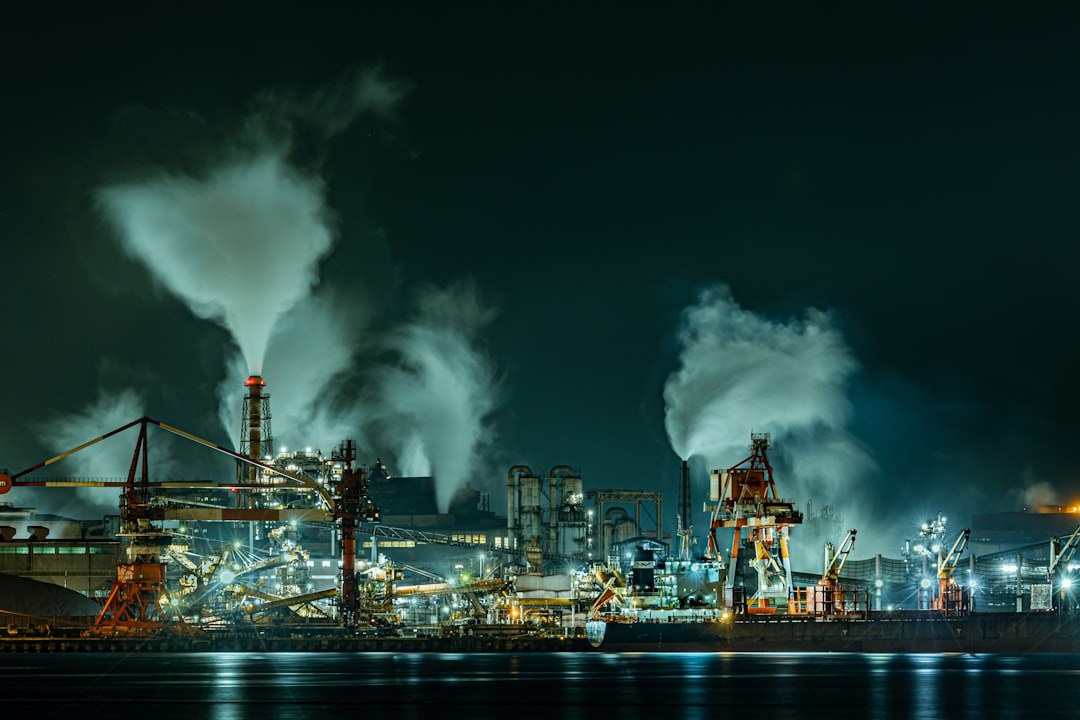
The Industrial Revolution, a period of unprecedented technological advancement and societal change that began in Great Britain in the late 18th century, served as a powerful engine for the expansion of empires. Its innovations provided the tools, the motivation, and the sheer capacity for nations to project power and consolidate control over vast territories. Understanding this symbiotic relationship is crucial to grasping the redrawn geopolitical map of the world during the 19th and early 20th centuries. The clamor of the factory, the hiss of the steam engine, and the clang of the hammer not only forged new goods but also forged new empires, reshaping continents and the lives of billions.
The Industrial Revolution was not a single event, but rather a cascade of interconnected innovations that fundamentally altered production, transportation, and communication. These changes created a surplus of goods, a demand for raw materials, and the means to acquire both, setting the stage for ambitious imperial ventures.
Mechanization and Mass Production
The introduction of new machinery, such as the spinning jenny, the power loom, and the steam engine, revolutionized textile production. This mechanization led to an exponential increase in the output of manufactured goods. Instead of artisanal workshops, vast factories emerged, transforming the landscape and the nature of labor. This surplus generation was the first crucial step; it meant that nations could produce more than they needed for their domestic consumption. This surplus became the currency of empire, eager to be exchanged for resources or sold in new markets.
- The Steam Engine’s Unrelenting Piston: Perhaps the most iconic symbol of the Industrial Revolution, the steam engine, powered not only factories but also ships and locomotives. Its relentless piston strokes drove the machinery of progress and, by extension, the expansionist ambitions of industrializing nations.
- New Technologies, New Demands: The advancements in metallurgy and engineering allowed for the creation of more sophisticated machinery and infrastructure. This, in turn, increased the demand for raw materials like iron ore, coal, and later, cotton, rubber, and tin. The global hunt for these essential components would become a defining characteristic of the imperial age.
The Transportation Revolution: Shrinking the World
The innovations in transportation were as pivotal as those in manufacturing. They enabled the efficient movement of raw materials to factories and finished goods to markets, both domestically and, crucially, across vast oceans. This shrinking of the world made distant lands seem much closer and far more accessible.
- Steamships and the Conquest of Distance: The development of steam-powered ships drastically reduced travel times across oceans. They were no longer at the mercy of fickle winds, allowing for more predictable and frequent voyages. This facilitated the movement of troops, administrators, and trade goods, essential for maintaining and expanding imperial holdings. Imagine the vastness of the oceans as a challenge, and the steamship as the key unlocking its secrets, allowing empires to project their reach with unprecedented speed.
- Railways: The Arteries of Empire: The railway network, fueled by steam locomotives, brought the interior of continents within reach. It allowed for the rapid deployment of military forces to quell dissent, the swift transport of resources from mines and plantations, and the consolidation of administrative control. Railways became the literal arteries of empire, pumping lifeblood into distant territories and connecting them to the imperial heartland.
Communication Innovations: Binding the Empire Together
The ability to communicate quickly and reliably across vast distances was another critical enabler of imperial expansion. It allowed for centralized control, efficient administration, and rapid response to events.
- The Telegraph: The Dawn of Instantaneous Information: The invention of the electric telegraph in the mid-19th century allowed for near-instantaneous communication across continents and oceans. This ability to transmit messages rapidly revolutionized governance, allowing colonial administrators to report to their capitals and receive instructions with unprecedented speed. The sheer speed of information flowing through telegraph wires was like a nervous system connecting the distant limbs of the empire to its central brain.
- The Submarine Telegraph Cable: The laying of submarine telegraph cables further extended this interconnectedness, linking continents and distant colonies. This facilitated real-time coordination of military operations, economic transactions, and administrative directives, further solidifying imperial power.
The Industrial Revolution had a profound impact on empires around the world, reshaping economies, societies, and global power dynamics. For a deeper understanding of how these changes influenced various empires, you can explore the article available at this link. This resource provides insights into the technological advancements and economic shifts that characterized the era, highlighting their lasting effects on imperial expansion and colonialism.
The Economic Imperative: Fueling the Imperial Machine
The Industrial Revolution created a new economic order, one characterized by industrial capitalism, the pursuit of profit, and a relentless drive for new markets and resources. This economic dynamism directly fueled imperial expansion as nations sought to secure their economic interests on a global scale.
The Quest for Raw Materials
The voracious appetite of industrial machinery for raw materials was a significant driver of imperial expansion. Factories consumed vast quantities of cotton, wool, timber, rubber, and minerals, which were not always available domestically.
- Colonial Hinterlands as Resource Depots: Colonies became indispensable suppliers of these vital raw materials. Vast tracts of land in Africa, Asia, and the Americas were transformed into plantations and mines to extract resources for the benefit of the industrializing powers. The land itself was viewed as a vast storehouse, and the empire as the means to access and secure that storehouse.
- The Case of Cotton: The textile industry’s demand for cotton, in particular, led to the expansion of cotton plantations in regions like British India and Egypt, often at the expense of local food production and traditional livelihoods.
The Search for New Markets
As industrial production soared, so did the need to find new markets to absorb the ever-increasing output of manufactured goods. Domestic markets, while significant, could not indefinitely absorb the surplus.
- Captive Markets and Economic Dominance: Colonies provided ready-made, often captive, markets for the manufactured goods of the imperial powers. Local industries within the colonies were often discouraged or suppressed to prevent competition, ensuring that the colonies remained primarily consumers of metropolitan products. The empire provided a protected shopping mall, where the goods of the mother country were the only game in town.
- Trade Imbalances and Exploitation: This created significant trade imbalances, with colonizing powers exporting finished goods and importing raw materials. This system was designed to benefit the imperial center, often at the economic detriment of the periphery.
Investment Opportunities and Capital Accumulation
The wealth generated by industrialization provided significant capital for investment. Imperial expansion offered lucrative opportunities for this capital to be deployed, generating further profits.
- Infrastructure Projects and Exploitation: Investments were made in infrastructure projects within colonies, such as railways and ports, which not only facilitated resource extraction and trade but also generated profits for the investors. These were not acts of selfless development, but rather strategic investments geared towards maximizing returns.
- The Flow of Capital: Financial institutions played a crucial role, facilitating the flow of capital from metropolitan centers to colonial ventures, further entrenching the economic links between the colonizer and the colonized.
The Military Edge: Enforcing Imperial Dominance
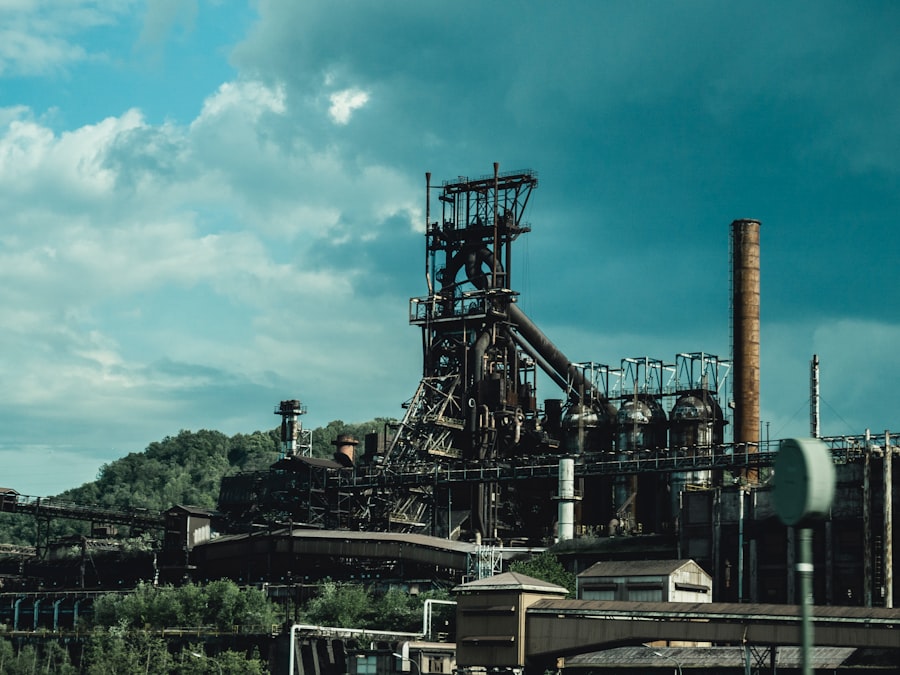
The technological advancements of the Industrial Revolution provided imperial powers with a decisive military advantage. Superior weaponry, transportation, and communication allowed them to conquer, control, and maintain vast empires with a relatively smaller number of soldiers.
Arms Race and Technological Superiority
The industrial workshops churned out not only consumer goods but also increasingly sophisticated and deadly weaponry. This technological edge was a crucial factor in colonial conquest.
- The Maxim Gun and the Ruin of Indigenous Resistance: Innovations like the Maxim gun, the first truly automatic machine gun, provided overwhelming firepower. This weapon, for instance, could decimate charging warriors, effectively making indigenous resistance futile against such a technological disparity. The speed and efficiency of modern weaponry made the vast labor force of empire primarily the reason for expansion, rather than the means of defense against equal forces.
- Naval Power and Global Reach: The development of ironclad warships, steam-powered dreadnoughts, and the wider adoption of advanced naval artillery gave imperial powers unprecedented naval supremacy. This allowed them to project power across oceans, blockade enemy ports, and transport troops and supplies wherever needed. Control of the seas was the iron fist that allowed empires to grip the world.
The Role of the Modern Military Machine
The industrial age transformed the organization and operation of armies. They became more professional, more standardized, and more capable of rapid deployment.
- Logistics and Sustained Campaigns: Industrial advancements in logistics, including the ability to mass-produce uniforms, rations, and weaponry, enabled armies to conduct sustained campaigns far from their home bases. The efficient movement of supplies was as crucial as the deployment of troops.
- Standardized Training and Discipline: The industrial model of standardized production was applied to military training, leading to more disciplined and effective fighting forces. Soldiers were no longer just hearty individuals, but cogs in a larger, more efficient war machine.
Suppression of Dissent and Maintenance of Order
Once territories were conquered, the industrial military remained essential for maintaining control and suppressing any nascent rebellions.
- Rapid Response and Deterrence: The ability to rapidly deploy troops and superior firepower acted as a powerful deterrent to dissent. Any uprising could be met with overwhelming force, often before it could gain significant momentum.
- The Iron Fist in a Velvet Glove (Often Not So Velvet): While propaganda often spoke of bringing civilization and order, the reality on the ground frequently involved the brutal suppression of local populations who resisted imperial rule, with the tools and tactics refined by industrialization.
Ideological Justifications: The Justification for Expansion
While economic and military factors were primary drivers, ideological justifications played a significant role in shaping public opinion and garnering support for imperial expansion. The Industrial Revolution’s perceived superiority of Western civilization provided fertile ground for these rationalizations.
The “Civilizing Mission” and Social Darwinism
A prominent justification was the notion of a “civilizing mission,” where European powers believed they had a moral duty to bring their advanced culture, religion, and governance to what they deemed “less developed” societies.
- The White Man’s Burden: Popularized by figures like Rudyard Kipling, the “White Man’s Burden” articulated the idea that European nations, having achieved industrial and cultural superiority, were obligated to uplift and govern other peoples. This was a paternalistic and often deeply racist ideology that masked economic exploitation and political subjugation.
- Social Darwinism and Imperialism: The misapplication of Charles Darwin’s theories of natural selection to human societies, known as Social Darwinism, provided a pseudoscientific basis for racial hierarchy and imperial dominance. It suggested that the industrial powers were simply the fittest, destined to rule over weaker races.
The Spread of Christianity and Western Values
The expansion of missionary activities often accompanied imperial ventures. Missionaries sought to convert indigenous populations to Christianity and introduce Western customs and values.
- Religion as an Imperial Tool: In many cases, missionary work served to soften the ground for imperial conquest, undermining traditional social structures and fostering a sense of dependence on the colonizers.
- Cultural Homogenization: The spread of Western education and values aimed to assimilate colonial populations into the imperial culture, often leading to the erosion of indigenous languages, traditions, and identities.
Nationalism and Imperial Prestige
The Industrial Revolution also fueled a surge in nationalism in Europe. The acquisition of colonies became a symbol of national power and prestige.
- The Scramble for Africa and Asia: The late 19th century witnessed a fierce competition among European powers to claim vast territories, particularly in Africa and Asia, often referred to as the “Scramble.” This was driven by a desire to keep up with rivals and enhance national grandeur.
- Imperial Glory as a National Goal: The idea of empire became intertwined with national pride and identity. A large and prosperous empire was seen as a mark of a great nation, and industrial prowess was the engine that could build and sustain such an empire.
The Industrial Revolution significantly transformed empires around the world, reshaping economies and altering social structures. As industries flourished, nations expanded their reach, leading to increased colonization and exploitation of resources in various regions. For a deeper understanding of how these changes influenced imperial dynamics, you can explore this insightful article on the topic. It provides a comprehensive overview of the relationship between industrial advancements and imperial expansion, highlighting key historical events and their lasting effects. You can read more about it here.
The Legacy and Lasting Impact
| Aspect | Impact on Empire | Metric / Data | Time Period |
|---|---|---|---|
| Economic Growth | Expansion of industrial output and wealth accumulation in imperial powers | UK industrial output increased by 300% between 1760-1840 | 1760-1840 |
| Colonial Resource Extraction | Increased demand for raw materials from colonies to fuel factories | Coal and iron ore imports to Britain rose by 150% by 1850 | 1800-1850 |
| Transportation | Improved infrastructure facilitated control and resource movement within empires | Railway networks in British India expanded from 0 km in 1850 to 40,000 km by 1900 | 1850-1900 |
| Labor and Migration | Shift from agrarian to industrial labor; migration within empire for work | Urban population in Britain grew from 20% to 60% between 1800-1900 | 1800-1900 |
| Military Power | Industrial advances increased military technology and empire expansion | British naval tonnage increased by 50% from 1850 to 1900 | 1850-1900 |
| Social Impact | Rise of middle class and changes in social structure within imperial countries | Middle class population in Britain grew from 10% to 30% during 19th century | 1800-1900 |
The expansion of empires driven by the Industrial Revolution fundamentally reshaped the global political, economic, and social landscape. Its consequences continue to reverberate today.
The Creation of a Globalized Economy
The imperial system facilitated the creation of a truly global economy, with interconnected markets, intricate trade routes, and the movement of capital across continents.
- Interdependence and Exploitation: While this led to a degree of interconnectedness, it was largely an interdependence built on unequal power dynamics, with the industrialized core extracting resources and labor from the periphery.
- The Roots of Modern Inequality: The economic structures established during the imperial era contributed significantly to the persistent global inequalities that characterize the world today. The flow of wealth was largely unidirectional, from the colonized to the colonizer.
The Redrawing of National Borders and the Seeds of Conflict
Imperial powers arbitrarily drew borders, often disregarding existing ethnic, linguistic, and cultural boundaries. This legacy has led to numerous post-colonial conflicts and ongoing instability in many regions.
- Artificial States and Enduring Grievances: The imposition of colonial boundaries often created artificial states, uniting disparate groups or dividing existing ones, sowing the seeds for future ethnic tensions and political unrest.
- The Long Shadow of Colonialism: The impact of imperial rule, including its economic exploitation and social disruption, continues to shape the development trajectories of many former colonies.
Cultural Exchange and Cultural Imperialism
While often characterized by coercion and subjugation, imperial expansion also led to unprecedented levels of cultural exchange. However, this exchange was rarely on equal footing.
- The Diffusion of Western Culture: Western languages, customs, legal systems, and technologies spread globally, often at the expense of indigenous cultures.
- Resistance and Hybridity: In response to cultural imposition, many societies developed forms of resistance and cultural hybridity, blending elements of indigenous and imposed cultures in novel ways. The narrative of empire is not just one of imposition, but also of the resilient adaptation and reinterpretation by those on the receiving end.
The Industrial Revolution was a monumental force, a veritable tempest that swept across the globe. Its impact on empire expansion was not merely incidental; it was foundational. The gears of industry turned, and with them, the wheels of empire turned faster and further than ever before, leaving an indelible mark on the tapestry of human history. From the roar of the furnace to the distant cry of the colonized, the story of empire in the age of industry is a complex and enduring testament to the transformative, and often devastating, power of human innovation when coupled with the relentless pursuit of power and profit.
FAQs
What was the Industrial Revolution?
The Industrial Revolution was a period of major industrialization and technological innovation that began in the late 18th century and continued into the 19th century. It marked a shift from agrarian economies to industrialized and urban ones, characterized by the development of machinery, factories, and new manufacturing processes.
How did the Industrial Revolution impact European empires?
The Industrial Revolution significantly strengthened European empires by increasing their production capabilities, improving transportation and communication, and providing advanced military technology. This allowed imperial powers to expand their territories, control resources, and dominate global trade more effectively.
In what ways did the Industrial Revolution affect colonized regions?
Colonized regions were often exploited for raw materials needed by industrialized nations. The Industrial Revolution led to increased extraction of resources, changes in local economies, and the introduction of new infrastructure such as railways and telegraphs. However, it also disrupted traditional societies and economies, sometimes leading to social and environmental challenges.
Did the Industrial Revolution contribute to the expansion of empires?
Yes, the Industrial Revolution contributed to the expansion of empires by providing the technological means and economic incentives for imperial powers to acquire and control more territories. Industrialized nations sought new markets for their goods and sources of raw materials, which fueled imperial competition and colonization.
What role did technological advancements during the Industrial Revolution play in empire building?
Technological advancements such as steam engines, railways, telegraphs, and improved weaponry played a crucial role in empire building. They enhanced transportation and communication across vast distances, allowed for faster mobilization of troops, and improved resource extraction and administration in colonies, thereby consolidating imperial control.