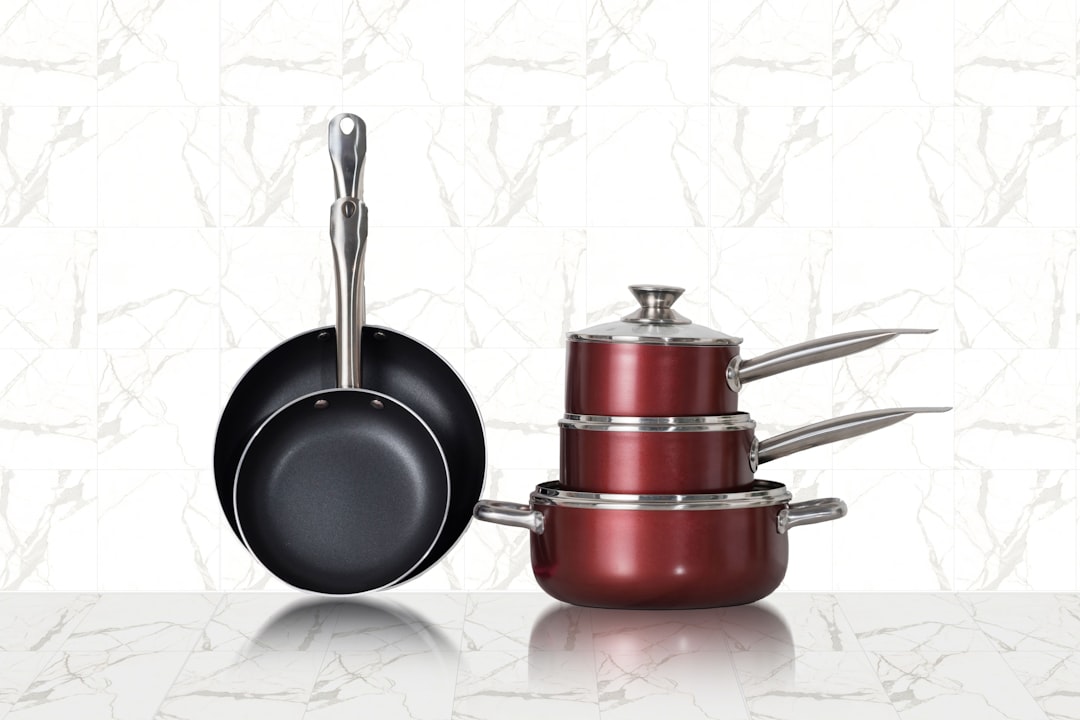
The culinary landscape has been significantly altered by the advent of non-stick cookware. Historically, kitchen tasks involving adhesion were laborious, demanding constant attention to prevent food from clinging to surfaces. Non-stick technology, primarily through the application of fluoropolymer coatings, has revolutionized this aspect of food preparation. This article explores the multifaceted benefits of non-stick cookware, delving into its practical advantages, health implications, and economic considerations.
The genesis of non-stick cookware is rooted in the discovery of polytetrafluoroethylene (PTFE) by Roy J. Plunkett at DuPont in 1938. Initially, PTFE’s commercial applications were primarily industrial, due to its exceptional chemical inertness and low friction coefficient. However, its potential for domestic use was recognized in the 1950s when French engineer Marc Grégoire developed a method to bond PTFE to aluminum cookware. This innovation led to the launch of the “Tefal” brand, marking the mass consumer introduction of non-stick pans.
Early Challenges and Advancements
The initial non-stick coatings faced challenges regarding durability and adhesion. Early formulations were prone to scratching and flaking, leading to concerns about the ingestion of coating particles. Subsequent research and development focused on improving the bond between the coating and the base material, as well as enhancing the coating’s resistance to abrasion and high temperatures.
Modern Non-Stick Materials
Beyond PTFE, the non-stick market has expanded to include other materials and technologies. Ceramic-based coatings, often marketed as “green” alternatives, utilize silicon dioxide (silica) derived from sand. These coatings are celebrated for their high heat resistance and hard, smooth surfaces. Anodized aluminum, while not strictly a non-stick coating, offers a hardened surface that is less prone to sticking than untreated aluminum, providing a degree of non-stick functionality. Silicone, known for its flexibility and heat resistance, also finds application in bakeware and specialized cooking tools. Each material presents a unique set of properties, catering to different culinary preferences and requirements.
If you’re interested in learning more about the benefits and potential drawbacks of non-stick cookware, you might find this related article insightful. It delves into various aspects of non-stick surfaces, including their safety, maintenance tips, and alternatives. For more information, you can read the article here: Non-stick Cookware Insights.
Effortless Food Release and Cleaning Convenience
One of the most compelling advantages of non-stick cookware is its unparalleled food release capability. This characteristic fundamentally alters the cooking experience, transforming what were once arduous tasks into simple, enjoyable processes.
Minimizing Adhesion and Preventing Sticking
Before non-stick surfaces, chefs and home cooks alike contended with the persistent issue of food adhering to pan bottoms. This often resulted in scorched food, wasted ingredients, and a frustrating cleanup process. Consider, for example, the preparation of delicate foods like eggs, fish, or pancakes. On conventional surfaces, these items would frequently tear or stick, necessitating a generous amount of oil or butter to mitigate adhesion. With non-stick cookware, such issues are largely eliminated. The low surface energy of the coating prevents a strong bond from forming between the food and the pan, allowing food to slide off with minimal effort. This attribute is particularly beneficial for novice cooks, reducing the learning curve often associated with mastering precise cooking techniques.
Simplified Cleanup Procedures
The ease of food release directly translates into a simplified cleaning regimen. Imagine the laborious scraping and soaking required to remove caramelized sugars or baked-on residues from a stainless steel pan. Non-stick surfaces, conversely, typically require only a quick wipe with a soft sponge and warm soapy water. This reduction in cleaning effort is a significant time-saver, particularly for individuals with busy lifestyles. The absence of stubbornly stuck-on food means less scrubbing, less abrasive cleaners, and a longer lifespan for dishwashing sponges. For those who prioritize efficiency in the kitchen, the convenience of non-stick cleanup is an invaluable benefit.
Reduced Need for Abrasive Cleaning Tools
The inherent non-stick properties negate the need for harsh scrubbing pads, steel wool, or vigorous abrasive cleaning agents. These tools, while effective on conventional surfaces, can damage the delicate coatings of non-stick pans, leading to premature wear and loss of non-stick functionality. By requiring only gentle cleaning, non-stick cookware promotes its own longevity, illustrating a symbiotic relationship between material properties and maintenance practices. The metaphorical image of food gracefully exiting the pan, leaving behind a clean canvas, aptly describes this effortless interaction.
Health and Dietary Advantages
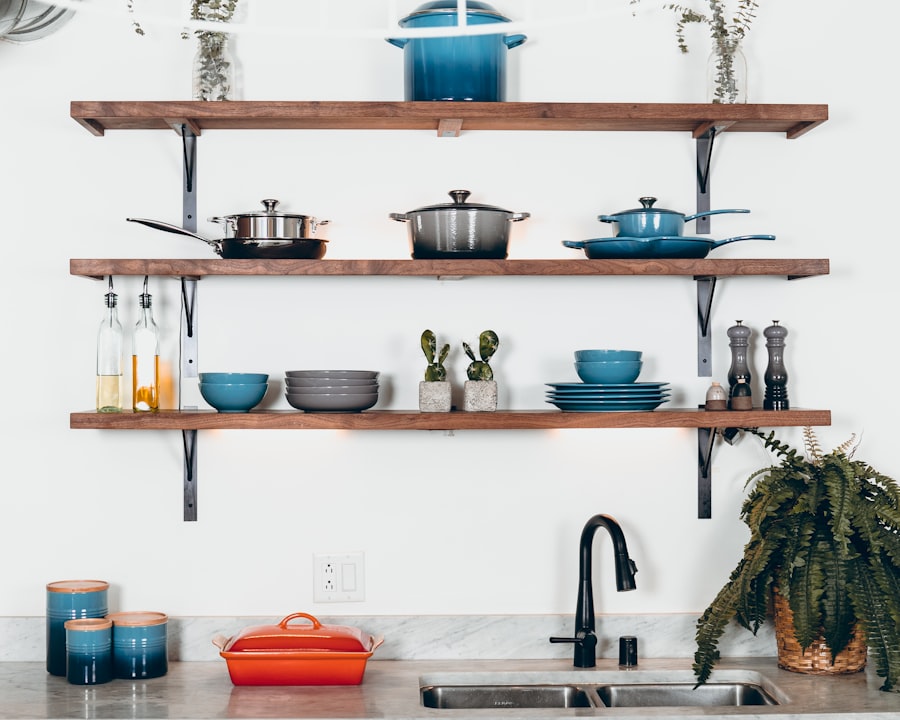
Beyond the practicalities of cooking and cleaning, non-stick cookware offers discernible health and dietary benefits, primarily through the reduction of fat consumption.
Lower Fat Cooking
The foundational principle of non-stick cookware’s health advantage lies in its ability to facilitate cooking with minimal or, in some cases, no added fat. Traditional cooking methods often necessitate significant amounts of oil or butter to prevent food from sticking. While these fats contribute to flavor, they also add calories and, depending on the type and quantity, can impact health. For individuals aiming to reduce their caloric intake, manage cholesterol levels, or simply embrace a healthier diet, non-stick cookware becomes an indispensable tool. A perfectly fried egg, for instance, can be prepared with a mere whisper of oil, or even dry-fried, on a high-quality non-stick pan, without fear of adhesion. This allows for a more controlled approach to dietary fat, enabling consumers to enjoy their meals without excessive indulgence.
Preserving Nutrient Content
Excessive heating and the repeated addition of oils during cooking can sometimes degrade sensitive nutrients in food. By requiring less fat and often allowing for quicker cooking times due to efficient heat transfer, non-stick cookware can contribute to better nutrient preservation. For example, sautéing vegetables briefly on a non-stick surface, without excessive oil, can help retain their vibrant colors, textures, and water-soluble vitamins. The metaphorical “guardian” of nutrients, the non-stick surface protects the delicate integrity of ingredients.
Reduced Risk of Food Contamination
While a less direct benefit, the ease of cleaning non-stick surfaces can contribute to better kitchen hygiene. When food residue is easily removed, the likelihood of lingering bacterial growth is diminished. This contrasts with heavily soiled conventional pans, which, if not meticulously cleaned, can harbor pathogens. The effortless cleanup of non-stick pans encourages more frequent and thorough cleaning, thereby contributing to a safer food preparation environment.
Economic and Environmental Implications
The adoption of non-stick cookware also carries noteworthy economic and environmental implications, primarily related to energy consumption, food waste, and product lifespan.
Energy Efficiency in Cooking
The superior heat conductivity of many non-stick pans, particularly those with aluminum or copper cores, contributes to energy efficiency. These materials distribute heat rapidly and evenly across the cooking surface, reducing the time required to reach desired temperatures and maintain them. This means less energy is expended during the cooking process, leading to lower utility bills over time. In an era of increasing awareness regarding energy conservation, the efficient thermal properties of non-stick cookware represent an environmentally conscious choice. The pan acts as a more efficient conduit, a “heat highway” rather than a winding, inefficient path.
Reduced Food Waste
The impeccable food release capability of non-stick surfaces significantly reduces food waste. When food adheres to a pan, portions are often left behind, scraped off with difficulty, or even discarded due to scorching. Non-stick cookware ensures that virtually all prepared food can be easily transferred from the pan to the plate. This is particularly relevant for expensive ingredients or meticulously prepared components of a meal, where every morsel counts. By minimizing lost food, non-stick pans contribute to household economies and a broader reduction in food waste, which has substantial environmental benefits.
Longevity and Replacement Cycles
The durability of non-stick coatings has been a subject of ongoing development. While early coatings were notoriously fragile, modern advancements have significantly improved their resilience against scratches and abrasion. Proper care, including using appropriate utensils (silicone or wooden) and avoiding extreme temperature fluctuations, can significantly extend the lifespan of non-stick cookware. A well-maintained non-stick pan can serve for several years, deferring the need for frequent replacements. This extended lifespan reduces the consumption of raw materials and the energy associated with manufacturing new products, thereby lessening the environmental footprint of kitchenware over time. The pan, when treated as a valued tool, becomes a long-term partner in the kitchen, not a disposable item.
Non-stick cookware has become a staple in many kitchens due to its convenience and ease of use, but it’s important to understand the materials used in these products. For those interested in learning more about the safety and longevity of non-stick surfaces, a related article can provide valuable insights. You can explore this topic further in the article found here, which discusses the benefits and potential concerns associated with non-stick cookware.
User Experience and Culinary Versatility
| Metric | Description | Typical Value | Unit |
|---|---|---|---|
| Coating Type | Material used for non-stick surface | PTFE (Teflon), Ceramic, Anodized Aluminum | – |
| Maximum Safe Temperature | Highest temperature before coating degradation | 260 | °C |
| Typical Lifespan | Average duration of effective non-stick performance | 1-5 | Years |
| Weight | Average weight of a 10-inch skillet | 1.2-2.5 | kg |
| Heat Conductivity | Ability to conduct heat efficiently | 150-250 | W/m·K |
| Scratch Resistance | Resistance to surface scratches | Moderate to High | Qualitative |
| Cleaning Ease | Effort required to clean after cooking | High | Qualitative |
| Health Safety | Risk of toxic fumes or chemicals | Low if used below max temp | Qualitative |
The benefits of non-stick cookware extend to the overall user experience, fostering greater confidence and expanding culinary possibilities for amateur and professional cooks alike.
Enhanced Confidence in Cooking
For many home cooks, the fear of food sticking can be a significant psychological barrier to attempting certain dishes or developing new skills. Non-stick cookware acts as a safety net, instilling confidence by minimizing the risk of culinary mishaps. This empowers individuals to experiment with delicate recipes, try new techniques, and generally enjoy the cooking process more. The ability to flip pancakes perfectly, sear fish without it adhering, or scramble eggs without a mess transforms the kitchen from a potential battleground into a creative sanctuary. The non-stick surface becomes a silent mentor, guiding the cook toward successful culinary outcomes.
Versatility in Culinary Applications
The inherent properties of non-stick cookware make it suitable for a wide array of cooking styles and dishes. From light sautéing and frying to deglazing and even baking (in oven-safe models), its versatility is a cornerstone of its appeal. Delicate omelets, crispy quesadillas, pan-fried dumplings, and beautifully seared vegetables all benefit from the non-stick surface. This broad applicability reduces the need for multiple specialized pans, thus saving space in the kitchen and streamlining the cooking arsenal. The non-stick pan acts as a culinary chameleon, adapting seamlessly to diverse cooking tasks.
Improved Food Presentation
The effortless release of food from non-stick surfaces contributes to superior food presentation. Perfectly intact pancakes, unbroken fish fillets, and smoothly transferred omelets retain their aesthetic appeal, making the final dish more appetizing. In the culinary world, presentation is often as important as taste. Non-stick cookware facilitates this by ensuring that food maintains its intended form and texture during the cooking and transfer processes, allowing for a more visually appealing meal.
In conclusion, non-stick cookware has established itself as an indispensable tool in modern kitchens, offering a confluence of practical, health, economic, and experiential benefits. Its ability to facilitate effortless food release and cleaning, coupled with its potential for healthier cooking and contribution to reduced waste, underscores its significant value. While advancements in material science continue to refine its properties, the fundamental advantages of non-stick technology remain a testament to its transformative impact on the art and science of cooking.
FAQs
What is non-stick cookware?
Non-stick cookware refers to pots and pans coated with a material that prevents food from sticking to the surface during cooking. Common coatings include polytetrafluoroethylene (PTFE), often known by the brand name Teflon, and ceramic-based coatings.
How do I properly care for non-stick cookware?
To maintain non-stick cookware, use wooden, silicone, or plastic utensils to avoid scratching the surface. Avoid high heat settings, as excessive heat can damage the coating. Hand washing with mild detergent and a soft sponge is recommended over using abrasive cleaners or dishwasher cycles.
Are non-stick coatings safe to use?
When used according to manufacturer instructions, non-stick coatings like PTFE are generally considered safe. However, overheating non-stick pans above 500°F (260°C) can release fumes that may cause temporary flu-like symptoms in humans and can be harmful to pet birds.
Can non-stick cookware be used with metal utensils?
It is not recommended to use metal utensils on non-stick cookware because they can scratch and damage the coating, reducing its effectiveness and lifespan. Instead, use utensils made of wood, silicone, or plastic.
How long does non-stick cookware typically last?
The lifespan of non-stick cookware varies depending on the quality of the coating and how well it is maintained. Generally, non-stick pans last between 3 to 5 years before the coating begins to degrade and lose its effectiveness.