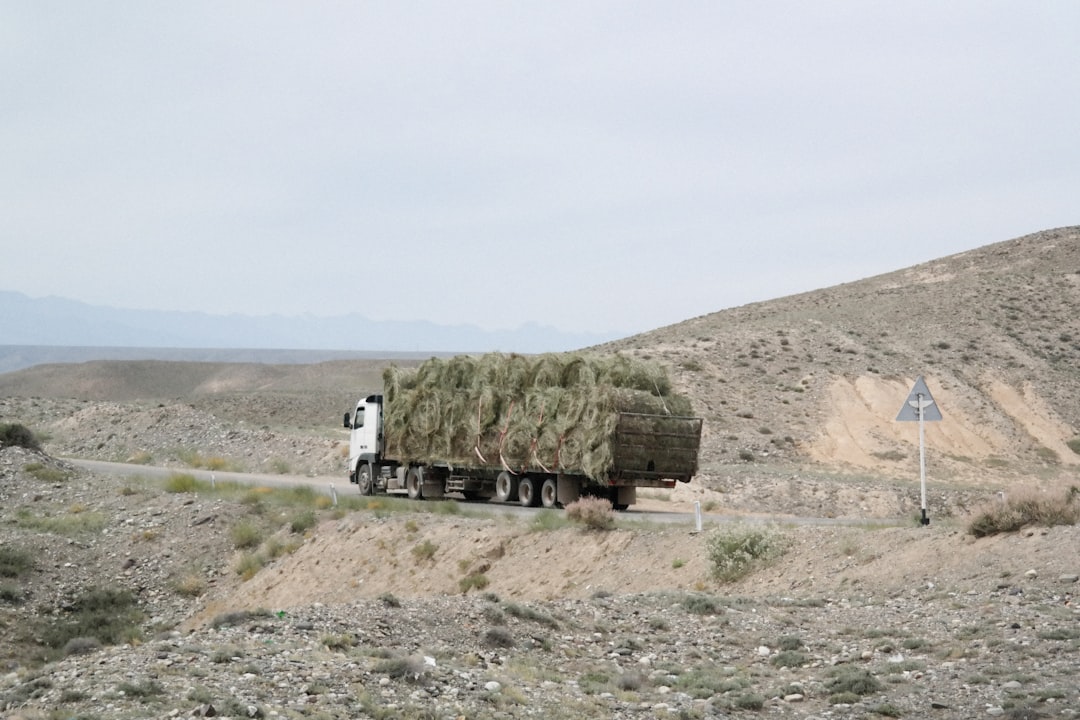
The efficient transport of organic nutrients is a cornerstone of sustainable agriculture. Without a robust and streamlined system, even the most fertile soil can become depleted, and valuable resources can be lost to the environment. This article delves into the multifaceted aspects of organic nutrient transport within farming operations, exploring the science, technology, and best practices that enable farms to function as effective nutrient cycling ecosystems.
Organic nutrients, derived from living organisms or their decomposition, are the lifeblood of agricultural productivity. They are an intricate network of elements like nitrogen, phosphorus, potassium, and micronutrients, moving through soil, plants, and even the atmosphere. Understanding this flow is paramount to designing efficient transport systems.
The Nutrient Cycle: A Farm’s Internal Economy
Think of a farm as a closed-loop economy, where resources are meant to be recycled and reused. Organic nutrient transport is the internal logistics network of this economy. Nutrients are consumed by crops, returned to the soil through crop residues and animal manure, and then made available for the next cycle of growth. Any break in this chain, any inefficiency in moving nutrients from where they are produced to where they are needed, leads to economic and environmental losses. For instance, misplaced nutrients are like money lost under the couch – inaccessible and wasted.
Sources of Organic Nutrients
Farms generate organic nutrients from a variety of sources. Crop residues, the remnants of harvested crops left in the field, are a significant source of carbon and other essential elements. Animal manure, a by-product of livestock operations, is a nutrient-rich material that can significantly boost soil fertility. Cover crops, planted between cash crop cycles, not only suppress weeds and prevent erosion but also add organic matter and nutrients when incorporated into the soil. Even compost, created from a mix of organic waste, serves as a concentrated source of readily available nutrients.
The Role of Soil Microbes
It is crucial to recognize that the transformation of organic matter into plant-available nutrients is largely orchestrated by soil microorganisms. Bacteria, fungi, and other microscopic life forms act as miniature recyclers, breaking down complex organic compounds into simpler forms that plant roots can absorb. Efficient nutrient transport systems must therefore not only focus on the physical movement of materials but also on fostering a healthy soil microbial community that can effectively mineralize and unlock the nutrient potential of organic matter. A poorly managed soil is like a warehouse with a broken conveyor belt; the goods are there, but they can’t reach their destination.
In exploring the complexities of agricultural sustainability, the article titled “The Logistics of Moving Manure and Organic Nutrients to Farms” delves into the challenges and strategies involved in transporting these essential resources efficiently. For further insights on related topics, you can check out this informative piece on sustainable farming practices at Hey Did You Know This. This resource provides valuable information on how effective logistics can enhance nutrient management and support eco-friendly farming initiatives.
Enhancing Nutrient Mobilization and Transfer
Once organic nutrients are present, mobilizing and transferring them to the root zone of crops is the next critical step. This involves strategies that make nutrients accessible and available for plant uptake.
Composting and Humification: Creating Nutrient Concentrates
Composting is a controlled process that accelerates the decomposition of organic materials, transforming them into a stable, nutrient-rich material known as compost. This process not only concentrates nutrients but also makes them more readily available for plant uptake. Humification, a related process, involves the formation of humus, a dark, amorphous organic substance that is resistant to further decomposition. Humus acts as a nutrient reservoir, slowly releasing nutrients over time and improving soil structure. Efficiently managing the composting process, from feedstock selection to turning and aeration, is key to producing high-quality compost that can effectively feed crops.
Cover Cropping Strategies for Nutrient Cycling
Cover crops play a dual role in nutrient management. Leguminous cover crops, such as clover and vetch, fix atmospheric nitrogen, adding a valuable nutrient directly to the soil. Non-leguminous cover crops contribute carbon and other minerals. When incorporated back into the soil through tillage or killed by other means, cover crops release their accumulated nutrients, providing a “green manure” effect. The timing of cover crop termination and incorporation is crucial for maximizing nutrient availability to the subsequent cash crop. This is akin to planting a nutrient-rich seed that germinates when the main crop is ready to harvest.
Biofertilizers and Microbial Inoculants: The Microbial Boost
Biofertilizers are preparations containing living microorganisms that, when applied to seeds, plant surfaces, or soil, colonize the rhizosphere or the interior of the plant and promote growth by increasing the supply or availability of primary nutrients to the host plant. Examples include nitrogen-fixing bacteria (e.g., Rhizobium) and phosphate-solubilizing microbes. These biological agents can significantly enhance the efficiency of nutrient uptake, acting as micro-managers of the soil’s nutrient distribution system. They are the highly specialized logistics partners that ensure nutrients reach their intended recipients.
Mulching for Nutrient Retention and Slow Release
Organic mulches, such as straw, wood chips, or compost, not only suppress weeds and conserve soil moisture but also contribute to nutrient cycling. As the mulch decomposes, it releases nutrients into the soil, providing a slow and steady supply for plant growth. The effectiveness of mulching depends on the type of material used and the rate of decomposition, which is influenced by soil temperature, moisture, and microbial activity. This is like creating a protective blanket that gradually feeds the soil beneath it.
Physical Transport Mechanisms and Equipment
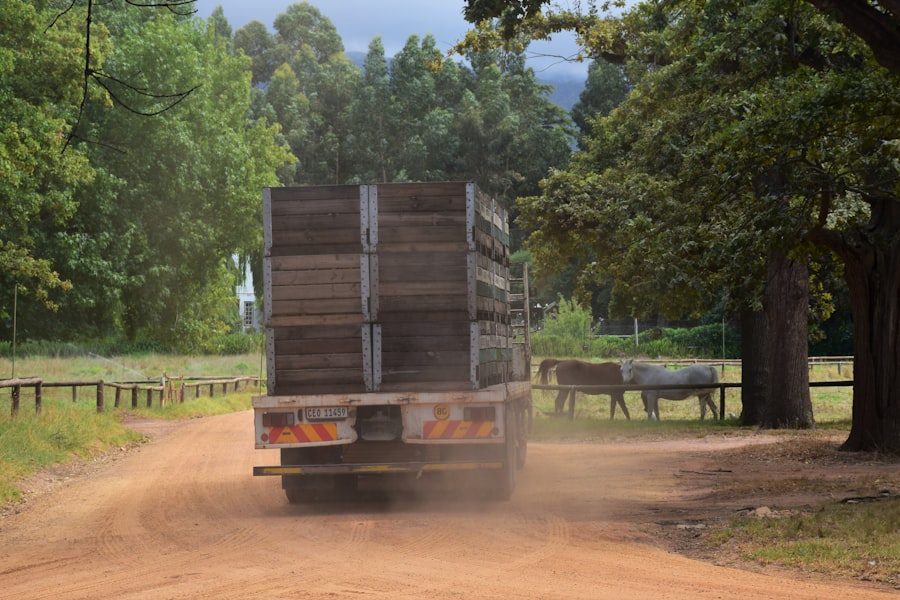
The practical implementation of organic nutrient transport relies heavily on efficient physical moving of materials and the appropriate use of equipment.
Manure Management Systems: From Barn to Field
Moving animal manure from livestock facilities to fields requires careful planning and specialized equipment. Options range from simple wheelbarrows and trailers for smaller operations to large-scale spreader trucks and injection systems for commercial farms. The form of manure – solid, liquid, or slurry – dictates the type of equipment best suited for its transport and application. Efficient manure management aims to minimize nutrient losses due to volatilization (e.g., ammonia) or leaching during storage and transport.
Scraper Systems and Flush Systems
Within barns, scraper systems automatically collect manure and move it to a storage area, while flush systems use water or recycled liquid manure to wash manure out of confinement buildings. These systems are designed to remove manure efficiently from the immediate vicinity of livestock, reducing odor and improving animal health while also channeling the nutrient-rich material for later use.
Storage Solutions: Lagoons, Pits, and Solid Storage
Proper manure storage is critical to prevent environmental pollution and nutrient loss. Lagoons, which are earthen or synthetic basins, are common for liquid manure. Solid storage involves compacted earth or concrete pads for solid manure. The choice of storage depends on manure consistency, farm size, and local environmental regulations. Effective storage acts as a buffering system, holding nutrients until they can be applied at the optimal time.
Spreading and Injection Technologies
The application of manure to fields is a crucial step. Spreaders, whether towed or self-propelled, distribute solid or semi-solid manure. Liquid manure spreaders can be equipped with splash plates or injectors. Injection systems, which physically place manure beneath the soil surface, are highly effective at reducing ammonia volatilization and odor, ensuring that more of the valuable nitrogen reaches the soil. This is the final mile delivery for the nutrient payload.
Equipment for Crop Residue Management
Crop residues, such as stalks and straw, can be a valuable source of organic matter and nutrients. However, their efficient movement and incorporation are essential. Equipment like balers can collect surplus residues for off-site use or for composting. Chisel plows, disc harrows, and rotary tillers are used to incorporate residues into the soil, where they can decompose and release nutrients.
Balers and Storing Residues
For operations that generate significant amounts of crop residue, baling it can be an efficient way to manage it. Bales can be stored and later used for animal bedding, composting feedstock, or even as a fuel source in some biomass power plants. Proper storage prevents degradation and ensures the material remains a valuable resource.
Tillage and Incorporation Tools
The mechanical action of tillage equipment breaks down crop residues and mixes them into the topsoil. The depth and intensity of tillage influence the rate of decomposition and nutrient release. No-till or reduced-till systems, while conserving soil and reducing erosion, require careful consideration of how crop residues will be managed to avoid nutrient immobilization or the buildup of disease.
Biomass Transport and Handling
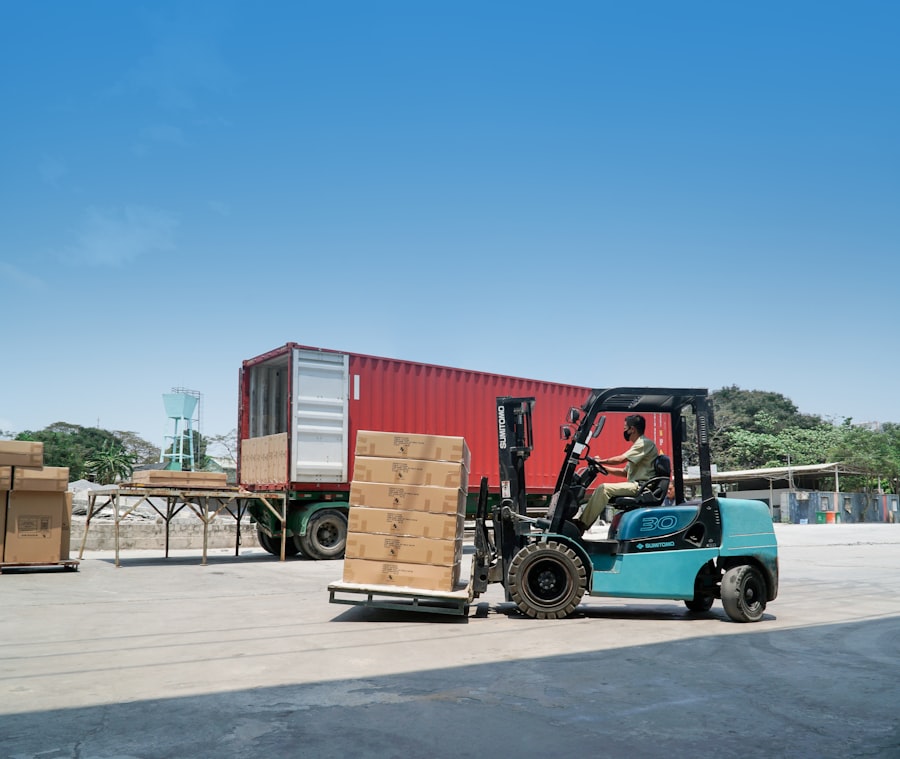
The transport of larger volumes of organic matter, such as dedicated energy crops or large-scale compost operations, requires specialized transport solutions. This can include large-capacity trucks, conveyor systems, and specialized loaders designed for efficient loading and unloading of bulk organic materials.
Optimizing Application Timing and Placement
The success of organic nutrient transport hinges not only on moving nutrients but also on ensuring they are delivered at the right time and in the right place for maximum crop benefit and minimal environmental impact.
Soil Testing and Nutrient Auditing: Knowing Your Needs
Before any nutrient application, a thorough understanding of the soil’s existing nutrient status is essential. Regular soil testing provides data on the levels of essential nutrients, pH, and organic matter content. A nutrient audit, which tracks the input and output of nutrients on the farm, helps identify nutrient imbalances and potential losses. This information acts as a roadmap, guiding nutrient management decisions and preventing over or under-application.
Precision Agriculture and Variable Rate Application
Precision agriculture technologies, including GPS guidance, yield monitors, and soil mapping, allow for variable rate application of nutrients. This means that nutrients are applied only where and in the amounts needed, based on spatial variations in soil fertility and crop needs. This approach is particularly effective for organic fertilizers and amendments, ensuring that their valuable nutrients are utilized efficiently without waste. It’s like having a GPS for your fertilizer application, only sending it where it’s needed most.
Incorporating Nutrients at Critical Growth Stages
Understanding the nutrient requirements of crops at different stages of their growth cycle is crucial. Applying organic nutrients before or during periods of high demand ensures that plants have access to the resources they need for optimal development. For example, nitrogen-rich organic matter is most beneficial when applied before planting or during early vegetative growth.
Minimizing Nutrient Losses: Volatilization, Leaching, and Runoff
Inefficient nutrient transport and application can lead to significant losses to the environment. Volatilization occurs when nitrogen is lost as ammonia gas, especially from manure. Leaching happens when nutrients are dissolved in water and move down through the soil profile, potentially reaching groundwater. Runoff refers to the surface flow of water carrying nutrients into streams and lakes. Strategies to minimize these losses include timely incorporation of organic materials, using injection methods for manure, and employing buffer strips to intercept runoff.
The logistics of moving manure and organic nutrients to farms is a crucial aspect of sustainable agriculture, ensuring that crops receive the necessary nutrients while minimizing environmental impact. For those interested in exploring this topic further, a related article discusses innovative methods for optimizing nutrient transport and management practices. You can read more about these strategies in the article found here, which provides valuable insights into enhancing farm productivity through effective nutrient logistics.
Integrated Nutrient Management Systems
| Metric | Value | Unit | Notes |
|---|---|---|---|
| Average Distance Transported | 25 | kilometers | Distance from manure source to farm |
| Transport Vehicle Capacity | 10 | cubic meters | Typical manure slurry tanker size |
| Loading Time per Vehicle | 30 | minutes | Time to load manure onto transport vehicle |
| Unloading Time per Vehicle | 20 | minutes | Time to unload manure at farm |
| Average Nutrient Content (Nitrogen) | 4 | kg per cubic meter | Organic nitrogen content in manure |
| Average Nutrient Content (Phosphorus) | 1.5 | kg per cubic meter | Organic phosphorus content in manure |
| Fuel Consumption per Trip | 15 | liters | Diesel used for transport vehicle per trip |
| Manure Application Rate | 30 | cubic meters per hectare | Typical application rate on farm fields |
| Number of Trips per Week | 5 | trips | Average frequency of manure transport |
| Storage Capacity at Farm | 100 | cubic meters | Manure storage before application |
The most effective organic nutrient transport systems are those that are integrated into a holistic farm management plan, considering all sources of nutrients and their flows.
The Synergy of Crop and Livestock Integration
Farms that integrate crop and livestock production often have the most efficient nutrient cycling systems. Animal manure provides a valuable source of nutrients for crops, and crop residues can be used for animal feed or bedding. This symbiosis creates a closed-loop system where waste from one enterprise becomes a valuable input for another, reducing the need for external nutrient inputs and minimizing waste. This is the ultimate form of farm-to-farm shipping, where the “shipping” happens within the farm boundaries.
Compost as a Central Hub for Nutrient Recycling
Composting can act as a central hub for nutrient recycling on the farm. By collecting and processing crop residues, animal manure, and other organic wastes, farms can create a consistent source of enriched organic matter. This compost can then be systematically applied to fields, replenishing soil fertility and reducing reliance on synthetic fertilizers.
Holistic Farm Planning: The Blueprint for Efficiency
A holistic farm plan considers all aspects of the farm’s operation, including nutrient management, soil health, water conservation, and biodiversity. By integrating organic nutrient transport within this broader framework, farms can achieve greater efficiency, improve environmental sustainability, and enhance long-term profitability. This is about seeing the farm not just as a collection of fields and buildings, but as a living, breathing organism with interconnected systems.
Measuring Success: Key Performance Indicators
To assess the efficiency of organic nutrient transport, farms can track key performance indicators (KPIs). These might include the percentage of crop residue incorporated into the soil, the volume of manure recycled and applied, the reduction in reliance on off-farm nutrient inputs, and improvements in soil organic matter content. Regularly monitoring these KPIs allows for continuous improvement of nutrient management practices.
In conclusion, efficient organic nutrient transport is not merely a logistical challenge; it is a fundamental pillar of sustainable and productive agriculture. By understanding the intricate pathways of nutrient cycling, embracing advanced technologies, and adopting integrated management strategies, farmers can transform their operations into highly efficient nutrient recycling systems, ensuring both the long-term health of their land and the economic viability of their enterprises.
FAQs
What are the main challenges in transporting manure to farms?
The main challenges include managing the weight and volume of manure, preventing odor and leakage during transport, ensuring timely delivery to maintain nutrient quality, and complying with environmental regulations.
How is manure typically transported to agricultural fields?
Manure is commonly transported using specialized equipment such as tanker trucks, trailers, or spreaders designed to handle liquid or solid manure. In some cases, pipelines or slurry systems are used for farms located close to manure sources.
Why is it important to move organic nutrients like manure to farms?
Moving organic nutrients like manure to farms recycles valuable nutrients back into the soil, improves soil fertility, reduces the need for synthetic fertilizers, and supports sustainable agricultural practices.
What environmental considerations are involved in manure logistics?
Environmental considerations include preventing nutrient runoff into water bodies, minimizing greenhouse gas emissions during transport, avoiding soil contamination, and adhering to local regulations on manure application and storage.
How do farmers determine the appropriate amount of manure to apply to their fields?
Farmers typically conduct soil tests to assess nutrient levels and calculate the nutrient requirements of their crops. This information helps them apply the correct amount of manure to optimize crop growth while preventing nutrient overloading and environmental harm.