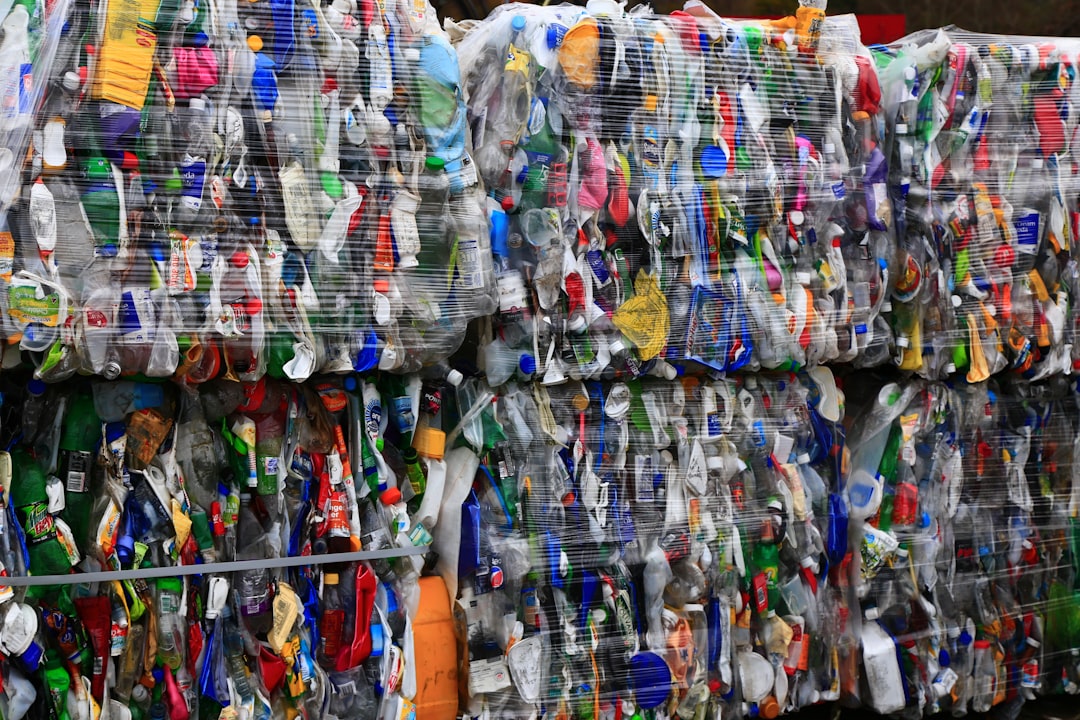
Plastic waste management has emerged as a critical issue in contemporary society, reflecting the growing awareness of the environmental challenges posed by plastic pollution. As the world continues to grapple with the consequences of excessive plastic production and consumption, effective management strategies have become essential. The sheer volume of plastic waste generated globally is staggering, with millions of tons ending up in landfills, oceans, and other ecosystems each year.
This situation necessitates a comprehensive approach that encompasses recycling, reduction, and innovative disposal methods to mitigate the adverse effects of plastic waste on the environment. The urgency of addressing plastic waste management is underscored by the increasing recognition of its impact on wildlife, human health, and climate change. As communities and governments strive to implement sustainable practices, the need for collaboration among various stakeholders—including individuals, corporations, and policymakers—has never been more apparent.
By fostering a collective commitment to responsible plastic use and disposal, society can work towards a future where plastic waste is minimized, and its harmful effects are significantly reduced.
Key Takeaways
- Plastic waste significantly harms the environment, necessitating effective management strategies.
- Innovative recycling technologies and biodegradable plastics offer promising solutions to reduce plastic pollution.
- Government policies and corporate responsibility are crucial in enforcing and promoting sustainable plastic waste practices.
- Community engagement and education play a vital role in encouraging proper plastic waste disposal and reduction.
- Successful case studies highlight the importance of collaboration among NGOs, governments, and businesses in managing plastic waste.
The Impact of Plastic Waste on the Environment
The environmental impact of plastic waste is profound and multifaceted. One of the most alarming consequences is the pollution of oceans and waterways, where millions of tons of plastic debris accumulate each year. Marine life is particularly vulnerable to this pollution; countless species ingest plastic particles or become entangled in discarded materials, leading to injury or death.
The presence of microplastics—tiny plastic particles that result from the breakdown of larger items—further complicates the issue, as these particles can infiltrate the food chain and ultimately affect human health. Beyond marine ecosystems, plastic waste also contributes to soil and air pollution. When plastics are improperly disposed of or incinerated, they release toxic chemicals that can leach into the ground or be emitted into the atmosphere.
These pollutants pose significant risks to both terrestrial wildlife and human populations living near waste disposal sites. Furthermore, the production of plastic itself is resource-intensive, contributing to greenhouse gas emissions and exacerbating climate change. The cumulative effects of plastic waste on the environment highlight the urgent need for effective management strategies that prioritize sustainability and ecological health.
Innovative Recycling Technologies for Plastic Waste

In response to the growing plastic waste crisis, researchers and innovators have developed a range of advanced recycling technologies aimed at improving plastic waste management. One promising approach is chemical recycling, which involves breaking down plastics into their fundamental monomers or other useful chemicals. This method allows for the recycling of plastics that are traditionally difficult to process through mechanical recycling methods, such as multi-layered packaging.
By converting waste back into raw materials, chemical recycling has the potential to create a closed-loop system that reduces reliance on virgin plastic production. Another innovative technology gaining traction is enzymatic recycling, which utilizes specially engineered enzymes to break down plastics into their constituent parts. This method not only enhances recycling efficiency but also minimizes energy consumption compared to traditional recycling processes.
Additionally, advancements in sorting technologies—such as artificial intelligence and machine learning—are improving the efficiency of recycling facilities by enabling more accurate identification and separation of different types of plastics. These innovations represent a significant step forward in addressing the challenges associated with plastic waste and highlight the potential for technology to play a pivotal role in sustainable waste management.
The Role of Government Policies in Plastic Waste Management
Government policies play a crucial role in shaping effective plastic waste management strategies. Legislative measures aimed at reducing plastic production and consumption have gained momentum in recent years, with many countries implementing bans on single-use plastics or imposing taxes on plastic products. Such policies not only encourage consumers to adopt more sustainable practices but also incentivize businesses to explore alternative materials and packaging solutions.
By establishing clear regulations and guidelines, governments can create an environment conducive to innovation and responsible plastic use. Moreover, public awareness campaigns initiated by governments can significantly influence consumer behavior regarding plastic waste. Educational initiatives that inform citizens about the environmental impacts of plastic pollution and promote recycling practices can foster a culture of sustainability within communities.
Additionally, government support for research and development in recycling technologies can accelerate progress toward more effective waste management solutions. Ultimately, comprehensive government policies that prioritize environmental protection and public health are essential for addressing the challenges posed by plastic waste.
Community Engagement and Education for Plastic Waste Reduction
| Solution | Description | Effectiveness | Implementation Challenges | Example Metrics |
|---|---|---|---|---|
| Recycling | Processing used plastics into new products | Medium to High | Contamination, sorting complexity, market demand | Recycling rate: 30-50%, Energy saved: up to 70% |
| Mechanical Recycling | Physical reprocessing of plastics without changing chemical structure | Medium | Material degradation, limited cycles | Cycle limit: 3-5 times, Quality retention: 60-80% |
| Chemical Recycling | Breaking plastics into monomers for repolymerization | High | High cost, energy intensive, technology maturity | Conversion efficiency: 70-90%, Purity: >95% |
| Biodegradable Plastics | Plastics designed to decompose naturally | Variable | Composting infrastructure, contamination with conventional plastics | Decomposition time: weeks to months, Composting rate: 80% |
| Waste-to-Energy | Incineration of plastic waste to generate energy | Medium | Emissions control, public acceptance | Energy recovery: 500-600 kWh/ton, Emission reduction: 30% |
| Plastic Bans and Regulations | Legislation to reduce single-use plastics | High | Enforcement, alternative availability | Reduction in plastic bag use: 60-80% |
| Extended Producer Responsibility (EPR) | Producers responsible for end-of-life management | High | Compliance monitoring, cost allocation | Collection rate increase: 20-40% |
| Community Clean-up Programs | Local initiatives to collect plastic waste | Low to Medium | Volunteer engagement, scalability | Waste collected: tons per event, Participation rate: 100-500 people |
Community engagement is a vital component of effective plastic waste management. Local initiatives that encourage residents to participate in recycling programs, clean-up events, and educational workshops can foster a sense of responsibility toward the environment. By involving community members in hands-on activities, individuals become more aware of their consumption habits and the impact of plastic waste on their surroundings.
This grassroots approach not only empowers individuals but also cultivates a collective commitment to reducing plastic use. Education plays a pivotal role in shaping attitudes toward plastic waste reduction. Schools, non-profit organizations, and community groups can collaborate to develop educational programs that teach individuals about sustainable practices and alternatives to single-use plastics.
By instilling values of environmental stewardship from an early age, communities can nurture a generation that prioritizes sustainability in their daily lives. Furthermore, sharing success stories from local initiatives can inspire others to take action, creating a ripple effect that amplifies efforts toward reducing plastic waste.
The Importance of Proper Plastic Waste Disposal
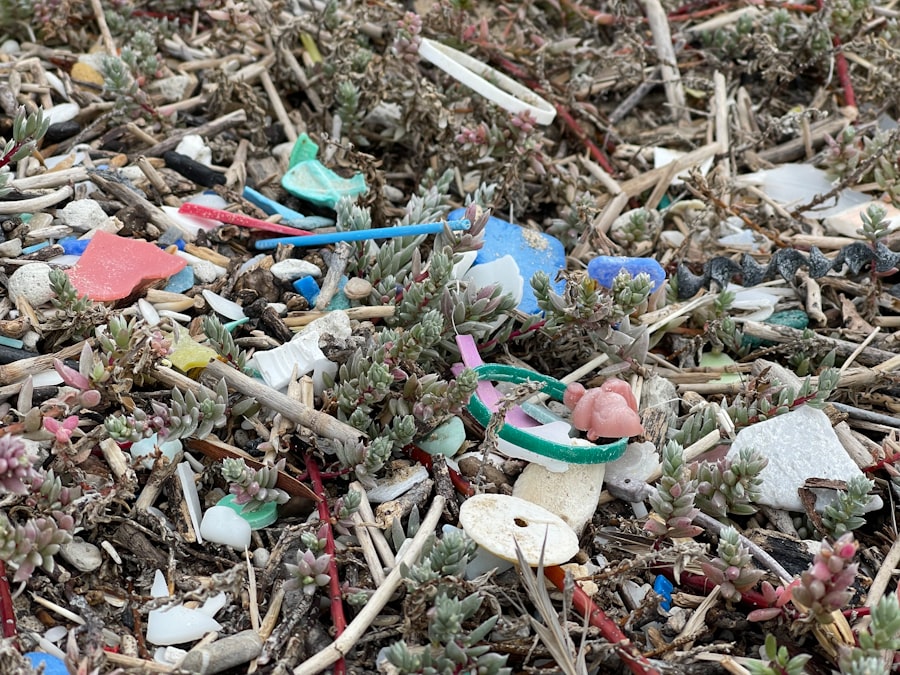
Proper disposal of plastic waste is essential for minimizing its environmental impact. When plastics are not disposed of correctly—whether through littering or improper recycling—they can contribute to pollution and harm ecosystems. Landfills overflowing with plastic waste can lead to leachate contamination, while improperly discarded plastics can end up in waterways, exacerbating marine pollution.
Therefore, educating individuals about proper disposal methods is crucial for effective waste management. Moreover, promoting responsible disposal practices can enhance recycling rates and reduce contamination in recycling streams. Clear labeling on products regarding disposal methods can guide consumers in making informed choices about how to handle their plastic waste.
Additionally, providing accessible recycling facilities and drop-off locations can encourage individuals to participate actively in recycling programs. By emphasizing the importance of proper disposal, communities can work together to create cleaner environments and reduce the overall burden of plastic waste.
Corporate Responsibility in Plastic Waste Management
Corporate responsibility is increasingly recognized as a key factor in addressing plastic waste management challenges. Businesses play a significant role in the lifecycle of plastic products—from production to disposal—and their actions can have far-reaching implications for sustainability efforts. Many companies are now adopting circular economy principles by designing products with recyclability in mind and reducing unnecessary packaging.
By prioritizing sustainable practices throughout their supply chains, corporations can contribute significantly to reducing plastic waste. Furthermore, corporate transparency regarding plastic use and waste management practices is essential for building consumer trust.
Collaborations between businesses and environmental organizations can also lead to innovative solutions for managing plastic waste effectively. Ultimately, corporate responsibility in plastic waste management not only benefits the environment but also enhances brand reputation and fosters customer loyalty.
The Role of Circular Economy in Plastic Waste Management
The concept of a circular economy offers a transformative approach to managing plastic waste by emphasizing resource efficiency and sustainability. In a circular economy model, products are designed for longevity, reuse, and recyclability, thereby minimizing waste generation. This approach contrasts sharply with the traditional linear economy model, which often leads to excessive resource extraction and disposal without considering environmental impacts.
By shifting toward a circular economy framework, society can significantly reduce its reliance on virgin plastics while promoting sustainable consumption patterns. Implementing circular economy principles requires collaboration among various stakeholders—including manufacturers, consumers, policymakers, and recyclers—to create systems that facilitate product reuse and recycling. For instance, businesses can adopt take-back programs that encourage consumers to return used products for refurbishment or recycling.
Additionally, investing in infrastructure that supports recycling and composting initiatives is crucial for closing the loop on plastic materials. By embracing circular economy practices, society can move toward a more sustainable future where resources are utilized efficiently and waste is minimized.
Advancements in Biodegradable Plastics
Advancements in biodegradable plastics represent a promising avenue for addressing the challenges posed by traditional plastics. Unlike conventional plastics that persist in the environment for hundreds of years, biodegradable plastics are designed to break down more quickly under specific conditions—such as exposure to moisture or heat—thereby reducing their environmental footprint. These materials offer an alternative solution for single-use items like bags and packaging that contribute significantly to plastic waste.
However, it is essential to recognize that biodegradable plastics are not a panacea for the plastic pollution crisis. Their effectiveness depends on proper disposal methods; if biodegradable plastics end up in landfills without adequate conditions for decomposition, they may still contribute to environmental harm. Therefore, public education regarding the appropriate disposal of biodegradable materials is crucial for maximizing their benefits.
Additionally, ongoing research into developing more efficient biodegradable options continues to enhance their viability as sustainable alternatives to traditional plastics.
The Role of Non-Governmental Organizations in Plastic Waste Management
Non-governmental organizations (NGOs) play an instrumental role in advocating for effective plastic waste management practices worldwide. These organizations often serve as catalysts for change by raising awareness about the environmental impacts of plastic pollution and mobilizing communities around sustainable initiatives. Through campaigns focused on education, advocacy, and grassroots action, NGOs empower individuals to take ownership of their role in reducing plastic waste.
Moreover, NGOs frequently collaborate with governments and businesses to develop innovative solutions for managing plastic waste effectively. By conducting research, providing expertise, and facilitating partnerships among stakeholders, these organizations contribute valuable insights into best practices for sustainability. Their efforts not only drive policy changes but also inspire collective action at local levels—demonstrating that community engagement is vital for addressing complex environmental challenges like plastic pollution.
Case Studies of Successful Plastic Waste Management Initiatives
Examining successful case studies of plastic waste management initiatives provides valuable insights into effective strategies that can be replicated elsewhere.
Through comprehensive public education campaigns and accessible recycling facilities, San Francisco has achieved impressive diversion rates while fostering community involvement in sustainability efforts.
Another inspiring case study comes from Kenya’s ban on single-use plastics implemented in 2017—a groundbreaking move that has garnered international attention. The ban has led to significant reductions in plastic pollution within urban areas while encouraging local entrepreneurs to develop eco-friendly alternatives such as reusable bags made from natural fibers. These examples illustrate how targeted policies combined with community engagement can lead to meaningful progress in addressing plastic waste challenges.
In conclusion, effective plastic waste management requires a multifaceted approach that encompasses innovative technologies, government policies, community engagement, corporate responsibility, and advancements in materials science. By recognizing the interconnectedness of these elements and fostering collaboration among stakeholders at all levels—individuals, businesses, governments, NGOs—society can work towards a sustainable future free from the burdensome impacts of plastic pollution.
Effective plastic waste management is crucial for reducing environmental impact, and various innovative solutions are being explored to tackle this pressing issue. For instance, a related article discusses the importance of recycling and the development of biodegradable alternatives to traditional plastics. You can read more about these solutions in detail in this article: Hey Did You Know This.
WATCH THIS! 🚨 THE RECYCLING LIE: How Big Oil Fooled the World for 50 Years 🚨
FAQs
What is plastic waste management?
Plastic waste management refers to the processes and strategies used to collect, treat, recycle, and dispose of plastic materials to reduce their environmental impact.
Why is managing plastic waste important?
Managing plastic waste is crucial to prevent pollution, protect wildlife, reduce landfill use, conserve resources, and minimize the harmful effects of plastics on ecosystems and human health.
What are common methods of plastic waste management?
Common methods include recycling, incineration with energy recovery, landfilling, mechanical and chemical recycling, and the use of biodegradable plastics.
How does recycling help in plastic waste management?
Recycling converts used plastic into new products, reducing the need for virgin plastic production, conserving resources, lowering greenhouse gas emissions, and decreasing plastic pollution.
What challenges exist in plastic waste management?
Challenges include contamination of plastic waste, lack of recycling infrastructure, economic costs, limited public awareness, and the complexity of sorting different types of plastics.
What role do governments play in plastic waste management?
Governments create policies, regulations, and incentives to promote proper plastic waste disposal, support recycling programs, ban certain single-use plastics, and encourage sustainable production and consumption.
Can biodegradable plastics solve plastic waste problems?
Biodegradable plastics can help reduce plastic pollution if properly managed, but they require specific conditions to break down and are not a complete solution to plastic waste issues.
What are some innovative solutions in plastic waste management?
Innovations include chemical recycling technologies, development of alternative materials, advanced sorting systems using AI, and community-based waste collection and awareness programs.
How can individuals contribute to plastic waste management?
Individuals can reduce plastic use, participate in recycling programs, properly dispose of plastic waste, support products with sustainable packaging, and advocate for environmental policies.
What is the impact of improper plastic waste disposal?
Improper disposal leads to environmental pollution, harm to marine and terrestrial wildlife, contamination of soil and water, and contributes to climate change through greenhouse gas emissions.