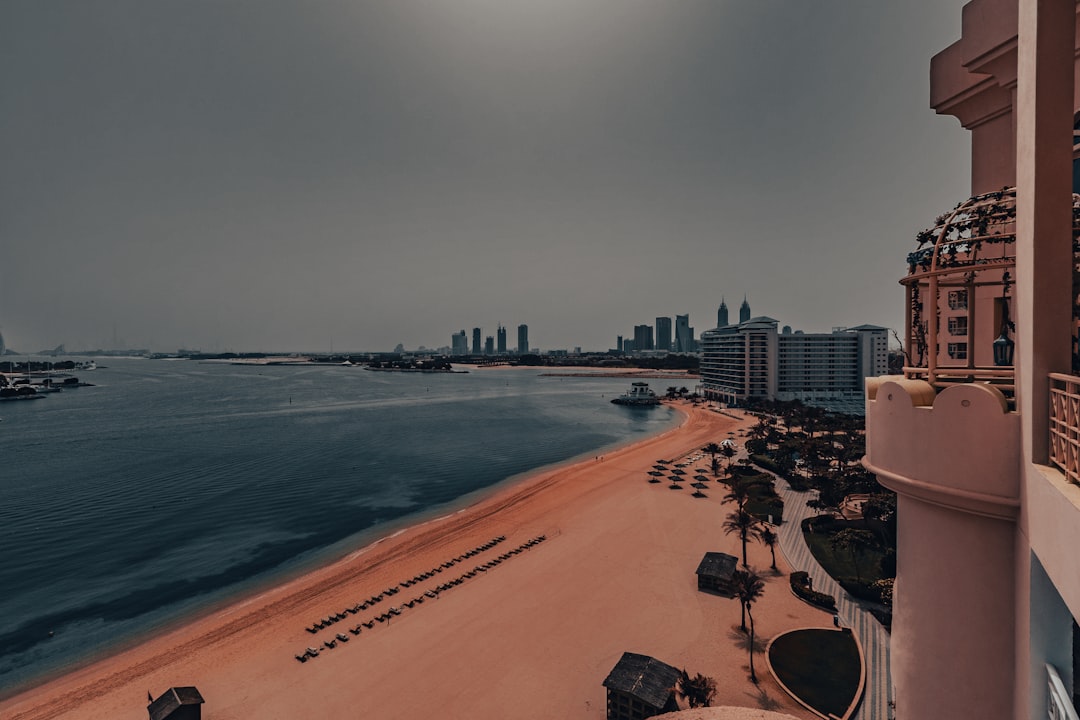
The image of Dubai, a city synonymous with towering skyscrapers, sprawling luxury, and an almost defiant triumph over desert landscapes, often conjures visions of self-sufficiency and ingenuity. Yet, beneath the veneer of meticulously sculpted urbanity lies an intriguing logistical reality: Dubai has, at various times, relied on significant quantities of imported sand to fuel its relentless construction boom. While the UAE possesses vast desert reserves, the specific types of sand required for advanced construction projects, particularly those demanding high-purity silica, have often been sourced from further afield. Among these sources, Australia emerges as a notable, albeit complex, partner in this global trade of terrestrial building blocks.
While not a constant or predominant supplier for all of Dubai’s sand needs, the Australian connection to Dubai’s construction materials is a facet of a broader international sourcing strategy. This strategy acknowledges that not all sand is created equal, and specific project requirements necessitate specialized geological resources. Understanding this connection requires delving into the intricacies of sand classification, the economic drivers of global trade, and the logistical challenges inherent in transporting such a fundamental, yet often overlooked, commodity.
The term “construction sand” encompasses a wide spectrum of granular materials, each possessing distinct properties suitable for different applications. The common perception of sand as simply pulverized rock fails to capture the critical distinctions that influence its utility in modern infrastructure and architecture.
Aggregate Types and Their Applications
For the most part, the sand used in large-scale construction projects in Dubai falls into categories dictated by its intended function.
Concrete Production
The bedrock of most modern buildings, roads, and infrastructure is concrete. This composite material relies heavily on aggregate, with sand forming a crucial fine aggregate component that binds with cement and coarser aggregates like gravel. The ideal sand for concrete needs to be clean, hard, and well-graded, meaning it contains a mix of particle sizes. This grading is essential for achieving optimal workability of the fresh concrete and strength in the hardened product. Impurities, such as clay or organic matter, can significantly compromise the integrity of the concrete, leading to premature degradation and structural failure.
Mortar and Plaster
Similar to concrete, mortar and plaster, used for binding bricks and rendering walls, also require sand. However, the specific requirements can differ. For mortar, sand must be relatively sharp and angular to provide good adhesion to the cementitious binder. Plaster sand often requires a finer grain size and a higher degree of purity to achieve a smooth and aesthetically pleasing finish.
Specialized Applications
Beyond these primary uses, certain specialized construction projects in Dubai have historically demanded sand with particular characteristics. This is where the distinction between generic desert sand and commercially processed, high-purity silica sand becomes critical.
The Importance of Silica Content
High-purity silica sand, often exceeding 95% silicon dioxide (SiO₂), is a prerequisite for several advanced construction and industrial applications. While common desert sands might contain sufficient silica for general concrete work, they often carry impurities that are undesirable for more demanding uses.
Glass Manufacturing
The production of glass, a ubiquitous material in modern architecture, particularly in a city like Dubai that embraces expansive glazing, relies on exceptionally high-purity silica sand. Iron oxide and other trace minerals can impart unwanted color to glass, necessitating the use of sand with minimal such contaminants.
Industrial Casting
The process of casting metal parts, from intricate decorative elements to industrial components, uses sand as a mold material. Specific sand properties, including thermal stability and particle shape, are crucial for accurate reproduction and surface finish of the cast objects. High silica content is often a key requirement for these molds.
Other Industrial Uses
Beyond glass and casting, high-purity silica sand finds applications in the manufacturing of semiconductors, filters, and specialized coatings. These industries have stringent specifications for their raw materials, making them significant drivers for the global trade in this particular type of sand.
Dubai’s rapid urban development and ambitious construction projects have led to a significant demand for sand, prompting the emirate to import it from countries like Australia. This unusual trade relationship is primarily due to the unique properties of Australian sand, which is deemed more suitable for construction than the local desert sand. For more insights into this fascinating topic and the broader implications of sand trade globally, you can read a related article at Hey Did You Know This.
Dubai’s Construction Landscape and Resource Demands
Dubai’s meteoric rise as a global hub has been powered by an insatiable appetite for construction materials. This demand, coupled with the specific requirements of its ambitious projects, has shaped its sourcing strategies.
The Scale of Dubai’s Construction Boom
The sheer scale of development in Dubai is undeniable. From the Burj Khalifa to the Palm Jumeirah, the city has consistently pushed the boundaries of architectural and engineering feats. This has translated into massive consumption of aggregates, including sand, over several decades.
Residential and Commercial Development
The continuous influx of residents and businesses has necessitated the construction of vast residential complexes, office towers, and commercial centers. Each of these projects requires substantial quantities of concrete, mortar, and other sand-dependent materials.
Infrastructure Projects
Beyond individual buildings, Dubai has invested heavily in world-class infrastructure, including an extensive road network, a modern metro system, a major international airport, and artificial islands. These projects are inherently material-intensive, with sand playing a foundational role.
Sourcing Challenges within the UAE
While the UAE is a vast desert nation, the availability of the right kind of sand for specific, high-demand construction projects has not always been straightforward.
Desert Sand Quality
The ubiquitous desert sand of the UAE, while abundant, often contains a higher proportion of impurities like gypsum and carbonates, and its grain size distribution may not be ideal for all advanced applications. Excessive dust and organic matter can also be present, requiring extensive processing.
Dune Sand vs. Washed Sand
Dune sand, while readily available, can be very fine and contain significant amounts of dust and salt, making it unsuitable without substantial washing and screening. Riverbed sands, where available, can be a better source but are often limited in supply and can have environmental implications if over-exploited.
Environmental Considerations
The extraction of sand, even from desert regions, carries environmental considerations. Habitat disruption, dust pollution, and the potential impact on underground water levels are factors that influence the sustainability of local sand extraction. This has, at times, led authorities to impose restrictions or seek alternative sourcing solutions.
The Economic Imperative of Sourcing
The economic realities of large-scale construction projects often dictate the most pragmatic approach to material sourcing. Cost-effectiveness, reliability of supply, and quality consistency are paramount.
Cost-Benefit Analysis
The decision to import sand involves a complex cost-benefit analysis. While transportation costs are significant, the expense can be offset by the availability of higher-quality material, reduced processing requirements, and the avoidance of potential delays associated with less suitable local sources or environmental regulations.
Supply Chain Reliability
For mega-projects that operate on tight schedules, a reliable and consistent supply of materials is critical. Relying on potentially limited or intermittently available local sources can introduce significant risks. Importing from established international suppliers can offer greater predictability.
Australia’s Role: A Source of High-Quality Silica Sand

Australia, with its ancient geology and vast, relatively undisturbed landmasses, is a significant global producer of high-quality mineral sands, including silica sand. This positions it as a potential, and at times, actual supplier to markets like Dubai.
Geology and Silica Deposits
Australia’s geological history has resulted in extensive deposits of silica-rich sands, particularly in coastal and inland dune systems. These deposits are often characterized by high purity and a desirable grain size distribution.
Ancient Sand Formations
Many of Australia’s silica sand deposits are derived from ancient continental weathering processes that have concentrated silica over millennia. This geological inheritance provides a natural advantage in producing high-purity material.
Minimal Contamination
Compared to sands from more geologically active or recently formed regions, Australian silica sands often have lower levels of impurities such as iron, clay, and organic matter. This inherent purity is a key attribute for specific applications.
Mining and Processing Capabilities
Australia possesses a well-developed mining and mineral processing industry, capable of extracting and refining silica sand to meet stringent international standards.
Extraction Methods
Silica sand is typically extracted through open-pit mining methods, with careful consideration given to environmental management and rehabilitation of mined areas. Dredging of coastal sand deposits is also employed in some regions.
Washing, Screening, and Sieving
After extraction, the raw sand undergoes rigorous processing. This includes washing to remove surface contaminants, screening and sieving to achieve precise particle size distributions, and sometimes further purification processes to remove specific undesirable minerals. This graduated approach ensures that the final product meets the precise specifications required by various industries.
Export Markets and Trade
Australia is a significant exporter of mineral commodities, and processed silica sand is part of this global trade network.
Established Export Infrastructure
Australia has well-established ports and logistical networks that facilitate the export of bulk commodities. This existing infrastructure is crucial for the efficient and cost-effective shipment of materials to international markets.
Demand from Diverse Industries
Australian silica sand is sought after by various international industries, including glass manufacturing, foundry operations, and specialty chemical producers. This diverse demand creates a robust market for its high-quality product.
The Logistical Choreography of Sand Imports

The transportation of sand, a seemingly simple commodity, involves a complex logistical operation that can span thousands of kilometers across oceans.
Shipping and Bulk Carriers
The primary method of transporting large volumes of sand between continents is via bulk carrier vessels. These ships are designed to carry loose cargo and are a cost-effective solution for moving massive quantities of materials like sand.
Vessel Size and Capacity
Bulk carriers come in various sizes, from Handysize vessels to larger Capesize ships, depending on the volume of cargo and the port capabilities. The decision on vessel size is influenced by the quantity of sand being shipped and the economic considerations of the voyage.
Port Infrastructure
Successful import operations require adequate port infrastructure at both the exporting and importing ends. This includes deep-water berths, efficient loading and unloading equipment (such as cranes and conveyor systems), and sufficient storage facilities.
Challenges in Maritime Transport
While bulk shipping is efficient, it is not without its challenges, particularly when dealing with a commodity like sand.
Weather and Sea Conditions
Maritime transport is inherently subject to weather patterns and sea conditions. Rough seas can affect loading and unloading operations, cause delays, and potentially lead to cargo loss if not properly secured. The safety of the vessel and crew is paramount.
Cargo Handling and Loss
The handling of sand can be challenging. Dust generation during loading and unloading is a significant concern, requiring specialized dust suppression measures. Proper loading techniques are also crucial to ensure cargo stability and minimize spillage.
Voyage Times and Costs
Long-distance voyages, such as those from Australia to the Middle East, involve considerable transit times. These voyage times translate into significant fuel costs, crew expenses, and port charges, all of which contribute to the overall cost of the imported sand.
Destination Port Operations in Dubai
Upon arrival in Dubai, the imported sand enters a complex network of processing and distribution facilities.
Receiving and Offloading
Dubai’s ports are equipped to handle bulk cargo, with specialized facilities for receiving and offloading ships. This often involves sophisticated unloading equipment to transfer the sand from the vessel to land-based storage or immediate onward transport.
Internal Distribution Networks
Once offloaded, the sand is typically transported to construction sites or processing plants via heavy-duty trucks or barges. Efficient internal distribution is critical to keep construction projects on schedule.
Quality Control and Further Processing
Even imported high-purity sand may undergo further quality checks or minor processing to meet the exact specifications of a particular project. This could involve additional screening or blending.
Dubai’s ambitious construction projects have led to a significant demand for high-quality sand, prompting the emirate to import it from Australia. This unusual trade relationship is largely due to the unique properties of Australian sand, which is ideal for concrete production and other building materials. For more insights into this fascinating topic, you can read a related article that explores the reasons behind Dubai’s sand imports and the impact on global trade. Check it out here.
The Shifting Sands of Sourcing Strategies
| Reasons for Dubai importing sand from Australia | Metrics |
|---|---|
| Quality of sand | High silica content, suitable for construction |
| Environmental concerns | Preservation of local sand sources |
| Quantity needed | Large-scale construction projects |
| Logistics | Efficient transportation routes and infrastructure |
The reliance on imported sand, while present, is not a static phenomenon. Dubai’s sourcing strategies are dynamic, influenced by economic fluctuations, technological advancements, and evolving environmental regulations.
Economic Cycles and Project Demand
The demand for construction sand is intrinsically linked to the broader economic cycles of Dubai and the region. Periods of intense construction activity drive up demand, while economic downturns can lead to a decrease in material consumption.
Boom and Bust Cycles
Dubai has experienced periods of rapid growth followed by economic corrections. These cycles directly impact the volume of sand imports, with higher demand during boom periods and reduced volumes during contractions.
Investment and Development Trends
Future investment trends in areas such as tourism, logistics, and residential development will continue to shape the demand for construction materials, including sand.
Technological Advancements in Sand Processing
Innovations in sand extraction and processing technologies can influence the viability of local sourcing.
Improved Local Extraction Techniques
Advancements in dry extraction methods and more efficient dust control could potentially make local sand sources more attractive by mitigating environmental concerns and improving quality.
Synthetic Aggregate Development
Research into alternative building materials and synthetic aggregates could, in the long term, reduce the reliance on natural sand, whether locally sourced or imported.
Environmental Regulations and Sustainability
Increasing global awareness of environmental sustainability is impacting all aspects of resource utilization, including sand extraction.
Stricter Extraction Permits
Governments, including those in the UAE and Australia, are implementing stricter regulations regarding environmental impact assessments and permitting for sand extraction operations. This can affect the cost and availability of both local and export-grade sand.
Focus on Recycled Materials
There is a growing emphasis on the use of recycled construction and demolition waste as aggregate materials. This trend aims to reduce the demand for virgin resources, including sand.
Geopolitical and Trade Relations
Geopolitical stability and trade relations between nations can also play a role in the global sand trade. Trade agreements, tariffs, and political considerations can influence the cost and accessibility of imported materials.
The story of Dubai’s sand imports, particularly the Australian connection, is a microcosm of the globalized nature of modern construction. It highlights how even the most basic building materials are subject to international trade flows, driven by a complex interplay of geological resources, technological capabilities, economic imperatives, and logistical realities. While Dubai’s skyline is a testament to human ambition and engineering prowess, its foundations, in part, rest on grains of sand that have journeyed across continents, a silent but significant chapter in the narrative of global commerce.
FAQs
1. Why does Dubai import sand from Australia?
Dubai imports sand from Australia to meet the high demand for construction and development projects in the region. The desert sand in Dubai is not suitable for construction purposes, as it is too fine and smooth, whereas the coarse sand from Australia is better suited for building materials.
2. How much sand does Dubai import from Australia?
Dubai imports millions of tons of sand from Australia each year to support its construction industry. The exact amount varies depending on the specific needs of ongoing projects and developments in the region.
3. What are the benefits of importing sand from Australia for Dubai?
Importing sand from Australia allows Dubai to access high-quality construction material that is not readily available in the local desert. This helps to support the rapid development and infrastructure projects in Dubai, contributing to the city’s growth and economic prosperity.
4. How is the imported sand used in Dubai?
The imported sand from Australia is primarily used in construction and building projects in Dubai. It is used to make concrete, asphalt, and other building materials essential for the city’s ongoing development and expansion.
5. Are there any environmental concerns related to importing sand from Australia to Dubai?
There are environmental concerns related to the large-scale extraction of sand in Australia and the impact it may have on local ecosystems. Additionally, the transportation of sand over long distances can contribute to carbon emissions and environmental impact. Efforts are being made to address these concerns and explore sustainable alternatives for meeting Dubai’s construction sand needs.