The recycling industry, a complex and often unsung hero of modern resource management, plays a pivotal role in driving sustainability. It acts as a crucial intermediary, transforming discarded materials from potential pollutants into valuable commodities, thereby lessening our reliance on virgin resources and mitigating the environmental consequences of extraction and disposal. This multifaceted sector encompasses a broad spectrum of activities, from collection and sorting to processing and manufacturing, each stage contributing to a more circular economy where waste is minimized and materials are kept in use for as long as possible. Understanding the impact of this industry is key to appreciating its contribution to a sustainable future.
The recycling industry is not a monolithic entity; rather, it is a sophisticated ecosystem built upon several fundamental pillars. These pillars work in concert, each essential for the overall efficiency and effectiveness of the system. Without any one of them, the entire structure would be significantly weakened.
Collection and Diversion Strategies
The journey of recycled materials begins with effective collection. This stage is critical, as it determines the quantity and quality of the materials that enter the recycling stream. Without robust collection mechanisms, even the most advanced processing facilities would remain underutilized.
Residential Waste Streams
At the household level, a variety of collection methods are employed, ranging from curbside pickup programs to drop-off centers. The design and accessibility of these programs significantly influence public participation. Factors such as the frequency of collection, the type of bins provided, and the clarity of guidelines regarding acceptable materials all play a role. In many urban areas, single-stream recycling, where all recyclable materials are placed in a single bin, has become prevalent. While convenient for consumers, it often necessitates more sophisticated sorting at processing facilities to separate different material types. Conversely, multi-stream recycling, which requires consumers to sort materials themselves, can yield higher quality feedstock but may face lower participation rates due to perceived inconvenience.
Commercial and Industrial Waste Management
The commercial and industrial sectors generate substantial volumes of waste, and their engagement with recycling is crucial. Businesses often have specific waste streams, such as cardboard from retail, plastic packaging from manufacturing, or electronic waste from offices. Dedicated collection services for these sectors are vital. The economic incentives for businesses to recycle can be significant, including reduced disposal fees and potential revenue from selling recyclable materials. However, regulatory frameworks and corporate sustainability initiatives also play a substantial role in driving their participation.
Public Space and Event Recycling
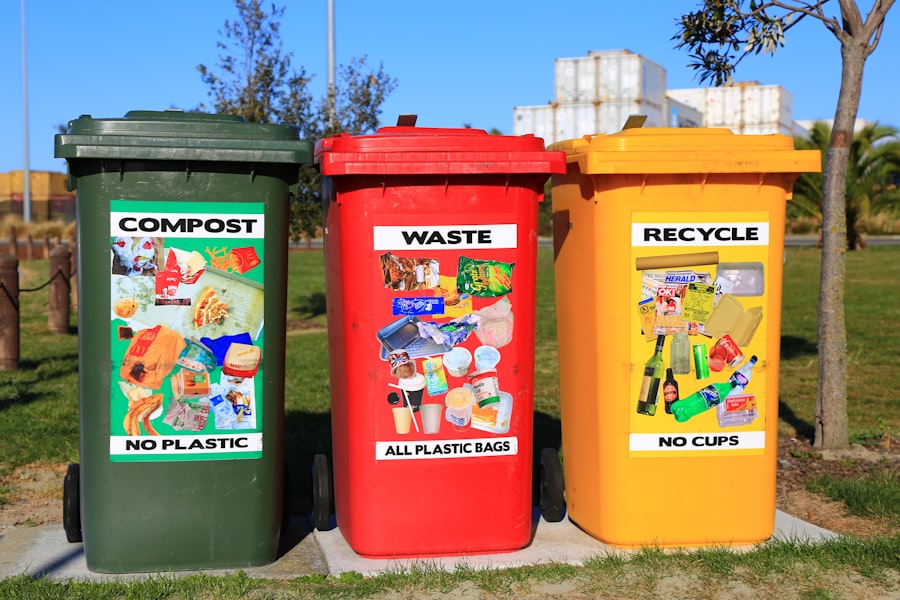
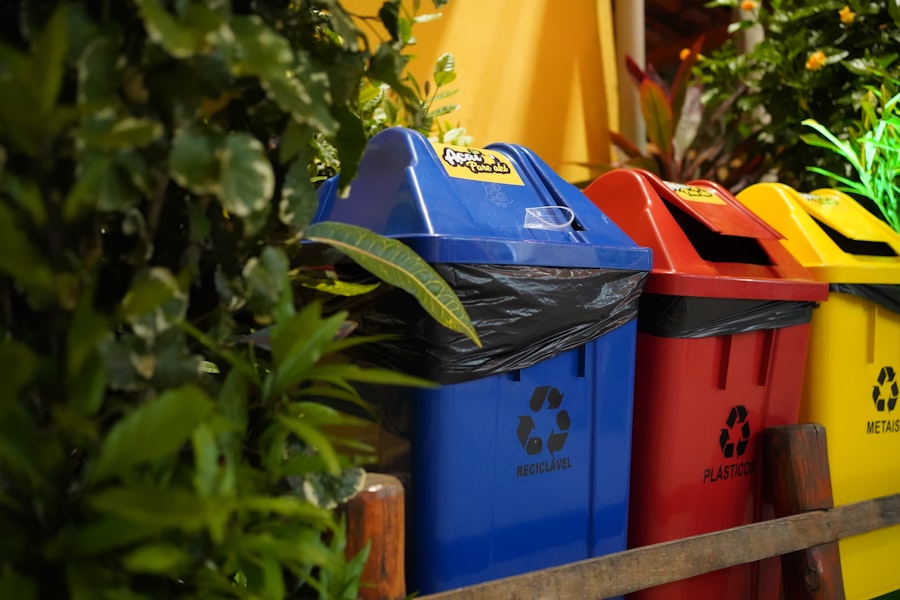
Recycling infrastructure in public spaces, such as parks, train stations, and event venues, is essential for capturing waste generated outside of the home and workplace. Effective signage, clearly labeled bins, and strategically placed recycling stations can significantly divert waste from landfills. The transient nature of waste in these locations presents unique challenges, requiring adaptable and high-visibility solutions.
Sorting and Processing Technologies
Once collected, the diverse array of discarded materials must be meticulously sorted and processed to prepare them for remanufacturing. This stage is the engine room of the recycling industry, where raw materials are reborn. The technologies employed here are constantly evolving, driven by the need for greater efficiency, accuracy, and the ability to handle increasingly complex waste streams.
Mechanical Sorting Systems
Mechanical sorting relies on a variety of physical properties to separate materials. Conveyor belts move materials through different stages, where optical scanners, magnets, eddy current separators, and screens distinguish and separate items based on their size, shape, color, and magnetic properties. For example, magnets are used to extract ferrous metals, while eddy current separators repel non-ferrous metals like aluminum. Screens can separate lighter materials like paper and plastic film from heavier items.
Optical Sorting and Artificial Intelligence
The advent of optical sorting has revolutionized material separation. These systems use a combination of cameras and sensors to identify materials based on their spectral properties. Light is passed through or reflected off materials, and sensors analyze the returning light to identify specific polymers, paper types, or even contaminants. Increasingly, artificial intelligence and machine learning are being integrated into optical sorters. These advanced algorithms can learn to identify new materials, adapt to changing waste compositions, and improve sorting accuracy over time, effectively giving machines a form of “sight” and “intelligence.”
Manual Sorting and Quality Control
Despite advancements in automated sorting, manual sorting remains an integral part of the process. Human sorters play a crucial role in quality control, removing contaminants that automated systems might miss and ensuring the purity of the sorted material streams. This human element is particularly important for fragile items or those with complex material compositions that are difficult for machines to discern.
Advanced Processing Techniques
Beyond sorting, some materials require further processing. For instance, baling compacts materials like paper and plastic into dense cubes for easier transportation and storage. Shredding breaks down larger items into smaller pieces. For certain plastics, specific chemical or mechanical processes may be implemented to purify them or break them down into their constituent monomers for a higher-grade recycled product.
The recycling industry plays a crucial role in promoting sustainability by reducing waste and conserving natural resources. A related article that delves deeper into the impact of recycling on environmental sustainability can be found at this link: Understanding the Benefits of Recycling. This article highlights innovative recycling practices and their significance in creating a more sustainable future.
The Environmental Imperative of Recycling
The environmental benefits of recycling are far-reaching and fundamental to the concept of sustainability. By diverting waste from landfills and reducing the demand for virgin resources, the recycling industry acts as a potent antidote to many of the planet’s pressing environmental challenges.
Resource Conservation and Depletion Mitigation
The extraction of virgin materials from the Earth is an energy-intensive and environmentally disruptive process. Mining, logging, and drilling can lead to habitat destruction, soil erosion, water pollution, and significant greenhouse gas emissions. Recycling offers a direct pathway to reduce this demand.
Reducing Reliance on Virgin Materials
Each ton of recycled paper saves approximately 17 trees, 7,000 gallons of water, and enough energy to power the average home for six months. Similarly, recycling aluminum conserves a remarkable 95% of the energy required to produce primary aluminum from bauxite ore. This significant energy saving translates directly into reduced greenhouse gas emissions. When you choose to recycle an aluminum can, you are essentially choosing to bypass the energy-hungry processes of mining, smelting, and refining.
Preserving Natural Habitats and Biodiversity
The relentless pursuit of virgin resources often leads to the destruction of critical ecosystems, threatening biodiversity. Forests are cleared for timber and paper production, landscapes are scarred by mining operations, and oceans are impacted by offshore drilling. By utilizing recycled materials, the pressure on these natural environments is lessened, allowing for the preservation of vital habitats and the species that depend on them.
Greenhouse Gas Emission Reduction
The climate crisis is one of the most significant challenges facing humanity, and the recycling industry plays a vital role in its mitigation. The energy savings associated with recycling directly translate into reduced greenhouse gas emissions across various sectors.
Energy Savings in Manufacturing
As previously mentioned, the energy required to process recycled materials is substantially lower than that needed for virgin materials. Lower energy consumption in manufacturing translates directly into reduced emissions from power generation, which is often reliant on fossil fuels. Think of it like powering a car with electricity generated from solar panels versus one reliant on a coal-fired power plant; the environmental impact is vastly different.
Landfill Methane Reduction
When organic waste decomposes in landfills under anaerobic conditions, it produces methane, a potent greenhouse gas with a warming potential far greater than carbon dioxide over a shorter timeframe. While not all recycled materials are organic, diverting a significant portion of the waste stream, including plastics and paper, from landfills reduces the overall volume of organic matter that can contribute to methane production. Furthermore, the energy embedded in discarded materials is effectively recaptured through recycling, preventing its loss as heat or through the less efficient breakdown processes in a landfill.
Pollution Prevention and Waste Minimization
The sheer volume of waste generated by modern society poses a significant pollution threat. Landfills can leach harmful chemicals into soil and groundwater, while incinerators can release pollutants into the atmosphere. Recycling offers a direct solution to these problems by diverting waste from these disposal pathways.
Mitigating Landfill Burden
Landfills occupy vast tracts of land, represent a lost opportunity for material reuse, and can pose long-term environmental risks. By diverting materials from landfills, recycling extends their lifespan and reduces the need for new landfill sites, thereby preserving land for other uses.
Reducing Water and Air Pollution
The extraction and processing of virgin materials often involve significant water usage and can lead to the discharge of pollutants into waterways. Similarly, manufacturing processes using virgin materials can release airborne pollutants. By substituting virgin inputs with recycled materials, the industry helps to minimize these polluting activities. For example, producing paper from recycled pulp requires significantly less water and generates fewer pollutants than producing it from trees.
Economic Impacts and Job Creation
Beyond its environmental benefits, the recycling industry is a significant economic driver, fostering innovation, creating jobs, and contributing to local economies. It transforms discarded items into economic assets, fueling a cascade of commercial activity.
Employment Generation
The recycling industry is a labor-intensive sector, creating a diverse range of employment opportunities across various skill levels. From collection drivers and sorters to processing plant operators and engineers, the industry provides sustainable employment.
Direct Job Creation
The operation of collection routes, material recovery facilities (MRFs), and specialized processing plants directly employs a substantial workforce. These jobs often provide stable employment and contribute to the economic well-being of communities where these facilities are located.
Indirect and Induced Employment
The economic activity generated by the recycling industry extends beyond its direct workforce. The purchase of equipment, maintenance services, and the consumption of goods and services by recycling industry employees create a ripple effect of indirect and induced job creation in related sectors, such as manufacturing, transportation, and retail.
Market Development for Recycled Products
A thriving recycling industry is intrinsically linked to the development of robust markets for recycled materials and products. Without demand, the supply chain for recycled goods would falter.
Demand for Recycled Feedstock
Manufacturers actively seek recycled content for their products. This demand is driven by a combination of environmental regulations, corporate sustainability goals, and consumer preferences. As this demand grows, it incentivizes further investment in recycling infrastructure and processing capabilities.
Innovation in Recycled Product Design
The availability of recycled materials has spurred innovation in product design and manufacturing. Companies are finding creative ways to incorporate recycled content into new and improved products, from construction materials and textiles to packaging and consumer goods. This fuels a circular economy where materials are not just recycled but creatively repurposed.
Contribution to Local Economies
Recycling facilities often operate at a local or regional level, contributing to the economic vitality of these areas. They can provide tax revenue, support local businesses, and offer training and skill development opportunities for their workforce.
Localized Economic Activity
The collection, sorting, and some processing activities are inherently localized. This keeps economic activity within communities, supporting local businesses and generating local tax revenue.
Supply Chain Linkages
Recycling facilities often form important linkages within local and regional supply chains, providing raw materials for nearby manufacturing operations and creating a more resilient and self-sufficient economic ecosystem.
Challenges and Opportunities for the Recycling Industry
Despite its significant contributions, the recycling industry faces numerous challenges that, if addressed, can unlock further opportunities for growth and impact. Navigating these complexities is crucial for the industry’s continued evolution.
Contamination and Material Purity
One of the most persistent challenges in recycling is contamination. When non-recyclable items are mixed with recyclables, they can compromise the purity of the entire batch, making it difficult and costly to process.
The “Wishcycling” Phenomenon
Consumers, often with good intentions, may place items in recycling bins that are not accepted in their local programs. This practice, known as “wishcycling,” can introduce contaminants that can damage sorting equipment, reduce the value of recycled materials, and even lead to entire loads being sent to landfill. Clear and consistent public education is paramount to combat this.
Complex Material Compositions
Many modern products are made from composite materials, making them difficult or impossible to recycle using current technologies. For instance, multi-layer plastic packaging, which combines different types of plastics and often aluminum, presents a significant sorting and reprocessing challenge.
Economic Viability and Market Fluctuations
The profitability of the recycling industry can be subject to market fluctuations, affecting the price of both raw materials and finished recycled products.
Volatility of Commodity Prices
The value of recycled materials, like any commodity, can rise and fall depending on global demand, oil prices (which influence virgin plastic prices), and geopolitical factors. This volatility can make long-term investment planning difficult for recycling businesses.
The Cost of Processing vs. Virgin Material Prices
In some instances, the cost of collecting, sorting, and processing recyclables can exceed the market price of virgin materials, especially when oil prices are low, making virgin plastic comparatively cheaper. This economic disincentive can hinder the widespread adoption of recycled content.
Technological Advancements and Innovation
Continuous innovation is essential to overcome challenges and improve the efficiency and scope of recycling. Emerging technologies hold the key to unlocking new possibilities.
Advanced Sorting and Identification Systems
The development of more sophisticated optical sorters, AI-powered robots, and chemical identification technologies can dramatically improve sorting accuracy and the ability to handle complex waste streams. This allows for the recovery of higher-quality materials.
Chemical Recycling and Upcycling
While mechanical recycling breaks down materials to be reformed into similar products, chemical recycling aims to break down plastics into their original monomers or chemical building blocks, which can then be used to create new plastics with virgin-like properties. Upcycling, on the other hand, transforms waste materials into products of higher quality or value than the original. These technologies offer pathways to recycle materials that are currently difficult or impossible to process mechanically.
Policy and Regulation
Government policies and regulations play a crucial role in shaping the recycling landscape, incentivizing participation, and driving market development.
Extended Producer Responsibility (EPR)
EPR schemes place the responsibility for the end-of-life management of products on the producers. This encourages manufacturers to design products that are more recyclable and to invest in collection and recycling infrastructure.
Procurement Policies Favoring Recycled Content
Government procurement policies that prioritize the purchase of products made from recycled content can create significant market demand, thereby supporting the recycling industry and driving innovation. When governments lead by example in purchasing recycled goods, it sends a powerful signal to the market.
The recycling industry plays a crucial role in promoting sustainability by reducing waste and conserving natural resources. A recent article discusses innovative strategies that companies are implementing to enhance their recycling processes and minimize environmental impact. For more insights on this topic, you can read the article on sustainable practices in the recycling sector by visiting this link. By adopting these methods, the industry not only contributes to a healthier planet but also encourages consumers to be more mindful of their waste management habits.
The Future of Recycling: Towards a Circular Economy
| Metric | Description | Value | Unit | Year |
|---|---|---|---|---|
| Recycling Rate | Percentage of waste material recycled | 35 | % | 2023 |
| Energy Saved | Energy conserved through recycling compared to raw material processing | 1,200 | GWh | 2023 |
| CO2 Emissions Reduction | Reduction in carbon dioxide emissions due to recycling activities | 4.5 | Million Metric Tons | 2023 |
| Water Saved | Volume of water conserved by recycling processes | 500 | Million Liters | 2023 |
| Jobs Created | Number of jobs generated in the recycling industry | 150,000 | Jobs | 2023 |
| Waste Diverted from Landfill | Amount of waste prevented from landfill disposal through recycling | 20 | Million Tons | 2023 |
The vision for the recycling industry is intrinsically tied to the broader concept of a circular economy. This paradigm shift moves away from the linear “take-make-dispose” model towards one where materials are kept in use for as long as possible, minimizing waste and maximizing resource efficiency.
Embracing the Circular Economy Model
A truly circular economy envisions a closed-loop system where products are designed for durability, repairability, and eventual recyclability. The recycling industry is a cornerstone of this transition, ensuring that materials are reintegrated into the production cycle.
Design for Recyclability
Manufacturers are increasingly being encouraged to consider the end-of-life of their products during the design phase. This means using mono-materials where possible, avoiding toxic additives, and designing components that are easy to disassemble for recycling.
Product as a Service Models
Moving towards “product as a service” models, where consumers lease rather than own products, can also contribute to a circular economy. This incentivizes manufacturers to create durable, repairable, and recyclable products, as they retain ownership and responsibility for the product’s lifecycle.
Innovation in Material Science and Engineering
Continued advancements in material science and engineering are critical for developing new solutions for challenging waste streams and for creating innovative products from recycled feedstocks.
Biodegradable and Compostable Materials
The development of truly biodegradable and compostable materials, alongside robust industrial composting infrastructure, offers potential solutions for specific waste streams that are difficult to recycle. However, careful consideration of their end-of-life management and potential for contamination in recycling streams is crucial.
Novel Applications for Recycled Materials
Researchers and engineers are constantly exploring novel applications for recycled materials. This includes using recycled plastics in 3D printing, developing asphalt from recycled tires, and creating insulation from recycled textiles.
Enhanced Public Engagement and Education
Achieving a truly sustainable future powered by recycling requires the active participation and informed engagement of the public.
Empowering Consumers with Information
Providing clear, consistent, and easily accessible information about what can and cannot be recycled in specific local programs is vital. This empowers consumers to make informed choices and reduces contamination.
Fostering a Culture of Reuse and Reduction
While recycling is essential, it should be viewed as part of a broader hierarchy of waste management that prioritizes reduction and reuse. Educating the public about the benefits of reducing consumption and finding ways to reuse items before discarding them is equally important.
The recycling industry stands as a powerful testament to human ingenuity in confronting environmental challenges. It is not merely about waste disposal; it is about resource recovery, economic development, and the fundamental reshaping of our relationship with the materials we consume. As we look towards a more sustainable future, the continued evolution and strengthening of this vital industry will be indispensable. The hum of the sorting machinery, the whir of the processing lines, and the journey of materials from discard to rebirth are all part of a grander narrative – the ongoing effort to build a world that thrives on the principles of regeneration and responsibility.
FAQs
What is sustainability in the recycling industry?
Sustainability in the recycling industry refers to practices that minimize environmental impact, conserve natural resources, and promote the efficient use of materials to support long-term ecological balance.
How does recycling contribute to environmental sustainability?
Recycling reduces the need for raw material extraction, lowers energy consumption, decreases greenhouse gas emissions, and minimizes landfill waste, all of which contribute to environmental sustainability.
What are common challenges faced by the recycling industry in achieving sustainability?
Challenges include contamination of recyclable materials, fluctuating market demand for recycled products, limited recycling infrastructure, and the need for improved consumer education and participation.
How can technology improve sustainability in the recycling industry?
Advanced sorting technologies, automation, and data analytics can increase recycling efficiency, reduce contamination, and optimize resource recovery, thereby enhancing sustainability outcomes.
What role do consumers play in promoting sustainability in recycling?
Consumers contribute by properly sorting recyclables, reducing waste generation, supporting products made from recycled materials, and advocating for sustainable recycling policies and practices.