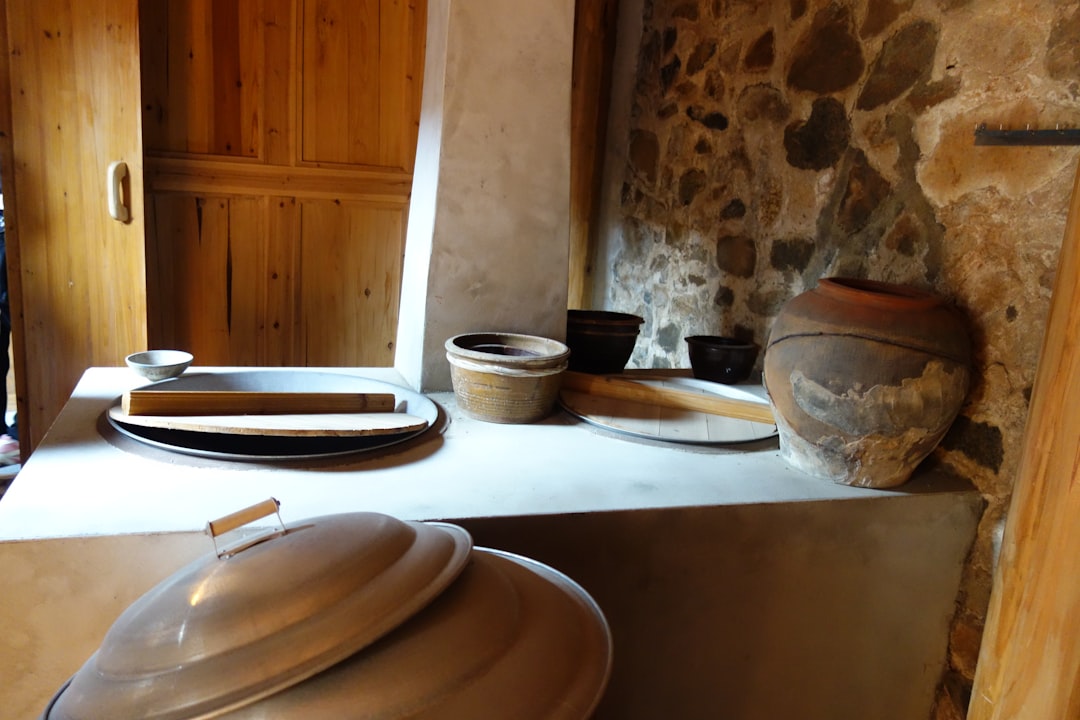
You stand at the precipice of a bygone era, an age where utilitarian objects were imbued with an artistry often absent in today’s mass-produced counterparts. As you delve into the realm of vintage kitchenware, you embark on an excavation of history, unearthing pieces that tell stories not only of their previous owners but also of technological advancements, cultural shifts, and evolving culinary practices. This journey is not merely about acquiring old things; it’s about connecting with a tangible past, appreciating enduring design, and perhaps, finding a more sustainable approach to your own everyday life.
When you examine a piece of vintage kitchenware, you often encounter a level of craftsmanship that transcends mere functionality. Take for example, a cast iron skillet from the early 20th century. Its weight is substantial, a testament to the robust materials used. The smooth, seasoned surface, often achieved through years of meticulous care, speaks of durability and a commitment to longevity. Unlike many modern non-stick pans with their finite lifespan, a well-maintained cast iron skillet is a multi-generational heirloom, an investment that depreciates little and gains character with each passing year.
Beyond the Disposable Economy: Investing in Durability
You are confronted with a stark contrast to the contemporary “buy new, discard old” mentality. Vintage kitchenware often represents the antithesis of planned obsolescence. Manufacturers of yesteryear frequently designed products to last, understanding that a satisfied customer was a repeat customer, perhaps even a generational one. This philosophy manifests in the quality of materials – thick-gauge metals, robust ceramics, and resilient hardwoods. You will find that these items were not merely tools but companions in the daily rhythm of life, intended to withstand rigorous use and emerge, often, with enhanced patinas and a richer story.
Aesthetics that Transcend Trends: A Timeless Appeal
Consider the visual appeal. Many vintage pieces possess an inherent beauty that surpasses fleeting trends. The vibrant floral patterns of mid-century Pyrex, the streamlined simplicity of Art Deco bakelite, or the rustic charm of stoneware crocks – these designs are not bound by temporary fads. They represent definitive aesthetic movements, often reflecting the social and artistic sensibilities of their time. When you incorporate these pieces into your kitchen, you are not merely adding a functional item; you are curating a space with visual depth and historical resonance, much like adding an antique piece of furniture to a modern living room. Their enduring charm lies in their ability to integrate seamlessly with various interior design styles, offering a touch of warmth, character, and individuality.
If you’re a fan of vintage kitchenware, you’ll love exploring the charm and history behind these timeless pieces. For a deeper dive into the world of retro culinary tools and their impact on modern kitchens, check out this insightful article on vintage kitchenware trends and tips. You can read more about it here: Vintage Kitchenware Insights.
Unearthing Culinary History: More Than Just Cooking Tools
Vintage kitchenware serves as a tangible link to the culinary practices and dietary habits of previous generations. Each item, from a butter churn to a pressure cooker, tells a story about how food was prepared, preserved, and consumed in a different era. You are not just holding a utensil; you are holding a fragment of the past’s gastronomic narrative.
The Evolution of Food Preparation: A Glimpse into the Past
Imagine a time before electric mixers and food processors. A hand-cranked egg beater, a relic from a pre-industrial kitchen, offers a visceral understanding of the physical effort involved in preparing everyday meals. Similarly, a collection of intricately designed cookie cutters might hint at a more leisurely approach to baking, where decorative elements were as important as flavor. You will find items like kraut cutters, apple peelers, and even specific types of molds that illustrate a historical emphasis on home preservation and specialized culinary techniques that have largely been automated or outsourced today. These tools are artifacts of a time when the kitchen was often the heart of the home, a hub of activity centered around self-sufficiency.
From Farm to Table: Understanding Resourcefulness
Many vintage kitchenware pieces reflect a period when resources were valued and waste was minimized. You might encounter canning jars of various sizes, evidence of widespread home preservation practices, crucial for extending the bounty of harvests. Large mixing bowls and sturdy wooden spoons speak to the preparation of meals from scratch, often utilizing ingredients sourced locally or grown in family gardens. These items are stoic reminders of a time when the “farm-to-table” concept was less a marketing slogan and more a fundamental way of life. They challenge you to consider your own consumption habits and the origins of your food.
Practicality in Action: Modern Relevance of Vintage Treasures
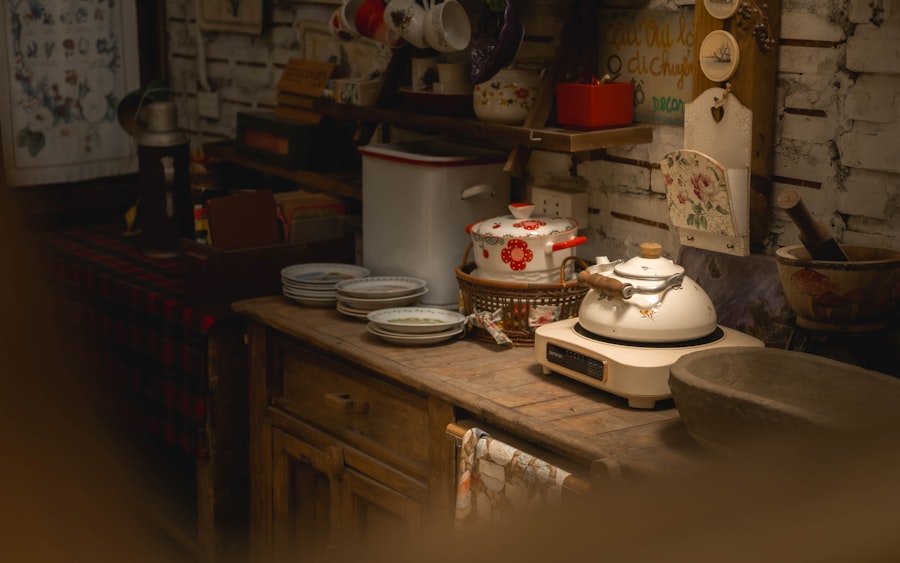
While the aesthetic and historical aspects are compelling, the practical utility of vintage kitchenware is equally significant. Many pieces, despite their age, remain highly functional, often surpassing their modern counterparts in certain key aspects. You will discover that “old” does not necessarily equate to “obsolete.” Rather, it can often mean “proven” and “reliable.”
The Unmatched Performance of Seasoned Cast Iron
Consider, once again, the cast iron skillet. When properly seasoned, its non-stick properties develop naturally through polymerized oil layers, offering a healthy alternative to synthetic coatings. Its superior heat retention qualities allow for even cooking and excellent searing, making it ideal for everything from frying eggs to baking cornbread. You will find that a well-cared-for vintage cast iron skillet often outperforms new ones, having already accumulated a substantial history of seasoning. This isn’t just a pan; it’s a heat-conducting marvel, a testament to simple, effective engineering.
Enduring Storage Solutions: From Canisters to Crocks
For food storage, vintage pieces offer both charm and utility. Glass canning jars, originally designed for preserving, are perfect for storing dry goods like pasta, rice, and spices, allowing for easy visibility and a cohesive aesthetic. Stoneware crocks, once used for fermenting vegetables or storing oil, are now repurposed as attractive and breathable containers for root vegetables or even as utensil holders. These items, designed without the petrochemicals inherent in many modern plastics, provide a more environmentally conscious and often more aesthetically pleasing storage solution. You will appreciate their solid construction and the way they help to organize your pantry with a touch of elegance.
Sustainability and Ethics: A Conscious Choice
Choosing vintage kitchenware is not merely an aesthetic preference; it is an active participation in a more sustainable and ethical consumption model. You are, in essence, extending the life cycle of existing products, reducing demand for new manufacturing, and minimizing waste.
Reducing Your Environmental Footprint: The Circular Economy
By acquiring vintage pieces, you directly contribute to the circular economy. Instead of purchasing newly manufactured items that require raw materials, energy for production, and generate transportation emissions, you are recirculating existing goods. This act, multiplied by countless individuals, significantly lessens the environmental impact associated with cookware production and disposal. You become a steward of resources, giving these items a second, third, or even fourth life, preventing them from ending up in landfills. This is a quiet rebellion against the “take, make, dispose” linear economic model.
Investing in Quality, Opting Out of Planned Obsolescence
As mentioned earlier, many vintage items were built to last. When you choose a vintage piece, you are often choosing something that was intended to be repairable, rather than disposable. This contrasts sharply with some modern manufacturing practices where product longevity is deliberately limited to encourage repeat purchases. By opting for vintage, you are subtly rejecting this model, advocating for durability and quality over transient trends and built-in obsolescence. You are investing in value that endures, both for yourself and for the planet.
If you’re a fan of vintage kitchenware, you might find it fascinating to explore the history and charm behind these timeless pieces. Many collectors appreciate how vintage items can add character to modern kitchens while also serving practical purposes. For more insights into the world of vintage collectibles, check out this informative article that delves into the unique appeal of these treasures. You can read it here: vintage kitchenware.
Embarking on Your Vintage Kitchenware Journey
| Metric | Value | Notes |
|---|---|---|
| Average Lead Content (ppm) | 50 – 500 | Varies by item and era; some older glazes contain higher lead levels |
| Common Lead Sources | Glazes, Paints, Decorative Finishes | Lead was used to enhance color and durability |
| Risk Level | Moderate to High | Especially if used for food or drink |
| Testing Methods | XRF Analyzer, Chemical Swab Tests | Non-destructive and spot testing available |
| Regulatory Limits (US FDA) | Less than 0.5 ppm leachable lead | For items intended for food use |
| Common Vintage Items with Lead | Ceramic Plates, Mugs, Decorative Bowls | Especially pre-1970s kitchenware |
| Health Concerns | Lead Poisoning, Neurological Damage | Particularly harmful to children and pregnant women |
The world of vintage kitchenware is vast and varied, offering endless opportunities for discovery. As you begin your exploration, you will develop an eye for quality, an appreciation for history, and perhaps even a personal connection to the objects you bring into your home.
Where to Discover Your Treasures: A Hunter’s Guide
Your hunt for vintage kitchenware can take you to diverse locations. Flea markets and antique shops are veritable treasure troves, offering a hands-on experience and the opportunity to haggle. Estate sales provide a glimpse into a former household’s entire collection, often yielding unique and well-preserved items. Online marketplaces and specialized vintage kitchenware dealers offer a broader selection and convenience, though you usually lose the tactile experience. Regardless of where you search, you will find that each location offers its own unique charm and potential for discovery. Approach these spaces with curiosity and an open mind, ready to stumble upon unexpected gems.
Authenticity and Condition: A Prudent Approach
When selecting vintage pieces, you, as a discerning collector, should pay close attention to authenticity and condition. Research common manufacturers and their identifying marks to ensure you are acquiring a genuine item. For example, understanding the different Lodge or Wagner Ware markings can help you date a cast iron skillet. Examine items for cracks, chips, rust, or excessive wear that might compromise their functionality or safety. While some minor imperfections are part of an item’s history and charm, serious damage could render it unusable. This careful assessment ensures that your vintage acquisitions are not just attractive but also practical and safe for continued use in your kitchen. This prudence minimizes disappointment and ensures your investment is sound.
In embracing vintage kitchenware, you are doing more than just furnishing your kitchen. You are engaging in an act of conscious consumption, celebrating enduring design, and preserving a tangible piece of culinary history. You are creating a kitchen space that tells a story, a space that is as unique and resilient as the treasures you have chosen to fill it with. This journey is an invitation to slow down, to appreciate craftsmanship, and to rediscover the intrinsic value of objects that have gracefully stood the test of time.

WATCH NOW ▶️ WARNING: 50 Chemicals Banned Overseas (In Your Home)
FAQs
What is lead in vintage kitchenware?
Lead is a heavy metal that was commonly used in the production of vintage kitchenware, such as ceramics, glassware, and enamelware, to enhance durability and appearance. However, lead is toxic and can pose health risks if it leaches into food or beverages.
Why is lead in vintage kitchenware a concern?
Lead can leach from vintage kitchenware into food or drinks, especially when the items are used for hot or acidic substances. Consuming lead-contaminated food or drink can lead to lead poisoning, which affects the nervous system and can cause serious health problems.
How can I identify if vintage kitchenware contains lead?
Identifying lead in vintage kitchenware can be challenging without testing. Some older ceramics and glassware may have labels indicating lead content, but many do not. Lead testing kits are available for home use, or items can be tested professionally to determine if they contain lead.
Is it safe to use vintage kitchenware that contains lead?
It is generally not recommended to use vintage kitchenware containing lead for food or drink purposes. If you choose to use such items, avoid using them for hot or acidic foods and do not use them for storage. Decorative use is considered safer.
How can I safely display or dispose of vintage kitchenware with lead?
For safe display, keep vintage kitchenware with lead out of reach of children and avoid using it for food. When disposing of lead-containing items, follow local hazardous waste disposal guidelines to prevent environmental contamination.