
When considering dietary choices, eggs may not immediately stand out. Yet, the variety of eggs selected can have substantial effects on health, environmental sustainability, and animal welfare. Organic, pasture-raised eggs have gained popularity among health-focused individuals seeking more than just a breakfast option.
These eggs are produced by chickens raised in natural settings, with freedom to roam and forage naturally. This approach enhances egg quality while supporting sustainable agricultural practices. Exploring organic, pasture-raised eggs reveals numerous benefits beyond flavor.
These eggs offer nutritional advantages and reduced environmental impact, representing a conscious choice that reflects personal values. Selecting organic, pasture-raised eggs constitutes more than a dietary decision; it supports ethical farming methods and contributes to environmental health. This article examines the various benefits of these eggs and their value in nutritional planning.
Key Takeaways
- Organic, pasture-raised eggs offer superior nutritional value compared to conventional eggs.
- Choosing these eggs supports better animal welfare and humane farming practices.
- They contribute to environmental sustainability through eco-friendly farming methods.
- Organic, pasture-raised eggs can provide health benefits such as higher omega-3 content.
- Supporting local farmers by purchasing these eggs helps strengthen community agriculture.
Nutritional Benefits of Organic, Pasture-Raised Eggs
One of the most compelling reasons to choose organic, pasture-raised eggs is their superior nutritional profile. Research has shown that these eggs often contain higher levels of essential nutrients compared to their conventional counterparts. For instance, they tend to have more omega-3 fatty acids, which are crucial for heart health and brain function.
When hens are allowed to roam freely and forage on grass and insects, their diet becomes richer in these beneficial fats, which can translate into better nutrition for you. In addition to omega-3s, organic, pasture-raised eggs are also known for their higher vitamin content. You may find that they contain more vitamins A, D, and E, all of which play vital roles in maintaining your overall health.
Vitamin A is essential for good vision and immune function, while vitamin D is crucial for bone health and calcium absorption. By incorporating these nutrient-dense eggs into your diet, you can enhance your nutritional intake and support your well-being in a delicious way.
Environmental Benefits of Choosing Organic, Pasture-Raised Eggs
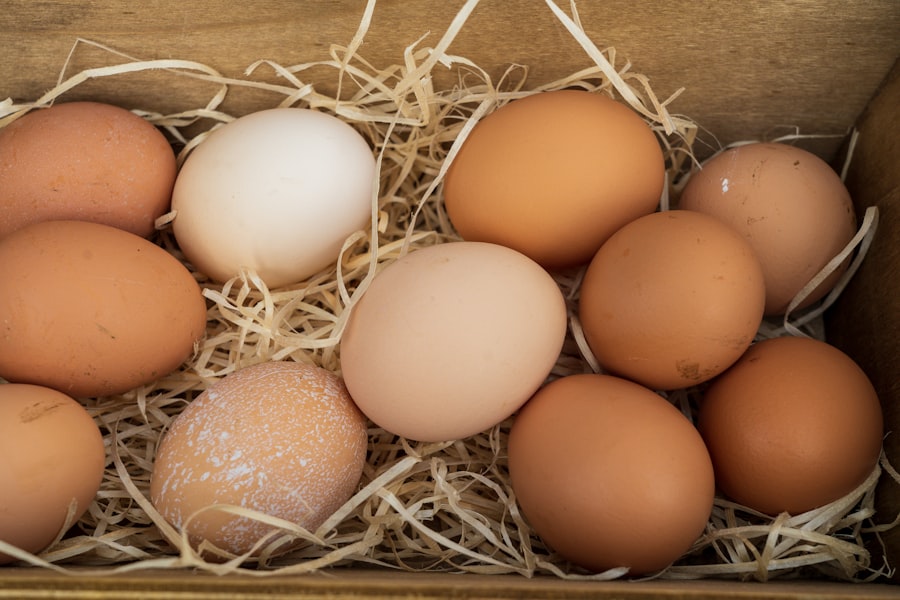
The environmental impact of your food choices is becoming increasingly important in today’s world. By opting for organic, pasture-raised eggs, you are making a choice that benefits not only your health but also the planet. These farming practices typically promote biodiversity and reduce pollution.
Pasture-raised hens are often kept in smaller flocks and given access to outdoor spaces where they can engage in natural behaviors. This approach minimizes the need for harmful pesticides and fertilizers that can leach into the soil and waterways. Moreover, organic farming practices focus on sustainability and soil health.
When you choose organic, pasture-raised eggs, you support farming methods that prioritize ecological balance and reduce carbon footprints. These farms often use crop rotation and composting techniques that enrich the soil without synthetic chemicals. By supporting such practices, you contribute to a healthier ecosystem and help combat climate change.
Health Benefits of Consuming Organic, Pasture-Raised Eggs
In addition to their nutritional advantages, consuming organic, pasture-raised eggs can have several health benefits that may surprise you. For one, these eggs are less likely to contain harmful substances such as antibiotics or hormones, which are often used in conventional egg production. By choosing organic options, you reduce your exposure to these potentially harmful chemicals, promoting better health for yourself and your family.
Furthermore, the higher levels of nutrients found in organic, pasture-raised eggs can lead to improved overall health outcomes. Studies suggest that diets rich in omega-3 fatty acids can lower the risk of heart disease and improve cognitive function. Additionally, the vitamins found in these eggs can enhance immune function and support skin health.
By incorporating organic, pasture-raised eggs into your meals, you are not just enjoying a tasty dish; you are also investing in your long-term health.
How Organic, Pasture-Raised Eggs Support Animal Welfare
| Metric | Value | Unit | Notes |
|---|---|---|---|
| Average Weight per Egg | 57 | grams | Typical weight for large organic pasture-raised eggs |
| Omega-3 Fatty Acids | 110 | mg per egg | Higher than conventional eggs due to pasture diet |
| Vitamin D Content | 40 | IU per egg | Increased from sunlight exposure of hens |
| Protein | 6 | grams per egg | Comparable to conventional eggs |
| Cholesterol | 185 | mg per egg | Similar to conventional eggs |
| Pasture Access | Minimum 108 | sq ft per hen | Typical pasture space requirement for pasture-raised certification |
| Feed Type | 100% Organic | – | Certified organic feed without synthetic pesticides or fertilizers |
| Antibiotics Use | None | – | Organic standards prohibit routine antibiotic use |
Animal welfare is an essential consideration when it comes to food production. Organic, pasture-raised egg farming practices prioritize the well-being of hens by allowing them to live in environments that mimic their natural habitats. Unlike conventional egg-laying operations where hens are often confined to cramped cages with limited movement, pasture-raised hens have access to outdoor spaces where they can roam freely and engage in natural behaviors such as scratching and pecking.
By choosing organic, pasture-raised eggs, you support farming practices that prioritize humane treatment of animals. These farms typically adhere to strict animal welfare standards that ensure hens are raised in conditions that promote their physical and mental well-being. This not only leads to happier hens but also results in better-quality eggs for you to enjoy.
The Difference Between Organic, Pasture-Raised Eggs and Conventional Eggs

Understanding the differences between organic, pasture-raised eggs and conventional eggs is crucial when making informed choices at the grocery store. Conventional egg production often involves large-scale operations where hens are kept in overcrowded conditions with limited access to outdoor spaces. These hens are typically fed a diet that may include genetically modified grains and may be treated with antibiotics or hormones to promote growth.
In contrast, organic, pasture-raised eggs come from hens that are raised according to strict guidelines set by organic certification bodies. These hens are provided with organic feed free from synthetic pesticides and fertilizers and have access to outdoor pastures where they can forage naturally. The result is not only a more ethical approach to farming but also a product that is richer in nutrients and flavor.
Tips for Finding and Purchasing Organic, Pasture-Raised Eggs
When it comes to finding high-quality organic, pasture-raised eggs, there are several tips you can follow to ensure you make the best choice. First and foremost, look for certifications on the packaging. Labels such as “USDA Organic” or “Certified Humane” indicate that the eggs meet specific standards for organic farming and animal welfare.
Familiarizing yourself with these certifications can help you make informed decisions while shopping. Additionally, consider visiting local farmers’ markets or farm stands where you can buy directly from producers. This not only supports local agriculture but also allows you to ask questions about their farming practices directly.
Building relationships with local farmers can provide you with insights into how their hens are raised and what they are fed, ensuring that you are making a choice aligned with your values.
Recipes and Cooking Tips for Organic, Pasture-Raised Eggs
Once you’ve sourced some delicious organic, pasture-raised eggs, you’ll want to make the most of them in your cooking. These eggs shine in a variety of dishes due to their rich flavor and vibrant yolks. One simple yet delightful way to enjoy them is by making a classic omelet filled with fresh vegetables and herbs.
The creamy texture of the eggs pairs beautifully with sautéed spinach or roasted bell peppers for a nutritious breakfast or brunch option. Another fantastic way to showcase organic, pasture-raised eggs is by preparing a frittata.
The key is to cook it slowly over low heat until set; this ensures that the flavors meld beautifully while maintaining the integrity of those nutrient-rich eggs.
Supporting Local Farmers by Choosing Organic, Pasture-Raised Eggs
By choosing organic, pasture-raised eggs, you are not just making a personal health choice; you are also supporting local farmers who prioritize sustainable practices. Many small-scale farms rely on consumers like you who value ethical farming methods and high-quality products. When you purchase from local producers, you contribute to the local economy and help sustain agricultural communities.
Moreover, supporting local farmers often means fresher products for you. Eggs from local farms typically have shorter transportation times compared to those shipped from large commercial operations. This means they can be fresher when they reach your kitchen—resulting in better taste and quality in your meals.
Frequently Asked Questions About Organic, Pasture-Raised Eggs
As you explore the world of organic, pasture-raised eggs, you may have some questions about their production and benefits. One common question is whether these eggs are significantly more expensive than conventional options. While it’s true that organic farming practices can lead to higher prices due to increased labor and care for animals, many consumers find the nutritional benefits and ethical considerations worth the investment.
Another frequently asked question revolves around storage and shelf life.
It’s always best to check the expiration date on the carton and consume them within that timeframe for optimal quality.
Embracing the Benefits of Organic, Pasture-Raised Eggs
In conclusion, embracing organic, pasture-raised eggs is not just about enjoying a delicious breakfast; it’s about making choices that align with your values regarding health, sustainability, and animal welfare. The nutritional benefits alone make them a worthy addition to your diet—packed with essential vitamins and healthy fats that support your well-being. Moreover, by choosing these eggs over conventional options, you contribute positively to the environment and support local farmers who prioritize ethical practices.
As you continue on your culinary journey with organic, pasture-raised eggs, remember that each choice you make has the power to impact not only your health but also the world around you. So go ahead—crack open those vibrant yolks and savor the difference!
If you’re interested in learning more about the benefits of organic, pasture-raised eggs, you might find this article insightful: Hey Did You Know This. It explores the nutritional advantages and ethical considerations of choosing eggs from chickens that are raised in a natural, free-range environment, highlighting how these practices contribute to both animal welfare and human health.
FAQs
What does “organic eggs” mean?
Organic eggs come from hens that are fed organic feed without synthetic pesticides, herbicides, or genetically modified organisms (GMOs). The hens are also raised without the use of antibiotics or synthetic hormones.
What does “pasture-raised” mean for eggs?
Pasture-raised eggs come from hens that have access to outdoor pasture where they can roam freely, forage for insects and plants, and engage in natural behaviors. This is different from conventional cage or barn systems.
Are organic eggs always pasture-raised?
Not necessarily. While organic standards require hens to have some outdoor access, the amount and quality of outdoor space can vary. Pasture-raised eggs specifically indicate that hens spend significant time on pasture.
Are pasture-raised eggs also organic?
Pasture-raised eggs are not automatically organic. The hens may or may not be fed organic feed or raised without antibiotics. To be organic, eggs must meet USDA organic certification standards.
What are the benefits of organic pasture-raised eggs?
Organic pasture-raised eggs combine the benefits of organic feed and natural outdoor living conditions. They often have higher nutrient levels, better animal welfare, and fewer chemical residues compared to conventional eggs.
How can I identify organic pasture-raised eggs in the store?
Look for labels that say “USDA Organic” and “Pasture-Raised.” Certifications from organizations like Certified Humane or Animal Welfare Approved can also indicate pasture-raised conditions.
Are organic pasture-raised eggs more expensive?
Yes, they typically cost more due to higher production costs, including organic feed, outdoor space, and better animal welfare practices.
Do organic pasture-raised eggs taste different?
Many people report that organic pasture-raised eggs have a richer flavor and deeper yolk color, attributed to the hens’ varied diet and outdoor activity.
Is pasture-raised better for the environment?
Pasture-raised systems can be more sustainable by promoting soil health and reducing the need for chemical inputs, but environmental impact depends on farm management practices.
Can I use organic pasture-raised eggs the same way as regular eggs?
Yes, organic pasture-raised eggs can be used in any recipe just like conventional eggs.