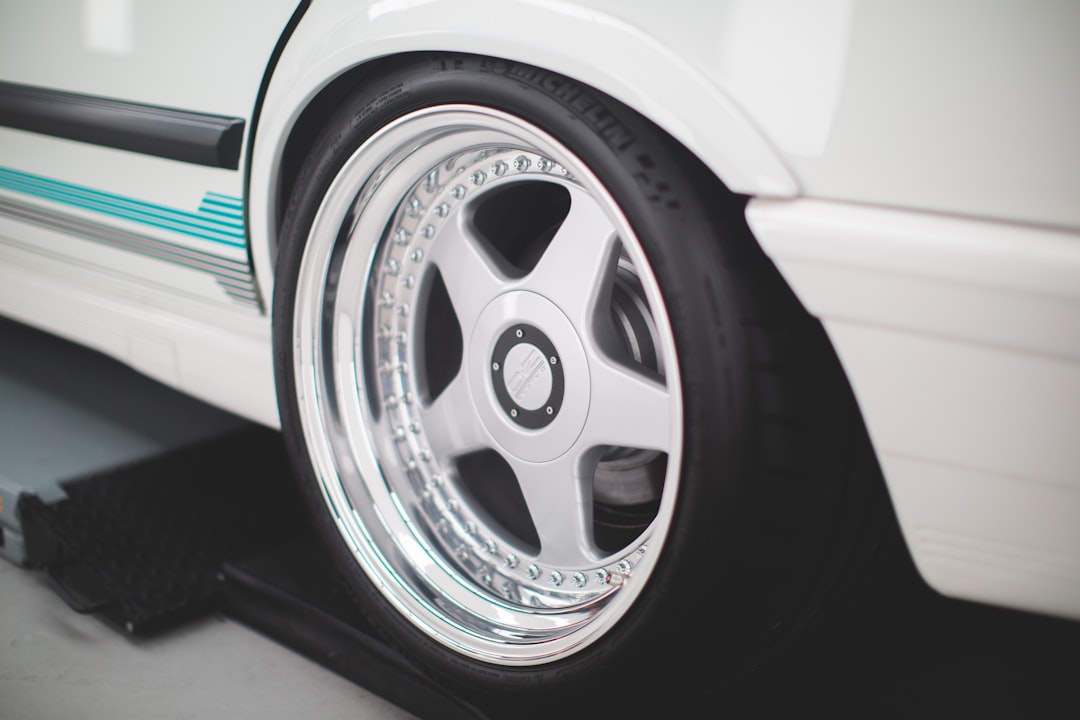
You’re standing in front of your car, contemplating your tires. They’ve served you well, or at least you hope they have. But how do you truly know if you’re maximizing their lifespan, and by extension, your investment and safety on the road? You’ve likely heard the name Michelin, a brand synonymous with automotive excellence, particularly when it comes to tires. But what lies behind their reputation for longevity? It’s not magic; it’s a carefully orchestrated symphony of advanced engineering, material science, and meticulous design. This article aims to demystify the factors that contribute to Michelin’s tire longevity secrets, providing you with insights you can apply to your own tire care.
Michelin’s approach to tire longevity begins at the most fundamental level: the rubber compound. It’s not just about rubber; it’s about the precise blend of polymers, fillers, and additives.
The Role of Silica in Tread Design
You might not think about the specific ingredients in your tires, but they are crucial. Michelin extensively utilizes silica, a material that has revolutionized tire technology.
Enhanced Traction and Reduced Wear
Traditionally, carbon black was the primary filler in tire treads, contributing to strength and durability. However, carbon black can lead to higher rolling resistance and less optimal grip in wet conditions. Silica, on the other hand, offers a remarkable dual benefit. It significantly improves wet grip by creating more contact points with the road surface, allowing water to be displaced more effectively. Simultaneously, it reduces the molecular friction within the tread compound, which translates directly to lower rolling resistance. This lower rolling resistance means your engine works less to propel the vehicle, leading to improved fuel efficiency. More importantly for longevity, it also means less heat generation within the tire during operation. Excessive heat is a notorious enemy of rubber, accelerating degradation and wear. By managing heat buildup through silica technology, Michelin tires are inherently designed to last longer.
Balancing Grip and Durability
The challenge for any tire manufacturer is to create a compound that provides excellent grip without sacrificing durability. A soft, sticky compound might offer superior initial traction, but it would wear down rapidly. Conversely, a very hard compound would be durable but compromise safety. Michelin’s innovation lies in its proprietary silica compounds, often referred to with specific trade names depending on the tire line. These compounds feature specially engineered silica particles and the use of coupling agents that chemically bond the silica to the rubber polymers. This results in a tread that is both tenacious on the road, providing reliable grip in various conditions, and resilient to the abrasive forces of friction. It’s a delicate balancing act, and their material science expertise allows them to achieve this balance with remarkable success.
Advanced Polymer Technology
Beyond the primary filler, the very structure of the polymers used in Michelin tires plays a significant role.
Synthetic Rubber Evolution
The evolution of synthetic rubber has been a key driver in tire performance. Michelin invests heavily in research and development to create and utilize advanced synthetic polymers that exhibit superior resistance to ozone, UV radiation, and heat aging. These aging processes cause rubber to become brittle, crack, and lose its structural integrity over time, even when the tire is not in use. By employing polymers that are inherently more resistant to these environmental factors, Michelin tires maintain their flexibility and strength for extended periods, contributing to their overall longevity and preventing premature sidewall degradation.
Functionalized Polymers for Optimal Performance
The sophistication extends to “functionalized” polymers, which are polymers that have been chemically modified at specific points to enhance their interaction with other components in the rubber compound. This functionalization allows for a more uniform dispersion of fillers like silica and carbon black, leading to a more consistent and durable tread. It also contributes to the tire’s ability to maintain its optimal performance characteristics – both grip and wear resistance – throughout its service life, rather than degrading progressively as it ages.
If you’re interested in uncovering the secrets behind Michelin tire longevity, you might also find the article on tire maintenance tips enlightening. It provides valuable insights into how proper care can significantly extend the life of your tires. For more information, check out the article here: Tire Maintenance Tips.
Engineering for Endurance: Tread Pattern and Construction
The physical design of the tire, from the tread blocks to the internal structure, is a critical determinant of its lifespan. Michelin’s engineering prowess is evident in how they approach these aspects.
The Science of Tread Grooves and Sipes
The seemingly decorative grooves and sipes on your tire are far from arbitrary. They are meticulously designed to perform specific functions that impact longevity.
Water Evacuation and Hydroplaning Resistance
The primary function of tread grooves is to evacuate water from the contact patch between the tire and the road. Efficient water expulsion is crucial for preventing hydroplaning, a dangerous condition where a layer of water separates the tire from the road. Michelin designs its groove geometry and spacing to optimize water flow, ensuring that even as the tire wears, its ability to clear water remains effective. This not only enhances safety but also prevents uneven wear patterns that can arise from aquaplaning, thus contributing to a longer, more uniform wear life.
Grip and Sipe Engagement
Sipes are the small, thin slits within the tread blocks. They act as biting edges, particularly on wet or slippery surfaces, significantly improving grip. However, they also have a role in longevity. As a tire wears, the depth of the sipes decreases. Michelin engineers consider this progressive wear when designing the sipe pattern. They aim to ensure that the sipes remain effective for a substantial portion of the tire’s life, providing consistent performance. Furthermore, the way sipes are designed can influence how tread blocks flex, which can, in turn, impact wear rates. Optimized sipe design helps distribute stress more evenly across the tread, preventing premature localized wear.
Internal Reinforcement and Structural Integrity
Beneath the tread lies the tire’s internal structure, a complex arrangement of cords and belts that provide strength and shape.
Advanced Belt Technologies
Michelin utilizes various advanced belt technologies to reinforce the tread area and maintain its shape under the stresses of driving. These can include steel belts, often with high-tensile strength, and innovative cap plies made from materials like aramid or nylon. These components work in concert to resist tread deformation, minimize contact patch distortion, and prevent premature wear. For instance, a cap ply that wraps around the tire structure helps to stabilize the tread and prevent it from “squirming” or moving excessively, which is a significant contributor to wear. The precise layering and angle of these belts are critical for distributing forces evenly across the tread surface, leading to more uniform wear and extending the tire’s life.
Sidewall Construction and Flex Zones
The sidewall of a tire is often overlooked in discussions of longevity, but it plays a vital role. It’s the part of the tire that flexes most significantly as the tire rotates and encounters road imperfections. Michelin engineers design sidewall compounds and constructions that are resistant to ozone cracking and flex fatigue. They also create optimized “flex zones” that allow the tire to absorb impacts efficiently without compromising structural integrity. A sidewall that remains flexible and resilient for longer prevents premature cracking and degradation, contributing to the overall lifespan of the tire, even if the tread remains visually sound.
The Science of Contact: Optimizing the Footprint
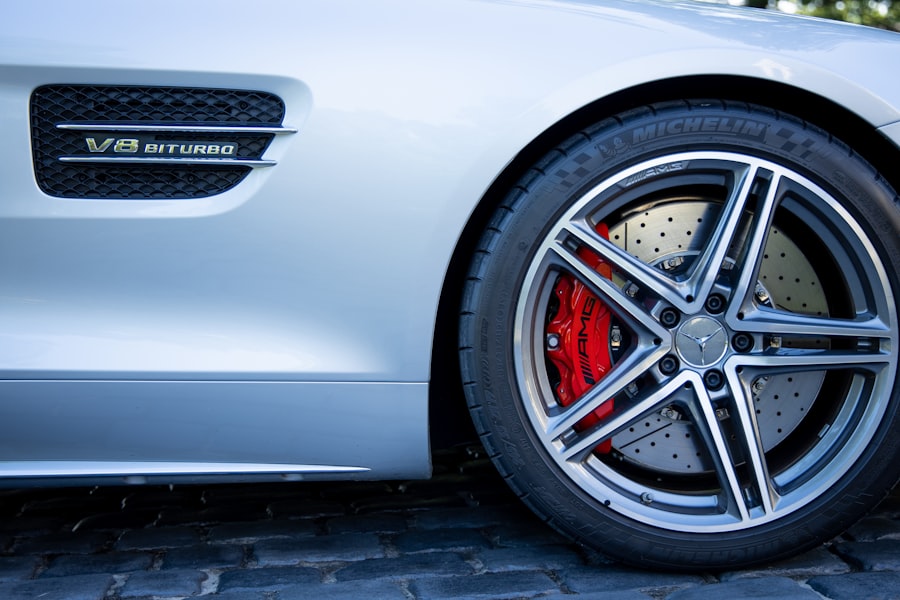
The footprint, or the area of the tire that makes contact with the road, is where all the magic happens – and where wear occurs. Michelin’s understanding of this crucial interface is key to their longevity.
Tread Block Stability and Variable Pitch Design
The individual segments of the tread pattern, known as tread blocks, are not static. Their design and how they interact with the road surface directly impact wear.
Minimizing Squirm and Abrasion
“Squirm” refers to the slight movement and deformation of tread blocks as the tire rolls. Excessive squirm leads to increased friction and abrasion, accelerating wear. Michelin employs tread block designs that minimize this squirm. This can involve optimizing block shapes, incorporating reinforcing bridges between blocks, and using variable pitch designs. Variable pitch tread designs feature tread blocks of different sizes and orientations, staggered around the circumference of the tire. This helps to break up repetitive noise frequencies, but it also serves to disrupt the formation of consistent wear patterns by ensuring that no single tread block experiences the exact same stress repeatedly with each rotation.
Load Distribution and Contact Pressure
The way weight is distributed across the contact patch is also critical. Michelin designs its tread patterns to ensure that the load is spread as evenly as possible across the entire footprint. Uneven load distribution leads to localized hotspots of higher pressure and increased friction, resulting in uneven wear. By engineering the tread blocks and the overall tire structure to maintain a consistent and optimized contact pressure, Michelin tires experience more uniform wear across their surface, maximizing their usable lifespan.
The Influence of Tire Pressure and Alignment
While this falls under your maintenance responsibilities, Michelin designs its tires with an understanding of how these external factors influence wear, and their products are engineered to be more forgiving.
Designing for Optimal Pressure Tolerance
Michelin tires are engineered to perform optimally within a specified range of inflation pressures. While under-inflation leads to increased flex and heat buildup, causing the edges of the tread to wear rapidly, and over-inflation causes the center of the tread to wear prematurely, Michelin’s compounds and construction are designed to offer a degree of resilience. However, adhering to the recommended tire pressure is paramount for achieving the designed longevity. You can find this information on the sticker inside your driver’s side doorjamb or in your vehicle’s owner’s manual.
Resistance to Alignment Issues
Misaligned wheels or suspension issues can lead to severe and uneven tire wear, often referred to as “feathering” or “cupping.” While no tire can withstand prolonged misalignment indefinitely, Michelin tires often exhibit a greater resistance to the immediate and drastic degradation that can occur in lesser-quality tires when these alignment problems are present. This isn’t an invitation to ignore alignment issues, but it speaks to the robust nature of their construction, which can absorb some of the increased stresses before catastrophic wear patterns emerge.
The Manufacturing Process: Precision and Quality Control
Even the most advanced materials and designs can be undermined by a flawed manufacturing process. Michelin’s commitment to quality control is a cornerstone of their longevity promise.
Uniformity and Balance in Production
The manufacturing of tires is a complex, multi-stage process. Michelin employs stringent quality control measures at every step to ensure uniformity and balance.
Minimizing Dimensional Imperfections
Slight variations in the thickness of the rubber, the tension of the internal cords, or the placement of components can lead to imbalances and uneven stress distribution within the tire. Michelin utilizes sophisticated machinery and inspection systems to minimize these dimensional imperfections. A tire that is manufactured with high degrees of uniformity will roll more smoothly, generate less heat, and experience more consistent wear patterns, all contributing to its lifespan.
Advanced Curing Processes
The curing process, where heat and pressure are applied to vulcanize the rubber, is critical for achieving the desired properties of the tire. Michelin uses advanced curing techniques that ensure precise temperature control and pressure distribution across the entire tire. This ensures that the rubber compound reaches its optimal state of strength, flexibility, and durability across the entire tire, preventing localized weak spots or premature degradation that could shorten its life.
Quality Assurance and Testing Protocols
Before a Michelin tire ever reaches your vehicle, it undergoes rigorous testing.
Laboratory and Track Testing
Michelin employs extensive laboratory testing to evaluate the wear characteristics of new compounds and designs under simulated conditions. This is complemented by real-world track testing, where tires are subjected to a wide range of driving scenarios, including high-speed runs, cornering, and braking, to assess their durability and wear rates. This data-driven approach allows them to refine their designs and identify potential longevity-related issues before the tires are put into mass production.
End-of-Life Considerations in Design
Interestingly, Michelin also considers the end-of-life of a tire during its design phase, not just in terms of wear but also in terms of potential for retreading or recycling. While this doesn’t directly increase the lifespan of a single tire for you, it reflects a holistic approach to tire management and sustainability that is often associated with manufacturers focused on long-term value and quality.
If you’re curious about the secrets behind Michelin tire longevity, you might find it interesting to explore a related article that delves into the science of tire maintenance and performance. This piece offers valuable insights into how proper care can significantly extend the life of your tires, ensuring safety and efficiency on the road. To read more about these essential tips, check out this informative article at this link.
The Michelin Advantage: Understanding Tire Technology and Maintenance
| Secrets for Michelin Tire Longevity | Benefits |
|---|---|
| High-Quality Rubber Compounds | Enhanced durability and longer lifespan |
| Advanced Tread Designs | Improved traction and wear resistance |
| Optimized Tire Construction | Increased stability and reduced rolling resistance |
| Proper Tire Inflation | Maximized fuel efficiency and even tread wear |
Ultimately, the longevity of your Michelin tires is a partnership between their advanced engineering and your diligent maintenance.
Understanding Your Tire’s Specific Technology
Michelin offers a wide range of tire lines, each designed for specific vehicle types and driving conditions. Understanding the technology behind your particular tires can help you appreciate their capabilities and limitations.
Decoding Tire Markings and Features
Take a moment to examine the sidewall of your tires. You may see technology names or symbols that hint at the advancements within. For example, technologies like EverGrip™ (for wet grip and longevity) or specific tread pattern names are indicators of Michelin’s proprietary innovations. Familiarizing yourself with these can empower you to make informed decisions about tire care.
The “Michelin Man” as a Symbol of Innovation
While the Michelin Man is a friendly mascot, he also represents a legacy of tire innovation spanning over a century. This history is built on continuous research and development aimed at improving tire performance, and longevity is a significant component of that performance equation.
Your Role in Maximizing Tire Life
While Michelin builds durability into their tires, you are the co-pilot in ensuring they reach their full potential.
Regular Inspections and Pressure Checks
You should be checking your tire pressure at least once a month, and before long trips. Under-inflated tires wear out faster and can be a safety hazard. Visually inspect your tires for any signs of unusual wear, cuts, bulges, or embedded objects. This simple habit can prevent minor issues from becoming major problems that shorten tire life.
Proper Rotation and Balancing
Tire rotation is crucial for ensuring that all tires wear evenly. The front tires on a front-wheel-drive vehicle, for instance, typically carry more load and do more braking, leading to faster wear. Rotating your tires according to your vehicle manufacturer’s recommendations (usually every 5,000-7,500 miles) helps to equalize this wear. Tire balancing ensures that the weight of the tire and wheel assembly is evenly distributed, preventing vibrations that can lead to uneven wear patterns.
Alignment is Key
As mentioned before, maintaining proper wheel alignment is essential. If you notice your tires are wearing unevenly, or if your car pulls to one side, it’s time to have your alignment checked by a qualified technician.
By understanding the intricate science and engineering that Michelin incorporates into its tires, and by committing to proper maintenance, you can unlock the full longevity potential of your tires, ensuring safety and value on every journey you take. It’s not just about reaching your destination; it’s about getting there reliably and efficiently, mile after mile.
FAQs
What are some factors that contribute to the longevity of Michelin tires?
Some factors that contribute to the longevity of Michelin tires include the use of high-quality rubber compounds, advanced tread designs, and innovative tire technologies. Michelin tires are also known for their durability and resistance to wear and tear.
How does proper tire maintenance impact the longevity of Michelin tires?
Proper tire maintenance, such as regular tire rotations, proper inflation, and wheel alignments, can significantly impact the longevity of Michelin tires. By following the manufacturer’s recommended maintenance schedule, drivers can ensure that their tires wear evenly and last longer.
What are some tips for maximizing the longevity of Michelin tires?
Some tips for maximizing the longevity of Michelin tires include avoiding aggressive driving, maintaining proper tire pressure, avoiding overloading the vehicle, and regularly inspecting the tires for signs of wear or damage. Additionally, storing tires in a cool, dry place when not in use can help preserve their longevity.
What is the warranty coverage for Michelin tires?
Michelin offers a limited warranty that covers defects in workmanship and materials for the life of the original usable tread, or for 6 years from the date of purchase, whichever comes first. The warranty also includes a 30-day satisfaction guarantee, allowing customers to exchange their tires if they are not satisfied with their performance.
Are there any specific tire models from Michelin known for their longevity?
Michelin offers a range of tire models known for their longevity, including the Michelin Defender, Michelin Premier A/S, and Michelin Pilot Sport A/S 3+. These tires are designed to provide long-lasting performance and durability, making them popular choices for drivers seeking longevity in their tires.