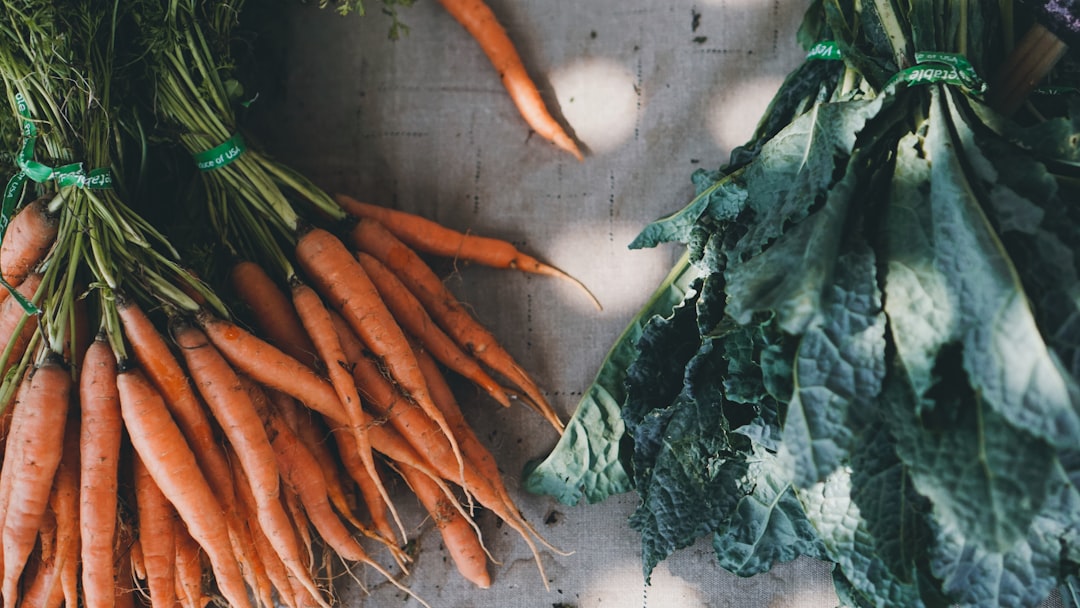
Organic farming has historical origins dating back thousands of years, predating the introduction of synthetic agricultural chemicals. Ancient civilizations in Mesopotamia and Egypt implemented natural farming methods, including composting and crop rotation to preserve soil fertility. The formal organic farming movement, however, emerged in the early 20th century in response to concerns about the environmental and health consequences of industrial agricultural practices.
During the 1940s and 1950s, significant contributions to organic farming theory and practice came from Sir Albert Howard and Lady Eve Balfour, who emphasized soil health and biodiversity as fundamental principles. Their approach advocated for agricultural methods that worked in harmony with natural ecosystems. The organic movement gained significant momentum during the 1960s and 1970s, coinciding with broader environmental awareness and interest in sustainable practices.
This period saw the establishment of influential organizations including the Soil Association in the United Kingdom and the Organic Trade Association in the United States, which helped formalize standards and increase public awareness about organic food production.
Key Takeaways
- Organic farming has a rich history rooted in sustainable agricultural practices.
- Soil health is fundamental to successful organic farming and ecosystem balance.
- Organic farming minimizes synthetic pesticide and herbicide use, promoting environmental safety.
- Organic products often come with higher costs due to labor-intensive methods and certification.
- The future of organic farming focuses on innovation, sustainability, and addressing current challenges.
Understanding Organic Certification
As you navigate the world of organic farming, understanding organic certification becomes crucial. Organic certification is a process that ensures farmers adhere to specific standards set by regulatory bodies. These standards typically prohibit the use of synthetic pesticides, herbicides, and fertilizers, as well as genetically modified organisms (GMOs).
When you see a product labeled as “organic,” it signifies that it has undergone rigorous inspection and meets these established criteria. This certification process not only assures consumers of the integrity of their food but also supports farmers who are committed to sustainable practices. The certification process can be complex and time-consuming, often requiring farmers to maintain detailed records of their practices for several years.
You may find it interesting that there are different certification bodies across various countries, each with its own set of regulations. In the United States, for instance, the USDA National Organic Program (NOP) oversees organic certification, while other countries have their own governing organizations. As you consider purchasing organic products, knowing that they have been certified can provide peace of mind, ensuring that you are supporting agricultural practices that prioritize environmental health and sustainability.
The Importance of Soil Health in Organic Farming

Soil health is at the heart of organic farming, serving as the foundation for healthy crops and ecosystems. When you think about organic farming, consider how it emphasizes nurturing the soil rather than depleting it. Organic farmers employ practices such as cover cropping, crop rotation, and composting to enhance soil fertility and structure.
These methods not only improve nutrient availability but also promote biodiversity within the soil ecosystem. As you learn more about these practices, you will appreciate how they contribute to a resilient agricultural system capable of withstanding pests and diseases. Moreover, healthy soil plays a vital role in carbon sequestration, helping to mitigate climate change.
By fostering a rich microbial community and maintaining soil structure, organic farming can capture carbon dioxide from the atmosphere and store it in the ground. This process not only benefits the environment but also enhances crop yields over time. As you reflect on the significance of soil health in organic farming, you will recognize that it is not merely about growing food; it is about cultivating a sustainable future for generations to come.
The Role of Pesticides and Herbicides in Organic Farming
While organic farming aims to minimize chemical inputs, it does not completely eliminate the use of pesticides and herbicides. Instead, organic farmers utilize natural alternatives that are less harmful to human health and the environment. You may be surprised to learn that many organic-approved substances are derived from plants or minerals and have been used for centuries in traditional agriculture.
For instance, neem oil and diatomaceous earth are common organic pest control methods that can effectively manage infestations without resorting to synthetic chemicals. Understanding the role of pesticides in organic farming requires recognizing that these substances are used judiciously and as a last resort. Organic farmers prioritize preventive measures such as crop rotation, companion planting, and maintaining biodiversity to reduce pest pressure.
When you choose organic products, you are supporting a system that values ecological balance over chemical dependence. This approach not only protects beneficial insects but also contributes to healthier ecosystems overall.
The Impact of Organic Farming on the Environment
| Aspect | Description | Metric / Data |
|---|---|---|
| Definition | Organic refers to agricultural products grown without synthetic pesticides, fertilizers, genetically modified organisms (GMOs), or ionizing radiation. | N/A |
| Certification Standards | Regulated by organizations such as USDA Organic, EU Organic, and others ensuring compliance with organic farming practices. | Over 80 countries have organic certification programs |
| Use of Pesticides | Only natural or approved substances are allowed; synthetic pesticides are prohibited. | 0% synthetic pesticides allowed |
| Soil Health | Organic farming emphasizes soil fertility through crop rotation, composting, and natural amendments. | Up to 30% increase in soil organic matter over 5 years |
| Environmental Impact | Organic farming reduces chemical runoff and promotes biodiversity. | 30-50% less nitrogen runoff compared to conventional farming |
| Yield Comparison | Organic yields can be lower than conventional but vary by crop and region. | Organic yields average 80-90% of conventional yields |
| Health Benefits | Organic foods often have lower pesticide residues and may have higher antioxidant levels. | Up to 48% lower pesticide residues in organic produce |
| Cost to Consumer | Organic products typically cost more due to labor-intensive practices and certification costs. | Organic foods cost 20-40% more on average |
The environmental impact of organic farming is a topic that resonates deeply with many consumers today. As you explore this subject, consider how organic practices contribute to biodiversity conservation and ecosystem health. By avoiding synthetic chemicals and promoting natural pest control methods, organic farmers help protect pollinators like bees and butterflies, which are essential for food production.
Additionally, organic farming often incorporates agroecological principles that enhance habitat diversity, providing refuge for various species. Furthermore, organic farming practices can lead to improved water quality by reducing runoff from chemical fertilizers and pesticides. When you think about how conventional agriculture can contribute to water pollution through nutrient leaching, it becomes clear that organic methods offer a more sustainable alternative.
By prioritizing soil health and employing practices like cover cropping and reduced tillage, organic farmers help maintain clean waterways and promote healthier ecosystems.
The Benefits of Organic Farming for Human Health

When considering your own health and well-being, the benefits of consuming organic products become increasingly apparent. Research suggests that organic foods may contain higher levels of certain nutrients compared to their conventionally grown counterparts. As you incorporate more organic fruits and vegetables into your diet, you may find yourself reaping the rewards of increased vitamins, minerals, and antioxidants.
This nutritional advantage can play a significant role in supporting your overall health. Moreover, choosing organic products can reduce your exposure to harmful chemicals found in conventional agriculture. Pesticide residues on food have raised concerns among consumers regarding potential health risks.
By opting for organic options, you are making a conscious choice to minimize your exposure to these substances. As you reflect on your dietary choices, consider how supporting organic farming aligns with your values regarding health and sustainability.
The Differences Between Organic and Conventional Farming
As you delve into the distinctions between organic and conventional farming, it becomes clear that these two approaches represent fundamentally different philosophies regarding agriculture. Conventional farming often relies heavily on synthetic fertilizers and pesticides to maximize yields quickly.
This fundamental difference shapes not only farming practices but also the quality of food produced. You may also notice differences in how these systems approach animal welfare. Organic standards require that livestock have access to outdoor spaces and are fed organic feed free from antibiotics or growth hormones.
This commitment to humane treatment contrasts sharply with some conventional practices that prioritize efficiency over animal welfare. As you consider your food choices, understanding these differences can empower you to make informed decisions that align with your values.
The Challenges Faced by Organic Farmers
Despite its many benefits, organic farming is not without its challenges. As you explore this landscape, consider how organic farmers often face higher production costs due to labor-intensive practices and lower yields during the transition period from conventional to organic methods. This financial burden can be daunting for many farmers who are committed to sustainable practices but struggle to compete with larger conventional operations.
Additionally, organic farmers must navigate regulatory hurdles associated with certification processes and compliance with strict standards. You may find it interesting that these challenges can create barriers for new entrants into the market or small-scale farmers who lack resources or support systems. As you reflect on these obstacles, consider how supporting local organic farms can help create a more equitable agricultural landscape.
The True Cost of Organic Products
When you purchase organic products, you may notice a price difference compared to conventional options. Understanding the true cost of organic products involves recognizing the various factors contributing to this price disparity.
However, as you weigh these costs against the benefits—such as improved environmental health and reduced chemical exposure—you may find that investing in organic products aligns with your values. Moreover, consider how supporting organic agriculture contributes to a more sustainable food system overall. By choosing organic products, you are not only investing in your health but also supporting farmers who prioritize ecological balance and social responsibility.
As you reflect on your purchasing decisions, think about how they impact not just your own well-being but also the broader agricultural landscape.
The Ethics and Values of Organic Farming
At its core, organic farming embodies a set of ethical values centered around sustainability, environmental stewardship, and social responsibility. When you choose organic products, you are supporting a system that prioritizes humane treatment of animals, fair labor practices, and ecological balance. These values resonate with many consumers who seek to align their purchasing decisions with their beliefs about food production.
As you explore the ethics of organic farming further, consider how this approach fosters community connections between consumers and producers. Many organic farms emphasize transparency in their practices, allowing consumers to understand where their food comes from and how it is grown. This connection can create a sense of trust and accountability within the food system—an essential aspect of building a more sustainable future.
The Future of Organic Farming
Looking ahead, the future of organic farming appears promising yet challenging as consumer demand continues to rise alongside concerns about climate change and food security. You may find it encouraging that advancements in technology are paving new paths for organic agriculture—such as precision farming techniques that enhance efficiency while maintaining sustainability principles. These innovations can help address some challenges faced by organic farmers while ensuring they remain competitive in an evolving market.
Moreover, as awareness grows regarding the importance of sustainable practices for both human health and environmental well-being, there is potential for increased support from policymakers and consumers alike. You might consider how advocating for policies that promote organic agriculture can contribute to a more resilient food system capable of meeting future challenges head-on. As you reflect on these possibilities, remember that your choices as a consumer play a vital role in shaping the future landscape of agriculture—one where sustainability takes center stage.
Understanding what “organic” really means can be quite complex, as it encompasses various practices and standards in agriculture and food production. For a deeper dive into this topic, you might find the article on Hey Did You Know This particularly enlightening, as it explores the nuances of organic labeling and its implications for consumers.
FAQs
What does “organic” mean in food labeling?
Organic refers to a method of farming and food production that avoids synthetic chemicals, pesticides, genetically modified organisms (GMOs), and emphasizes natural processes and sustainability.
Are organic foods healthier than conventional foods?
Organic foods often have lower pesticide residues and may contain higher levels of certain nutrients, but scientific evidence on overall health benefits is mixed and not conclusive.
How is organic certification regulated?
Organic certification is regulated by government agencies, such as the USDA in the United States, which set strict standards for farming practices, processing, and labeling to ensure products meet organic criteria.
Can organic foods contain pesticides?
Yes, organic farming allows the use of certain natural or non-synthetic pesticides, but synthetic pesticides and herbicides are prohibited.
Is organic farming better for the environment?
Organic farming generally promotes soil health, biodiversity, and reduces chemical runoff, but it may require more land to produce the same yield as conventional farming.
Does “organic” mean the food is GMO-free?
Yes, certified organic products cannot contain genetically modified organisms (GMOs).
Are all natural products considered organic?
No, “natural” is not the same as “organic.” Natural products may not meet the strict standards required for organic certification.
Is organic meat different from conventional meat?
Organic meat comes from animals raised without antibiotics or synthetic hormones and fed organic feed, adhering to animal welfare standards.
How can consumers identify organic products?
Look for official organic certification labels on packaging, such as the USDA Organic seal in the United States.
Is organic food more expensive than conventional food?
Organic foods often cost more due to more labor-intensive farming practices, certification costs, and lower yields.