
Decoding Cosmetic Labels: How to Read Ingredients
Navigating the world of cosmetics can feel like deciphering an ancient scroll, littered with chemical names that resemble incantations. You meticulously select products based on their promises of eternal youth, radiant skin, or vibrant hair, yet the true story often lies not in the marketing jargon but in the unassuming list of ingredients. Understanding these labels is your key to unlocking the secrets behind your beauty products, empowering you to make informed choices and avoid potential pitfalls. This guide will equip you with the knowledge to become your own cosmetic detective, sifting through the complex terminology to reveal what you’re truly applying to your skin and hair.
The first and most crucial aspect of decoding cosmetic labels is understanding the order in which ingredients are listed. Think of the ingredient list as a recipe, where the primary ingredients are listed first.
The Weighty Matters of Percentage
- Dominant Players: Ingredients are listed in descending order of concentration by weight. This means that the first few ingredients on the list are present in the largest quantities. If water (Aqua) is at the very top, it’s likely the base of your product, making up the bulk of its volume. This is not inherently bad, as water is a crucial solvent and carrier for many beneficial ingredients. However, if you’re seeking a highly concentrated formula of a specific active ingredient, you’d want that ingredient to appear much higher up on the list, preferably within the first five or so.
- The Middle Ground: As you move down the list, the concentration of ingredients decreases. Ingredients listed from roughly the fourth to the tenth position are still present in significant amounts, typically composing several percent of the total formula. This is where you’ll often find emollients, humectants, and other functional ingredients that contribute to the product’s texture, feel, and basic efficacy.
- The Supporting Cast: Ingredients listed at the end of the list are present in very small quantities, often less than 1%. These can include preservatives, colorants, fragrances, and certain potent active ingredients that are effective even at low concentrations. Don’t dismiss these entirely; sometimes, a little can go a long way, especially with powerful antioxidants or vitamins.
The “Less Than 1%” Caveat
- A Special Designation: The U.S. Food and Drug Administration (FDA) allows ingredients present in concentrations of less than 1% to be listed in any order after all ingredients present in higher concentrations. This is a crucial point to remember. A seemingly short ingredient list for a product might actually be quite extensive if many of its ingredients fall into this less-than-1% category.
- The Surprise Element: This means that two products with superficially similar ingredient lists might have different “less than 1%” components. A product that appears to have a wonderfully short ingredient list might still contain a hidden preservative or fragrance that you are sensitive to. Conversely, a product with a longer list might be more comprehensive with its beneficial additives.
Understanding how to read cosmetic ingredient labels is essential for making informed choices about the products we use on our skin. For a deeper dive into this topic, you can explore the article that provides valuable insights and tips on deciphering these labels effectively. Check it out here: How to Read Cosmetic Ingredient Labels. This resource will help you identify key ingredients and understand their functions, ensuring that you select products that align with your skincare needs.
Understanding Ingredient Categories: The Building Blocks of Your Beauty
Cosmetic ingredients can be broadly categorized based on their function within the product. Recognizing these functions will help you understand the purpose of each component.
The Hydrators and Moisturizers: The Water Reservoirs
- Humectants: These are ingredients that attract water from the environment and draw it into the skin. Think of them as tiny sponges, soaking up moisture. Common examples include glycerin, hyaluronic acid, and sorbitol. They are essential for keeping skin hydrated and plump.
- Emollients: Emollients help to soften and smooth the skin by filling in the spaces between skin cells. They create a smooth surface, reducing roughness and flakiness. Examples include shea butter, cocoa butter, various plant oils (like jojoba, argan, or sunflower oil), and silicones. Some emollients also have occlusive properties, meaning they form a barrier to prevent water loss.
- Occlusives: These ingredients form a physical barrier on the skin’s surface, sealing in moisture and preventing transepidermal water loss (TEWL). They are particularly useful for dry or compromised skin. Examples include petrolatum (petroleum jelly), mineral oil, dimethicone (a type of silicone), and waxes like beeswax or carnauba wax.
The Cleansers: The Dirt Dissolvers
- Surfactants: This is the primary category of cleansing agents. Surfactants (short for surface-active agents) work by reducing the surface tension of water, allowing it to mix with oil and dirt. They have a hydrophilic (water-loving) head and a lipophilic (oil-loving) tail, enabling them to lift and encapsulate impurities. Different types of surfactants exist, varying in their gentleness and foaming properties. Common examples include sodium lauryl sulfate (SLS) and sodium laureth sulfate (SLES) (known for their strong cleansing and foaming abilities but can be irritating for some), cocamidopropyl betaine (a milder surfactant), and decyl glucoside.
The Active Ingredients: The Performance Enhancers
- Vitamins: Many vitamins are incorporated into cosmetic formulations for their antioxidant, brightening, or anti-aging properties. Vitamin C (ascorbic acid and its derivatives) is a potent antioxidant that can help brighten the skin and stimulate collagen production. Vitamin E (tocopherol) is another antioxidant that helps protect the skin from damage. Niacinamide (Vitamin B3) is a multi-tasker, known for its ability to improve skin texture, reduce redness, and strengthen the skin barrier.
- Antioxidants: Beyond vitamins, a wide array of antioxidants are used to combat free radical damage, which contributes to premature aging. Examples include resveratrol, green tea extract, ferulic acid, and coenzyme Q10.
- Exfoliants: These ingredients help to remove dead skin cells from the skin’s surface, revealing brighter, smoother skin underneath. They can be chemical or physical.
- Chemical Exfoliants: Alpha hydroxy acids (AHAs) like glycolic acid and lactic acid work by dissolving the bonds between dead skin cells. Beta hydroxy acids (BHAs) like salicylic acid are oil-soluble and can penetrate pores, making them effective for acne-prone skin.
- Physical Exfoliants: These are granular materials that manually slough off dead skin. Examples include ground nuts (like apricot kernels), sugar, or microbeads (though the use of plastic microbeads is now largely phased out due to environmental concerns).
The Stabilizers and Preservatives: The Guardians of Freshness
- Preservatives: These are crucial for preventing the growth of bacteria, mold, and yeast in cosmetic products, which would otherwise spoil quickly and potentially cause infections. Common preservatives include parabens (e.g., methylparaben, propylparaben), phenoxyethanol, sodium benzoate, and potassium sorbate. While parabens have faced scrutiny, they are generally considered safe by regulatory bodies when used within approved limits.
- Stabilizers: These ingredients help to maintain the product’s consistency, texture, and overall integrity. They can prevent ingredients from separating or degrading over time. Examples include various emulsifiers and thickeners like carbomers or xanthan gum.
The Sensory Enhancers: The Appeal Architects
- Fragrance (Parfum/Fragrance): This is a catch-all term for a complex mixture of scent compounds. It can be natural (derived from essential oils) or synthetic. For individuals with sensitive skin or fragrance allergies, this is often an ingredient to look out for.
- Colorants: These are pigments or dyes that give the product its color. They are typically listed with a Color Index (CI) number, such as CI 77491 (iron oxide red) or CI 19140 (yellow 5).
Navigating the Minefield: What to Watch Out For
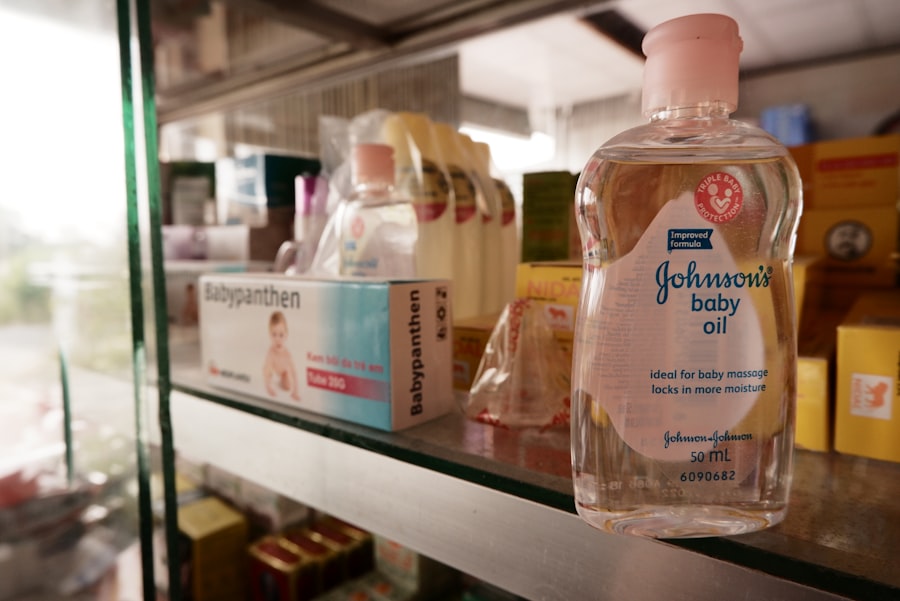
While many ingredients are beneficial, a keen eye is necessary to identify those that might be problematic for your specific skin type or concerns. Think of this as learning the “red flags” in your ingredient list.
Potentially Irritating Ingredients
- Sulfates (SLS/SLES): As mentioned, Sodium Lauryl Sulfate (SLS) and Sodium Laureth Sulfate (SLES) are potent cleansing agents that can strip the skin of its natural oils, leading to dryness, irritation, and even inflammation, especially for those with sensitive skin or conditions like eczema.
- Fragrance (Parfum/Fragrance): The broad term “fragrance” can encompass dozens or even hundreds of undisclosed chemical compounds. These are a common source of allergic reactions and contact dermatitis for many individuals. If you experience unexplained redness, itching, or breakouts after using a product, fragrance is a prime suspect.
- Certain Alcohols: While not all alcohols are detrimental, some can be drying and irritating. Denatured alcohol, ethanol, and isopropyl alcohol, when found high up on the ingredient list, can strip the skin of its moisture and disrupt its barrier function. Fatty alcohols like cetyl alcohol, stearyl alcohol, and cetearyl alcohol, however, are generally considered moisturizing and beneficial.
- Essential Oils: While often lauded for their natural appeal and therapeutic properties, essential oils are highly concentrated and can be potent irritants for some individuals, especially when applied directly to the skin in high concentrations or when used by those with sensitive skin or allergies. Examples include lavender, tea tree, citrus oils, and peppermint oil.
Ingredients to Consider Based on Your Concerns
- Acne-Prone Skin: While salicylic acid can be beneficial, some individuals might find comedogenic ingredients (those that can clog pores) problematic. Common culprits include certain silicones (though not all are comedogenic), heavy oils like coconut oil or cocoa butter, and isopropyl myristate. Look for products specifically labeled “non-comedogenic.”
- Sensitive Skin: Beyond the aforementioned irritants, be mindful of ingredients that can cause redness or inflammation. These can include harsh preservatives, artificial dyes, and certain botanical extracts that you may have a personal sensitivity to. Patch testing new products is always a wise precaution.
- Mature Skin: While many ingredients benefit mature skin, be aware of potentially drying agents that could exacerbate the signs of aging. Conversely, seek out ingredients rich in antioxidants, peptides, and growth factors that can support collagen production and improve skin elasticity.
“Natural” vs. “Synthetic”: A False Dichotomy?

The allure of “natural” ingredients is powerful, often conjuring images of purity and gentleness. However, the distinction between natural and synthetic is more nuanced than it appears on the surface.
The “Natural” Label: A Marketing Tool?
- No Universal Definition: The term “natural” is not strictly regulated in the cosmetic industry. This means that a product labeled “natural” might still contain synthesized ingredients or have undergone significant chemical processing.
- Potency and Purity: Not all natural ingredients are inherently safe or effective. Some natural extracts can be potent allergens or irritants. Conversely, synthetic ingredients are often created to mimic or enhance the beneficial properties of natural compounds, offering greater stability, efficacy, and purity.
- The Power of Processing: Even ingredients derived from nature undergo processing to be incorporated into cosmetic formulations. Water, for instance, is purified. Oils are extracted and refined. Understanding the extent of this processing can offer more insight than simply relying on the “natural” label.
The Benefits of Synthetic Ingredients
- Consistency and Stability: Synthetic ingredients can be manufactured to precise specifications, ensuring consistent quality and performance. This also means they are often more stable in formulations, giving products a longer shelf life without relying on excessive amounts of preservatives.
- Efficacy and Innovation: Chemical innovation has led to the development of highly effective synthetic ingredients that offer targeted benefits, such as advanced UV filters, potent anti-aging compounds, and superior moisturizing agents that may not be achievable with natural sources alone.
- Cost-Effectiveness: In many cases, synthetic ingredients can be more cost-effective to produce than their natural counterparts, making cosmetic products more accessible to a wider consumer base.
Understanding how to read cosmetic ingredient labels is essential for making informed choices about the products you use on your skin. Many consumers are unaware of the potential effects of certain chemicals and additives in their cosmetics. For those looking to deepen their knowledge, a related article can be found here, which provides valuable insights into deciphering these labels and understanding what each ingredient does. By becoming more informed, you can better protect your skin and overall health while enjoying your favorite beauty products.
The Ingredient Glossary: Your Personal Dictionary
| Ingredient Category | Common Ingredients | Purpose | What to Look For | Potential Concerns |
|---|---|---|---|---|
| Emollients | Shea Butter, Jojoba Oil, Glycerin | Moisturize and soften skin | Natural oils and humectants | Allergic reactions in sensitive skin |
| Preservatives | Parabens, Phenoxyethanol, Benzyl Alcohol | Prevent microbial growth | Look for safer alternatives like phenoxyethanol | Some parabens linked to hormone disruption |
| Fragrances | Parfum, Essential Oils | Add scent to product | Check for “fragrance-free” if sensitive | Can cause irritation or allergies |
| Surfactants | Sodium Lauryl Sulfate, Cocamidopropyl Betaine | Cleanse and create foam | Mild surfactants preferred for sensitive skin | Harsh surfactants can dry skin |
| Active Ingredients | Retinol, Salicylic Acid, Vitamin C | Treat specific skin concerns | Concentration and order in list matter | May cause irritation if overused |
| Colorants | CI 77491, Titanium Dioxide | Add color to product | Natural colorants preferred | Some synthetic dyes may irritate |
Familiarizing yourself with common ingredient names and their functions will transform you from a passive consumer into an informed decision-maker. Think of this as building your own personal lexicon of skincare.
Common Ingredient Nomenclature
- Water (Aqua): As you’ll see repeatedly, water is the most common ingredient in most cosmetic formulations, acting as a solvent and carrier.
- Glycerin: A humectant that attracts moisture to the skin.
- Hyaluronic Acid: A powerful humectant that can hold a significant amount of water, plumping and hydrating the skin.
- Dimethicone: A silicone that acts as an emollient and occlusive, providing a smooth feel and reducing water loss.
- Cetyl Alcohol, Stearyl Alcohol, Cetearyl Alcohol: Fatty alcohols that are emollients and thickeners, generally not irritating.
- Phenoxyethanol: A common preservative.
- Caprylic/Capric Triglyceride: A skin-conditioning agent derived from coconut oil and glycerin, acting as an emollient.
- Tocopherol (Vitamin E): An antioxidant.
- Ascorbic Acid (Vitamin C): A potent antioxidant and skin brightener.
- Niacinamide (Vitamin B3): A multi-tasking ingredient with anti-inflammatory and barrier-strengthening properties.
Decoding Chemical Names
- The “-ate” and “-ide” Endings: Many chemical compounds end in “-ate” or “-ide.” For example, sodium benzoate is a salt used as a preservative. These endings often indicate a specific type of chemical bond or structure.
- Greek and Latin Roots: Chemical names often draw from Greek and Latin roots, indicating their constituent parts or origin. For example, “glyceryl” refers to glycerol, a derivative of glycerin.
- Common Prefixes and Suffixes: Familiarize yourself with common prefixes and suffixes like “poly-” (meaning many), “mono-” (meaning one), “eth-” (referring to ethylene oxide), and “-yl” (indicating a radical). For instance, polyethylene glycol (PEG) refers to a polymer chain.
By investing a little time in understanding cosmetic labels, you are investing in your own well-being. You are moving beyond the glossy advertisements and into a realm of tangible knowledge, allowing you to curate a beauty routine that truly serves your needs, respects your skin, and empowers you to make confident, informed choices. This is not about turning into a chemist, but about becoming a discerning consumer, equipped with the tools to read the fine print and uncover the truth behind the beauty.
FAQs
What information can I find on a cosmetic ingredient label?
Cosmetic ingredient labels list all the substances used in the product, typically in descending order by weight. This includes active ingredients, preservatives, fragrances, colorants, and other components.
How are ingredients ordered on cosmetic labels?
Ingredients are usually listed from the highest concentration to the lowest. Ingredients present at less than 1% may be listed in any order after those above 1%.
What do INCI names mean on cosmetic labels?
INCI stands for International Nomenclature of Cosmetic Ingredients. These standardized names are used globally to identify ingredients consistently on cosmetic labels.
Are allergens required to be listed on cosmetic ingredient labels?
Yes, many countries require that common allergens, such as certain fragrances or preservatives, be clearly indicated on cosmetic labels to inform consumers who may have sensitivities.
How can I identify harmful ingredients on a cosmetic label?
To identify potentially harmful ingredients, consumers should research common irritants or toxic substances, such as parabens, sulfates, or phthalates, and check if they appear on the label. Consulting reliable sources or databases can help interpret ingredient safety.