Lightbulb lifespan, a concept as pervasive as the light itself, has long been a subject of public perception that often diverges from scientific reality. The common narrative, a whispered legend passed down through generations, suggests that bulbs are designed to fail prematurely, a conspiracy orchestrated by manufacturers to ensure endless sales. However, a closer examination reveals a more nuanced truth, one that untangles the threads of myth from factual engineering. This article aims to shed light on these misconceptions, dissecting the factors that truly influence a lightbulb’s longevity and understanding why the idea of a pre-determined expiration date is largely a fallacy.
The notion that lightbulb manufacturers intentionally limit the lifespan of their products is a persistent one, often termed “planned obsolescence.” This theory posits that bulbs are engineered with a specific, shorter lifespan than they are technically capable of achieving. The purported goal is to compel consumers to purchase replacements more frequently, thereby boosting sales and profits. This narrative gained traction in the early 20th century, amplified by anecdotal evidence and a general distrust of corporate practices.
The Genesis of the Conspiracy Theory
The story often begins with the Phoebus cartel, a group of major incandescent light bulb manufacturers that allegedly colluded in the 1920s and 1930s to artificially reduce the lifespan of their products. Historical accounts suggest that by standardizing filament designs and manufacturing processes, they were able to achieve a reduction in bulb life from over 2,000 hours to a mere 1,000 hours. This historical event has become the bedrock upon which the modern planned obsolescence myth is built.
Dissecting the Evidence
While the Phoebus cartel’s existence and actions are largely historical fact, interpreting their intent solely as an act of planned obsolescence for profit requires careful consideration. Several factors contributed to the standardization of bulb life at the time. One significant factor was the desire for greater consistency and reliability in performance across different brands. A bulb that lasted for wildly varying lengths of time could be just as frustrating to consumers as one that failed too soon. Furthermore, advancements in materials science and manufacturing techniques were still in their nascent stages. Achieving longer lifespans across the board might have been technically challenging or prohibitively expensive for mass production at that specific juncture. It is also important to acknowledge that competition, even in early forms, naturally drives innovation. Companies seeking to outperform their rivals would have had an incentive to produce longer-lasting bulbs if it were a significant selling point and technically feasible. The idea of a cartel holding back revolutionary technology for decades in the face of market forces is conceptually difficult to sustain without more concrete evidence of active suppression of superior designs beyond the initial standardization efforts. The lifespan of early incandescent bulbs also represented a considerable improvement over earlier forms of artificial lighting, contributing to their widespread adoption. Therefore, while the cartel’s actions can be seen as limiting potential lifespan, attributing it solely to a deliberate conspiracy to fail is an oversimplification.
The Shifting Landscape of Technology
It is crucial to recognize that the lightbulb industry has undergone seismic shifts since the era of the Phoebus cartel. The advent and widespread adoption of fluorescent and, more recently, LED lighting technologies have fundamentally altered the dynamics of bulb lifespan and obsolescence. These newer technologies are inherently designed for much longer operational periods, often measured in tens of thousands of hours. If the primary goal was simply to sell more bulbs, the incentive to maintain short lifespans for incandescent bulbs would diminish as superior, longer-lasting alternatives became available. The very existence and success of LED technology strongly contradict the idea of a sustained, industry-wide conspiracy to limit bulb lifespan indefinitely.
In exploring the myth versus reality of lightbulb lifespan, it’s interesting to consider how consumer perceptions often differ from actual performance. For a deeper understanding of this topic, you can read a related article that delves into the science behind lightbulb longevity and the factors that influence it. Check it out here: Myth vs Reality of Lightbulb Lifespan.
The Science of Filament Endurance
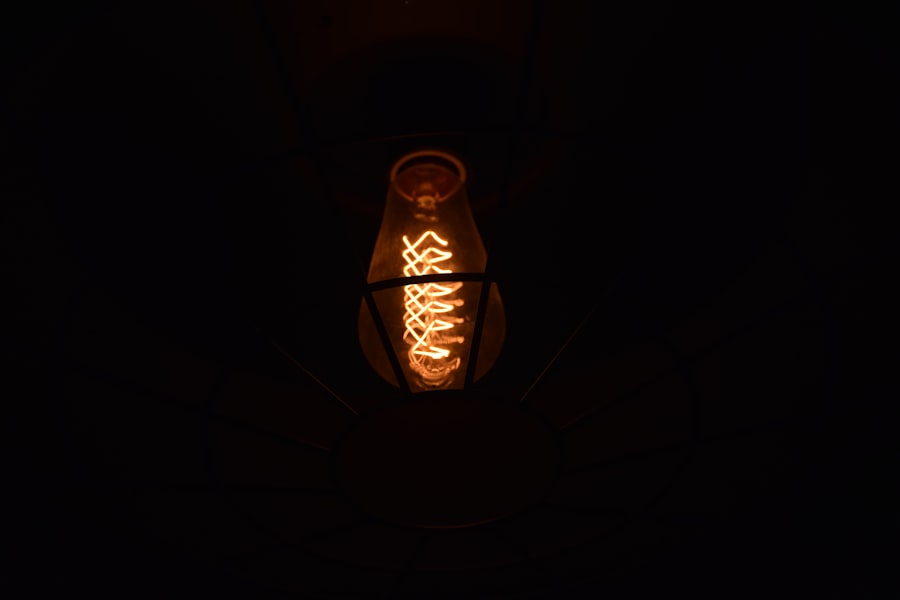
The lifespan of an incandescent light bulb is intrinsically linked to the physical properties and behavior of its filament. This delicate wire, typically made of tungsten, is the heart of the bulb, glowing brightly when electrical current passes through it. Understanding the science behind its endurance, or lack thereof, is key to debunking myths.
Tungsten Filaments: A Delicate Dance
The tungsten filament in an incandescent bulb operates at extremely high temperatures, often exceeding 2,500 degrees Celsius. At these temperatures, tungsten atoms begin to sublimate, a process where the solid material directly transitions into a gas. This sublimation is responsible for the gradual thinning of the filament over time. As the filament becomes thinner, its electrical resistance increases, leading to a brighter light output. However, this also concentrates heat in certain areas, accelerating the sublimation process and creating “hot spots.”
The Inevitability of Thinning
The thinning of the filament is a continuous process from the moment the bulb is switched on. It is not a sudden failure point initiated by a specific trigger, but rather a gradual degradation. The rate of sublimation is influenced by several factors, including the filament’s initial thickness, the purity of the tungsten, and the presence of inert gases within the bulb. These gases, typically argon or nitrogen, are added to slow down the sublimation process by creating internal pressure and inhibiting the escape of tungsten vapor.
The “Hot Spot” Phenomenon
As the filament thins, microscopic imperfections can lead to localized areas of higher resistance and thus higher temperatures – the aforementioned “hot spots.” These hot spots become the weakest points of the filament. The accelerated sublimation in these regions further weakens the filament. Eventually, one of these hot spots will become so thin that it can no longer withstand the continuous stress of thermal expansion and contraction, leading to a break in the filament and the bulb’s failure. This is the classic “pop” and sudden darkness associated with a burned-out incandescent bulb. It is a physical failure resulting from material stress, not a pre-programmed shutdown.
Environmental Factors and Their Impact
Beyond the inherent properties of the filament, external environmental conditions play a significant role in determining how long a lightbulb will operate. These factors can either accelerate degradation or contribute to a longer functional life.
Temperature Extremes and Stress
The ambient temperature in which a lightbulb operates can influence its performance and lifespan. For incandescent bulbs, higher ambient temperatures can lead to increased internal bulb temperature, which in turn can slightly accelerate filament sublimation. Conversely, very cold environments are generally not detrimental to incandescent bulbs, but they are not ideal for other technologies like fluorescents, which may experience reduced output or delayed starting. For all bulb types, rapid and extreme temperature fluctuations, such as those experienced during frequent on-off cycles, can cause thermal stress. The repeated expansion and contraction of materials within the bulb can lead to micro-fractures and eventual failure, particularly in components like filaments or internal circuitry of more advanced bulbs.
Vibration and Physical Shock
Mechanical stress is a silent killer of lightbulbs. A bulb that is subjected to regular vibration, such as those found in industrial settings or near heavy traffic, can experience accelerated filament fatigue. The constant jostling can exacerbate the microscopic stresses within the filament, hastening the onset of hot spots and eventual breakage. Similarly, physical shock, like dropping a lamp or forcefully screwing in a bulb, can cause immediate breakage of the filament or damage to the bulb’s internal structure, leading to premature failure. This is why bulbs designed for specific environments, such as those used in construction sites, are often more robustly constructed.
Power Surges and Voltage Fluctuations
The electrical supply to a lightbulb is another critical factor. Power surges, sudden spikes in voltage, can overwhelm the delicate components of a bulb, especially those with more sensitive electronics like LEDs and fluorescent bulbs. These surges can cause irreversible damage to internal circuits or components, leading to immediate or gradual failure. While incandescent bulbs are more resilient to minor surges, consistent voltage fluctuations can still impact their lifespan. Operating a bulb at a voltage significantly higher than its rated voltage will cause it to burn brighter but drastically reduce its lifespan due to accelerated filament sublimation. Conversely, operating at a lower voltage will reduce brightness and extend lifespan, but this is not typically a practical application.
The Reality of Bulb Manufacturing and Quality Control
The quality of the materials used and the precision of the manufacturing process are paramount in determining a lightbulb’s potential lifespan. The myth of planned obsolescence often overlooks the complex interplay of engineering and production.
Material Purity: The Unsung Hero
The purity of the materials used in lightbulb construction is a critical determinant of its longevity. For incandescent bulbs, impurities in the tungsten filament can create weaknesses that are susceptible to premature failure. Similarly, the quality of the glass used for the bulb enclosure and the inert gases sealed within are important. High-quality manufacturing processes focus on ensuring the highest possible purity of these materials to maximize the filament’s resistance to sublimation and embrittlement. Manufacturers invest in rigorous material sourcing and testing to achieve this.
Precision Engineering: A Fine Balance
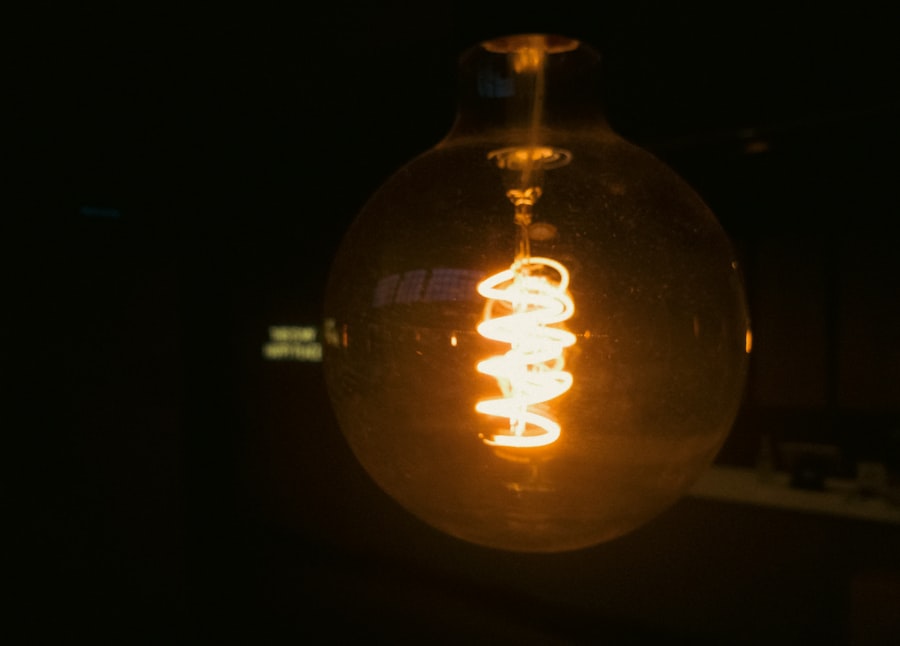
The precise engineering of the filament itself is a testament to the skill involved in lightbulb production. The thickness, shape, and support structures of the filament are optimized to provide a balance between light output, efficiency, and durability. It is an engineering challenge to design a filament that can withstand the extreme temperatures while also being durable enough to survive handling and the rigors of daily use. Automated manufacturing processes, coupled with stringent quality control measures, aim to replicate these optimized designs consistently across millions of units.
Quality Control: Catching the Flaws
Reputable manufacturers implement robust quality control procedures at various stages of the production process. This includes testing batches of bulbs for lifespan, brightness, and electrical integrity. Bulbs that fail to meet these standards are discarded. The economic reality of manufacturing also plays a role; producing faulty products consistently would lead to a poor reputation and lost sales, a significant disincentive for any business. While manufacturing defects can occur, they are generally exceptions rather than the rule when it comes to planned obsolescence.
When exploring the common misconceptions surrounding the lifespan of lightbulbs, it’s interesting to consider how various factors influence their longevity. For a deeper understanding of this topic, you might find the article on the myths and realities of lightbulb lifespan particularly enlightening. It delves into the differences between traditional incandescent bulbs and modern LED options, shedding light on how technology has evolved. To read more about this, check out this article which provides valuable insights into the subject.
The Dawn of Advanced Lighting Technologies
| Aspect | Myth | Reality |
|---|---|---|
| Average Lifespan | Incandescent bulbs last 10,000 hours | Incandescent bulbs typically last about 1,000 hours |
| LED Lifespan | LED bulbs last forever | LED bulbs last between 15,000 to 50,000 hours depending on quality and usage |
| Effect of Switching On/Off | Turning bulbs on and off frequently does not affect lifespan | Frequent switching can reduce the lifespan of incandescent and CFL bulbs, but has minimal effect on LEDs |
| Brightness Over Time | Bulbs maintain full brightness until they burn out | LEDs gradually dim over time; incandescent bulbs maintain brightness but fail suddenly |
| Cost vs Lifespan | Cheaper bulbs are just as durable as expensive ones | Higher quality bulbs often have longer lifespans and better performance |
The evolution of lighting technology has fundamentally redefined the concept of lightbulb lifespan. The emergence of more efficient and durable alternatives has rendered many of the old myths obsolete.
Fluorescent Lights: A Step Up
Fluorescent bulbs operate on a different principle, using an electrical current to excite mercury vapor, which then emits ultraviolet light. This UV light then causes a phosphor coating on the inside of the bulb to glow. While these bulbs made significant strides in energy efficiency over incandescents and offered considerably longer lifespans (often 10,000 to 20,000 hours), they also presented their own set of challenges. The ballast, a component that regulates the current, could fail, and the mercury vapor within, while essential for operation, meant that disposal needed to be handled carefully. Nonetheless, their extended operational life was a clear departure from the perceived limitations of incandescents.
LED Lighting: A Revolution in Longevity
Light Emitting Diodes (LEDs) represent a quantum leap in lighting technology, boasting lifespans that dwarf those of incandescent and even fluorescent bulbs. LEDs can last for 25,000 to 50,000 hours, and in some high-quality applications, even longer. Their longevity is a consequence of their solid-state nature; they emit light through the movement of electrons in a semiconductor material, a process that generates far less heat and is inherently more durable than heating a filament. Consequently, the idea of LEDs failing prematurely due to a conspiracy is even more implausible. Their extended lifespan, coupled with their energy efficiency, makes them the dominant lighting technology of the present day. The primary modes of failure for LEDs are typically related to the driver electronics that power them or the degradation of the phosphor coatings over very long periods, rather than a simple filament burnout.
The Impact of Innovation on Consumer Choice
The availability of these advanced lighting technologies has provided consumers with unprecedented choice. While incandescent bulbs are still available, their use has declined significantly due to their lower efficiency and shorter lifespan. The market itself has driven the adoption of longer-lasting technologies, not a hidden agenda of manufacturers. The ability to purchase bulbs that last for decades, rather than months, is a testament to technological progress and consumer demand for such improvements. The myth of planned obsolescence struggles to maintain its grip when faced with the tangible reality of lightbulbs that can illuminate homes for a generation.
In conclusion, the narrative of lightbulb planned obsolescence, while a compelling story, is largely unsupported by a factual understanding of the physics, engineering, and market dynamics involved. The lifespan of a lightbulb is a product of its design, the quality of its materials, the manufacturing process, and the environmental conditions in which it operates. The evolution of lighting technology, particularly the advent of LEDs, has decisively shifted the landscape, offering consumers solutions with vastly extended lifespans. Rather than being victims of a conspiratorial pact, consumers are now beneficiaries of continuous innovation that prioritizes both efficiency and enduring performance in the illumination of our world.
FAQs
1. How long do lightbulbs typically last?
The lifespan of a lightbulb varies depending on the type. Incandescent bulbs usually last around 1,000 hours, compact fluorescent lamps (CFLs) last about 8,000 to 10,000 hours, and LED bulbs can last 15,000 to 25,000 hours or more.
2. Do lightbulbs burn out suddenly or gradually?
Most traditional incandescent bulbs tend to burn out suddenly, while CFLs and LEDs generally experience a gradual dimming or reduction in brightness before they stop working.
3. Does turning a lightbulb on and off frequently reduce its lifespan?
For incandescent bulbs, frequent switching has minimal impact on lifespan. However, for CFLs, frequent on/off cycles can significantly reduce their lifespan. LEDs are less affected by switching cycles compared to CFLs.
4. Are LED bulbs more energy-efficient and longer-lasting than traditional bulbs?
Yes, LED bulbs are both more energy-efficient and longer-lasting than incandescent and CFL bulbs. They use less electricity and can last up to 25 times longer than incandescent bulbs.
5. Can the lifespan of a lightbulb be affected by voltage fluctuations?
Yes, voltage fluctuations can shorten the lifespan of lightbulbs, especially incandescent and CFL types. LEDs are generally more resistant to voltage changes but can still be affected by severe fluctuations.