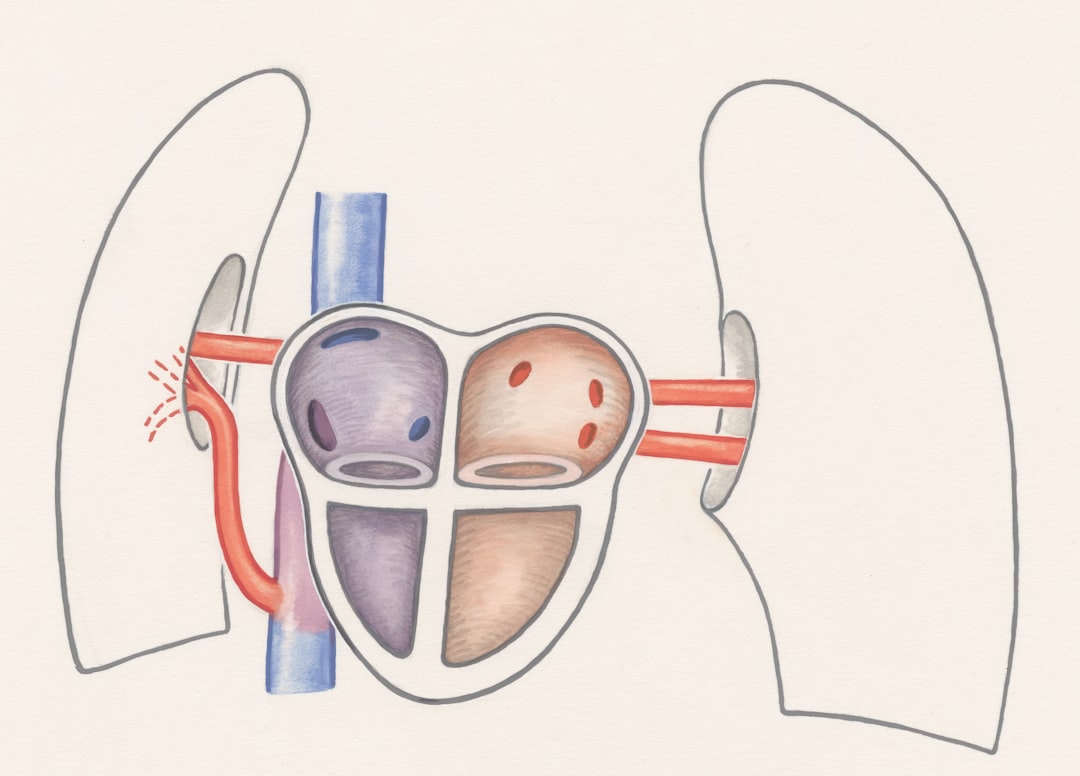
Dilated Cardiomyopathy (DCM) is a cardiac disease in dogs characterized by ventricular chamber enlargement and reduced myocardial contractility. The condition results in decreased cardiac output and impaired systolic function, as the heart muscle becomes weakened and loses its ability to contract effectively. This leads to inadequate blood circulation throughout the body and can progress to congestive heart failure if untreated.
The pathophysiology of DCM involves progressive myocardial dysfunction, where the heart walls become thin and the chambers dilate. This structural change compromises the heart’s pumping efficiency, resulting in reduced stroke volume and cardiac output. The compensatory mechanisms that initially maintain circulation eventually become insufficient, leading to clinical signs of heart failure.
The condition typically develops in middle-aged to older dogs, though onset can vary by breed. Early diagnosis through cardiac evaluation, including echocardiography and electrocardiography, is essential for implementing appropriate therapeutic interventions and monitoring disease progression.
Key Takeaways
- Dilated Cardiomyopathy (DCM) is a heart condition in dogs characterized by an enlarged and weakened heart muscle.
- Common symptoms include lethargy, coughing, difficulty breathing, and fainting.
- Certain breeds, such as Doberman Pinschers and Boxers, are more prone to developing DCM.
- Diagnosis involves physical exams, X-rays, ECGs, and echocardiograms to assess heart function.
- Treatment focuses on managing symptoms with medications, dietary changes, controlled exercise, and regular monitoring.
Symptoms of DCM in Dogs
Recognizing the symptoms of DCM in dogs is vital for early intervention. One of the most common signs is lethargy or a noticeable decrease in energy levels. You may find that your dog is less enthusiastic about walks or playtime, which can be alarming if they were previously active.
Additionally, you might observe coughing, especially after exercise or during the night, as fluid builds up in the lungs due to heart failure. This coughing can be mistaken for other respiratory issues, making it essential to consult a veterinarian if you notice these changes. Other symptoms include difficulty breathing, rapid or labored breathing, and a distended abdomen due to fluid accumulation.
You may also notice fainting episodes or weakness, particularly after exertion. If your dog exhibits any of these symptoms, it’s crucial to seek veterinary care promptly. Early diagnosis can lead to more effective treatment options and a better prognosis for your beloved pet.
Breeds Prone to DCM
Certain dog breeds are genetically predisposed to developing DCM, making it essential for owners of these breeds to be vigilant about their pets’ health. Breeds such as Doberman Pinschers, Boxers, Great Danes, and Irish Wolfhounds are among those most commonly affected by this condition. If you own one of these breeds, you should be particularly attentive to any signs of heart issues and maintain regular veterinary check-ups.
While DCM can occur in mixed-breed dogs as well, the risk is significantly higher in these predisposed breeds. Understanding your dog’s breed-specific risks can help you take proactive measures in monitoring their health. Regular veterinary visits and discussions about heart health with your veterinarian can provide you with valuable insights into how to best care for your dog and potentially catch any issues early on.
Causes of DCM in Dogs
The exact cause of DCM in dogs remains somewhat elusive, but several factors contribute to its development. Genetic predisposition plays a significant role, particularly in breeds known to be susceptible to the condition. In some cases, DCM may be inherited as an autosomal dominant trait, meaning that only one parent needs to carry the gene for the offspring to be at risk.
Environmental factors may also contribute to the onset of DCM. Nutritional deficiencies, particularly a lack of certain amino acids like taurine, have been linked to the development of this condition in some breeds. Additionally, exposure to toxins or certain medications can exacerbate heart issues.
Understanding these potential causes can help you make informed decisions about your dog’s diet and overall health management.
Diagnosis and Testing for DCM in Dogs
| Metric | Value | Unit | Notes |
|---|---|---|---|
| Prevalence | 0.5 – 3 | % | Varies by breed |
| Common Affected Breeds | Doberman Pinscher, Great Dane, Boxer, Irish Wolfhound | N/A | Genetic predisposition |
| Age of Onset | 4 – 8 | Years | Typically middle-aged dogs |
| Left Ventricular Ejection Fraction (LVEF) | 20 – 40 | % | Reduced in affected dogs |
| Survival Time Post-Diagnosis | 6 – 12 | Months | Varies with treatment |
| Common Clinical Signs | Exercise intolerance, coughing, syncope, ascites | N/A | Signs of heart failure |
| Diagnostic Tools | Echocardiography, ECG, Radiography | N/A | Used to confirm diagnosis |
| Typical Heart Rate | 100 – 160 | bpm | May show arrhythmias |
Diagnosing DCM in dogs typically involves a combination of physical examinations, medical history assessments, and diagnostic tests. Your veterinarian will start by conducting a thorough physical exam, listening for abnormal heart sounds or murmurs that may indicate heart disease. They may also inquire about your dog’s symptoms and any changes in behavior or activity levels.
To confirm a diagnosis of DCM, your veterinarian may recommend several tests, including chest X-rays to assess heart size and fluid accumulation in the lungs, an electrocardiogram (ECG) to evaluate heart rhythm, and an echocardiogram (ultrasound) to visualize the heart’s structure and function. Blood tests may also be performed to rule out other conditions that could mimic DCM symptoms. Early diagnosis is crucial for effective management of the condition.
Treatment Options for DCM in Dogs

Once diagnosed with DCM, your dog will require a tailored treatment plan aimed at managing symptoms and improving their quality of life. Medications are often the cornerstone of treatment and may include diuretics to reduce fluid buildup, ACE inhibitors to lower blood pressure, and positive inotropes to enhance heart contractility. Your veterinarian will work closely with you to determine the most appropriate medications based on your dog’s specific needs.
In addition to medication, lifestyle modifications may be necessary. This could involve dietary changes or adjustments to exercise routines to accommodate your dog’s condition. Regular follow-up appointments will be essential for monitoring your dog’s response to treatment and making any necessary adjustments along the way.
Nutritional Considerations for Dogs with DCM
Nutrition plays a critical role in managing DCM in dogs. A well-balanced diet that meets your dog’s specific needs can help support their overall health and potentially mitigate some symptoms associated with the condition. It’s essential to consult with your veterinarian about the best dietary options for your dog, as they may recommend specific formulations designed for heart health.
Some studies have suggested that certain nutrients, such as taurine and omega-3 fatty acids, may benefit dogs with DCM. Ensuring that your dog receives adequate amounts of these nutrients through their diet or supplements can be an important aspect of their care plan. Always discuss any dietary changes with your veterinarian before implementing them to ensure they align with your dog’s health needs.
Exercise and Activity Guidelines for Dogs with DCM
Exercise is an important aspect of maintaining your dog’s overall health; however, when dealing with DCM, it’s crucial to approach physical activity with caution. While regular exercise can help keep your dog fit and maintain a healthy weight, excessive exertion can exacerbate heart issues. Your veterinarian will likely recommend a tailored exercise plan that balances activity with rest.
Shorter walks and gentle play sessions may be more appropriate for dogs with DCM compared to vigorous activities like running or jumping. Monitoring your dog’s response during exercise is essential; if they show signs of fatigue or distress, it’s important to stop immediately and consult your veterinarian for guidance on adjusting their activity level.
Monitoring and Managing DCM in Dogs
Ongoing monitoring is vital for dogs diagnosed with DCM. Regular veterinary check-ups will allow your veterinarian to assess your dog’s heart function and make any necessary adjustments to their treatment plan. You should also keep an eye on any changes in your dog’s behavior or symptoms at home; this information can be invaluable during veterinary visits.
In addition to routine check-ups, you may need to perform at-home assessments of your dog’s condition. This could involve monitoring their weight, observing their breathing patterns, and noting any changes in appetite or energy levels. Keeping a journal of these observations can help you communicate effectively with your veterinarian about your dog’s health status.
Prognosis for Dogs with DCM
The prognosis for dogs diagnosed with DCM varies widely depending on several factors, including the severity of the condition at diagnosis, the specific breed involved, and how well the dog responds to treatment. Some dogs may live for several years with proper management, while others may experience a more rapid decline in health. Early detection and intervention are key factors that can positively influence prognosis.
With appropriate treatment and lifestyle adjustments, many dogs can maintain a good quality of life despite their diagnosis. It’s essential to remain proactive about your dog’s health and work closely with your veterinarian to ensure they receive the best possible care.
Preventing DCM in Dogs
While not all cases of DCM can be prevented due to genetic factors, there are steps you can take to reduce the risk for your dog. For breeds known to be predisposed to this condition, regular veterinary check-ups are crucial for early detection and management of potential issues. Additionally, providing a balanced diet rich in essential nutrients can support heart health.
Being aware of environmental factors that could contribute to heart disease is also important. Avoid exposing your dog to toxins or harmful substances that could impact their overall health. By taking these preventive measures and staying informed about DCM, you can help ensure that your furry companion leads a long and healthy life.
In conclusion, understanding Dilated Cardiomyopathy (DCM) in dogs is essential for any pet owner, especially those with breeds prone to this condition. By recognizing symptoms early on, seeking timely veterinary care, and adhering to treatment plans, you can significantly improve your dog’s quality of life while managing this serious health issue effectively.
Dilated cardiomyopathy (DCM) is a serious condition that affects the heart’s ability to pump blood effectively in dogs, particularly in certain breeds. For pet owners looking to understand more about this condition and its implications, a related article can be found at heydidyouknowthis.
com/’>Hey Did You Know This. This resource provides valuable insights into the symptoms, diagnosis, and management of DCM in dogs, helping owners make informed decisions about their pets’ health.
WATCH THIS 🚨 The $100 Billion Lie: What’s REALLY In Your Dog’s Food? – 44 Foods CONTAMINATED
FAQs
What is dilated cardiomyopathy (DCM) in dogs?
Dilated cardiomyopathy (DCM) is a heart disease in dogs characterized by the enlargement and weakening of the heart’s main pumping chamber, the left ventricle. This leads to reduced heart function and can cause heart failure.
Which dog breeds are most commonly affected by DCM?
DCM is most commonly seen in large and giant breed dogs such as Doberman Pinschers, Great Danes, Boxers, Irish Wolfhounds, and Cocker Spaniels. However, it can occur in any breed.
What are the typical symptoms of DCM in dogs?
Symptoms of DCM may include lethargy, coughing, difficulty breathing, fainting, decreased exercise tolerance, and abdominal swelling due to fluid accumulation.
How is DCM diagnosed in dogs?
Diagnosis typically involves a combination of physical examination, chest X-rays, electrocardiogram (ECG), echocardiography (ultrasound of the heart), and blood tests to assess heart function.
Is DCM in dogs hereditary?
Yes, in many breeds, DCM has a genetic component and can be inherited. Responsible breeding practices and genetic testing can help reduce the incidence.
Can DCM in dogs be treated?
While there is no cure for DCM, treatment can help manage symptoms and improve quality of life. Medications may include diuretics, ACE inhibitors, beta-blockers, and drugs to support heart function.
What is the prognosis for dogs diagnosed with DCM?
The prognosis varies depending on the severity of the disease and response to treatment. Unfortunately, DCM is often progressive and can lead to heart failure and sudden death.
Are there any dietary considerations for dogs with DCM?
Some studies suggest that certain diets, especially those low in taurine and carnitine, may be linked to DCM in some dogs. It is important to consult a veterinarian for appropriate dietary recommendations.
Can DCM be prevented in dogs?
While not all cases can be prevented, early screening in at-risk breeds, genetic testing, and maintaining a healthy lifestyle can help detect and manage the disease early.
When should I take my dog to the vet for possible DCM?
If your dog shows signs such as coughing, difficulty breathing, weakness, or fainting, especially if they belong to a breed prone to DCM, you should seek veterinary evaluation promptly.