
Protein is a fundamental macronutrient essential for numerous bodily functions, including muscle building and repair, enzyme production, hormone synthesis, and immune system support. Historically, animal-derived proteins, particularly from dairy, have been a cornerstone of many diets. However, in recent years, plant-based protein sources have gained significant attention as viable and sometimes preferred alternatives. This shift, driven by factors such as perceived health benefits, ethical considerations, and environmental concerns, necessitates a comparative analysis of the efficiency of dairy versus plant protein. Efficiency, in this context, can be understood through multiple lenses: biological availability to the human body, nutritional completeness, resource utilization in production, economic factors, and impact on human health outcomes.
Defining Protein Efficiency: A Multifaceted Concept
Protein efficiency is not a singular, easily quantifiable metric. It encompasses a range of considerations that determine how effectively a protein source meets human nutritional needs and contributes to overall well-being.
Biological Value and Digestibility
The Case for Dairy Protein: A Historical Perspective
Dairy protein, primarily derived from milk, has long been a readily available and highly regarded source of protein in human diets. Its prevalence in traditional and modern culinary practices underscores its historical importance. The primary protein components in milk are casein and whey, each with distinct properties and benefits.
Recent discussions on the efficiency of dairy versus plant protein have gained traction, highlighting the nutritional benefits and environmental impacts of each source. For a deeper understanding of this topic, you can explore a related article that delves into the comparative analysis of these protein sources and their implications for health and sustainability. To read more, visit this article.
Key Nutritional Components of Dairy Protein
Dairy products offer a spectrum of nutrients that go beyond just protein, contributing to their overall nutritional profile.
Whey Protein: The Fast-Absorbing Powerhouse
Whey protein, a byproduct of cheese production, is known for its rapid absorption rate. This characteristic makes it particularly popular among athletes and individuals seeking quick post-exercise recovery.
Amino Acid Profile of Whey
Whey protein is exceptionally rich in branched-chain amino acids (BCAAs), namely leucine, isoleucine, and valine, which play a crucial role in muscle protein synthesis.
Casein Protein: The Slow-Release Sustainer
Casein, the other major protein fraction in milk, digests more slowly than whey, providing a sustained release of amino acids into the bloodstream. This makes it a valuable source of protein for prolonged periods, such as overnight.
Amino Acid Profile of Casein
While casein also contains BCAAs, it is particularly noted for its higher proportion of glutamine, an amino acid important for gut health and immune function.
Other Beneficial Nutrients in Dairy
Beyond protein, dairy products are significant sources of calcium, vitamin D (often fortified), vitamin B12, phosphorus, and potassium, all of which contribute to bone health, metabolic processes, and cardiovascular function. The presence of these co-occurring nutrients can enhance the overall bioefficacy of the protein.
The Rise of Plant-Based Proteins: A Diverse Ecosystem
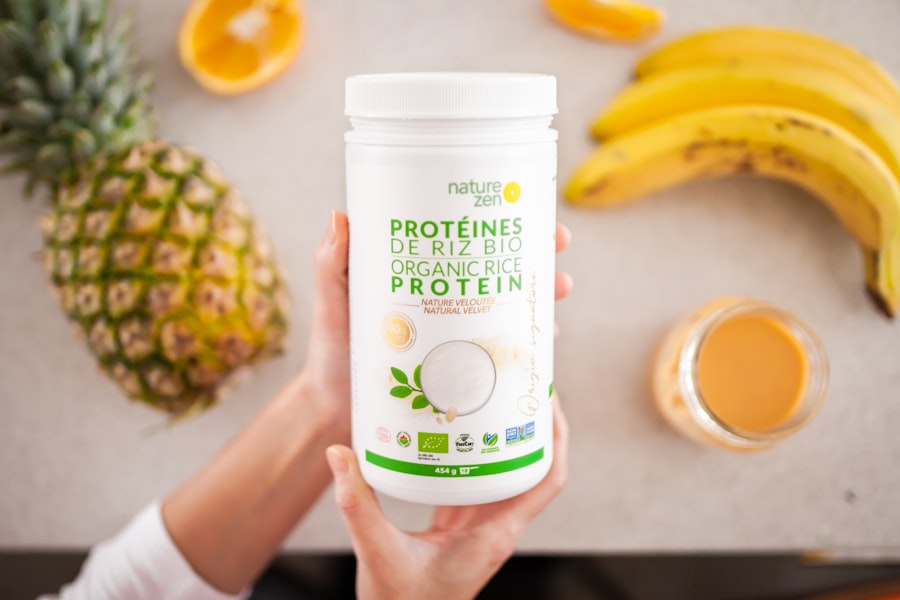
The landscape of plant-based proteins is far more varied than that of dairy. It encompasses a wide array of sources, each with its unique nutritional composition, absorption rates, and production considerations. This diversity offers consumers a broad spectrum of choices catering to different dietary preferences and nutritional goals.
Legumes: The Foundational Plant Protein Stars
Legumes, including beans, lentils, peas, and soybeans, are among the most significant contributors to plant-based protein intake globally. They are cost-effective, widely available, and form the basis of many traditional diets.
Soy Protein: A Complete Plant Protein
Soybeans stand out among legumes for their complete amino acid profile, meaning they contain all nine essential amino acids in adequate amounts for human needs. This makes soy protein a highly versatile and nutritionally comparable alternative to animal proteins.
Isoflavones in Soy
Soybeans are also rich in isoflavones, a type of phytoestrogen that has been studied for its potential health benefits, including cardiovascular health and bone health.
Other Legume Proteins: Complementary Strengths
While not all legumes are considered “complete” in the same way as soy, they are excellent sources of protein and, when combined with other plant foods throughout the day, can provide a full spectrum of essential amino acids. Their significant fiber content also contributes to digestive health and satiety.
Grains and Seeds: Supporting Players with Essential Nutrients
While often considered carbohydrate sources, certain grains and seeds are significant contributors to plant-based protein intake. Their protein content, combined with other beneficial nutrients, makes them important components of a balanced plant-centric diet.
Quinoa: The Ancient Grain with a Complete Profile
Quinoa is frequently lauded as a “superfood” due to its complete protein profile, making it a rare plant-based option that provides all essential amino acids.
Nuts and Seeds: Nutrient-Dense Powerhouses
Almonds, walnuts, chia seeds, flaxseeds, and hemp seeds are not only rich in protein but also offer healthy fats, fiber, vitamins, and minerals. Their protein density varies, but they contribute significantly to overall protein intake in a plant-based diet.
Emerging Plant Protein Sources: Innovation and the Future
The plant-based protein market is dynamic, with continuous innovation introducing new and refined protein sources derived from a variety of plants.
Pea Protein: A Popular and Versatile Choice
Pea protein, derived from yellow peas, has gained significant popularity due to its good amino acid profile (though typically lower in methionine than soy) and its hypollergenic properties. It is widely used in protein powders and plant-based meat alternatives.
Rice Protein: A Hypoallergenic Option
Rice protein, often brown rice protein, is another hypoallergenic option. While it is typically lower in lysine, it can be effectively combined with other protein sources to achieve a complete amino acid profile.
Algal Proteins: A Sustainable Frontier
Algae, particularly spirulina and chlorella, are gaining traction as sustainable and nutrient-rich protein sources. They offer a complete amino acid profile and a range of micronutrients, though their cost and scalability are still evolving.
Comparative Analysis of Protein Efficiency
The efficiency of dairy and plant proteins can be evaluated across several key domains, offering a nuanced understanding of their respective strengths and weaknesses.
Biological Value and Absorption Rates
The biological value (BV) of a protein refers to the portion of absorbed protein that is retained by the body for growth and maintenance. Digestibility is also a critical factor, as it determines how much of the protein consumed is actually broken down and absorbed.
Dairy Protein: High BV and Digestibility
Whey and casein proteins in dairy generally exhibit high biological values and excellent digestibility. The complex structure of casein, while leading to slower digestion, ensures a steady supply of amino acids, while the rapid absorption of whey is beneficial for immediate muscle protein synthesis.
Plant Protein: Variable BV and Digestibility
The biological value and digestibility of plant proteins can be more variable. Factors such as the presence of anti-nutritional compounds (e.g., phytates, lectins, trypsin inhibitors) can sometimes interfere with protein digestion and amino acid absorption. However, processing techniques like soaking, sprouting, and fermentation can significantly improve the digestibility and bioavailability of plant proteins. Furthermore, blending different plant protein sources can create a complete amino acid profile with enhanced overall efficiency.
Amino Acid Completeness and Limiting Amino Acids
A “complete” protein contains all nine essential amino acids in sufficient quantities. An “incomplete” protein is deficient in one or more of these essential amino acids, which are then considered “limiting amino acids” for protein synthesis.
Dairy Protein: Naturally Complete
Dairy proteins are naturally complete, providing a balanced spectrum of all essential amino acids. This inherent completeness is a significant advantage, requiring no further consideration for dietary combinations to achieve optimal protein synthesis.
Plant Protein: The Need for Complementarity
Many plant protein sources are not inherently complete. For example, legumes are often lower in methionine, while grains can be lower in lysine. However, this is not a significant drawback in practice, as a varied plant-based diet that includes a range of legumes, grains, nuts, and seeds throughout the day will naturally provide all essential amino acids. The concept of “complementary proteins” highlights that consuming different plant protein sources at different times can effectively meet protein needs.
Protein Synthesis and Muscle Building
The impact of protein sources on muscle protein synthesis (MPS) is a key consideration for athletes and those focused on muscle development.
Dairy Protein: Proven Efficacy
Dairy proteins, particularly whey, have been extensively studied and demonstrated to be highly effective in stimulating muscle protein synthesis, especially when consumed post-exercise. The high leucine content in whey is a critical driver of this anabolic response.
Plant Protein: Growing Evidence of Effectiveness
While historically plant proteins were considered less effective for muscle building, recent research, particularly using soy and pea protein, has shown comparable results to animal proteins when consumed in sufficient quantities and with adequate leucine content. The effectiveness of plant proteins is increasingly recognized, with ongoing research exploring optimal dosages and combinations.
Recent discussions around the efficiency of dairy versus plant protein have gained traction, highlighting the nutritional benefits and environmental impacts of both sources. For a deeper understanding of this topic, you can explore a related article that delves into the comparative advantages of these protein types. This insightful piece emphasizes how the choice between dairy and plant protein can influence not only personal health but also sustainability efforts. To learn more about this fascinating subject, check out the article here.
Production Efficiency and Environmental Impact
| Metrics | Dairy Protein | Plant Protein |
|---|---|---|
| Protein Content | High | Varies by source |
| Environmental Impact | Higher greenhouse gas emissions | Lower greenhouse gas emissions |
| Land Use | Requires more land for grazing | Requires less land for cultivation |
| Water Use | Higher water consumption | Lower water consumption |
| Cost | Varies by region and production methods | Varies by source and processing |
Beyond nutritional aspects, the efficiency of protein production and its environmental footprint are crucial for a comprehensive comparison.
Resource Utilization: Land, Water, and Energy
The production of animal proteins, especially dairy, generally requires more land, water, and energy per unit of protein compared to many plant-based sources.
Dairy Production Footprint
Dairy farming involves the cultivation of feed for cattle, which requires significant land and water resources. The animals themselves also contribute to greenhouse gas emissions. While efficiency in dairy farming has improved over time, the overall resource intensity remains a factor.
Plant Protein Production Footprint
The cultivation of crops for plant-based protein, such as soybeans, peas, and lentils, generally has a lower environmental impact. These crops typically require less land and water per unit of protein produced and generate fewer greenhouse gas emissions.
Greenhouse Gas Emissions
Animal agriculture is a significant contributor to greenhouse gas emissions globally, with dairy farming being a notable contributor.
Dairy’s Emissions Contribution
Methane emissions from cattle, along with emissions from feed production and manure management, contribute to the carbon footprint of dairy products.
Plant Protein’s Lower Emissions
Plant-based protein production generally results in substantially lower greenhouse gas emissions, aligning with a more sustainable food system.
Land Use Efficiency
The amount of land required to produce a given amount of protein differs significantly between dairy and plant sources.
Dairy Land Requirements
The extensive land needed for grazing and feed cultivation for dairy cattle leads to higher land use per calorie or gram of protein.
Plant Protein Land Efficiency
Many plant-based protein crops are more land-efficient, meaning they can yield more protein with less land.
Economic Considerations: Cost and Accessibility
The economic factors influencing protein choices play a vital role in widespread adoption and dietary planning.
Cost Per Serving
The cost of protein per serving can vary significantly between dairy and plant-based options.
Dairy Protein Costs
The price of dairy products can be influenced by numerous factors, including production costs, market demand, and subsidies. While generally accessible, they can fluctuate.
Plant Protein Costs
Many plant-based protein sources, such as beans and lentils, are among the most affordable protein options available. Processed plant-based protein products, such as some protein powders, can be more expensive, but the raw ingredients are often very cost-effective.
Market Availability and Accessibility
Global availability and accessibility to different protein sources impact dietary patterns.
Dairy Market Presence
Dairy products have a long-established and widespread presence in global food markets, making them readily accessible in many regions.
Expanding Plant Protein Market
The plant-based protein market is experiencing rapid growth and diversification. While some niche plant-based products may have limited availability in certain areas, staple plant protein sources like legumes and grains are universally accessible.
Health Implications and Dietary Considerations
The impact of dairy and plant proteins on human health is a subject of ongoing research and public discussion.
Impact on Chronic Diseases
Dietary patterns, including protein sources, can influence the risk of developing chronic diseases.
Dairy and Chronic Disease Risk
Research on dairy consumption and chronic diseases presents a mixed picture. While generally associated with improved bone health, some studies have linked high dairy intake to increased risk of certain cancers, while others show no such association or even potential protective effects against other conditions like type 2 diabetes.
Plant Protein and Chronic Disease Risk
Diets rich in plant-based proteins, particularly those based on whole foods like legumes, fruits, vegetables, and whole grains, are consistently associated with a reduced risk of chronic diseases, including cardiovascular disease, type 2 diabetes, and certain cancers. This is often attributed to the synergistic effects of fiber, antioxidants, and other phytonutrients present in these foods.
Gut Health and Microbiome Modulation
The interaction of protein sources with the gut microbiome is an emerging area of health research.
Dairy and Gut Microbiome
Dairy, particularly fermented dairy products like yogurt, can positively influence the gut microbiome due to the presence of probiotics. However, for individuals with lactose intolerance, dairy can lead to digestive issues.
Plant Protein and Gut Microbiome
Plant-based proteins, with their high fiber content, act as prebiotics, feeding beneficial gut bacteria. This can lead to increased diversity and a healthier gut microbiome, contributing to improved digestive health and potentially wider systemic health benefits.
Allergy and Intolerance Considerations
Individual sensitivities and intolerances play a crucial role in dietary choices.
Dairy Allergies and Lactose Intolerance
Dairy allergies, particularly to casein and whey, are common, especially in infants. Lactose intolerance, a deficiency in the enzyme lactase necessary for digesting milk sugar, affects a significant portion of the global population, leading to digestive discomfort.
Plant Protein Allergies and Intolerances
While plant-based protein allergies exist (e.g., soy allergy), they are generally less prevalent than dairy allergies. Many plant-based protein sources are also considered hypoallergenic, making them suitable options for individuals with sensitivities.
Conclusion: Towards Informed Dietary Choices
In conclusion, both dairy and plant proteins offer valuable contributions to human nutrition, each with its distinct advantages and considerations. Dairy proteins, naturally complete and highly digestible, have a long track record of supporting physiological functions. Their BCAA content, especially in whey, is a significant asset for muscle protein synthesis. However, the production of dairy is resource-intensive and contributes to a higher environmental footprint. Plant-based proteins, with their vast diversity, offer promising nutritional profiles, are generally more environmentally sustainable, and are increasingly recognized for their health-promoting properties, especially in the context of preventing chronic diseases. The key challenge with some plant proteins lies in achieving complete amino acid profiles, which is readily addressed through dietary complementarity.
Ultimately, the “efficiency” of protein is not a simple binary choice but rather a complex interplay of biological, environmental, economic, and health-related factors. Informed dietary choices involve understanding these multifaceted aspects. Individuals can optimize their protein intake by considering their personal nutritional goals, ethical stances, environmental concerns, and any specific dietary needs or intolerances. A balanced approach, whether it leans more heavily towards dairy, plant-based sources, or a combination of both, is crucial for promoting well-being and contributing to a sustainable food future. The ongoing research and innovation in both dairy and plant-based protein sectors promise to further refine our understanding and expand our options for meeting global protein demands efficiently and healthily.
FAQs
What is the efficiency of dairy protein compared to plant protein?
Dairy protein is considered to be more efficient than plant protein in terms of its amino acid profile and digestibility. It contains all essential amino acids in the right proportions for human consumption and has a high biological value.
How does the efficiency of dairy protein contribute to muscle building and repair?
The high biological value of dairy protein means that it is easily absorbed and utilized by the body for muscle building and repair. This makes it an ideal choice for athletes and individuals looking to increase their muscle mass.
What are the environmental implications of choosing dairy protein over plant protein?
Dairy protein production has a higher environmental impact compared to plant protein production. This is due to factors such as land use, water consumption, and greenhouse gas emissions associated with dairy farming.
Are there any health considerations when choosing between dairy and plant protein?
Dairy protein may be a concern for individuals who are lactose intolerant or have dairy allergies. Plant protein, on the other hand, is often lower in saturated fat and cholesterol, making it a healthier choice for some individuals.
What are some examples of dairy and plant protein sources?
Dairy protein sources include milk, cheese, yogurt, and whey protein. Plant protein sources include beans, lentils, tofu, quinoa, and nuts. Both dairy and plant protein can be incorporated into a balanced diet to meet individual nutritional needs.