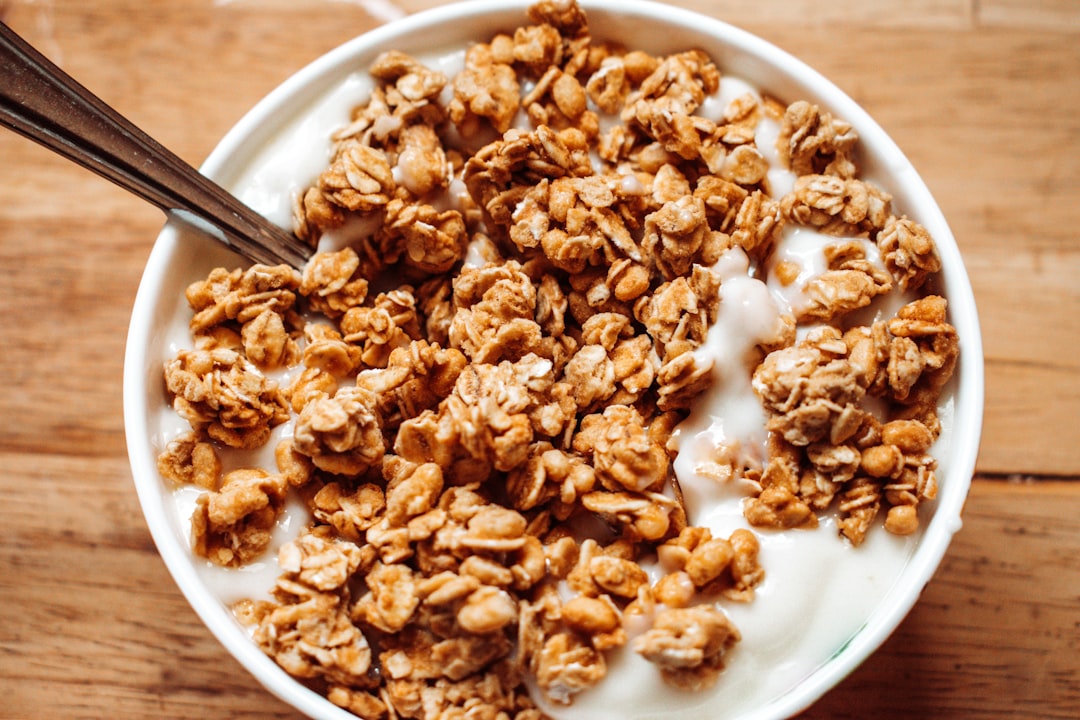
You’re standing in the cereal aisle, a kaleidoscope of colorful boxes vying for your attention. Amidst the sugary mascots and cartoon characters, a subtle shift has occurred. A growing number of brands are now proudly proclaiming their dedication to your cardiovascular well-being, transforming breakfast bowls into bastions of heart health. This is the evolving landscape of “Crunchy Hearts: How Cereal is Marketed for Heart Health.”
Gone are the days when cereal was exclusively the domain of playful characters and promises of sugary awakenings. While those elements haven’t entirely vanished, a significant portion of the market has begun to rebrand, repositioning cereal from a treat to a bona fide health food, specifically targeting the growing concern for heart health. You, the consumer, are the intended beneficiary of this strategic pivot.
The Rise of Health Consciousness: A Consumer-Driven Tide
You’ve become more aware, haven’t you? The constant barrage of health information, from news reports to social media trends, has undoubtedly seeped into your daily awareness. Concerns about cholesterol, blood pressure, and the long-term implications of diet on your heart are no longer niche topics; they are mainstream anxieties. Manufacturers, astute observers of your changing preoccupations, have recognized this fertile ground. They understand that you are actively seeking products that align with your desire for a healthier lifestyle, and cereal, a breakfast staple for many, presents an accessible entry point for these health-centric messages.
Early Pioneers and Their Seeds of Change
The initial foray into heart health marketing within the cereal sector wasn’t a sudden revolution; it was a gradual evolution. You might remember when certain brands began highlighting “fiber” as a key benefit, often in more subdued packaging. These were the early seeds, planted with the hope of resonating with a health-conscious segment of the population. Over time, as research solidified the link between diet and cardiovascular health, and as consumer demand intensified, these early efforts blossomed into the more prominent and targeted marketing strategies you see today.
The Science of Cereal: Turning Grains into Guardians
The marketing often hinges on the inherent nutritional properties of the grains used. Manufacturers highlight ingredients like oats, whole wheat, and barley, emphasizing their natural association with heart health. This isn’t entirely without merit; these grains are indeed rich in soluble fiber, a substance proven to help lower LDL (“bad”) cholesterol, and other beneficial compounds that contribute to cardiovascular well-being.
Soluble Fiber: The Unsung Hero in Your Bowl
You may have heard of soluble fiber, but its role in protecting your heart is often undersold. Imagine it as a tiny broom, sweeping through your digestive system. As it travels, it binds with cholesterol and bile acids, preventing them from being absorbed into your bloodstream. This effectively reduces the amount of LDL cholesterol circulating in your body, a crucial step in mitigating the risk of heart disease. Cereal brands now prominently feature this benefit, often with prominent call-outs on their packaging, transforming a humble dietary component into a powerful guardian of your circulatory system.
Whole Grains: More Than Just a Texture
The emphasis on “whole grains” goes beyond mere textural preference; it’s a strategic marketing angle rooted in nutritional science. Whole grains, as opposed to refined grains, contain all three parts of the kernel: the bran, the germ, and the endosperm. Each of these components offers a distinct set of nutrients vital for health. The bran, for instance, is packed with fiber and B vitamins, while the germ is rich in healthy fats, vitamins E and B, and antioxidants. The endosperm, though primarily starch, also contains some protein and vitamins. By showcasing the “whole grain” aspect, manufacturers subtly imply a more complete and beneficial nutritional profile, positioning their cereal as a more robust option for a healthy heart.
Antioxidants and Phytosterols: The Supporting Cast
Beyond fiber and whole grains, cereal marketing is increasingly touting the presence of antioxidants and phytosterols. Antioxidants, like those found in berries or dark chocolate, combat free radicals in your body, which can damage cells and contribute to inflammation associated with heart disease. Phytosterols, plant-based compounds that structurally resemble cholesterol, work by interfering with cholesterol absorption in your intestines, further contributing to lower LDL levels. When cereal brands highlight these components, they are essentially presenting a more comprehensive nutritional story, aiming to convince you that their product is a multifaceted supporter of your cardiovascular health.
Cereal is often marketed as heart-healthy due to its high fiber content and the presence of whole grains, which are linked to improved cardiovascular health. This marketing strategy is supported by various studies that highlight the benefits of a diet rich in these nutrients. For more insights into the health claims surrounding breakfast cereals and their impact on heart health, you can read a related article at this link.
Decoding the “Heart Healthy” Label: A Closer Look at Claims
The phrase “heart healthy” itself is a powerful marketing tool, but what does it truly signify? You’ve likely seen this designation on many food products, but understanding the criteria behind it is crucial for making informed choices.
FDA Guidelines: The Official Stamp of Approval
In the United States, the Food and Drug Administration (FDA) provides specific guidelines for what constitutes a “heart healthy” food. For a product to bear this claim, it must meet certain criteria, including:
- Limited Saturated Fat and Cholesterol: Products claiming to be “heart healthy” must be low in saturated fat and cholesterol. The FDA defines “low” as containing a certain amount per serving or per 100 grams. This is a primary indicator of a food’s potential impact on your blood cholesterol levels.
- No More Than 20% of Daily Value for Sodium: High sodium intake is a significant risk factor for high blood pressure, a major contributor to heart disease. Therefore, “heart healthy” cereals must adhere to strict sodium limits.
- Contain Beneficial Nutrients: The product must also contain nutrients recognized for their role in heart health, such as fiber, vitamins, and minerals. This is where the emphasis on whole grains, psyllium, and other beneficial ingredients comes into play.
When you see the “heart healthy” label, you can generally assume that the product has undergone scrutiny to meet these FDA-defined standards. However, it’s always wise to be an informed consumer and look beyond the label itself.
The Nuances of “May Help Reduce the Risk of Heart Disease”
You’ll often see more nuanced claims on cereal boxes, such as “may help reduce the risk of heart disease.” These claims are typically based on the presence of certain ingredients and their scientifically supported roles. For instance, a cereal high in soluble fiber might carry such a claim because of the well-established link between soluble fiber intake and reduced risk of cardiovascular problems. These claims are carefully worded to avoid making absolute guarantees, but they leverage the scientific evidence to build consumer confidence.
The Power of Nutrition Claims: Beyond the Headline
While the “heart healthy” designation is a broad brushstroke, individual nutrition claims on cereal boxes offer a more detailed glimpse into their purported benefits. These might include:
“Good Source of Fiber” or “Excellent Source of Fiber”
This is perhaps the most common and impactful nutrition claim on heart-healthy cereals. You’ll see these declarations prominently displayed, often accompanied by a percentage of the daily recommended intake. This directly addresses your need for dietary fiber, a cornerstone of heart health strategies.
“Low Sodium”: A Crucial Benchmark
Given the detrimental effects of excessive sodium on blood pressure, the “low sodium” claim is a vital indicator for heart-conscious consumers. Cereals marketed for heart health will often highlight their reduced sodium content, setting them apart from more processed and conventionally salted breakfast options.
“Cholesterol Free”: A Relevant, Yet Limited, Metric
While “cholesterol free” is a technically accurate claim for most plant-based cereals, it’s important to understand its limitations. Dietary cholesterol’s impact on blood cholesterol levels is a complex issue, and for many individuals, saturated and trans fats play a more significant role. However, for marketing purposes, “cholesterol free” still carries a positive connotation for consumers focused on heart health.
Visual Storytelling: Packaging as a Palate for Health

The visual presentation of cereal boxes is a critical component of its marketing strategy. Beyond the nutritional claims, the imagery and design choices aim to evoke a sense of well-being and trustworthiness.
Color Palettes and Imagery: Evoking Nature and Purity
Think about the colors you see on cereal boxes touting heart health benefits. Blues and greens often dominate, colors associated with nature, calmness, and health. You might also see imagery of fields of grain, sunrises, or flowing water, all designed to convey a sense of natural goodness and purity. These visual cues are carefully chosen to resonate with your desire for wholesome, unprocessed foods.
Mascots and Their Evolution: From Playful to Professional
While the hyperactive, often sugar-fueled mascots of yesteryear still exist, you’ll notice a shift in how they are presented in the heart-health segment. If mascots are present, they might be depicted in more mature, perhaps even slightly stoic, poses, exuding a sense of reliability rather than pure exuberance. Alternatively, some brands opt for no mascots at all, relying instead on clean typography and imagery to convey their health-focused message.
The “Modern Minimalist” Aesthetic: Simplicity Conveys Seriousness
A growing trend in cereal packaging is a move towards a more minimalist aesthetic. Clean lines, sans-serif fonts, and a limited color palette can communicate a sense of sophistication and seriousness. This approach aims to position the cereal as a deliberate, health-conscious choice rather than a impulsive indulgence. It’s like a well-tailored suit versus a clown costume – one conveys a certain gravitas.
Ingredient Spotlights: Highlighting the Building Blocks of a Healthy Heart

Cereal manufacturers are increasingly moving beyond generalized claims and focusing on specific ingredients that contribute to heart health. This allows for more targeted marketing and a deeper dive into the nutritional science.
Psyllium Husk: The Fiber Extraordinaire
You might be encountering psyllium husk more frequently on ingredient lists and marketing materials. This soluble fiber, derived from the seeds of the Plantago ovata plant, is a powerful cholesterol-lowering agent. Brands that incorporate psyllium often highlight it as a key differentiator, presenting it as a potent addition to your morning routine for optimal heart health.
Flaxseeds and Chia Seeds: Tiny Titans of Nutrition
The humble flaxseed and chia seed have become marketing darlings for their impressive nutritional profiles. Rich in omega-3 fatty acids, fiber, and lignans, these seeds are lauded for their anti-inflammatory properties and their potential to support cardiovascular function. Cereal boxes featuring these seeds often showcase them visually, perhaps as scattered additions to the cereal grains, reinforcing their presence and perceived health benefits.
Fortification: Bolstering the Nutritional Arsenal
Beyond naturally occurring nutrients, many cereals are fortified with additional vitamins and minerals deemed beneficial for heart health. This can include:
B Vitamins: The Energy and Metabolism Engineers
B vitamins, such as B12 and folate, play crucial roles in energy production and metabolism. Their presence in fortified cereals contributes to the overall health of your cardiovascular system by supporting cellular function and reducing the risk of certain birth defects (in the case of folate).
Magnesium and Potassium: The Mineral Messengers
Magnesium and potassium are essential minerals that contribute to regulating blood pressure and maintaining a healthy heart rhythm. Fortifying cereals with these minerals offers an additional layer of benefit for consumers concerned about their cardiovascular health.
Cereal is often marketed as heart healthy due to its high fiber content and the presence of whole grains, which are known to support cardiovascular health. This marketing strategy is backed by various studies that highlight the benefits of a diet rich in these components. For a deeper understanding of the health claims associated with breakfast cereals, you can explore this insightful article on the topic. It provides a comprehensive overview of the nutritional aspects and the marketing tactics used in the industry. To read more, visit this link.
The Subtlety of Suggestion: Creating a Narrative of Well-being
| Metric | Explanation | Impact on Marketing |
|---|---|---|
| Whole Grains Content | Cereals often contain whole grains which are linked to reduced heart disease risk. | Used as a key selling point to promote heart health benefits. |
| Fiber Amount | High fiber content helps lower cholesterol and improve heart health. | Highlighted on packaging to attract health-conscious consumers. |
| Low Saturated Fat | Cereals typically have low saturated fat, reducing risk of heart disease. | Advertised as a heart-healthy alternative to high-fat breakfast options. |
| Added Nutrients | Fortification with vitamins like B6, B12, and folic acid supports cardiovascular health. | Used in marketing to emphasize nutritional benefits for the heart. |
| FDA Health Claims | Some cereals meet FDA criteria to make heart health claims on labels. | Enables brands to legally promote cereals as heart healthy. |
| Consumer Perception | Consumers associate cereals with a healthy lifestyle and heart benefits. | Drives marketing strategies focusing on heart health messaging. |
Marketing for heart-healthy cereals often relies on more than just explicit claims; it employs subtle suggestions and narrative building to create a perception of well-being.
Associative Marketing: Linking Cereal to an Active Lifestyle
You’ll often see cereal boxes featuring images of people engaged in healthy activities – jogging in the park, practicing yoga, or enjoying a brisk walk. This isn’t accidental. The intent is to create an association in your mind: this cereal supports your active, healthy lifestyle. It’s like painting a picture of a happy, energetic future where this cereal is a part of it.
The “Start Your Day Right” Mantra: A Ritual of Health
The idea of “starting your day right” is a deeply ingrained cultural notion. Cereal marketers tap into this by framing their products as the perfect foundation for a productive and healthy day. By positioning cereal as the initial step in a chain of positive choices, they subtly encourage you to see it as a commitment to your well-being.
Testimonials and Endorsements: The Human Factor
While not as prevalent as in some other food categories, you might encounter testimonials or endorsements from health professionals or even everyday individuals who speak to the benefits they’ve experienced from consuming these heart-healthy cereals. These endorsements, even if carefully curated, add a layer of human credibility to the marketing message.
The Unspoken Promise: A Long and Healthy Life
Ultimately, the marketing of crunchy hearts is a sophisticated dance of science, psychology, and visual appeal. It’s about tapping into your desire for a long, healthy, and vibrant life, and presenting cereal as a convenient and accessible ally in that pursuit. By understanding the strategies at play, you can navigate the cereal aisle with a clearer understanding of the messages being communicated and make choices that truly serve your cardiovascular well-being. The crunchy hearts in your bowl, when chosen wisely, can indeed be a small but significant step towards a healthier tomorrow.
FAQs
Why is cereal often marketed as heart healthy?
Cereal is marketed as heart healthy because many cereals contain whole grains, fiber, and essential nutrients like vitamins and minerals that can help reduce the risk of heart disease. Whole grains have been shown to lower cholesterol levels and improve cardiovascular health.
What ingredients in cereal contribute to heart health?
Ingredients such as whole grains, oats, bran, and added fiber contribute to heart health. These components help lower LDL cholesterol and improve blood vessel function. Some cereals are also fortified with vitamins like folic acid and minerals like iron, which support overall heart health.
Are all cereals heart healthy?
No, not all cereals are heart healthy. Some cereals contain high amounts of added sugars, unhealthy fats, and refined grains, which can negate heart health benefits. It is important to read nutrition labels and choose cereals with whole grains, low sugar, and minimal processing.
How does fiber in cereal impact heart health?
Fiber, especially soluble fiber found in oats and barley, helps reduce cholesterol levels by binding to cholesterol in the digestive system and removing it from the body. This can lower the risk of heart disease and improve overall cardiovascular health.
Can eating cereal alone guarantee heart health?
No, eating cereal alone cannot guarantee heart health. A balanced diet, regular exercise, and healthy lifestyle choices are essential for maintaining heart health. Cereal can be part of a heart-healthy diet when combined with other nutritious foods and habits.