
You’re standing in the gleaming appliance aisle, faced with a dizzying array of refrigerators, ovens, and washing machines. They hum, they gleam, they promise efficiency. But behind the polished facades and sophisticated feature lists lies a colossal industry, a $500 billion behemoth shrouded in a subtle, yet pervasive, deception. This isn’t about outright lies; it’s about carefully constructed narratives, planned obsolescence, and an engineered consumer dependency that keeps you returning to the showroom, time and time again.
You see a hundred different models, each presented as a unique solution to your needs. This overwhelming variety, however, often masks a fundamental sameness. The core technology that underpins most appliances has evolved incrementally, not revolutionized.
The “Innovation” Treadmill
Manufacturers invest heavily in marketing new features. You’re bombarded with messages about smart connectivity, advanced steam cycles, or ultra-precise temperature controls. While some of these advancements offer genuine convenience, many are superficial upgrades designed to differentiate near-identical products and justify new price points.
Connectivity as a Sales Pitch
Consider smart appliances. The allure of controlling your oven from your phone or receiving notifications when your laundry is done is undeniable. Yet, for many, these features offer marginal benefits and introduce potential security vulnerabilities. The true “innovation” here is often in the software, a service you might not fully utilize, but which enhances the perceived value and cost of the hardware.
The Rebranding Game
You’ll notice a familiar chassis appearing under multiple brand names, with minor cosmetic tweaks. This is a common industry practice, allowing manufacturers to maximize production runs and reach different market segments without substantial R&D investment for each “new” product.
In the quest to navigate the complexities of the $500 billion appliance industry, understanding the underlying strategies can be crucial for consumers. A related article that delves into effective tactics for overcoming the challenges posed by misleading marketing practices is available at this link. This resource provides valuable insights that can empower individuals to make informed decisions and ultimately win against the appliance industry’s deceptive narratives.
Planned Obsolescence: The Built-In Expiration Date
This is perhaps the most insidious aspect of the appliance industry. Appliances are not designed to last a lifetime. They are engineered with components that are known to fail within a specific timeframe, a practice designed to ensure you’ll need a replacement sooner rather than later.
Designed for Deterioration: Beyond the Obvious
It’s not always about a part spectacularly failing. Instead, it’s often a slow, steady decline in performance, or a critical component that becomes prohibitively expensive to repair.
The Non-Replaceable Assembly
Many modern appliances feature intricate assemblies where a single minor part is embedded within a larger, expensive unit. When that small part breaks, you’re often forced to replace the entire assembly, significantly driving up repair costs and pushing you towards a new purchase.
The Fading Seal and the Cracking Drum
Think about the rubber seals on your washing machine or dishwasher. These are often made from materials that degrade over time, leading to leaks. While a replacement seal might be inexpensive, the labor to access and replace it can be substantial, especially with integrated designs that make repairs a puzzle. Similarly, washing machine drums, once robust metal, can now be found with plastic components that are more prone to cracking.
The Software Trap
Even with seemingly robust hardware, software can become a point of planned obsolescence. As operating systems and connectivity standards evolve, older appliances may become incompatible, or their smart features may cease to function, rendering them “obsolete” in the eyes of the consumer, even if the core functional components are still sound.
The Repair Myth: An Increasingly Unprofitable Enterprise

The industry, in conjunction with repair technicians and manufacturers, has inadvertently (or perhaps not so inadvertently) made repairing appliances a more challenging and often less economical endeavor than it once was.
The Cost-Benefit Conundrum
When faced with a broken appliance, your first instinct might be to call for a repair. However, the complex diagnostics, proprietary parts, and specialized labor can quickly make a repair bill approach, or even exceed, the cost of a new, entry-level appliance.
The Proliferation of Specialized Tools
Many modern appliances require specific diagnostic tools and software that only authorized service centers possess. This creates a barrier to independent repair. You’re essentially locked into using a specific, often more expensive, service network.
The “We Don’t Make That Part Anymore” Lament
For older appliances, parts may simply become unavailable. This isn’t always due to genuine scarcity; it can be a calculated decision by manufacturers to discontinue support for models that have reached a certain age, encouraging consumers to upgrade.
The DIY Deterrent
Even if you’re handy, attempting a repair on a modern appliance can be a daunting task. Detailed schematics may be unavailable, and the intricate integration of components makes disassembly and reassembly a delicate operation prone to further damage if not performed correctly.
Marketing Hype vs. Sustainable Value: The “Energy Star” Paradox
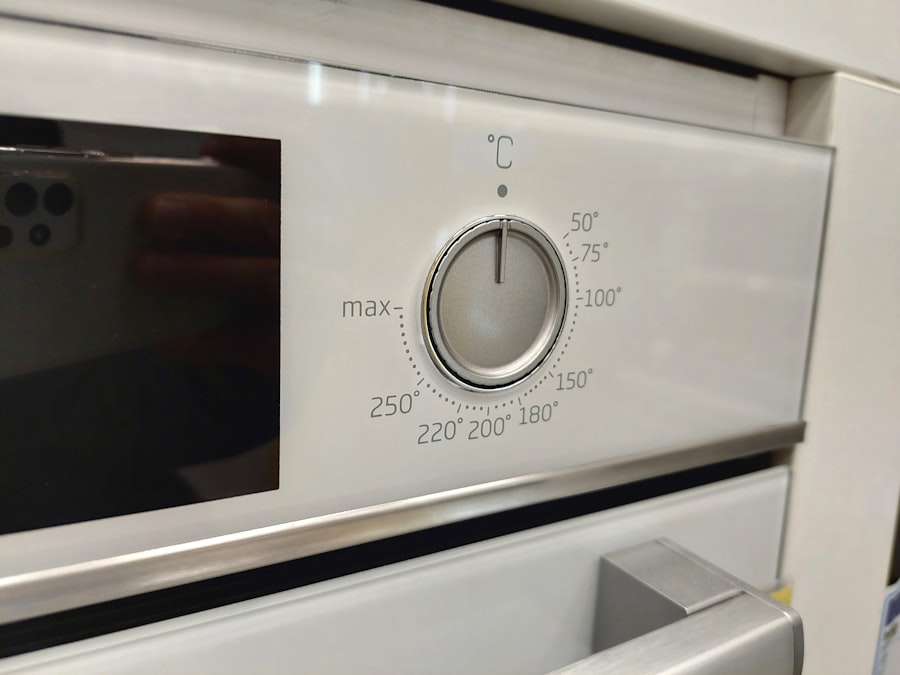
You are encouraged to make environmentally conscious choices, and labels like “Energy Star” are presented as a testament to efficiency. While these programs have their merits, they can also be a clever marketing tool that distracts from a larger issue: the inherent disposability of the products themselves.
The Efficiency Facade
An appliance that uses slightly less electricity over its lifespan is certainly a positive. However, the environmental cost of manufacturing, transporting, and eventually disposing of billions of appliances globally often outweighs the marginal energy savings over the product’s comparatively shorter lifespan.
The Shiny New Object Syndrome
The constant cycle of new models, each boasting marginal improvements in energy efficiency, encourages you to replace perfectly functional appliances simply because they don’t have the latest energy-saving certification. You are incentivized to discard the old for the slightly less resource-intensive new, perpetuating a cycle of consumption.
The “Repairability Score” Void
There’s a distinct lack of standardized “repairability scores” analogous to energy efficiency ratings. This absence means you have no readily available metric to assess how easy or difficult an appliance will be to fix, a critical factor in its long-term sustainability and your financial well-being.
In the quest to navigate the complexities of the $500 billion appliance industry, understanding the underlying strategies can be crucial. A related article that delves deeper into this topic is available at Hey Did You Know This, where you can find insightful tips and tricks to outsmart the marketing tactics that often mislead consumers. By exploring these resources, you can empower yourself to make informed decisions and ultimately win against the appliance lie that has persisted for years.
Reclaiming Your Agency: Strategies for a Savvy Consumer
| Metrics | Data |
|---|---|
| Consumer Awareness | Increasing knowledge about true appliance costs |
| Energy Efficiency | Emphasizing the long-term savings of energy-efficient appliances |
| Government Regulations | Implementing policies to prevent false advertising |
| Consumer Education | Providing resources to help consumers make informed decisions |
The $500 billion appliance deception is a complex system, but you are not powerless. Understanding these dynamics allows you to make more informed decisions and resist the manufactured cycle of consumption.
The Art of the Deliberate Purchase
Resisting impulse buys and understanding your actual needs are paramount. Don’t be swayed by the latest features unless they genuinely solve a problem you have.
Prioritizing Durability Over Features
Sometimes, the simplest appliance is the most robust. Seek out models with a reputation for longevity, even if they lack the “smart” bells and whistles. Older, simpler designs can often be more repairable and less prone to digital obsolescence.
Researching Repairability
Before you purchase, investigate the potential for repair. Look for brands with a history of providing accessible parts and repair documentation. Online forums and consumer reviews can be invaluable sources of information regarding a product’s repairability and common failure points.
The Power of Maintenance and Repair
Treating your appliances with care and knowing when and how to perform basic maintenance can significantly extend their lifespan.
Routine Checks and Cleaning
Simple tasks like cleaning lint traps, checking seals, and ensuring proper ventilation can prevent minor issues from escalating into major failures.
The Value of a Good Technician
If an appliance does break, invest time in finding a reputable, independent repair technician. They may offer more candid assessments and more cost-effective solutions than manufacturer-authorized service centers. Don’t be afraid to get a second opinion.
The Secondhand Solution
Don’t discount the value of used appliances. Many are discarded long before they reach the end of their functional life and can offer significant cost savings.
Refurbished Gems
Reputable retailers often offer refurbished appliances with warranties, providing a cost-effective and environmentally friendly alternative to buying new.
The “Free to Good Home” Treasures
Online marketplaces and community groups often list functional appliances being given away. A little elbow grease and perhaps a minor repair can transform these discarded items into valuable assets.
By understanding the subtle deceptions at play within the $500 billion appliance industry, you can move beyond the illusion and make choices that benefit both your wallet and the planet. The power lies not just in the purchase, but in the ongoing relationship you have with the products that serve you.
FAQs
What is the $500 billion appliance lie?
The $500 billion appliance lie refers to the misleading marketing tactics used by the appliance industry to convince consumers to purchase new appliances by exaggerating the potential energy savings.
How do appliance manufacturers exaggerate energy savings?
Appliance manufacturers often use outdated or unrealistic energy usage data to overstate the potential energy savings of new appliances. They may also fail to account for other factors that can impact energy consumption, such as household usage habits and maintenance of the appliances.
What are some ways to win against the $500 billion appliance lie?
Consumers can win against the $500 billion appliance lie by doing thorough research on energy-efficient appliances, comparing energy usage data from reliable sources, and considering factors beyond just the initial purchase price and potential energy savings.
Are there any regulations in place to prevent the $500 billion appliance lie?
In many countries, there are regulations and standards in place to ensure that appliance manufacturers provide accurate and reliable energy usage information to consumers. These regulations aim to prevent misleading marketing tactics and protect consumers from falling victim to the $500 billion appliance lie.
What are some alternative ways to improve energy efficiency in the home?
Instead of solely relying on purchasing new appliances, consumers can improve energy efficiency in their homes by implementing simple measures such as using energy-efficient light bulbs, properly insulating their homes, and maintaining their existing appliances in good working condition.